
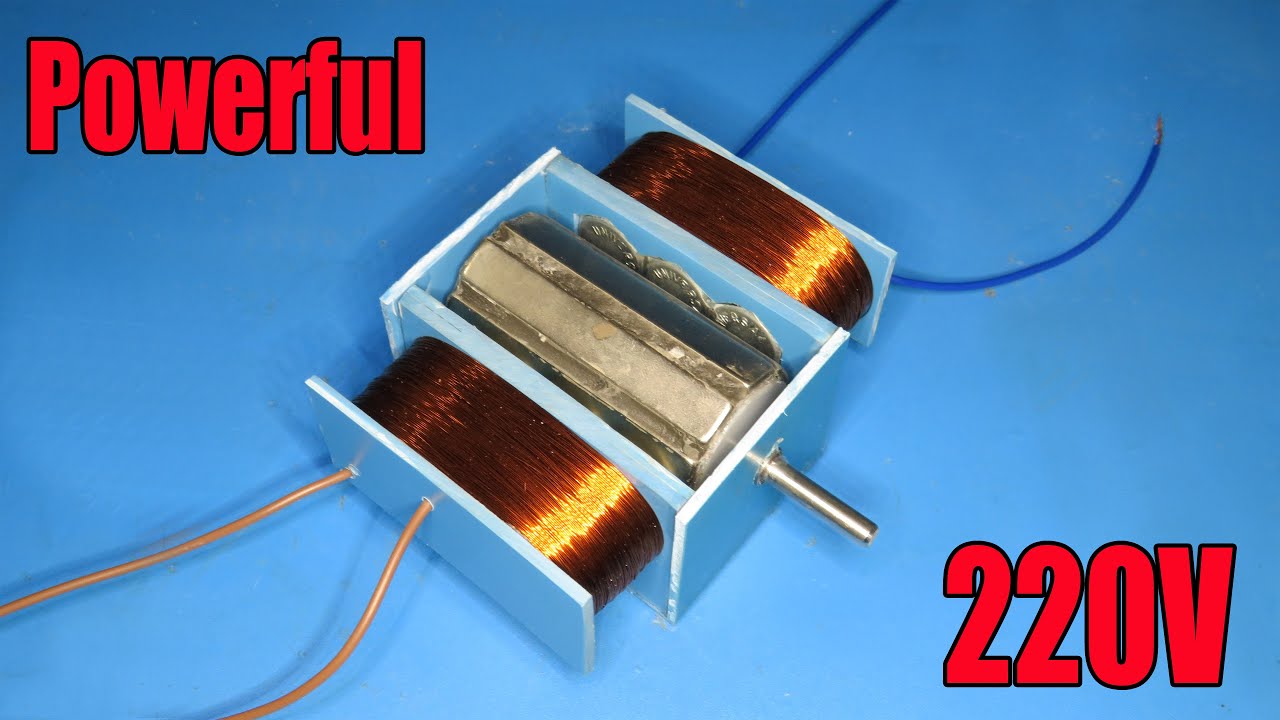
Have you ever found yourself in need of power when you least expected it? Imagine being able to create your own generator right at home, providing you with a reliable source of energy whenever you need it.
In this guide, you will learn how to make a powerful generator that can serve your needs, whether for emergencies, camping trips, or even everyday use. You don’t need to be an expert in engineering or have a deep understanding of electricity.
With simple materials and clear steps, you can tap into your creativity and resourcefulness. Get ready to empower yourself and take control of your energy needs. Let’s dive in and discover how you can build your own generator today!

Credit: www.youtube.com
Materials And Tools Needed
Creating a powerful generator at home requires specific materials and tools. Essential items include a sturdy frame, an engine, and wiring. Basic tools like a screwdriver, pliers, and a wrench will also be needed. Gather everything before starting the project to ensure a smooth process.
Creating a powerful generator at home requires careful planning and the right materials and tools. Having the right items on hand can make the difference between a successful project and a frustrating experience. Below, you’ll find a comprehensive list of everything you need to get started.
Essential Materials
Gathering the right materials is crucial for building a generator that performs well. Here’s a list of the main components you’ll need:
- Engine:A small gasoline engine, preferably between 2 to 6 horsepower.
- Alternator:A compatible alternator that matches your engine’s output.
- Frame:Metal or wood to create a sturdy base for your generator.
- Battery:A 12V battery to store energy and provide starting power.
- Wires:Heavy-duty wires to connect the alternator to the battery.
- Fuel Tank:A reliable fuel tank that matches your engine’s fuel requirements.
- Cooling System:A fan or radiator to prevent overheating during operation.
Make sure to choose high-quality materials for durability. If you skimp on any component, it may lead to complications later.
Tools You Will Need
The right tools simplify the process and ensure precision. Here’s a list of essential tools for your generator project:
- Wrenches:A set of wrenches for assembling different components.
- Screwdrivers:Both flathead and Phillips for various screws.
- Drill:A power drill to create holes in the frame.
- Wire Cutters:For cutting and stripping wires as needed.
- Multimeter:To measure voltage, current, and resistance.
- Safety Gear:Gloves and goggles to protect yourself during assembly.
Having the right tools on hand saves time and reduces the risk of injury. You’ll feel more confident tackling each step of the project.
Where To Find Your Materials And Tools
You might wonder where to source these materials and tools. Many items can be found at local hardware stores or online. Consider checking classified ads or local marketplaces for second-hand engines or alternators. They can be significantly cheaper and still in good condition. Don’t forget to ask friends or family if they have tools you can borrow. This can cut costs and give you access to tools you might not own yet. With the right materials and tools, you’ll be well on your way to creating a powerful generator at home. Are you ready to gather your supplies and start building?

Credit: www.pinterest.com
Choosing The Right Generator Design
Choosing the right generator design is key for building a powerful generator at home. Focus on the materials and components you use. Simple designs can still deliver strong performance and meet your energy needs effectively.
Choosing the Right Generator Design Selecting the right generator design is crucial for ensuring it meets your needs. The design you choose will depend on several factors, including your energy requirements, budget, and intended use. Let’s break down the options to help you make an informed decision.
Understand Your Power Needs
Before diving into designs, assess your power requirements. – List the appliances you want to run. – Calculate their wattage needs. – Consider peak and running wattage. This will give you a clear idea of how much power your generator should produce.
Portable Vs. Standby Generators
Decide if you need a portable or standby generator. – Portable generators are versatile and great for outdoor activities or emergencies. – Standby generators offer automatic power during outages but require a higher investment. Think about your lifestyle. Do you prioritize mobility or reliability?
Fuel Type Considerations
The type of fuel your generator uses impacts its efficiency and convenience. – Gasoline is readily available but can be less efficient. – Propane offers longer storage life. – Diesel is more durable and efficient for larger generators. Evaluate the availability of these fuels in your area. What’s more convenient for you?
Safety Features And Noise Levels
Safety features are essential in any generator design. Look for models with: – Overload protection to prevent damage. – Low-oil shutdown to avoid engine failure. Noise levels can also be a concern, especially in residential areas. Choose a quieter model if you plan to use it frequently.
Budget And Maintenance
Consider your budget, not just for the initial purchase but for long-term maintenance. – Some models may have a lower upfront cost but higher maintenance expenses. – Research the warranty options and customer service reputation. Make sure to balance quality and cost. What fits your financial plan without compromising on features? Choosing the right generator design is about understanding your specific needs and preferences. Think about how you plan to use it and the environment it will operate in. The right choice will serve you well for years to come.
Building The Frame
Crafting a sturdy frame sets the foundation for building a powerful generator at home. Start with selecting durable materials like metal or wood. Secure them tightly to ensure stability and support for the generator components.
Building a powerful generator at home starts with a solid frame. This structure will hold all the components together, ensuring stability and efficiency. A well-built frame can also enhance the generator’s longevity. Let’s dive into the steps to create a robust frame for your generator.
Choosing The Right Materials
The first step is selecting the right materials. You can use steel or aluminum for a durable frame. – Steel: Strong and heavy, ideal for heavy-duty generators. – Aluminum: Lightweight and resistant to rust, perfect for portable models. Consider your generator’s size and weight when making this choice. The frame must support the generator without bending or breaking.
Designing The Frame
Next, sketch a design for your frame. You want a rectangular base with supports to prevent swaying. Think about the following: – Dimensions: Ensure the frame is slightly larger than your generator. – Height: Keep it low to the ground for stability. – Accessibility: Design openings for easy access to controls and maintenance. Don’t hesitate to adjust your design as needed. A well-thought-out plan can save you time and effort.
Cutting And Assembling The Frame
Once your design is ready, gather your tools. You’ll need a saw, drill, and welding equipment or brackets for assembly. – Cut the Material: Measure and cut your pieces according to your design. – Assemble: Begin with the base. Secure the corners using brackets or weld them together. – Add Supports: Attach vertical supports to enhance stability. Take your time with this process. A solid assembly will pay off in performance and safety.
Finishing Touches
After assembling the frame, check for rough edges. Sand them down to prevent injuries. Consider painting the frame with rust-resistant paint. This step adds protection and improves appearance. Finally, ensure the frame is level. A level base prevents the generator from tipping during operation. How sturdy is your frame? Test it with weight before placing your generator on it. This extra precaution can save you from future mishaps.
Assembling The Rotor And Stator
Assembling the rotor and stator is a crucial step in building a powerful generator at home. Carefully align the components to ensure proper function. Secure all parts tightly to maximize efficiency and performance. A well-assembled generator can provide reliable energy for various uses.
Assembling the rotor and stator is a crucial step in building a powerful generator at home. This process can seem intimidating, but with the right guidance, you can create an efficient setup that generates electricity reliably. Understanding how these components work together will enhance your DIY experience and result in a functional generator.
Understanding The Rotor
The rotor is the rotating part of your generator. It typically consists of a coil of wire wound around a core. You can use copper wire for better conductivity. Ensure you have a strong magnet to interact with the coil effectively. Tip: Use a rotor that spins freely to maximize efficiency. When you assemble the rotor, secure the wire tightly to avoid any loose connections. A well-made rotor can significantly increase your generator’s output.
Building The Stator
The stator is the stationary part that houses the coils. It is essential to ensure that the stator is properly aligned with the rotor. A common mistake is misalignment, which can lead to inefficiencies. To create the stator, you can use a sturdy frame made from wood or metal. Tip: Make sure to insulate the coils to prevent short circuits. Position the coils around the rotor, ensuring they are evenly spaced. This setup will allow the magnetic field to interact effectively with the coils, generating electricity.
Connecting The Components
Once the rotor and stator are assembled, connect them using a shaft. Ensure the shaft allows smooth rotation without excessive friction. Check all connections to confirm they are secure and insulated. Use a multimeter to test the connections for continuity. Question: Have you ever had issues with poor connections in your projects? This step is vital for preventing any unexpected power losses. After connecting, test the rotor by spinning it and observing the output from the stator. A well-assembled rotor and stator should produce a steady voltage. — By focusing on precise assembly techniques, you can create a powerful generator that meets your energy needs. Each part plays a significant role, and attention to detail will yield the best results. Your DIY journey doesn’t have to be complicated; just take it step by step!
Installing The Power Source
Installing the power source is a key step in making your generator. This part provides the energy to run your device. You must choose the right power source for your needs. A few options exist, like solar panels, wind turbines, or a gas engine.
Each option has its pros and cons. Think about where you live. Do you have enough sunlight or wind? Can you access fuel easily? These questions help you decide.
Choosing The Right Power Source
Selecting the right power source is vital. Solar panels are quiet and clean. They work best in sunny areas. Wind turbines are great for windy places. They can produce power even at night.
Gas engines can provide a lot of power quickly. However, they need fuel and can be noisy. Assess your situation before making a choice.
Gathering Necessary Materials
Once you choose a power source, gather your materials. For solar panels, you will need panels, batteries, and wires. For wind turbines, you need blades, a generator, and a tower.
If you select a gas engine, you will require the engine, fuel, and a frame. Ensure you have all parts before starting the installation.
Setting Up The Power Source
Now, set up your power source. For solar panels, mount them on a roof or a pole. Make sure they face the sun. For wind turbines, place them high to catch the wind.
For gas engines, secure the engine to a stable base. Connect the fuel line properly. Ensure all connections are tight and safe.
Connecting To The Generator
After setting up the power source, connect it to the generator. Use appropriate cables for a safe connection. Follow the instructions for your specific generator model.
Double-check all connections. Safety is crucial. Ensure the setup is secure before testing the generator.

Credit: www.pinterest.com
Wiring The Generator
Wiring the generator is a crucial step in the process of building a powerful generator at home. Proper wiring ensures that your generator operates efficiently and safely. It can seem daunting, but with the right guidance, you can tackle this task confidently.
Understanding The Components
Before you start wiring, familiarize yourself with the main components of your generator:
- Stator:This is the stationary part where electricity is generated.
- Rotor:The rotating part that creates a magnetic field.
- Voltage Regulator:This controls the voltage output.
- Battery:Powers the starter motor and controls electrical systems.
Knowing these components helps you understand how they interact during the wiring process.
Gathering The Right Tools
Having the right tools makes wiring easier and safer. You’ll need:
- Wire Strippers
- Screwdrivers
- Electrical Tape
- Multimeter
- Heat Shrink Tubing
Invest in quality tools. They can make a significant difference in your results.
Creating A Wiring Diagram
A wiring diagram is your roadmap. It outlines how each component connects to the others. Start by sketching out your generator’s components and their connections.
Label each wire and connection clearly. This will save you time and frustration later.
Connecting The Wires
Begin connecting the wires according to your diagram. Use the correct gauge wire for each connection. Thicker wires are necessary for high currents, while thinner wires work for low currents.
Secure each connection with solder or wire nuts, and cover them with electrical tape or heat shrink tubing. This prevents accidental shorts and ensures safety.
Testing Your Connections
After wiring, it’s essential to test your connections. Use a multimeter to check for continuity. This step helps identify any loose or incorrect connections.
Don’t skip this step. A simple mistake can lead to bigger issues down the line.
Final Safety Checks
Safety should always be a priority. Double-check your wiring against your diagram. Look for frayed wires or loose connections.
Once satisfied, ensure your generator is grounded properly before use. This prevents electrical shock and damage to the generator.
Wiring a generator can be challenging, but with careful attention to detail, you can create a reliable power source at home. Think about how empowering it feels to have control over your energy needs. Are you ready to take the plunge and wire your own generator?
Testing The Generator
Testing your home-made generator is crucial. It shows if it works well. You want to know if it can power your devices. Follow these steps to test your generator safely and effectively.
Gather Necessary Tools
Before testing, collect essential tools. You will need a multimeter. It checks voltage and current. A load tester is helpful too. It checks how much power the generator can handle.
Check The Fuel Supply
Ensure the generator has enough fuel. Empty tanks can lead to errors. Use fresh fuel for best results. Old fuel can cause starting issues.
Inspect Connections And Wiring
Look at all connections carefully. Loose wires can cause problems. Tighten any loose connections. Make sure everything is secure before starting.
Start The Generator
Follow the starting procedure. Turn on the fuel valve first. Then, use the starter button or pull cord. Listen for any strange noises. This could indicate issues.
Measure Voltage Output
Use the multimeter to check voltage. Connect it to the output terminals. The reading should match your generator’s rating. A significant drop means there may be a problem.
Test Load Capacity
Connect a load tester to the generator. Start with small devices first. Gradually add more load. Observe how it performs under pressure. It should run smoothly without stalling.
Monitor For Overheating
Keep an eye on the generator’s temperature. Overheating can damage the engine. If it gets too hot, turn it off. Let it cool down before using again.
Evaluate Performance
After testing, evaluate how well it performed. Check for any issues you noticed. Make notes of anything that needs fixing. A reliable generator should run without problems.
Repeat Tests Regularly
Testing should not be a one-time task. Regular checks help maintain performance. Test your generator at least once a month. This keeps it in good working order.
Safety Tips For Operation
Building a powerful generator at home requires attention to safety. Always work in a well-ventilated area. Use proper tools and wear protective gear. Keep flammable materials away from your workspace. Following these tips ensures a safer and more effective generator project.
Creating a powerful generator at home can be a rewarding project, but safety should always be your top priority. Understanding how to operate your generator safely can prevent accidents and ensure it runs smoothly. Here are essential safety tips for operation that you should keep in mind.
Read The Manual
Make sure you read the generator’s manual thoroughly. Understanding specific instructions and safety precautions for your model is vital. This knowledge can help you avoid common mistakes that may lead to accidents.
Use Proper Fuel
Always use the recommended fuel type for your generator. Using the wrong fuel can lead to engine damage or even fires. Store fuel in a cool, dry place away from direct sunlight and heat sources.
Ventilation Is Key
Generators produce carbon monoxide, which is a deadly gas. Set up your generator outdoors, at least 20 feet away from your home. Ensure that it is in a well-ventilated area to prevent harmful gas buildup.
Check For Leaks
Before starting your generator, inspect it for any fuel or oil leaks. A small leak can turn into a big problem if not addressed. If you notice anything unusual, fix the issue before operating the generator.
Keep It Dry
Water and electricity don’t mix. Make sure your generator is protected from rain or wet conditions. Consider using a canopy or tarp to keep it dry during operation.
Wear Protective Gear
Protective gear is essential when operating a generator. Always wear gloves and safety goggles to shield yourself from potential hazards. Proper attire can prevent injuries from unexpected sparks or debris.
Don’t Overload The Generator
It’s tempting to connect multiple devices to your generator. However, overloading can cause overheating and damage. Check the wattage limits and only connect what your generator can handle.
Turn Off Before Refueling
Always turn off your generator before refueling it. This practice reduces the risk of fire and allows the engine to cool down. Wait for a few minutes after shutting it down to avoid burns.
Have A Fire Extinguisher Handy
Accidents can happen, so it’s wise to be prepared. Keep a fire extinguisher nearby and ensure it’s rated for electrical fires. Knowing how to use it can make a difference in an emergency situation. By following these safety tips, you can enjoy the benefits of your homemade generator while keeping yourself and your surroundings safe. What safety measures do you plan to implement for your generator?
Maintenance And Troubleshooting
Building a powerful generator at home requires careful maintenance and troubleshooting. Regular checks can prevent issues and keep the generator running smoothly. Learn simple tips to fix common problems and ensure your generator is always ready for use.
Maintaining your homemade generator is crucial for its longevity and efficiency. Regular upkeep can prevent unexpected breakdowns and ensure that your generator runs smoothly when you need it most. Troubleshooting common issues can save you time and money, allowing you to enjoy the benefits of your powerful generator without unnecessary frustration.
Regular Maintenance Tips
Performing routine checks is essential. Here are some key maintenance tasks you should consider:
- Check Oil Levels:Regularly inspect and change the oil. Dirty oil can harm your generator’s engine.
- Inspect Fuel System:Ensure fuel lines are clear and tanks are filled with fresh fuel. Stale fuel can lead to poor performance.
- Clean the Air Filter:A clean air filter promotes better airflow. Replace it if it’s dirty or clogged.
- Examine Spark Plugs:Check spark plugs for wear and tear. Replace them if they appear worn or damaged.
Scheduling maintenance every few months can save you from larger issues down the line. Keeping a checklist can help you stay organized.
Troubleshooting Common Issues
Even with regular maintenance, problems can arise. Here are some common issues and simple fixes:
- Generator Won’t Start:Check the fuel supply first. Ensure there’s enough fuel in the tank.
- Unusual Noises:Listen for any strange sounds. Loose parts might need tightening.
- Power Fluctuations:If you notice inconsistent power, inspect connections and wiring for any damage.
- Overheating:Ensure the generator is in a well-ventilated area. Clean the vents to allow for proper airflow.
Documenting any issues you encounter can help track recurring problems. This can also assist in diagnosing issues faster.
Safety Precautions
Safety should always be a priority when maintaining your generator. Here are some essential precautions:
- Wear Protective Gear:Always use gloves and goggles when working on your generator.
- Work in a Well-Ventilated Area:Avoid carbon monoxide poisoning by ensuring good air circulation.
- Disconnect Power Sources:Always turn off the generator and disconnect it from any power sources before servicing.
Have you ever faced a generator issue that left you stranded? Knowing how to maintain and troubleshoot your generator can prevent such scenarios, ensuring you’re never left in the dark.
Frequently Asked Questions
How Can I Build A Generator At Home?
Building a generator at home involves basic materials and tools. You’ll need a motor, fuel source, and electrical components. Follow a reliable guide to ensure safety and efficiency. Consider local regulations regarding homemade generators before starting your project.
What Materials Are Needed For A Home Generator?
Essential materials include a DC motor, alternator, and battery. You’ll also need wiring, a fuel source, and a frame. Gathering high-quality components can enhance performance and longevity. Ensure you have tools like a soldering iron and multimeter for assembly.
Is It Safe To Make A Generator At Home?
Creating a generator at home can be safe if done correctly. Adhere to safety guidelines and use proper protective gear. Ensure your workspace is well-ventilated and free from hazards. If unsure, consult with an expert before proceeding.
How Much Does It Cost To Make A Generator?
The cost to make a generator varies based on materials. On average, you might spend between $100 and $300. Prices will depend on the quality of components you choose. It’s wise to budget for additional tools or safety equipment as needed.
Conclusion
Building a powerful generator at home is achievable. With simple materials and steps, anyone can do it. This project saves money and provides backup power. Remember to follow safety guidelines closely. Each step matters for success. Enjoy the satisfaction of creating something useful.
Share your experience with others who may want to try. Your new skills can inspire friends and family. Embrace the journey of making your own generator. It’s a rewarding and practical endeavor.