

Yes — a properly sized whole-house generator can power an entire home during outages.
I’ve designed and installed backup power systems for years, and I’ll walk you through how Can A Generator Power An Entire House works, what it takes, and what to watch for. This guide covers types of generators, how to size one, transfer switches, fuel and runtime, costs, safety, and real-world tips so you can decide with confidence.

How generators work and the basic options
A generator converts fuel into electricity with an engine and alternator. Portable units plug into an appliance or a transfer switch. Standby whole-house generators connect to your home electrical panel and start automatically when the grid fails. The question Can A Generator Power An Entire House depends on type, size, and installation quality.
Common generator types
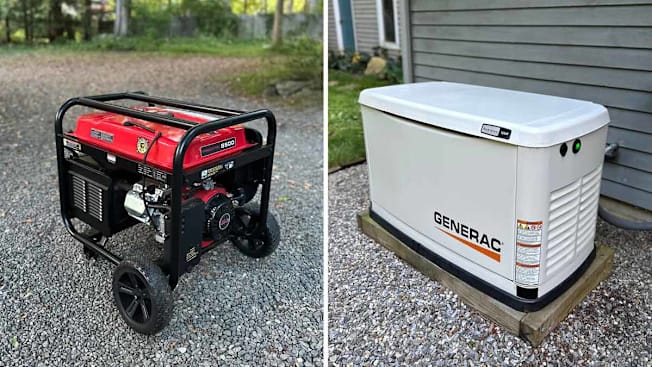
- Portable generators: Small and mobile. They power select circuits or devices.
- Inverter generators: Cleaner power for electronics. Best for small loads.
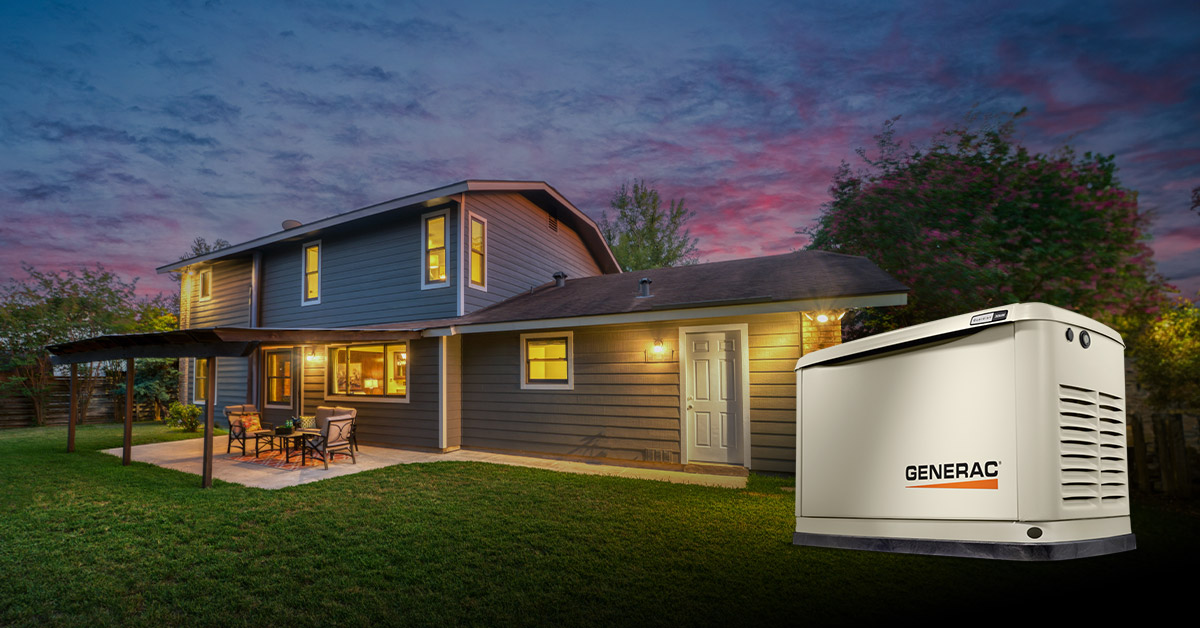
- Standby (whole-house) generators: Permanently installed. They can run most or all home circuits.
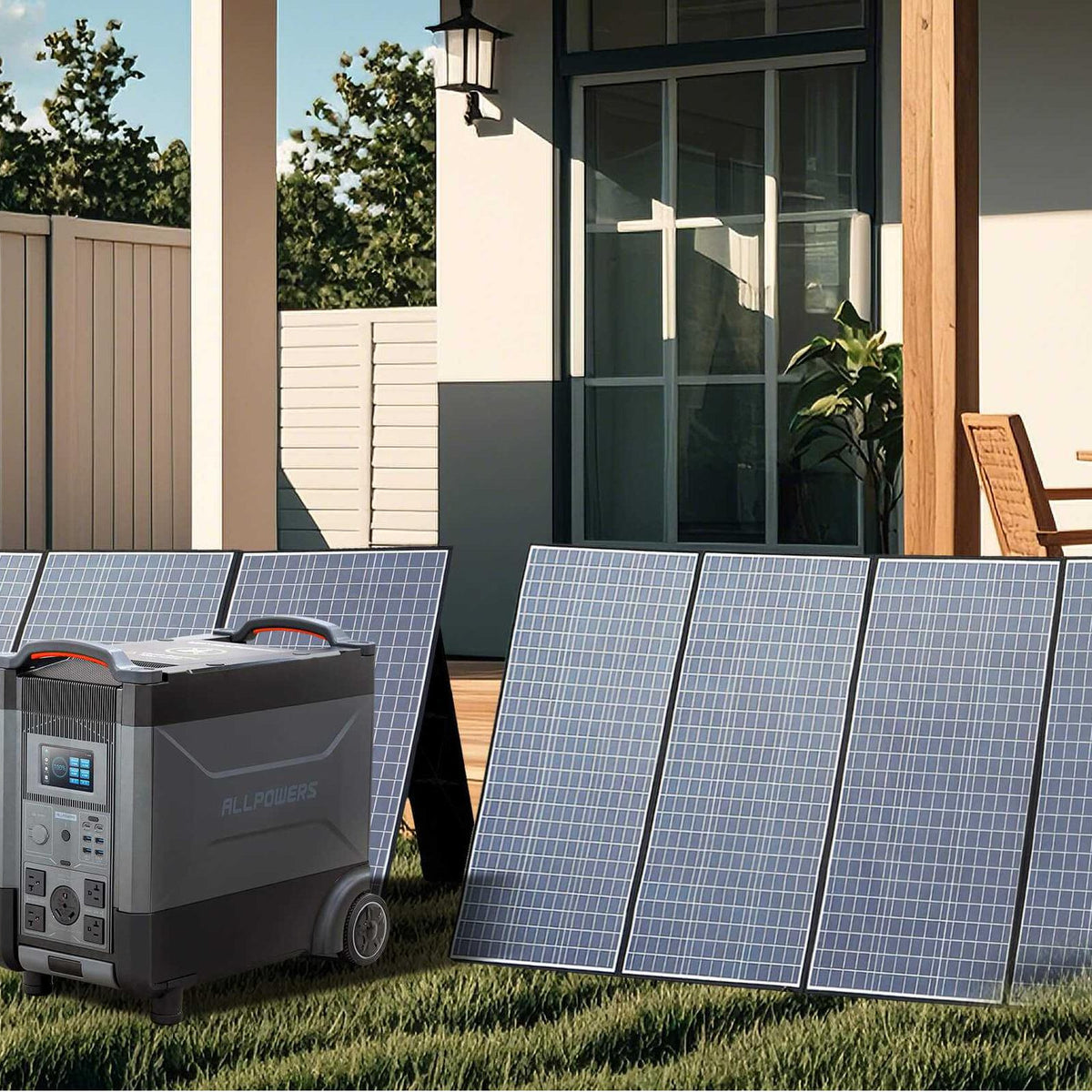
- Solar plus battery systems: Silent and fuel-free, but require large battery capacity to run all loads.
Key terms to know
- kW (kilowatt): Measures generator output. Whole-house needs are rated in kW.
- Transfer switch: Safely switches between grid and generator power.
- Load shedding: Intentionally turning off nonessential circuits to save power.
- Run time: How long a generator runs on a tank or fuel supply.
Can A Generator Power An Entire House? Yes, standby units are made for that, while portable units usually cannot run every circuit at once.

Sizing your generator: how to calculate loads
Sizing is the most critical step when deciding Can A Generator Power An Entire House. If you undersize, essential systems may fail. If you oversize, you pay more than you need.
Step-by-step load calculation
- List essential loads: furnace/heat pump, refrigerator, freezer, well pump, sump pump, medical devices, lighting, communications, and critical outlets.
- Note starting and running watts for motors: Pumps and HVAC have high starting watts.
- Add running watts, and factor in peak starts to get required surge and continuous kW.
- Choose a generator rated a bit higher than your total to allow headroom.
Typical numbers and examples
- Small 2-bedroom home essential loads: 5–8 kW.
- Medium home with central AC: 12–20 kW.
- Large home with electric oven, HVAC, and multiple pumps: 20–40 kW.
A common whole-house standby size is 22–24 kW for many 2,500–3,500 sq ft homes. Always run a professional load calculation to answer Can A Generator Power An Entire House for your exact home.
Transfer switches, wiring, and integration with your home
A transfer switch is required to safely shift your home from grid power to generator power. This is central to whether Can A Generator Power An Entire House is practical and legal.
Types of transfer switches
- Manual transfer switch: You flip a switch to connect the generator. Simple and cheaper.
- Automatic transfer switch (ATS): Detects outages and starts the generator automatically. Common with standby systems.
- Load management switch: Lets a smaller generator handle more circuits by shedding nonessential loads.
Why an electrician matters
- Code compliance: Local codes and the National Electrical Code require proper disconnects and grounding.
- Safe wiring: Incorrect wiring can backfeed the grid and endanger utility workers.
- Panel integration: An electrician balances phases and distributes loads to avoid overload.
Can A Generator Power An Entire House without a transfer switch? Technically no; it’s unsafe and often illegal to connect a generator directly to home wiring without a proper switch and permit.
Fuel types, runtime, and maintenance
Fuel choice affects how long a generator runs, cost of operation, and maintenance needs. Fuel considerations are key when you wonder Can A Generator Power An Entire House overnight or for days.
Common fuel options
- Natural gas: Unlimited runtime if your gas supply remains. Clean and convenient for standby units.
- Propane: Good shelf life and reliable. Requires an on-site tank.
- Diesel: High energy density and efficient for large units. Needs proper storage and cold-weather treatment.
- Gasoline: Common in portable units. Short shelf life and limited tank size reduce runtime.
- Solar with batteries: Quiet and low maintenance, but expensive for whole-house use unless paired with a large battery bank.
Runtime and fuel sizing
- Estimate daily kWh use during outage and convert to gallons or cubic feet per day.
- Standby generators on natural gas can run indefinitely if supply is available.
- Propane or diesel tanks must be sized for expected outage durations.
Maintenance essentials
- Regular oil and filter changes
- Exercise runs under load monthly if possible
- Fuel stabilization for gasoline and seasonal diesel care
- Annual professional inspection
If you need Can A Generator Power An Entire House for long outages, natural gas or large propane/diesel tanks are the most practical.

Costs, benefits, and limitations
Deciding Can A Generator Power An Entire House includes weighing upfront cost, operating cost, and practical benefits.
Cost breakdown
- Portable generators: $500–$2,500.
- Standby whole-house generators: $5,000–$20,000+ including installation.
- Transfer switch and electrical work: $1,000–$5,000 depending on complexity.
- Fuel costs: Varies by type and hours of use.
Benefits
- Continuous power for safety equipment and comfort.
- Protects appliances and HVAC during outages.
- Automated response with standby units reduces stress.
Limitations and trade-offs
- Upfront expense and installation complexity for whole-house systems.
- Fuel supply can be disrupted in major disasters.
- Noise, emissions, and local permit restrictions.
- Some older homes need panel upgrades or rewiring to safely run a large generator.
Can A Generator Power An Entire House cost-effectively? It depends on your needs, budget, and outage risk.

Installation, permits, and choosing a contractor
Installation quality determines whether Can A Generator Power An Entire House safely and reliably. Don’t skip permits or professional help.
Permits and inspections
- Most jurisdictions require permits for standby generators and transfer switches.
- Utility notification may be required for grid-intertie rules.
- Inspections ensure grounding, fuel connections, and safe wiring.
Hiring the right contractor
- Look for licensed electricians with generator experience.
- Ask for references and proof of insurance.
- Get a written estimate including permits, trenching for fuel lines, and startup testing.
- Verify warranty terms for the generator and installation labor.
Project timeline
- Typical installation takes 1–3 days, but permits can add time.
- Plan for fuel tank delivery and site prep.
If you want Can A Generator Power An Entire House with minimal hassle, budget for professional installation and proper permitting.

Safety, common pitfalls, and how to avoid them
Safety is nonnegotiable when considering Can A Generator Power An Entire House. Mistakes can risk life and property.
Top safety tips
- Never run a generator indoors or in an attached garage due to carbon monoxide risk.
- Use a transfer switch to prevent backfeed to the grid.
- Keep fuel stored safely and away from ignition sources.
Common mistakes
- Undersizing the generator and overloading circuits.
- Connecting without a transfer switch or permit.
- Skipping maintenance and running the unit without load testing.
How to avoid problems
- Have a yearly service plan with a qualified tech.
- Test the automatic transfer switch regularly.
- Install carbon monoxide detectors and monitor exhaust clearances.
Can A Generator Power An Entire House safely? Yes, when installed and maintained following safety rules and local codes.
Real-life experience: lessons learned from installations
I’ve installed standby generators on coastal and inland homes. I’ll share practical lessons to make your decision easier. These are firsthand observations, not theory.
What I saw work
- Homes with 24 kW standby units rarely lost comfort during multi-day outages.
- Natural gas-fed units were the easiest for long outages; owners never worried about refueling.
- Load-shedding panels allowed smaller generators to run vital systems for longer.
What went wrong and how to avoid it
- One client bought a portable unit sized for 3 kW and expected whole-house coverage. It could not run pumps and HVAC simultaneously. Lesson: match generator capacity to real loads.
- Another had noisy placement near bedroom windows. Lesson: plan siting for noise and exhaust.
- I once found a missing transfer switch interlock during inspection. The home was at risk of backfeed. Lesson: insist on permits and final inspection.
Practical tips I recommend
- Do a professional load calculation before buying.
- Consider an ATS for peace of mind.
- Keep a prioritized list of what you must power and what can wait.
These real cases show that Can A Generator Power An Entire House is achievable, but only with the right planning.
Quick PAA-style questions
What size generator do I need for a typical home?
- For essential circuits in a small home, 5–8 kW might work. For whole-house coverage, most homes require 12–24 kW or more depending on HVAC and appliances.
Can I run my central air and oven at the same time?
- Only if your generator is sized for the combined starting and running loads. Many generators can run one high-demand device but not multiple high-demand devices at once.
Is a portable generator a good long-term solution?
- Portable units are good for short outages and limited loads. For reliable whole-house power during long outages, a standby generator is better.
Frequently Asked Questions of Can A Generator Power An Entire House
How big of a generator do I need to power an entire house?
You need a generator sized to the sum of your essential running watts plus surge for motors. Most whole-house systems are between 12 and 40 kW depending on home size and HVAC.
Can a portable generator power my whole house?
A portable generator can power parts of a house but rarely the whole house. It has limited wattage and fuel capacity compared to standby generators.
Do I need a professional to install a whole-house generator?
Yes. Professional installation ensures safe wiring, code compliance, proper transfer switch setup, and permit handling. DIY hookups risk backfeed and legal violations.
How long can a generator run continuously?
Run time depends on fuel type and tank size. Natural gas-fed standby units can run indefinitely while fuel supply lasts, but propane and diesel depend on on-site tank capacity.
Will a generator damage my appliances?
A properly sized and installed generator with clean power and correct transfer switching should not damage appliances. Using an inverter or whole-house standby reduces the risk of voltage issues.
Do I need permits for a generator installation?
Most places require permits for standby generators and fuel tanks. Permits ensure safety checks and code-compliant installation.
Conclusion
A generator can power an entire house when it is the right type, correctly sized, and professionally installed. Standby whole-house generators answer Can A Generator Power An Entire House best because they offer automatic operation, safe integration, and long runtime. If you face frequent outages or need continuous power for health and safety, invest in a proper load calculation, reliable fuel supply, and a licensed installer. Take action now: list your essential loads, get quotes from qualified contractors, and schedule a load assessment to make sure your home stays powered when it matters most. Leave a comment with your situation or subscribe to get more practical guides on home backup power.