
Use a properly installed transfer switch or inlet box and a licensed electrician for safety.
I’ve installed and tested home generator systems for years, so I’ll walk you through how to connect a generator to a house safely and to code. This guide covers options, step-by-step instructions, sizing tips, safety rules, and real-world lessons I learned on the job so you can make smart choices and avoid common mistakes.

Why proper connection matters
Connecting a generator to a house is more than plugging in a unit. A wrong connection can backfeed the grid, damage appliances, or risk fire and electrocution. When you know how to connect a generator to a house the right way, you protect your home, neighbors, and utility workers.
Proper connection also keeps your system reliable. It lets you run essential circuits, prevents overloads, and meets local code and inspection rules. Treat this work like electrical work: plan, size, and install with respect for safety.

Safety, permits, and legal requirements
Working on house power triggers rules. Most areas require permits and inspections for generator installations. The National Electrical Code (NEC) and local codes require approved transfer devices and clear labeling.
Always use a licensed electrician for permanent installs. If you install a portable hookup, follow code-approved products and wiring. Never connect a generator to a home panel without an approved transfer switch or interlock; that’s the main safety rule.

Types of generators and required gear
There are main types you’ll see for homes.
- Portable generators
- Low cost and movable. Good for temporary outages.
- Need a transfer device or inlet box to feed house circuits.
- Standby (automatic) generators
- Permanently mounted and wired to an automatic transfer switch.
- Start on outage and power selected loads automatically.
- Inverter generators
- Quiet and fuel-efficient. Best for sensitive electronics.
- Often lower wattage than full-size units.
Common accessories and gear you’ll need:
- Transfer switch or interlock kit
- Power inlet box (for portable setups)
- Heavy-duty generator cord rated for amperage
- Proper grounding rod and bonding per code
- Fuel storage and ventilation gear for portable units
When planning how to connect a generator to a house, pick gear that matches your generator output and house load.

Methods to connect a generator to a house
There are safe, code-approved methods to connect a generator to a house. Below are the main ones.
Automatic transfer switch with standby generator
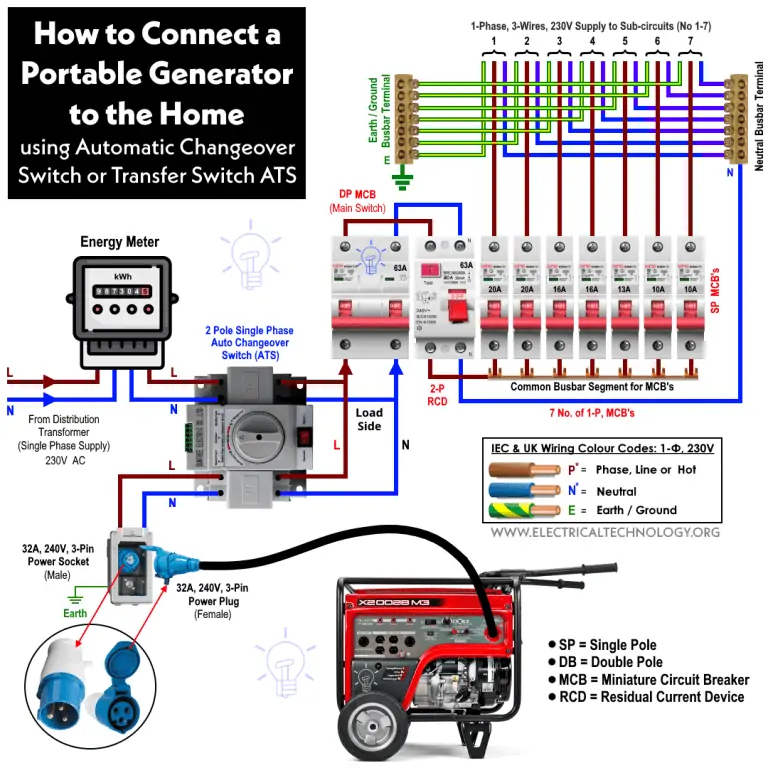
A standby generator is wired to a load center through an automatic transfer switch (ATS). When power fails, the ATS starts the generator and shifts loads to it. This method is the cleanest and safest for whole-house or large-load needs.
Manual transfer switch with portable generator and inlet box
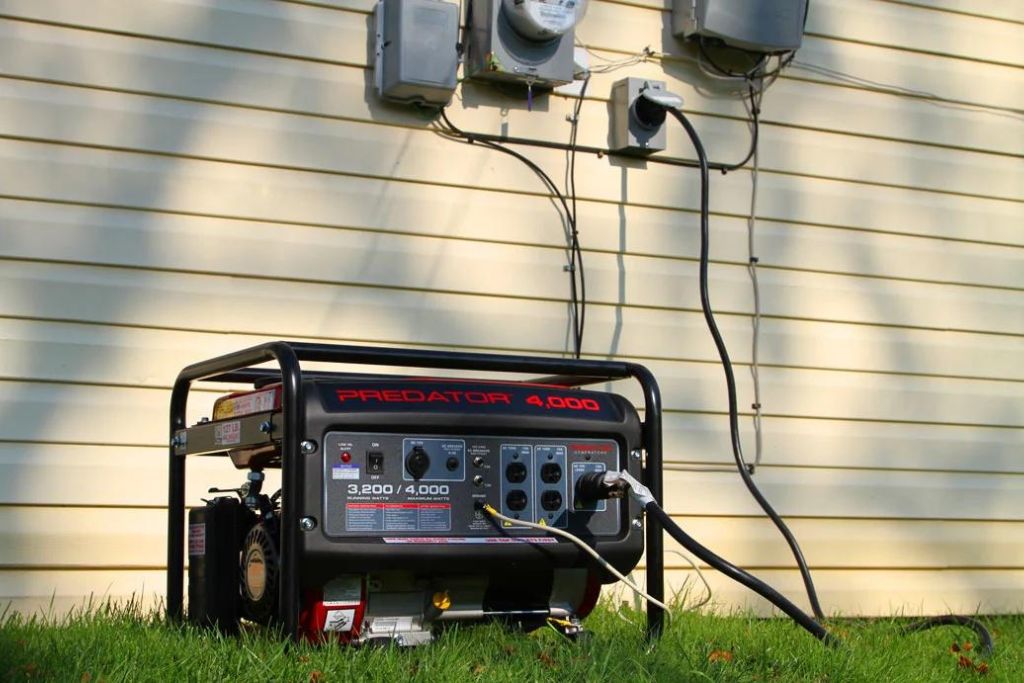
A manual transfer switch sits near your breaker panel. You plug the portable generator into a power inlet on the outside of your home. Flip the manual switch to route power from the generator to selected circuits. This is common for partial-house backup.
Interlock kit with portable generator
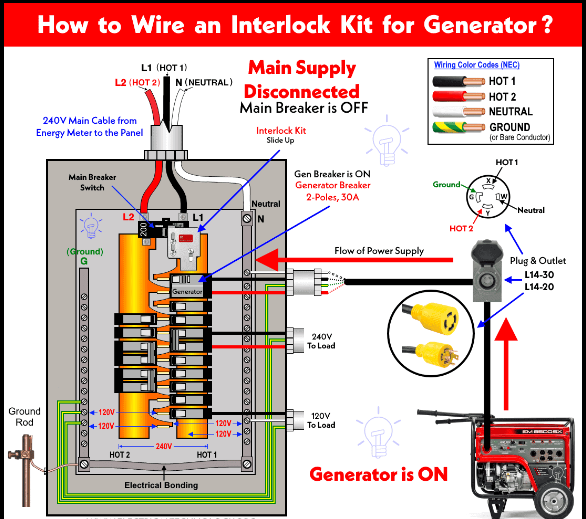
An interlock kit is a mechanical device placed at the main panel. It prevents the main breaker and the generator breaker from being on at the same time. This lets you power circuits without a separate transfer switch. It must be listed for your panel and installed per code.
Direct hookup is not allowed
Never tie a generator directly to a house wiring without an approved transfer method. Direct ties can backfeed the grid. Do not use makeshift jumper cables to the meter or break box.
Each method has pros and cons for cost, convenience, and safety. Choose the method that suits your needs and local rules when learning how to connect a generator to a house.

Step-by-step: Installing a manual transfer switch with inlet (overview)
This is a common approach for portable generators. These are general steps; hire an electrician for the actual wiring.
- Plan and permit
- Determine circuits to back up and load size.
- Pull permits and check local code.
- Select equipment
- Choose a transfer switch sized to your planned load.
- Buy a matching power inlet and generator cord.
- Mount inlet and run cable
- Install inlet on exterior wall near the generator location.
- Run conduit or cable to the main panel location.
- Install transfer switch
- Mount the transfer switch adjacent to your breaker panel.
- Move or add breakers that control backed up circuits to the transfer switch as directed.
- Wire the transfer switch to panel
- Electrician ties transfer switch to selected circuits and main neutral/ground as code requires.
- Ensure interlock or mechanical lockouts are set.
- Test and label
- Test generator operation under load.
- Label panels and inlet clearly to warn utility workers.
Experienced electricians perform the actual wiring. If you try a DIY, focus on planning and code compliance. Remember that how to connect a generator to a house is mostly about safe transfer of power, not just plugging in.
Sizing your generator and load management
Pick a generator size that meets your essential needs. Two load measures matter.
- Starting watts
- High for motors and compressors when they start.
- Running watts
- Continuous power needed to run devices.
Steps to size:
- List essential appliances and circuits you need during an outage.
- Find running and starting watt ratings.
- Add a safety margin of 10–20 percent.
- Choose a generator that meets both starting and running watt demands.
If your chosen generator is smaller than total house needs, use load management. Prioritize HVAC, fridge, lights, and medical devices. Transfer switches can be wired to prioritize circuits so you don’t overload the generator. This is a key part of how to connect a generator to a house successfully.
Maintenance, testing, and fuel storage
A generator that sits unused can fail. Regular checks keep it ready.
- Run tests monthly or per manufacturer guidance.
- Change oil and filters on schedule.
- Keep fuels stable and store in approved containers.
- For propane or natural gas standby units, test automatic start and transfer functions often.
When you know how to connect a generator to a house, you also learn how to keep it ready. Make a simple checklist and log maintenance dates.

Troubleshooting common problems
Here are typical issues and quick fixes.
- Generator won’t start
- Check fuel, choke, and circuit breaker on the generator. Test battery on standby units.
- Low or no power to house circuits
- Confirm transfer switch position and inlet cord connection. Check panel breakers.
- Generator trips on overload
- Reduce load or move high-start devices to a different cycle. Recalculate load needs.
- Weird noises or smoke
- Shut down immediately and inspect. Call a technician if unsure.
If problems persist, stop and call a licensed electrician or service tech. Never risk makeshift fixes that affect house wiring. Proper troubleshooting is part of learning how to connect a generator to a house safely.
Personal experience and practical tips
I installed my first home backup system after a long outage. I tried to save money by using a basic inlet and DIY wiring. A quick inspection taught me that codes matter. I reworked the install with a licensed electrician and an approved transfer switch. That saved me from a possible backfeed scenario and gave me peace of mind.
Lessons I learned:
- Budget for a good transfer device. It’s worth the cost.
- Place the generator on stable, level ground with good airflow.
- Label everything. Clear labels help you and first responders.
- Test during calm weather. It’s the best time to find problems.
These are simple lessons from real installs. They’ll help you avoid common traps when you learn how to connect a generator to a house.
People also ask
How long can I run a generator continuously?
Run times depend on fuel and generator type. Portable units often run 6–12 hours per fuel fill; standby units on natural gas can run indefinitely with proper maintenance.
Can I connect a generator to my house without a permit?
Most localities require permits for permanent or semi-permanent installations. Always check local rules before you install any wiring.
Is an interlock kit safe?
Yes, when the kit is listed for your panel and installed by a qualified person. It provides a safe, affordable way to prevent backfeed.
Frequently Asked Questions of How To Connect A Generator To A House
What is the safest way to connect a generator to a house?
Use a listed transfer switch (manual or automatic) installed by a licensed electrician. This prevents backfeed and protects utility workers.
Do I need a transfer switch for a portable generator?
Yes; a transfer switch or approved interlock and a power inlet are required to safely feed house circuits. Direct connections are dangerous and not allowed.
Can I power my whole house with a portable generator?
Only if the generator is sized for full-house loads and properly connected. Most portable units are best for selected circuits, not entire homes.
How do I ground a portable generator?
Follow the manufacturer's instructions and local code. Many portable generators require bonding the frame to a ground rod when connected to house wiring.
Should I run a generator inside a garage or near doors?
No. Generators produce carbon monoxide. Place them outside, downwind, and far from windows or doors to avoid poisoning.
How often should I test my generator?
Run a test under load at least once a month, and perform full maintenance per the manufacturer schedule. Regular tests find problems early.
Who should install a standby generator?
Hire a licensed electrician or contractor experienced with standby systems. They will handle fuel lines, ATS wiring, and permits.
Conclusion
Learning how to connect a generator to a house means choosing the right gear, following code, and putting safety first. Use an approved transfer switch, plan your load, and work with a licensed electrician for wiring and permits. Test and maintain your system so it’s ready when you need it. Take action now: make a plan, list essential circuits, and start with a licensed pro to ensure a safe installation. Share your experience below or subscribe for more step-by-step guides and tips.