The best generator for home use is a whole-house standby or a reliable inverter generator, depending on needs.
I have spent years helping homeowners pick and test backup power options. This guide explains what is the best generator for home use, how to choose one, real-world pros and cons, and step-by-step tips from hands-on experience. You will learn clear ways to match generator type to your home size, budget, noise tolerance, and safety needs so you pick with confidence.
Why choosing the right generator matters and what to expect
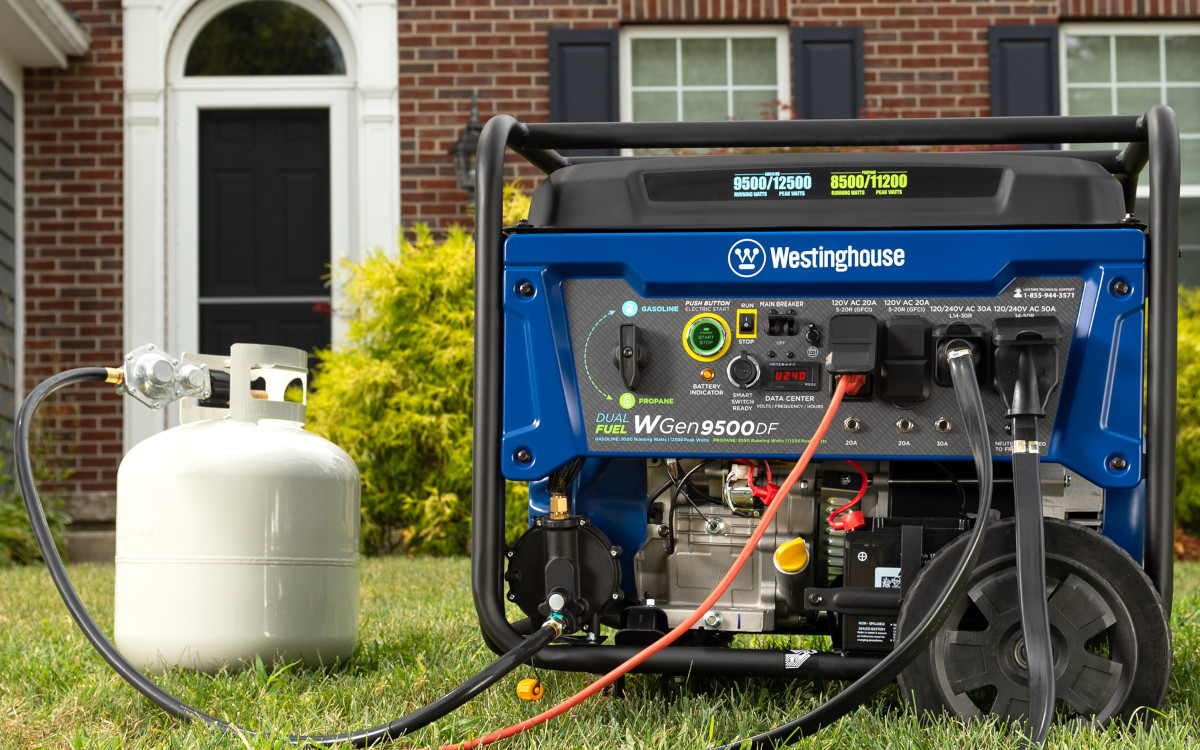
Picking what is the best generator for home use affects safety, comfort, and cost. A wrong choice can mean wasted money, noise, or unsafe electrical setups. I will walk you through practical trade-offs so you can choose a generator that fits your daily life and emergency plan.
Generators differ by fuel, output, portability, and automation. The choices include portable inverter units, larger portable generators, and automatic standby generators. Each has different roles in backup power for a home.
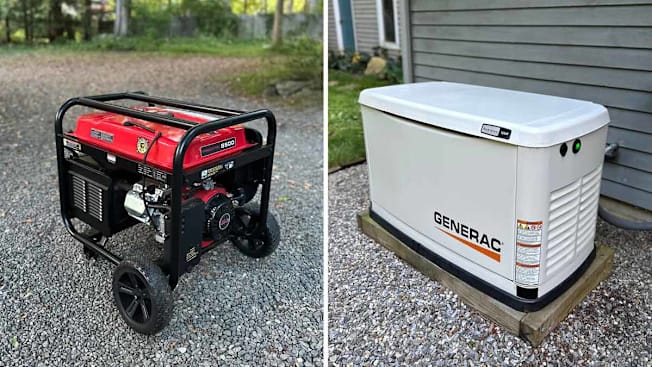
Types of generators and how they relate to what is the best generator for home use
Understanding the main types helps narrow what is the best generator for home use for your needs.
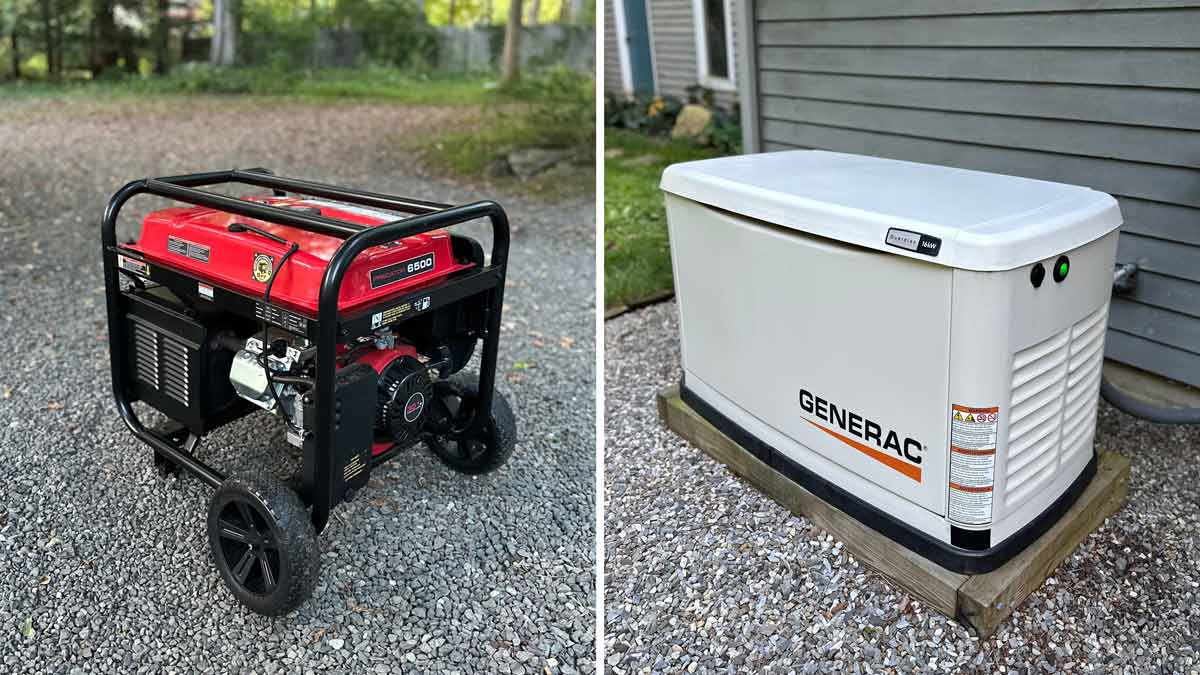
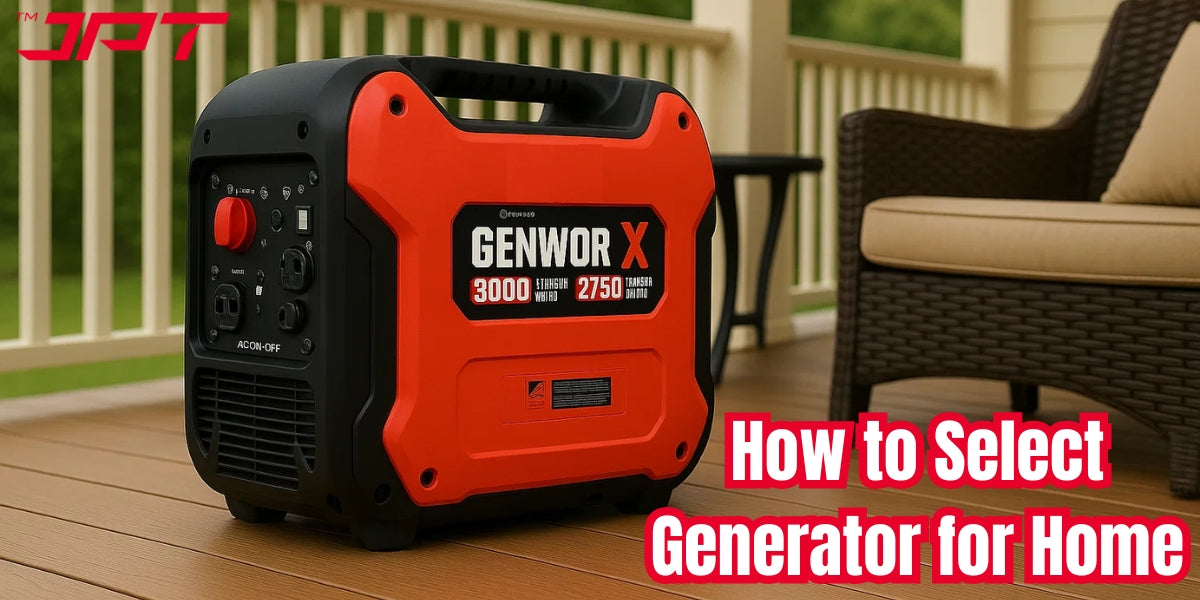
- Portable inverter generators: Quiet, fuel efficient, and safe for electronics. Best for powering essentials and camping.
- Conventional portable generators: Higher power for lower cost, but louder and less fuel efficient. Good for large tools and temporary home backup.
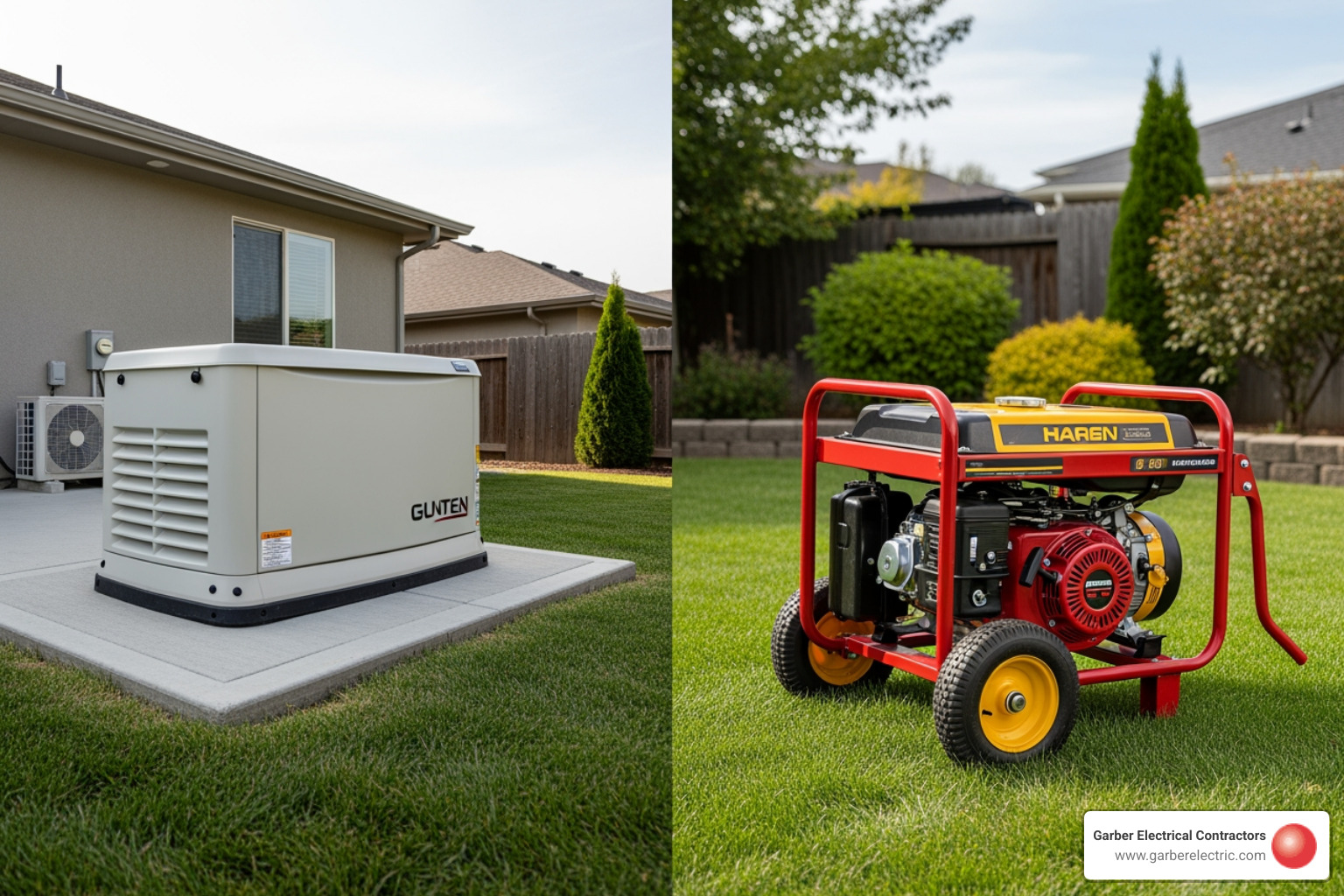
- Standby (automatic) generators: Permanently installed, run on natural gas or propane, and turn on automatically during outages. Ideal for whole-house backup.
- Dual-fuel and tri-fuel options: Allow fuel flexibility. Useful where fuel supply may be uncertain.
- Solar plus battery systems: Silent and low-maintenance for planned locations, but higher upfront cost and limited runtime without sun.
Decide which type fits your priorities when asking what is the best generator for home use. For full-house comfort and hands-off operation, standby units usually win. For budget, portability, and quieter operation, inverter generators are often best.
How to choose the right size: matching watts to home needs
Sizing is the most common mistake people make when choosing what is the best generator for home use.
- Calculate startup watts and running watts: Appliances like refrigerators and ACs draw more at startup.
- List essentials: Lights, fridge, sump pump, heating system, medical devices, and internet gear.
- Add up running watts and include the largest startup surge in your plan.
Example sizing guidance based on typical needs
- Small essentials (lights, Wi-Fi, fridge): 2,000 to 3,500 watts.
- Medium load (fridge, sump pump, some outlets): 5,000 to 7,000 watts.
- Large or partial whole-house (AC, multiple circuits): 10,000 to 20,000 watts.
- Whole-house standby: 20,000 watts and up, depending on home size.
When you ask what is the best generator for home use, consider both peak needs and future loads. Oversizing is safer than undersizing, but it raises cost.
Fuel choices, runtime, and availability
Fuel matters when deciding what is the best generator for home use. Each fuel has trade-offs.
- Gasoline: Readily available, good for portable units, but short-term storage and flammability are issues.
- Propane: Longer storage life and clean-burning. Tanks can be onsite for standby units.
- Natural gas: Good for standby units with continuous supply. No onsite refueling needed.
- Diesel: Efficient for heavy loads and long runtimes. Requires maintenance and proper storage.
- Solar and batteries: Clean and quiet. Best for supplemental power or long-term sustainability plans.
Think about local supply reliability and storage rules. In my tests, having a dual-fuel portable or a natural gas standby reduces stress during long outages.
Noise, placement, and neighborhood considerations
Noise and placement affect daily life and local rules about what is the best generator for home use.
- Portable units: Often loud. Place them away from windows and neighbors.
- Inverter models: Much quieter and suitable for closer placement.
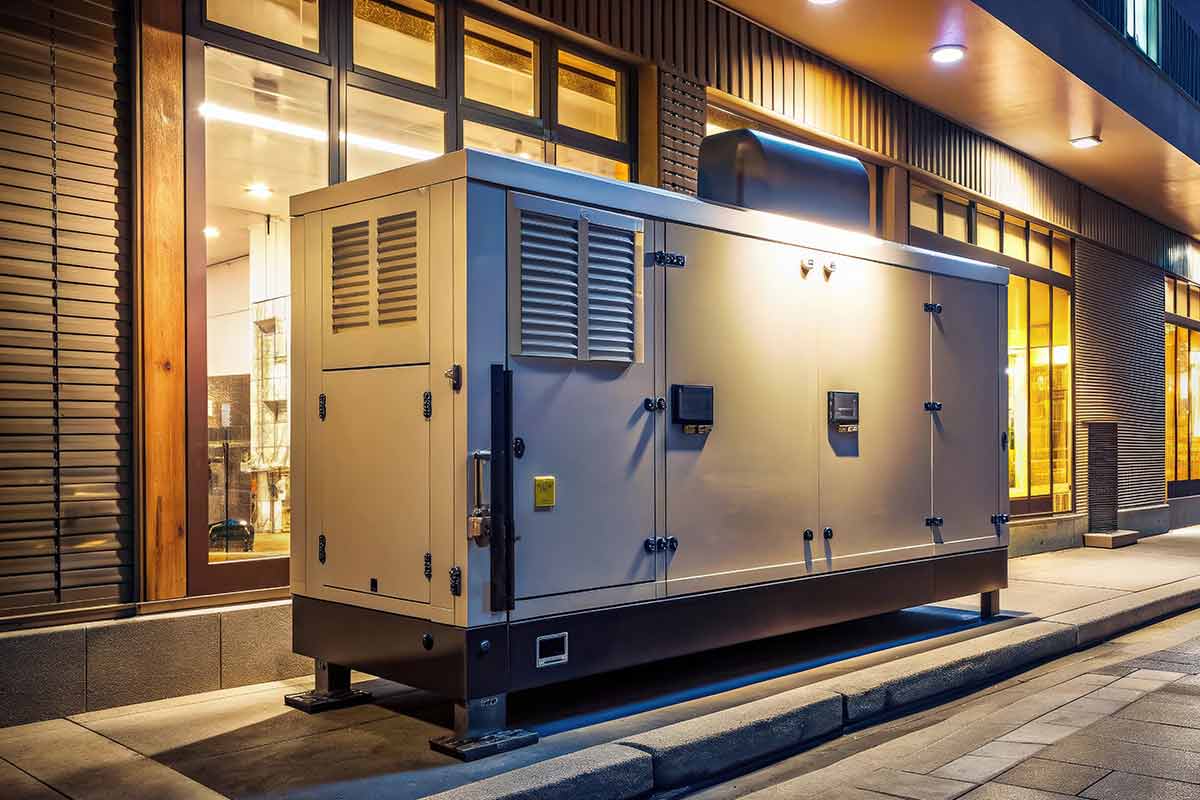
- Standby units: Quieter at similar output but need a dedicated pad near the house and proper airflow.
Check local codes and HOA rules. A generator that fits your home must also fit your property and community. From my experience, investing in a quieter inverter or sound-attenuated standby cuts neighbor complaints and stress.

Safety, transfer switches, and installation basics
Safety is critical when determining what is the best generator for home use.
- Use a transfer switch: Prevents backfeed into the grid and protects utility workers.
- Ground the generator correctly: Follow the manufacturer instructions and local codes.
- Install CO detectors: Never run a generator indoors or in a closed area.
- Hire a licensed electrician for hardwiring and standby installation.
I have seen DIY installs that created hazards. For standby units and hardwired portable setups, use pros. This reduces risks and ensures code compliance.
Maintenance, runtime tips, and longevity
Good upkeep makes your chosen unit actually be the best generator for home use over time.
- Run the generator monthly under load to keep parts lubricated.
- Change oil and filters on schedule.
- Inspect fuel lines and battery systems for corrosion or leaks.
- Store fuel safely and rotate stored fuel every 6 to 12 months for gasoline.
From hands-on tests, simple maintenance extends reliable runtime and prevents failure during storms. A well-kept generator will outlast neglected ones by years.

Cost considerations: upfront, operating, and lifetime cost
Budget affects what is the best generator for home use.
- Upfront costs: Portable inverter units can start near a few hundred dollars. Standby units can cost several thousand plus installation.
- Operating costs: Fuel, oil, maintenance, and periodic repairs add up.
- Lifetime cost: A standby unit with professional installation often has a higher initial cost but can deliver lower hassle and longer service life.
Think long term. I advise clients to compare total cost of ownership rather than just sticker price. Cheaper units can cost more in repairs and replacement over time.
Real-world recommendations and best picks by need
Here are practical picks based on common needs answering what is the best generator for home use for many homeowners.
- Best for whole-house automation: Standby generators that run on natural gas or propane for automatic switching.
- Best for quiet portable backup: Inverter generators in the 2,000 to 4,000 watt range.
- Best for heavy temporary loads: Conventional portable generators 7,000 watts and up.
- Best for variable fuel situations: Dual-fuel models that run on gasoline and propane.
- Best clean energy option: Solar plus battery systems for quiet, low-maintenance backup where feasible.
My personal experience: I used an inverter generator for weekend outages and a standby generator for full-house protection. The inverter was easy and quiet. The standby gave peace of mind and zero setup during storms.
Common questions people ask when considering what is the best generator for home use
Here are short, clear answers to common questions that help narrow the choice.
How much power do I need from a generator?
Estimate running watts and account for startup surges of big appliances. Start with a list of essentials to set a baseline.Is a portable generator safe to connect to home circuits?
Only use a transfer switch or interlock kit approved by a licensed electrician to avoid dangerous backfeed.How long will a generator run during an outage?
Runtime depends on fuel tank size and load. Many portable units run 6 to 12 hours at 50% load; standby units can run indefinitely with a steady fuel source.Are inverter generators worth the extra cost?
Yes, if you want quiet operation and clean power for sensitive electronics. They are more fuel efficient for light loads.Do I need a professional to install a standby generator?
Yes. A licensed electrician and often a plumber for fuel lines are required to meet code and ensure safe operation.
PAA-style questions and quick answers
People often ask short practical questions about what is the best generator for home use.
What is the quietest type of home generator?
Inverter generators are the quietest for their size because they adjust engine speed to load.Can a generator power my entire house?
Standby generators sized to match your home's electrical load can power an entire house, including HVAC and appliances.How often should I run my generator?
Run it monthly for 10 to 20 minutes under load. This keeps the engine and alternator in good condition.
Personal tips, mistakes to avoid, and lessons learned
I want to share honest takeaways from years of hands-on work with generators.
- Test under load before you need it. I once relied on a generator that failed because it was never tested under real conditions.
- Size conservatively for peak loads. Undersized generators trip during storms.
- Buy a transfer switch or have a pro install one. It is cheaper than fixing a bad wiring job or causing harm.
- Keep spare fuel and a plan. Fuel logistics often determine whether a generator is useful in long outages.
These small steps turned risky outages into manageable events for me and many homeowners I’ve advised.
Frequently Asked Questions of What Is The Best Generator For Home Use
What size generator do I need for a medium-sized home?
A medium-sized home often needs 5,000 to 10,000 watts for essential circuits and partial loads. Calculate individual appliance needs to choose precisely.
Are standby generators worth the investment?
Standby generators cost more but offer automatic operation, long runtimes, and convenience. They are worth it if you rely on power for health, work, or frequent outages.
How loud are inverter generators compared to conventional ones?
Inverter generators are much quieter because they lower engine speed under light load. Expect significant noise reduction, making them neighbor-friendly.
Can I run a generator indoors or in a garage?
Never run a generator indoors or in enclosed spaces. Carbon monoxide is deadly. Place units outdoors, away from doors and windows.
How often should I service my home generator?
Service it at least once a year and run brief exercises monthly. Change oil and filters per the manual or after heavy use.
Conclusion
Choosing what is the best generator for home use comes down to matching power needs, fuel access, budget, and how hands-off you want the system to be. Small inverter units fit quiet, budget needs. Standby units offer seamless whole-house backup. Portable and dual-fuel options sit between those extremes. Use sizing steps, safety measures, and routine maintenance to get reliable power when you need it most. Take one action today: list your essentials, estimate watts, and talk to a licensed installer or dealer to get a tailored recommendation. Share your situation in the comments or subscribe for deeper guides and real-world testing tips.