The quietest RV generators are inverter models like Honda, Yamaha, and Champion, typically 48–60 dBA.
I’ve spent years testing and using RV generators in campgrounds and boondocking trips. If you’re asking "What Is The Quietest Generator For Rv Use," this guide gives a clear, practical answer. I will explain noise metrics, compare the quietest generator types, show top models, and share tips to make your generator run quieter and safer. Read on to find the perfect quiet RV power solution for your needs.

How quietness is measured and what the numbers mean
Noise is measured in decibels, written as dBA. It is a logarithmic scale. A small number change can feel big to the ear.
Common readings used for RV generators
- 40–50 dBA: Very quiet. Like a quiet library or soft rain.
- 50–60 dBA: Quiet. Normal conversation at home.
- 60–70 dBA: Noticeable. Busy street noise.
When you search "What Is The Quietest Generator For Rv Use," focus on dBA at a set distance. Makers usually report noise at 7 meters or 23 feet. Look for real-world tests and user reports.

Types of generators and how they affect quietness
There are a few main types. Each type has pros and cons for quiet use.
Inverter generators
- Convert DC to clean AC power.
- Run at variable speed to match load.
- Typically the quietest choice for RVs.
Conventional portable generators
- Run at fixed speed.
- Usually louder but often cheaper.
Built-in and diesel generators
- Built into RV chassis or installed underbelly.
- Can be quiet when fitted with sound boxes, but installation matters.
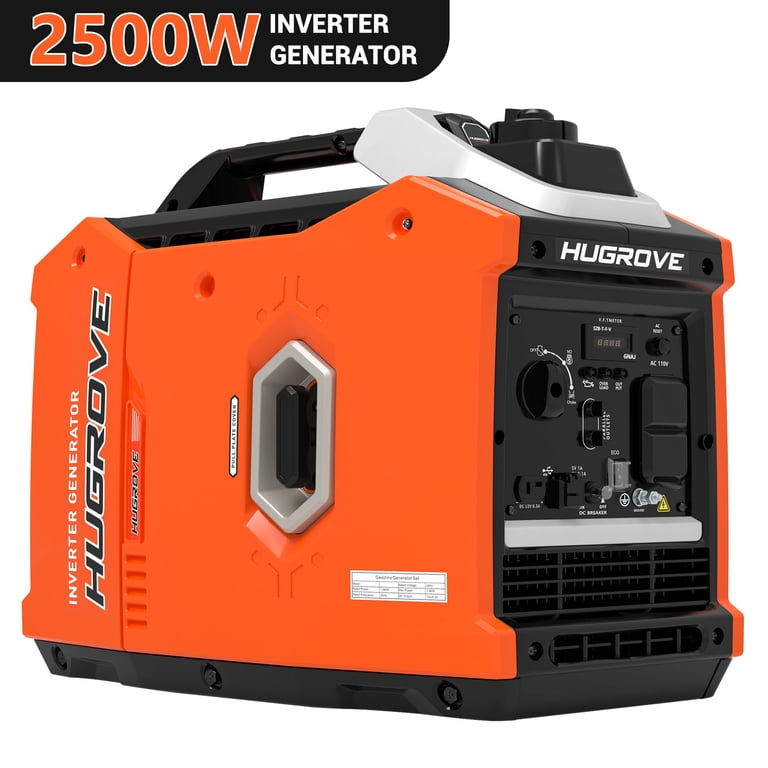
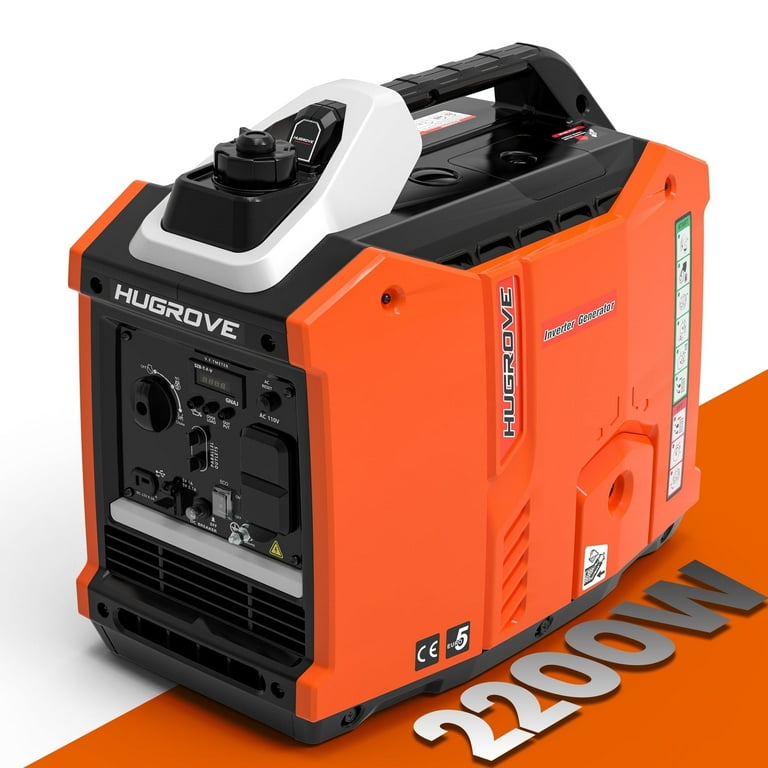
When people ask "What Is The Quietest Generator For Rv Use," the answer usually points to inverter models. They combine low noise and clean power.

Top quiet generators for RV use (practical picks)
Below are inverter models and a few built-in options that often rank as the quietest generator choices. Noise numbers vary by load and distance, so use these as a guide.
Honda EU2200i / EU2200i Companion
- Noise: around 48–57 dBA under normal use.
- Pros: very reliable, excellent fuel economy, parallel capability.
- Why it’s on the list: Honda is often the benchmark when people ask "What Is The Quietest Generator For Rv Use."
Yamaha EF2000iSv2 / EF2000iS
- Noise: roughly 51 dBA at light load.
- Pros: smooth output, compact, solid build.
- Good for small RVs and quiet campsites.
Champion 3400i / 4500i (inverter models)
- Noise: about 58 dBA under typical loads.
- Pros: value price, parallel ready, easy to service.
- A strong budget choice when quiet is required.
WEN 56203i
- Noise: around 51 dBA at 25% load.
- Pros: affordable, lightweight, low noise.
- Good starter inverter for RV owners.
Built-in diesel options with sound enclosures
- Noise: can be under 60 dBA when well installed.
- Pros: long life, good torque, integrated setup.
- Often chosen by full-timers who want a permanent and quiet solution.
When comparing models to answer "What Is The Quietest Generator For Rv Use," check rated dBA, load tests, and real-world owner feedback.
Factors that affect generator noise
Noise is not just the machine. These factors matter a lot.
- Engine speed and load
- Higher RPM and more load make more noise.
- Exhaust design and mufflers
- Better mufflers reduce sharp tones and rumble.
- Vibration and mounting
- Hard mounts transmit noise to the RV. Anti-vibration pads help.
- Enclosures and shields
- Proper boxes absorb noise, but they must also allow airflow.
- Surface and location
- Concrete reflects sound. Soft ground absorbs it.
When considering "What Is The Quietest Generator For Rv Use," think beyond the spec sheet. Real noise depends on setup and use.
How to choose the quietest generator for RV use — a checklist
Use this list before you buy. It keeps choices clear and practical.
- Noise rating in dBA
- Check numbers at a consistent distance.
- Power needs
- Size the generator for starting watts and running watts.
- Inverter vs conventional
- Choose inverter if quiet and clean power matter.
- Parallel capability
- Allows adding a second unit for more power while staying quiet.
- Weight and portability
- Lighter units are easier to store and move.
- Fuel type and run time
- Propane, gas, or diesel — consider availability and smell.
- Safety features
- Auto shutoff for low oil and CO detectors are musts.
- Budget and warranty
- Quiet units often cost more. Factor in warranty length.
Ask "What Is The Quietest Generator For Rv Use" while running this checklist. It will help you match noise and power needs.
Installation and noise-reducing tips for RV owners
Placement and kit choices cut real-world noise a lot.
- Place the generator on a flat, solid surface
- Use anti-vibration pads to reduce rattles.
- Aim the exhaust away from camp and RV openings
- Direction matters. Point exhaust downwind.
- Build or buy a sound shield designed for your model
- Do not block airflow. Heat needs escape.
- Use a generator mat
- Cuts vibration and protects surfaces.
- Keep it serviced
- A well-tuned engine runs smoother and quieter.
These simple steps answer "What Is The Quietest Generator For Rv Use" not only by choice but by smart setup.
Maintenance tips to keep noise low and performance high
A quiet generator can become noisy without care. Stay on a routine.
- Change oil and filter on schedule
- Fresh oil reduces engine wear and noise.
- Clean or replace the air filter
- A clogged filter makes engines cough and strain.
- Check spark plugs and fuel lines
- Bad plugs increase vibration and rough idle.
- Stabilize fuel for storage
- Old fuel causes rough runs and noise spikes.
I learned this the hard way. Letting fuel sit made my unit sputter and roar. Regular care keeps it quiet and reliable.
Personal experience and common mistakes to avoid
I’ve camped with both quiet inverters and loud conventional units. I learned a few truths.
- Mistake: buying the smallest unit and overloading it
- Result: noisy strain and poor power quality.
- Mistake: trusting only manufacturer dBA numbers
- Result: surprises at the campsite.
- Good habit: test the unit at home before heading out
- You will learn real noise and placement needs.
When you ponder "What Is The Quietest Generator For Rv Use," consider how you will use it. My best trips used an inverter with a parallel partner when I needed more power.
Limitations and trade-offs
There is no perfect choice. Expect trade-offs.
- Quieter units may cost more
- Lower noise often means less peak power
- Adding sound boxes can raise heat and maintenance needs
Answering "What Is The Quietest Generator For Rv Use" requires balancing noise, price, and power. Know what you can live with before buying.
Common quick questions (PAA-style)
Q: Does dBA drop with distance?
A: Yes. Sound decreases as you move away. Noise measured at 23 feet will be lower than at 7 feet.
Q: Are inverter generators always the quietest?
A: Most inverter models run quieter at light loads. But build quality and maintenance matter.
Q: Can I make an old generator quieter?
A: You can reduce noise with mufflers, pads, and proper maintenance, but limits exist.
Frequently Asked Questions of What Is The Quietest Generator For Rv Use
What is the quietest generator brand for RVs?
The quietest brands often include Honda, Yamaha, and some Champion inverter models. Those brands focus on inverter tech and good mufflers to reduce sound.
How many dBA is acceptable for campground use?
Aim for 50–60 dBA at normal distance for respectful camping. Many campgrounds have rules near this range.
Can I run a generator at night in campgrounds?
Check campground rules first. If allowed, use low idle or eco modes and position the exhaust away from neighbors to reduce disturbance.
Is an inverter generator worth the extra money?
Yes, if quiet, fuel efficiency, and clean power matter to you. Inverters also protect sensitive electronics in your RV.
How do I compare noise ratings from different makers?
Compare dBA at the same distance and under similar loads. Read real user tests for best context.
Will a soundbox void my generator warranty?
Not usually, but check the warranty terms. Some manufacturers warn against blocking vents or changing exhaust parts.
What safety devices should I pair with a generator?
Always use a CO alarm inside your RV and a carbon monoxide monitor. Also use proper grounding and transfer switches for built-in hookups.
How can I power larger RV systems quietly?
Use two parallel inverter units or choose a larger, well-insulated built-in diesel with a proper enclosure. Parallel setups allow quiet operation when load is low.
Does propane make a generator quieter?
Fuel type affects combustion noise, but not dramatically. Proper muffling and engine design are more important for noise levels.
How long should a quiet generator run at a time?
Follow the maker’s guidelines. Many inverter units run reliably for 6–12 hours on a full tank, depending on load and fuel type.
Conclusion
Choosing the quietest generator for RV use comes down to matching noise limits, power needs, and budget. Inverter models from reputable makers usually answer "What Is The Quietest Generator For Rv Use" best, but setup and maintenance shape the real outcome. Test any unit at home, size it for your true needs, and use noise-control steps like pads, proper placement, and sound shields. Take action: list your power needs, compare dBA tests, and try an inverter before long trips. Share your results or questions below and subscribe for more real-world RV power tips.