

When it comes to your vehicle, understanding how its electrical system works is crucial. You might have heard the terms “car generator” and “alternator” tossed around, but do you really know the difference?
Both play vital roles in keeping your car running smoothly, but they operate in unique ways. Choosing the right one can impact your vehicle’s performance and reliability. You’ll discover the key differences between a car generator and an alternator. You’ll learn how each component functions, their advantages, and when you might need to consider one over the other.
By the end, you’ll have the knowledge to make informed decisions about your vehicle’s electrical system. Stay with us to unlock the secrets behind these essential car parts and ensure your ride is always powered up and ready to go!

Credit: www.youtube.com
Purpose And Function
The purpose and function of car generators and alternators are crucial for your vehicle’s performance. Understanding how each component works can help you appreciate their roles in keeping your car running smoothly. Let’s break down these two essential parts to see how they contribute to your vehicle.
What Is A Car Generator?
A car generator, often referred to as a DC generator, converts mechanical energy into direct current (DC) electricity. This electricity powers your vehicle’s electrical systems and charges the battery.
In older vehicle models, generators were the primary source of electrical power. They operated at a constant voltage and provided a steady supply of electricity, especially when the engine was running. However, as car technology evolved, generators became less common.
What Is An Alternator?
The alternator, the modern replacement for the generator, produces alternating current (AC) electricity. This current is then converted to DC to charge the battery and power your car’s electrical systems.
Alternators are more efficient than generators. They can produce electricity at lower RPMs and adjust their output based on the vehicle’s power needs. This means your car can run various electrical components simultaneously, from headlights to infotainment systems.
Key Differences In Purpose
- Output Type: Generators produce DC, while alternators generate AC, making alternators more versatile.
- Efficiency: Alternators are generally more efficient and can handle higher loads without straining the engine.
- Maintenance: Generators require more upkeep, whereas alternators typically need less maintenance due to their design.
Have you ever noticed your car’s lights dimming when idling? This could indicate an issue with your alternator. Understanding the differences between these two components can help you diagnose such problems and take action before they escalate.
In your vehicle, both the generator and alternator serve to ensure your battery stays charged and your electrical systems function effectively. Recognizing which system your car uses can help you make informed decisions about maintenance and repairs.
Energy Conversion Process
The energy conversion process is key to how cars work. It involves changing one form of energy into another. In cars, this process is crucial for powering the vehicle. Understanding this helps us see the difference between a generator and an alternator.
How Generators Work
Generators convert mechanical energy into electrical energy. They do this using a rotating coil in a magnetic field. As the coil spins, it produces electricity. This electricity can then power various car components.
Generators often use direct current (DC). This means the electricity flows in one direction. DC is useful for charging batteries and running small devices.
How Alternators Work
Alternators also convert mechanical energy into electrical energy. However, they produce alternating current (AC). This type of current changes direction many times per second.
The alternator uses a rotating magnetic field. This creates more electricity than a generator. Most modern cars use alternators. They provide power while the engine runs.
Key Differences In Energy Conversion
The main difference is in the type of current produced. Generators create DC, while alternators create AC. This affects how each system charges the battery.
Generators are simpler but less efficient. They work well for older cars. Alternators are more efficient and provide more power.
Understanding these differences helps in choosing the right system. Both have their uses in different types of vehicles.
Voltage Output Differences
Car generators and alternators produce different voltage outputs. Generators typically create a higher voltage, while alternators generate a stable, lower voltage. Understanding these differences helps in choosing the right component for your vehicle’s electrical system.
Understanding the voltage output differences between car generators and alternators can significantly impact your vehicle’s performance. While both components play crucial roles in your car’s electrical system, they function differently and produce varying voltage levels. This knowledge can help you make informed choices about maintenance and upgrades.
Voltage Output Of Generators
Car generators typically produce a lower and more consistent voltage output. They work at a voltage of around 6 to 12 volts, depending on the vehicle model. You might notice that older cars equipped with generators often struggle with maintaining adequate power for modern electrical demands. This can lead to issues like dimming headlights or slow window operation, especially when using multiple electronic components at once.
Voltage Output Of Alternators
Alternators, on the other hand, generate a higher voltage output, usually around 12 to 14.5 volts. This allows them to recharge the battery more effectively and support various electrical systems in your vehicle simultaneously. If you’ve ever experienced a dead battery after leaving the lights on, an alternator’s superior voltage output can prevent such problems. It ensures that your battery remains charged even when you have multiple devices running.
Comparative Analysis
| Feature | Generator | Alternator | |——————|———————-|———————-| | Voltage Output | 6 to 12 volts | 12 to 14.5 volts | | Efficiency | Lower efficiency | Higher efficiency | | Power Supply | Consistent but limited| Variable based on RPM | This table highlights the stark contrasts in performance. Generators may offer reliability, but alternators provide the power needed for modern vehicles. Do you often find your vehicle’s battery draining faster than expected? Switching to an alternator could be the solution, ensuring that your car meets the energy demands of today’s electronics. Understanding these voltage output differences can save you from unexpected breakdowns and enhance your driving experience.
Efficiency Levels
Understanding the efficiency of car generators and alternators helps in making informed decisions. Efficiency levels show how well these devices convert energy into usable power. A higher efficiency means more power with less fuel or energy loss.
Car Generator Efficiency
Car generators were common in older vehicles. They convert mechanical energy into electrical energy. Their efficiency is often lower than that of alternators.
Generators typically operate at around 50-70% efficiency. This means a significant amount of energy is wasted. They require more maintenance due to their design.
Alternator Efficiency
Alternators are now the standard in modern cars. They are more efficient than generators. Most alternators operate at 70-90% efficiency.
This higher efficiency allows them to produce more power. They can charge batteries quickly and support electrical systems better. Less energy is wasted in the process.
Factors Influencing Efficiency
Several factors affect the efficiency of both systems. Load demand plays a crucial role. An overloaded generator or alternator can lower efficiency.
Temperature also impacts performance. High temperatures can cause energy loss. Additionally, the quality of components used affects overall efficiency.
Durability And Lifespan
Durability and lifespan are key factors in choosing between a car generator and an alternator. Understanding these aspects helps in making an informed decision. Car parts must withstand tough conditions. They face heat, vibrations, and weather changes. Knowing which option lasts longer can save money and hassle.
Car Generators: Built To Last
Car generators are known for their strong build. They can handle high loads and extreme conditions. Generators often last longer than alternators. This is due to their robust design. Many generators can operate well for over 100,000 miles.
They need less frequent repairs. Regular maintenance helps extend their lifespan. Keeping them clean and well-oiled is important. Ignoring maintenance can lead to issues. A neglected generator may fail sooner than expected.
Alternators: Efficient Yet Delicate
Alternators are lighter and more efficient. They produce power at lower engine speeds. This feature makes them popular. However, their design is more delicate. They may not last as long as generators.
Many alternators last around 80,000 to 100,000 miles. Factors like heat and vibrations can shorten their lifespan. Regular checks can help identify issues early. Replacing worn parts can improve durability.
Factors Affecting Lifespan
Several factors affect the lifespan of both options. Quality of materials used plays a big role. High-quality components lead to longer-lasting parts. Installation also matters. Proper installation ensures better performance and durability.
Driving habits impact lifespan too. Aggressive driving can wear out parts faster. Regular maintenance is crucial. Keeping the system clean and checked helps. This can maximize the lifespan of either option.
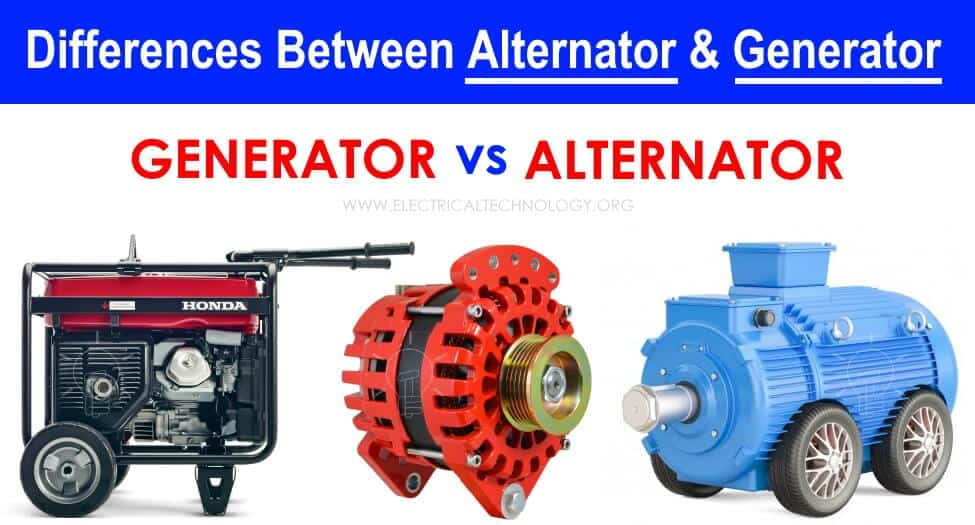
Credit: www.electricaltechnology.org
Maintenance Needs
Both car generators and alternators require maintenance. Understanding their needs helps keep your vehicle running smoothly. Let’s explore what each one requires for upkeep.
Generator Maintenance
Generators need regular checks. Look for wear and tear on belts and wires. Replace worn parts promptly. Keep the generator clean to avoid dirt buildup. Dirt can affect performance.
Check the voltage regulator too. It helps control the output. Inspect connections for corrosion. Clean any rust to ensure good contact.
Alternator Maintenance
Alternators also need attention. Start with belt inspection. A loose or worn belt can cause problems. Tighten or replace belts as needed.
Check the alternator’s electrical connections. Clean any corrosion to maintain good flow. Listen for strange noises. Unusual sounds may indicate a problem.
Test the alternator’s output regularly. A multimeter can help with this. Ensure it produces the correct voltage.
Common Maintenance Tips
Both systems benefit from regular inspections. Schedule routine checks with a mechanic. Early detection of issues can save money.
Keep the engine clean. A clean engine helps all parts function better. Change the oil regularly too. Clean oil ensures smooth operation.
Compatibility With Modern Vehicles
The compatibility of car generators and alternators with modern vehicles is crucial for ensuring optimal performance. As technology advances, the requirements of automotive electrical systems evolve. Understanding how each component fits into today’s vehicles can save you time and money.
Understanding Alternators In Modern Vehicles
Most modern vehicles utilize alternators instead of traditional generators. Alternators are more efficient, providing a continuous supply of electricity while the engine runs. They quickly recharge the battery and power various electrical components, from headlights to infotainment systems.
Since the 1960s, automakers have favored alternators due to their lightweight design and higher output. This shift means that if you drive a vehicle manufactured in the last few decades, it likely has an alternator under the hood.
Limitations Of Car Generators
Car generators, while functional in older models, are not suited for the demands of modern vehicles. They typically provide a lower voltage output and require more maintenance. In contrast, alternators are designed to handle the increasing electrical load of today’s technology.
- Generators often struggle to keep up with power-hungry features.
- They can lead to battery drain if the electrical demands exceed their output.
- Maintenance can be more frequent, causing inconvenience and costs.
Hybrid And Electric Vehicles
The emergence of hybrid and electric vehicles introduces a new layer of complexity. These vehicles often use advanced electrical systems that rely on high-capacity batteries and sophisticated charging systems. Alternators still play a role in hybrids, but they are often paired with regenerative braking systems to maximize efficiency.
Electric vehicles, on the other hand, typically do not use either component in the traditional sense. Instead, they depend on electric motors and dedicated battery packs to provide power. Understanding this difference can help you make informed decisions about vehicle maintenance.
Future Trends In Automotive Electrical Systems
As automotive technology advances, the role of alternators and generators will likely continue to evolve. Innovations in battery technology and energy management systems could redefine how vehicles generate and use electrical power. Are you ready to adapt to these changes?
Keeping up with these trends ensures your vehicle remains compatible with future technologies. Understanding the differences between generators and alternators can save you money and improve your driving experience.
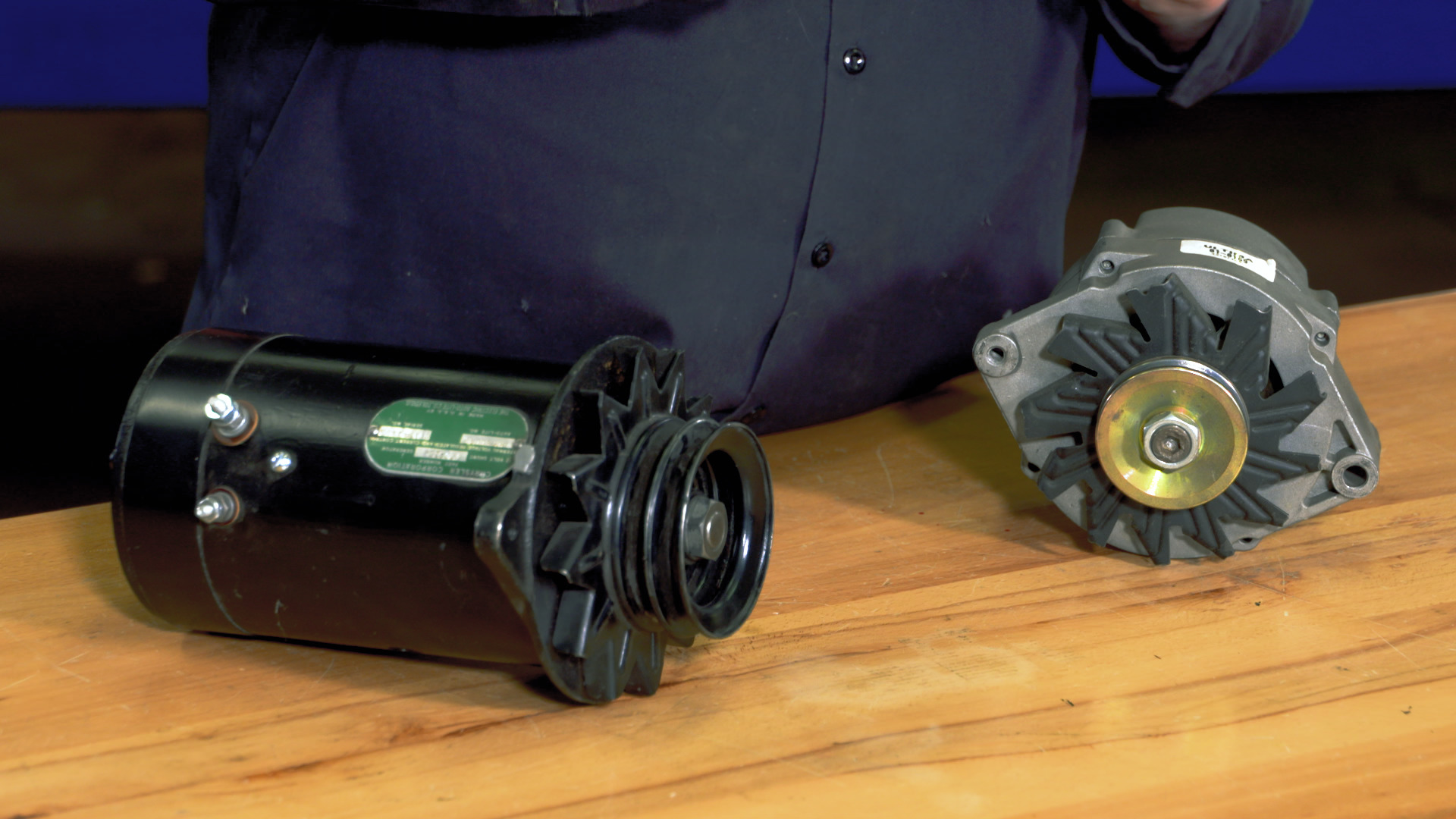
Credit: www.classiccarrestorationclub.com
Cost And Affordability
Understanding the cost and affordability of car generators and alternators is crucial for any vehicle owner. Making the right choice can save you money in the long run. Let’s break down what you need to know about the expenses involved in both options.
Initial Purchase Costs
When you consider buying a car generator, the initial cost can vary widely. A basic generator might cost anywhere from $300 to $1,000, depending on the brand and features.
On the other hand, alternators usually range from $100 to $500. Their affordability makes them a popular choice among many car owners.
Installation Expenses
Installation costs can add up quickly. Generators often require specialized installation, which can increase labor costs significantly.
Alternators, however, are generally easier to install. If you’re handy, you might even do it yourself, saving you more money.
Maintenance And Repair Costs
Maintenance is another factor to consider. Generators may need more frequent servicing, especially if used regularly. This can lead to higher long-term costs.
Alternators tend to be more reliable and require less maintenance. This reliability translates to fewer repair costs over time.
Resale Value
Have you thought about resale value? Generators can depreciate faster than alternators. If you plan to sell your vehicle in the future, an alternator might be the better investment.
Investing in an alternator could mean retaining more value when it’s time to upgrade or sell your car.
Final Thoughts On Cost
Consider your budget and long-term needs carefully. A generator might seem appealing due to its power, but the overall cost can add up. An alternator offers a more affordable, low-maintenance option.
What matters most to you—initial cost, installation ease, or long-term reliability? Your priorities will guide your decision.
Historical Use And Evolution
The historical use and evolution of car generators and alternators reveal fascinating insights into automotive technology. Understanding their journey not only highlights their importance but also sheds light on how they have shaped the vehicles we drive today. Let’s take a closer look at how these two components have developed over time.
Early Generators: The Dawn Of Automotive Power
The first automobiles relied on simple generators to supply electrical power. These early models used a direct current (DC) system, which was efficient for their time. However, as cars became more complex, the limitations of generators became apparent.
Initially, these generators charged the car’s battery and powered basic electrical components. As you drove, your vehicle’s performance depended heavily on the generator’s ability to maintain battery charge. But, drivers soon found themselves dealing with dim lights and sluggish starts.
The Shift To Alternators: A Game Changer
In the 1960s, the introduction of the alternator changed everything. Unlike generators, alternators produce alternating current (AC), which is more efficient for modern vehicles. This transition allowed cars to handle increased electrical demands from advanced features like air conditioning and infotainment systems.
Today, most vehicles use alternators due to their higher output and reliability. You might have experienced a car that simply wouldn’t start; the culprit could very well be an aging alternator that couldn’t keep up with your vehicle’s power needs.
Technological Advancements: Efficiency At Its Best
As technology progressed, alternators have seen significant improvements. Modern alternators are lighter, more compact, and designed to produce more power at lower RPMs. This development not only enhances performance but also improves fuel efficiency.
Have you ever wondered how your car can power so many electronic devices without draining the battery? That’s the result of these advancements in alternator technology, ensuring you have the power you need when you need it.
Current Trends: Eco-friendly Innovations
Recent trends indicate a push towards eco-friendly solutions in automotive design. Regenerative braking systems and hybrid vehicles showcase how alternators are evolving to meet sustainability goals. These innovations highlight the importance of adapting technology to reduce environmental impact.
As you consider your next vehicle purchase, think about how these advancements affect your driving experience. Are you ready to embrace the future of automotive technology?
Choosing The Right Option
Choosing between a car generator and an alternator can be confusing. Each has its strengths. Understanding these helps make a better choice.
Understanding Your Vehicle’s Needs
Every vehicle has different power needs. Consider what you drive. A generator works well for older cars. It provides steady power at low speeds.
Alternators are common in modern vehicles. They charge the battery while the engine runs. They are efficient and lightweight.
Evaluating Performance Factors
Performance matters when choosing. Generators can handle heavy loads. They produce a consistent output. This is good for classic cars or heavy machinery.
Alternators can handle high RPMs. They provide a strong current at higher speeds. This is ideal for daily driving.
Considering Maintenance And Lifespan
Maintenance varies between the two options. Generators may need more upkeep. They have more moving parts that can wear out.
Alternators are generally low maintenance. They last longer with proper care. Less frequent checks make them appealing for many drivers.
Budget And Cost Effectiveness
Cost can influence your choice. Generators can be more expensive upfront. However, they may last longer in certain conditions.
Alternators are usually cheaper and easier to find. They fit most modern vehicles and parts are widely available.
Frequently Asked Questions
What Is The Main Difference Between A Generator And An Alternator?
Generators convert mechanical energy into electrical energy. Alternators generate alternating current, while generators produce direct current.
Do Cars Use Generators Or Alternators?
Most cars use alternators. They are more efficient and provide better performance compared to traditional generators.
How Does An Alternator Work In A Car?
An alternator uses a rotating magnetic field to produce electricity. It charges the battery and powers electrical systems.
Can A Car Run Without An Alternator?
A car cannot run efficiently without an alternator. It will rely on the battery until it dies.
What Are The Signs Of A Bad Alternator?
Signs include dim lights, a dead battery, or strange noises. These indicate that the alternator may not be working.
How Long Does An Alternator Last In A Car?
An alternator typically lasts between 80,000 to 150,000 miles. Regular maintenance can extend its lifespan.
Can You Replace An Alternator Yourself?
Yes, replacing an alternator is possible for those with basic mechanical skills. Follow a guide for the best results.
What Happens If You Overcharge A Car Battery?
Overcharging can damage the battery and reduce its lifespan. It may also cause leaks or swelling.
Is A Generator Better Than An Alternator For Cars?
For cars, alternators are usually better. They are lighter, more efficient, and require less maintenance.
How Do I Know If My Alternator Needs Replacement?
Look for warning lights on your dashboard, battery issues, or unusual sounds. These may indicate a failing alternator.
Conclusion
Choosing between a car generator and an alternator is important. Both serve different purposes. Generators provide power at low speeds. Alternators work better at high speeds. Understanding these differences helps you make the right choice. Consider your vehicle’s needs. An alternator is often more efficient.
It charges the battery while the engine runs. A generator might suit older vehicles better. Evaluate your options carefully. Your choice impacts performance and reliability. Make an informed decision for a smoother driving experience.