

Is your generator running efficiently, or is it silently costing you more than it should? If you’ve noticed higher energy bills or unexpected generator shutdowns, the culprit might be your power factor.
Correcting the power factor of a generator isn’t just a technical tweak—it’s a smart move that can save you money, improve performance, and extend your equipment’s lifespan. You’ll learn simple, practical ways to identify power factor issues and how to fix them effectively.
Ready to boost your generator’s efficiency and keep your operations running smoothly? Let’s dive in!
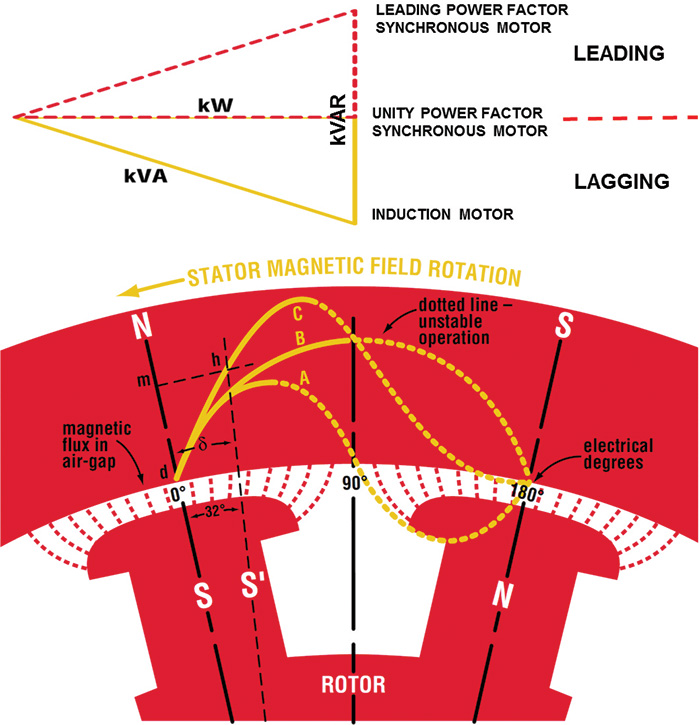
Credit: www.pumpsandsystems.com
Power Factor Basics
Improving a generator’s power factor reduces wasted energy and lowers electricity costs. Adding capacitors or synchronous condensers can correct lagging power factor effectively. This helps the generator run more efficiently and extends its lifespan.
What Is Power Factor?
Power factor shows how efficiently a generator uses electricity. It is the ratio of real power to apparent power. Real power does actual work. Apparent power is the total power supplied. A power factor close to 1 means less wasted energy.
Why Power Factor Matters
Low power factor causes energy loss and higher bills. It makes the generator work harder and wear out faster. Improving power factor saves money and protects equipment. It helps the generator deliver power smoothly and efficiently.
How Power Factor Affects Generators
Generators with low power factor use more current than needed. This extra current heats wires and parts, causing damage. It also reduces the generator’s capacity to supply power. Correcting power factor lowers current and increases generator life.
Effects Of Low Power Factor
Low power factor in a generator causes several problems that affect performance and efficiency. It means the generator draws more current than necessary for the actual work done. This extra current leads to wasted energy and higher operating costs.
Understanding these effects helps in taking proper steps to correct the power factor. It also protects the generator and connected equipment from damage.
Increased Energy Loss
Low power factor causes higher current flow in the generator. This extra current heats up wires and components. More heat means more energy wasted as heat loss. The generator uses more fuel to produce the same output.
Reduced Generator Capacity
Generators have limits on how much current they can safely deliver. Low power factor means more current for the same power. This reduces the generator’s ability to supply additional loads. The generator may reach its limit sooner and need an upgrade.
Voltage Drop And Instability
Excess current from low power factor causes voltage drops in the system. Voltage drops reduce the voltage available to machines and lights. This can cause poor performance and malfunction of sensitive equipment. Voltage instability may also damage the generator.
Higher Utility Charges
Many electric utilities charge extra for low power factor. They see it as inefficient use of power. These charges increase the cost of running the generator. Correcting power factor can reduce these extra fees and save money.
Increased Wear And Tear
Operating under low power factor stresses the generator’s components. Bearings, windings, and insulation face higher electrical and thermal stress. This leads to faster aging and more frequent maintenance needs. The generator’s life span shortens without correction.
Measuring Generator Power Factor
Measuring the power factor of a generator is a key step in ensuring efficient operation. Power factor shows how effectively the generator uses electricity. It is the ratio of real power to apparent power. A low power factor means wasted energy and higher costs.
Accurate measurement helps identify if correction is needed. It also guides the right method to improve power factor. Understanding how to measure power factor is essential for maintaining generator health and saving energy.
What Is Generator Power Factor?
Generator power factor is the ratio of real power (kW) to apparent power (kVA). It indicates how much of the electricity is used for useful work. A power factor of 1 means all power is used effectively. Less than 1 means some power is wasted as reactive power.
Tools Used To Measure Power Factor
Common tools include power meters and clamp meters with power factor functions. These instruments measure voltage, current, and phase angle. The phase angle helps calculate the power factor accurately. Some advanced meters display power factor directly.
Steps To Measure Power Factor
First, connect the power meter to the generator output. Next, turn on the generator and load it with a typical electrical load. Then, read the voltage and current values from the meter. Finally, note the power factor reading displayed or calculate it using the formula PF = kW / kVA.
Interpreting Power Factor Measurements
A power factor near 1 means efficient power use. Values below 0.9 suggest a need for correction. Low power factor causes higher losses and can overload the generator. Regular measurement helps maintain good performance and prevent damage.
Common Causes Of Poor Power Factor
Poor power factor causes energy loss and higher electricity bills. It affects generator efficiency and increases wear and tear. Identifying common causes helps fix power factor problems effectively.
Several factors lead to poor power factor in generators. These factors often come from the type of load connected to the generator. Understanding these causes is essential for proper correction methods.
Inductive Loads
Inductive loads like motors and transformers cause low power factor. They draw reactive power that does not perform useful work. This causes current to lag behind voltage, lowering power factor.
Capacitive Loads
Capacitive loads generate reactive power leading the voltage. This also reduces power factor, but this time the current leads the voltage. It is less common but still affects generators.
Unbalanced Loads
Unequal load distribution across phases causes unbalanced current. This leads to power factor drops and voltage instability. Unbalanced loads increase losses in the generator and wiring.
Harmonic Distortion
Non-linear loads create harmonics in the electrical system. Harmonics distort current and voltage waveforms. This distortion lowers the overall power factor and stresses generator components.
Under-loaded Generators
Running a generator below its rated capacity lowers power factor. The generator operates inefficiently with higher reactive power. This wastes fuel and increases operational costs.
Capacitor Banks For Correction
Capacitor banks play a vital role in correcting the power factor of a generator. They help reduce the reactive power and improve the efficiency of the electrical system. By adding capacitors, the generator operates closer to its ideal power factor, which saves energy and reduces losses.
These banks consist of multiple capacitors connected together to provide the necessary reactive power compensation. They are often installed near the generator or at the load side to balance the inductive loads. The size and number of capacitors depend on the amount of correction required.
What Are Capacitor Banks?
Capacitor banks are groups of capacitors linked in parallel or series. They supply reactive power to the system, which helps offset the inductive effects of motors and transformers. This balance improves the power factor and reduces the strain on the generator.
How Capacitor Banks Improve Power Factor
Inductive loads cause the current to lag behind voltage, lowering the power factor. Capacitor banks provide leading reactive power that cancels out this lag. This action reduces the total current drawn from the generator and improves voltage stability.
Placement Of Capacitor Banks
Installing capacitor banks near the generator or at load centers is common practice. Proper placement ensures effective compensation and reduces transmission losses. It also prevents generator overheating and maintains stable output voltage.
Choosing The Right Capacitor Bank Size
Calculating the required capacitor size depends on the reactive power demand. Engineers analyze the load and measure power factor to select suitable capacitors. Oversized banks can cause overcorrection, so careful sizing is important.

Credit: vfds.com
Using Synchronous Condensers
Using synchronous condensers is a practical way to correct the power factor of a generator. A synchronous condenser is a type of synchronous motor running without mechanical load. It adjusts the reactive power in the system by either absorbing or supplying it. This helps maintain voltage stability and improves power factor.
Synchronous condensers can provide flexible and continuous power factor correction. They respond quickly to changes in load and system conditions. This makes them ideal for large generators and complex power systems.
How Synchronous Condensers Work
Synchronous condensers operate by controlling their excitation current. Increasing excitation makes them act like capacitors, supplying reactive power. Decreasing excitation causes them to absorb reactive power, acting like inductors. This balance helps maintain a near unity power factor, reducing losses in the generator and the electrical network.
Benefits Of Using Synchronous Condensers
They offer smooth and adjustable power factor correction. Unlike fixed capacitors, synchronous condensers can handle varying loads effectively. They improve voltage regulation and reduce the risk of voltage collapse. This leads to better generator efficiency and longer equipment life.
Installation And Maintenance Considerations
Synchronous condensers require space and skilled maintenance. Their initial cost is higher than capacitor banks. Regular inspections and proper control systems are necessary for optimal performance. Despite this, their flexibility and reliability make them worthwhile for many generator applications.
Calculating Correction Requirements
Calculating correction requirements is a key step in improving a generator’s power factor. It helps determine the exact amount of correction needed. Accurate calculation avoids overcorrection or undercorrection, saving money and protecting equipment.
This process involves measuring current power factor, load power, and reactive power. These values help find the size and type of correction device required. Capacitors are most common for correction, but synchronous condensers may also be used.
Measuring Existing Power Factor
Start by measuring the generator’s current power factor. Use a power meter or analyzer to get real and apparent power readings. The power factor equals real power divided by apparent power. This shows how much power is effectively used.
Calculating Reactive Power
Reactive power causes a low power factor. Calculate it using load power and power factor angle. Reactive power equals apparent power times the sine of the power factor angle. This value guides the size of capacitors needed.
Determining Correction Capacitor Size
Choose capacitors to supply reactive power that cancels the load’s reactive power. Calculate capacitor size by dividing reactive power by the capacitor voltage. This ensures the power factor reaches near unity without overshoot.
Verifying Corrected Power Factor
After installing correction devices, measure the power factor again. It should be closer to 1, showing efficient power use. Adjust capacitor size if power factor is still low or too high. Proper correction improves generator performance and reduces losses.
Placement Of Correction Devices
Correcting the power factor of a generator improves efficiency and reduces energy losses. Placement of correction devices plays a vital role in achieving the best results. Proper location ensures stable voltage and protects the generator from overload.
Choosing the right spot for capacitors or synchronous condensers depends on the system layout. Correct placement minimizes the reactive power flow and optimizes performance.
Placement Near The Generator
Installing correction devices close to the generator reduces transmission losses. It helps maintain voltage stability at the source. This setup improves the overall power factor before electricity reaches the load.
Placement At The Load
Placing capacitors near inductive loads directly cancels out reactive power. This reduces the current drawn from the generator. It also lowers the demand on the generator and improves efficiency.
Centralized Vs Distributed Placement
Centralized placement involves installing correction devices at one point in the system. Distributed placement means placing several smaller devices near different loads. Distributed correction offers better control and reduces line losses.
Considerations For Safety And Maintenance
Choose locations that are easy to access for maintenance. Ensure devices are protected from environmental damage. Proper placement reduces risks of faults and extends equipment life.
Benefits Of Improved Power Factor
Improving the power factor of a generator brings many practical benefits. It helps the system run more efficiently and lowers energy losses. A better power factor means less wasted electricity and smoother operation of electrical devices. This improvement saves money and extends the life of your equipment.
Correcting power factor also reduces the load on the generator. This lowers the risk of overheating and damage. It allows the generator to deliver power more effectively without extra strain. As a result, maintenance costs go down, and the system stays reliable for longer periods.
Reduced Energy Bills
Improved power factor means less wasted power. Your generator uses electricity more efficiently. This reduces the amount of power you pay for. Lower energy bills help save operating costs over time.
Increased Generator Capacity
Better power factor frees up generator capacity. It can supply more usable power to your loads. This avoids the need for bigger or extra generators. You get more from the same equipment.
Decreased Heat And Wear
Correcting power factor reduces electrical losses. Less heat builds up inside the generator. This lowers wear on parts and improves reliability. Equipment lasts longer with fewer breakdowns.
Improved Voltage Stability
Good power factor keeps voltage levels steady. This protects sensitive devices from voltage drops. It ensures smooth and stable operation of all connected equipment.

Credit: www.zddqelectric.com
Maintenance And Monitoring Tips
Maintaining and monitoring the power factor of a generator is essential for efficient operation and long equipment life. Regular checks help identify issues early and keep the system running smoothly. Simple maintenance routines reduce energy loss and prevent costly repairs.
Monitoring tools provide real-time data on power factor levels. This data guides timely adjustments and improves overall performance. Consistent care ensures the generator meets its power demands without strain.
Regular Inspection Of Capacitors
Capacitors play a key role in correcting power factor. Check them often for signs of wear or damage. Replace faulty capacitors immediately to avoid poor power factor. Clean capacitor terminals to maintain good electrical contact.
Use Of Power Factor Meters
Install power factor meters on the generator panel. These meters show the current power factor value. Track changes to spot problems early. Set alarms to notify when power factor falls outside safe limits.
Scheduled Generator Testing
Test the generator under load at regular intervals. Measure voltage, current, and power factor during the test. Compare results with manufacturer specifications. Testing helps confirm if power factor correction is working properly.
Maintain Load Balance
Uneven loads reduce power factor efficiency. Balance the load across all generator phases. Avoid running the generator at very low loads for long periods. Balanced loads improve power factor and reduce wear.
Keep Connections Tight And Clean
Loose or dirty electrical connections cause power loss. Inspect all wiring and terminals regularly. Tighten loose connections and clean off any corrosion. Good connections support stable power factor correction.
Frequently Asked Questions
How To Correct Power Factor In Generator?
Correct power factor in a generator by adding shunt capacitors or using a synchronous condenser. These reduce reactive power. Adjust capacitor size to match inductive load. Monitor power factor to avoid leading conditions. This improves efficiency and prevents generator overload.
How Can We Correct The Power Factor?
Correct power factor by adding capacitors or synchronous condensers to offset inductive loads. This reduces reactive power and improves efficiency.
How Do You Calculate Power Factor Correction?
Calculate power factor correction by finding the difference between desired and current power factor. Use: Correction kVAR = kW × (tan θ1 – tan θ2), where θ1 and θ2 are the angles of current and desired power factors. Add capacitors to supply the correction kVAR.
Does Power Factor Correction?
Power factor correction reduces reactive power in electrical systems using capacitors or synchronous condensers. It improves efficiency and lowers energy costs.
What Is Power Factor Correction For A Generator?
Power factor correction improves a generator’s efficiency by reducing wasted energy in the system.
Why Is Power Factor Important In Generators?
A good power factor lowers energy losses and prevents extra charges on electricity bills.
How Can Power Factor Of A Generator Be Corrected?
Using capacitors or synchronous condensers helps balance the reactive power and improve power factor.
What Causes Low Power Factor In Generators?
Inductive loads like motors and transformers cause low power factor by creating reactive power.
How Do Capacitors Help In Power Factor Correction?
Capacitors supply reactive power locally, reducing the load on the generator and improving power factor.
Can Power Factor Correction Increase Generator Life?
Yes, it reduces overheating and stress on the generator, extending its operational life.
Conclusion
Correcting the power factor of a generator improves its efficiency and lifespan. It reduces energy loss and lowers electricity costs. Using capacitors or synchronous condensers helps achieve this correction. Proper power factor keeps the generator running smoothly and prevents overheating.
Always monitor the power factor regularly to maintain optimal performance. Simple steps can lead to significant savings and better energy use. Understanding and managing power factor benefits both your equipment and your budget.