
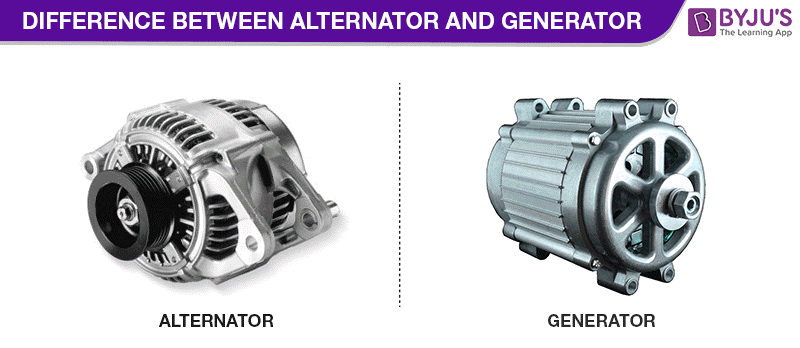
When it comes to generating electricity, you may have heard the terms “DC generator” and “alternator” tossed around. But what do they really mean for you and your needs?
Both devices play crucial roles in powering everything from your car to your home. Understanding their differences can help you make informed decisions, whether you’re working on a DIY project or simply curious about how your devices work. We’ll break down the key features of DC generators and alternators, helping you grasp their unique benefits and applications.
By the end, you’ll have a clearer picture of which option suits your requirements best. So, let’s dive in and unlock the secrets behind these essential power sources!
Basic Functionality
Understanding the basic functionality of DC generators and alternators is crucial for anyone working with electrical systems. Both devices play a significant role in converting mechanical energy into electrical energy, but they do so in different ways. This knowledge can help you make informed decisions, whether you’re troubleshooting an issue or selecting the right equipment for your needs.
How A Dc Generator Works
A DC generator operates by converting mechanical energy into direct current (DC) electricity. It uses a rotating coil within a magnetic field, which induces an electric current. This current flows in a single direction, making it ideal for applications that require steady voltage.
In practical terms, think about how a simple bicycle dynamo works. As you pedal, the dynamo spins, generating DC electricity to power your bike lights. This straightforward mechanism is what keeps your lights shining steadily as you ride.
How An Alternator Works
An alternator, on the other hand, generates alternating current (AC) electricity. It also uses a rotating coil, but the current produced alternates in direction. This means that the voltage output can vary, which is useful for powering devices that can handle fluctuations.
Consider your car’s alternator. It converts mechanical energy from the engine into AC power, which is then transformed into DC to charge the battery. This process is essential for keeping your car’s electrical systems running smoothly.
Key Differences In Functionality
- Current Type:DC generators produce direct current, while alternators produce alternating current.
- Applications:DC generators are often used in applications requiring steady voltage, such as battery charging. Alternators are commonly found in vehicles and larger power systems.
- Efficiency:Alternators generally have a higher efficiency at various speeds compared to DC generators.
Have you ever thought about how these differences affect your daily life? From powering your home appliances to keeping your vehicle running, understanding these devices can enhance your appreciation for the technology that surrounds you.
Choosing between a DC generator and an alternator often comes down to your specific needs. Each has its own unique strengths that make it suitable for different situations. Knowing how they work can guide you in making the right choice for your projects.
Construction Design
The construction design of DC generators and alternators plays a crucial role in their functionality and application. Understanding the differences can help you choose the right equipment for your needs. Let’s break down the key elements of their designs.
Dc Generator Design
A DC generator typically consists of a rotor, stator, and commutator. The rotor, or armature, rotates within a magnetic field created by field windings. This setup converts mechanical energy into electrical energy through electromagnetic induction.
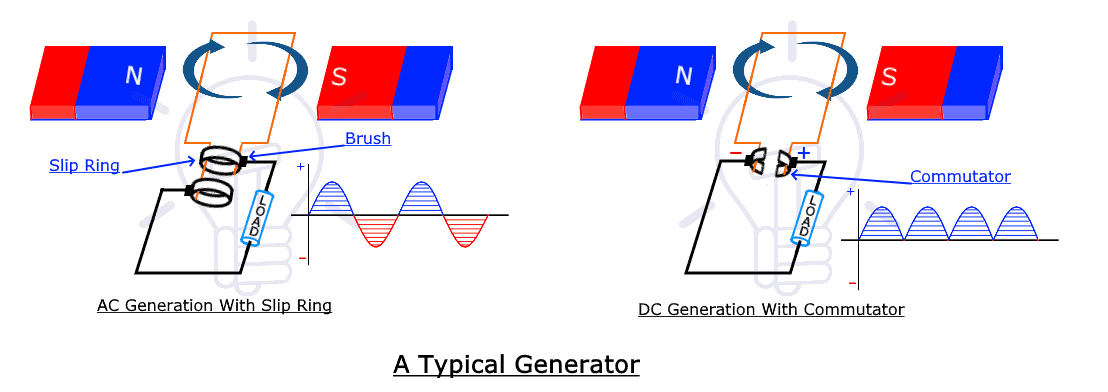
The commutator is a unique feature of DC generators. It converts the alternating current generated in the armature into direct current, making it essential for applications that require a steady power supply.
Alternator Design
In contrast, an alternator has a simpler design. It consists of a rotor and a stator, but it does not use a commutator. Instead, the rotor spins inside the stator, generating alternating current directly.
Alternators often have a more robust construction. They are designed to handle higher speeds and voltages, making them suitable for vehicles and power plants. Their efficiency is a significant advantage in many applications.
Comparison Of Components
| Component | DC Generator | Alternator |
|---|---|---|
| Output Type | Direct Current | Alternating Current |
| Commutator | Yes | No |
| Efficiency | Lower | Higher |
| Applications | Battery charging, small motors | Vehicles, power generation |
Each design has its advantages depending on the application. If you require a stable power source for sensitive electronics, a DC generator might suit you better. On the other hand, if efficiency and versatility are priorities, an alternator could be the way to go.
Have you ever considered how the choice of generator impacts your project? Understanding these differences can lead to better decision-making and optimized performance.
Energy Conversion Process
The energy conversion process is at the heart of how electrical systems work, whether you’re powering a small gadget or an entire city. Understanding how DC generators and alternators convert mechanical energy into electrical energy can help you appreciate the technology behind everyday devices. This section will break down the specific processes involved in each system.
Dc Generators: How They Work
DC generators convert mechanical energy into direct current (DC) electricity. They use a simple process involving coils of wire and a magnetic field. As the coil spins within the magnetic field, electrons move through the wire, creating a flow of direct current.
The core components include:
- Armature:The rotating coil that produces electricity.
- Magnetic Field:Usually generated by permanent magnets or electromagnets.
- Commutator:This ensures the current flows in one direction.
Imagine starting a small generator to charge your phone. As you crank the handle, the armature spins, producing the energy needed to power your device. It’s a straightforward, effective process.
Alternators: The Conversion Process
Alternators, on the other hand, generate alternating current (AC) electricity. They work similarly to DC generators but with a key difference in output. Instead of a commutator, they use slip rings that allow the current to alternate direction.
Key components of an alternator include:
- Stator:The stationary part that houses the coils.
- Rotor:The rotating component that creates the magnetic field.
- Rectifier:Converts AC to DC if needed.
Think about how your car’s alternator keeps the battery charged. As the engine runs, the rotor spins, generating AC electricity that powers your vehicle’s electrical systems. This efficient process keeps everything running smoothly.
Comparing Efficiency And Applications
Both DC generators and alternators have their unique strengths and weaknesses. DC generators are often simpler and cheaper, making them suitable for small-scale applications. In contrast, alternators are more efficient for larger power needs.
Consider your specific energy needs:
- Use a DC generator:For small electronics and battery charging.
- Choose an alternator:For automotive applications and large power supplies.
Which one fits your requirements better? Understanding these differences can help you make informed decisions about your energy sources.

Credit: www.youtube.com
Current Output
Understanding current output is important. It shows how much electric power a device can produce. Both DC generators and alternators have different ways of generating power. Let’s explore their current output.
Dc Generator Output
DC generators produce direct current (DC). This type of current flows in one direction. They can provide a steady output. The output depends on the speed and design. The more turns in the coil, the higher the output. DC generators are often used in small applications.
Alternator Output
Alternators generate alternating current (AC). This current changes direction periodically. They can produce a higher output than DC generators. Alternators work well in larger systems, like cars and power plants. They are efficient and can handle varying loads.
Comparing Output Strength
Output strength varies between the two. DC generators are better for low power needs. Alternators excel in high power situations. The design of each affects their output. Choose based on the power requirement of your project.
Efficiency Factors
Efficiency plays a big role in output. Alternators tend to be more efficient than DC generators. They can convert more mechanical energy into electrical energy. This makes them a preferred choice for many applications.
Commutator Vs Slip Rings
Understanding the difference between commutators and slip rings is important. Both parts play key roles in electric machines. They help in converting mechanical energy into electrical energy. Yet, their functions and designs vary greatly.
What Is A Commutator?
A commutator is a device found in DC generators. It helps convert alternating current into direct current. The commutator works with brushes that touch its surface. This action ensures the current flows in one direction. It consists of segments of conductive material. These segments are insulated from each other. This design is crucial for the functioning of DC machines.
How Does A Commutator Work?
The commutator rotates with the armature. As it turns, it switches the connection of the winding. This connection change happens every half turn. It keeps the output current consistent. The brushes maintain contact with the rotating commutator. This action allows for smooth operation and efficiency.
What Are Slip Rings?
Slip rings are used in AC generators and alternators. Unlike commutators, they allow continuous flow of current. Slip rings provide a connection to the rotating part of the machine. They are made of conductive rings. These rings connect to brushes that remain stationary.
How Do Slip Rings Function?
Slip rings ensure that the current remains alternating. As the rotor spins, the brushes stay in contact with the rings. This design allows for continuous electrical output. There is no interruption in the power flow. This feature is essential for AC applications. It contributes to the smooth operation of alternators.
Key Differences
The main difference lies in their function. Commutators convert AC to DC. Slip rings maintain AC flow. Their construction also differs. Commutators have segmented designs. Slip rings are smooth and continuous. These features impact their application in machines.
Efficiency And Performance
Efficiency and performance are crucial when comparing DC generators and alternators. Understanding these aspects helps you choose the right option for your needs. Let’s dive into how each device performs in real-world applications.
Efficiency Of Dc Generators
DC generators convert mechanical energy into direct current. They usually operate at around 60-90% efficiency depending on their design and load conditions. Their efficiency can drop significantly under variable loads, which may not meet your power requirements reliably.
For instance, if you’ve ever used a DC generator to power tools on a job site, you might have noticed fluctuations in performance as the load changed. That inconsistency can be frustrating, especially when you’re on a tight deadline.
Efficiency Of Alternators
Alternators, on the other hand, excel in efficiency. They typically boast efficiencies of 70-95%, making them more reliable for diverse applications. Their ability to maintain performance under varying loads is a significant advantage.
Consider a scenario where you’re using an alternator to charge batteries while running appliances. You’ll appreciate how smoothly everything operates, even as you add more devices. That kind of reliability is hard to beat.
Performance Comparison
When it comes to performance, the differences between DC generators and alternators become clear. DC generators have a simple construction but may struggle with load variations. This can lead to voltage drops and instability.
Alternators, with their more complex design, provide a steady output. They can adapt better to changes in demand. If you’ve ever powered a vehicle, you know how crucial this steady performance is.
Real-world Applications
Your choice between a DC generator and an alternator can depend on your specific needs. For small-scale applications like hobby projects or specific machinery, a DC generator may suffice. However, for larger systems such as vehicles or renewable energy setups, an alternator is often the better choice.
Have you considered how your choice affects not just efficiency but also longevity? The right generator can save you time, money, and hassle in the long run.
Final Thoughts On Efficiency And Performance
Ultimately, the efficiency and performance of DC generators and alternators matter greatly in practical scenarios. Understanding their strengths and weaknesses allows you to make informed decisions. Think about your specific needs and how these devices can meet them.
Applications In Real-world Scenarios
Understanding the applications of DC generators and alternators in real-world scenarios can help you make informed decisions for your power needs. Each device has unique strengths that cater to specific situations. Let’s break down where these machines shine.
Dc Generators In Everyday Use
DC generators are commonly found in small-scale applications. They excel in providing a steady voltage and are often used in:
- Battery Charging:They are ideal for charging batteries in electric vehicles and backup power systems.
- Welding Equipment:Many welding machines use DC generators for their ability to deliver consistent power.
- Railway Systems:Trains often rely on DC generators for their traction motors, ensuring reliability in operation.
Have you ever noticed how smoothly a train operates? A significant part of that reliability comes from the steady power supplied by DC generators.
Alternators In Power Generation
Alternators dominate in larger-scale applications. Their ability to produce AC power makes them suitable for various environments:
- Power Plants:Most power plants use alternators to convert mechanical energy into electricity for distribution.
- Automobiles:Cars use alternators to charge the battery while the engine runs, providing the necessary electrical power.
- Renewable Energy Systems:Wind turbines and solar power systems often utilize alternators to convert energy into usable electricity.
When was the last time you thought about how your car’s electrical systems stay powered? That’s all thanks to the alternator working efficiently under the hood.
Choosing The Right Generator For Your Needs
Deciding between a DC generator and an alternator depends on your specific requirements. Consider the following:
- Power Type:Do you need DC for stable applications or AC for broad distribution?
- Size and Portability:Smaller generators might be more convenient for personal use, while larger systems provide more power.
- Cost and Maintenance:Evaluate your budget and the long-term maintenance costs associated with each type.
Which factors matter most to you? Your priorities will guide your choice effectively.
Both DC generators and alternators have vital roles in modern technology. Understanding their applications can help you select the right one for your needs, ensuring efficiency and reliability in power generation.
Credit: www.electricaltechnology.org
Maintenance Requirements
DC generators and alternators have different maintenance needs. DC generators require regular brush inspections and replacements. Alternators generally need less frequent upkeep, focusing mainly on checking connections and bearings. Understanding these differences helps in choosing the right option for your power needs.
Understanding the maintenance requirements of DC generators and alternators is crucial for anyone using or considering these power sources. Each type has its own set of needs, which can significantly impact their performance and lifespan. Knowing what to expect can save you both time and money.
Maintenance For Dc Generators
DC generators require regular upkeep to ensure efficient operation. – Brush Inspection: The brushes should be checked frequently. Worn brushes can lead to poor performance and even damage the armature. – Commutator Maintenance: Inspect the commutator for wear and tear. Clean it regularly to prevent buildup that can affect electrical contact. – Lubrication: Keep the bearings lubricated. This helps reduce friction and heat, extending the lifespan of the generator. Regular maintenance can prevent unexpected breakdowns. I once neglected a brush inspection, leading to a costly repair. Keeping a maintenance schedule can avoid such situations.
Maintenance For Alternators
Alternators often require less frequent maintenance compared to DC generators. – Belt Checks: Check the drive belt for wear and tension. A loose or worn belt can cause the alternator to underperform. – Cooling System: Ensure the cooling system is functioning. Overheating can lead to serious damage. – Electrical Connections: Regularly inspect all electrical connections for corrosion. Clean connections can prevent unnecessary resistance. I remember a time when a simple belt check saved my alternator from overheating. A quick inspection goes a long way.
Comparative Maintenance Efforts
Both systems have unique maintenance needs, but understanding their differences can help you make informed decisions. – Frequency: DC generators typically require more frequent checks compared to alternators. – Complexity: Maintenance for DC generators can be more complex due to the need for brush and commutator care. – Cost: Generally, the long-term costs for maintaining an alternator can be lower due to less frequent service needs. Knowing the maintenance requirements of both systems can guide your choice. Which system aligns better with your maintenance capabilities?
Cost And Durability
Understanding the cost and durability of DC generators and alternators can significantly impact your decision-making process. Both options have their own advantages and disadvantages that affect their overall value. Let’s break down these factors to help you make an informed choice.
Cost Comparison
DC generators generally come with a lower initial purchase price. This can be appealing if you’re working with a tight budget. However, consider the long-term expenses as well.
Alternators might have a higher upfront cost, but they often provide greater efficiency and lower operational costs over time. Think about how often you will need to replace parts. An alternator’s longer lifespan may mean you save money in the long run.
- DC Generator:Lower initial cost.
- Alternator:Higher initial cost but better long-term savings.
Durability Factors
Durability is crucial for any machine you invest in. You want something that can withstand wear and tear. Generally, alternators are built with more robust materials, making them more durable than DC generators.
DC generators tend to wear out faster due to their design. They have more moving parts that can lead to frequent breakdowns. If you’ve ever dealt with the frustration of a failing generator, you’ll appreciate the importance of durability.
When considering where to install your power source, think about the environment. Is it exposed to harsh weather? Alternators often handle such conditions better than DC generators.
Personal Insight
Choosing between a DC generator and an alternator became a real dilemma for me when I set up a small workshop. I opted for an alternator due to its reputation for reliability. After a few years, I noticed fewer maintenance issues and better performance than my friends who chose DC generators.
Your experience can vary, but it’s essential to weigh the initial cost against potential long-term savings. Ask yourself, which option aligns better with your needs and maintenance capabilities?
In the end, the right choice between a DC generator and an alternator hinges on your specific requirements. Consider your budget and how much you value durability over time.
Suitability For Modern Technology
The debate between DC generators and alternators often centers on their suitability for modern technology. As we dive into this discussion, consider how your specific needs align with these power sources. Are you looking for efficiency, reliability, or versatility? Let’s break down the advantages of each in today’s tech-driven world.
Dc Generators: A Reliable Choice For Simple Applications
DC generators are straightforward and effective for specific applications. They are often used in small-scale power systems, like battery charging and in some electric vehicles. If you need a constant voltage output, a DC generator might be your best option.
They excel in situations where low maintenance is a priority. With fewer moving parts, they require less upkeep compared to their counterparts. This can be a game-changer for remote installations or areas where service access is limited.
Alternators: The Versatile Powerhouse
Alternators shine in applications demanding high efficiency and power output. They are widely used in automotive systems and renewable energy setups, such as wind and solar. Their ability to produce AC current makes them suitable for a broad range of modern electrical devices.
One of the standout features of alternators is their capacity for variable output. This means they can adapt to fluctuating energy demands, which is crucial for powering today’s diverse technology. Think about how your smartphone, laptop, and electric appliances all require different power levels—alternators handle this seamlessly.
Which One Fits Your Needs?
Choosing between a DC generator and an alternator depends on your specific requirements. Do you prioritize simplicity, or do you need the flexibility of variable power output? Consider your typical usage patterns and the devices you rely on.
For instance, if you’re powering a single application, a DC generator may suffice. However, for complex systems with multiple devices, an alternator provides the versatility you need. Reflect on your current setup—would a shift to an alternator enhance your efficiency?
Ultimately, the right choice hinges on your unique circumstances. Assess your power needs carefully and weigh the pros and cons of each option. Your decision could significantly impact your energy efficiency and operational costs.

Credit: www.etechnog.com
Frequently Asked Questions
What Is The Main Difference Between A Dc Generator And An Alternator?
DC generators produce direct current, while alternators produce alternating current.
Which Is More Efficient, A Dc Generator Or An Alternator?
Alternators are generally more efficient than DC generators for most applications.
Can A Dc Generator Be Used In A Car?
DC generators can be used, but most modern cars use alternators.
What Are The Applications Of A Dc Generator?
DC generators are used in small power supplies, battery charging, and welding.
Why Are Alternators Preferred In Vehicles?
Alternators are preferred because they are lighter, more efficient, and provide more power.
How Does A Dc Generator Work?
A DC generator works by converting mechanical energy into direct current using a commutator.
What Are The Advantages Of Using An Alternator?
Alternators charge batteries faster and produce a stable output under varying loads.
Can You Convert A Dc Generator To An Alternator?
Converting a DC generator to an alternator is complex and often not cost-effective.
What Maintenance Do Dc Generators Require?
DC generators need regular inspection, brush replacement, and cleaning to function well.
Are There Any Disadvantages To Using An Alternator?
Alternators can be more expensive and may require more complex wiring than DC generators. “`
Conclusion
Choosing between a DC generator and an alternator matters. Each has its strengths. DC generators provide steady power for specific tasks. Alternators are more efficient for modern vehicles and equipment. Understanding their differences helps in making the right choice. Consider your needs and usage.
This decision impacts performance and reliability. Take time to evaluate both options. Your choice can enhance efficiency and save money over time. Make an informed decision for your power needs.