
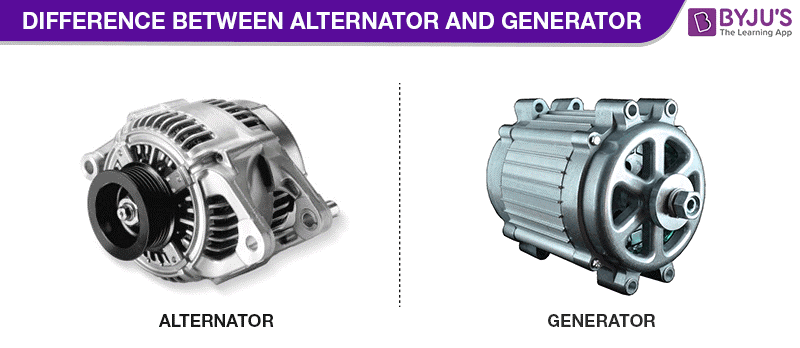
When it comes to powering your devices and vehicles, understanding the difference between a generator and an alternator is crucial. You might be wondering why it matters.
The truth is, knowing how these two systems work can help you make better decisions about your energy needs. Whether you’re trying to keep your home running during an outage or ensuring your car starts smoothly every time, grasping the roles of generators and alternators will empower you.
You’ll discover the key differences between these two power sources, how they function, and when to use each one. By the end, you’ll have the knowledge to choose the right option for your situation, ultimately saving you time and money. Let’s dive in and clarify the essentials of generators and alternators!
Purpose And Function
The purpose and function of generators and alternators are crucial to understanding how they contribute to our daily lives. While both devices convert mechanical energy into electrical energy, they do so in different ways and serve various applications. Let’s break down their specific roles and functions.
What Is A Generator?
A generator is a device that converts mechanical energy into electrical energy using the principles of electromagnetic induction. It typically generates direct current (DC) electricity. This makes it essential for applications that require a stable and consistent power supply.
Generators are commonly used in emergency power systems, construction sites, and remote locations. They can run on various fuels, such as gasoline, diesel, or natural gas. Have you ever found yourself in a blackout, grateful for that generator in your garage?
What Is An Alternator?
An alternator, on the other hand, produces alternating current (AC) electricity. It is widely used in automotive applications and is critical for charging car batteries while the engine is running. This device works by rotating a magnetic field within a coil of wire, generating electricity as it spins.
Alternators are designed to be more efficient and compact compared to generators. They are often found in modern vehicles, ensuring your car’s electrical systems function smoothly. Have you noticed how your car starts more reliably with an alternator?
Key Differences In Purpose
- Power Output:Generators typically provide a steady power output, while alternators can adjust their output based on demand.
- Type of Current:Generators produce DC, whereas alternators generate AC.
- Applications:Generators are suitable for standalone power needs, while alternators are integrated into systems like vehicles.
Understanding the differences can help you choose the right device for your needs. Are you considering a generator for home backup or an alternator for your vehicle?
Functionality In Daily Use
Generators are indispensable during power outages. They provide immediate power to essential appliances, ensuring that you stay comfortable and safe. Have you ever used one during a storm?
Alternators keep your vehicle running smoothly, powering everything from headlights to GPS systems. Their ability to recharge batteries while driving is vital for modern cars. Have you ever thought about how your car would function without it?
Both devices play essential roles in our lives, each tailored to meet specific energy needs. Understanding their purpose and function not only helps you appreciate their contributions but also guides you in making informed decisions for your power requirements.
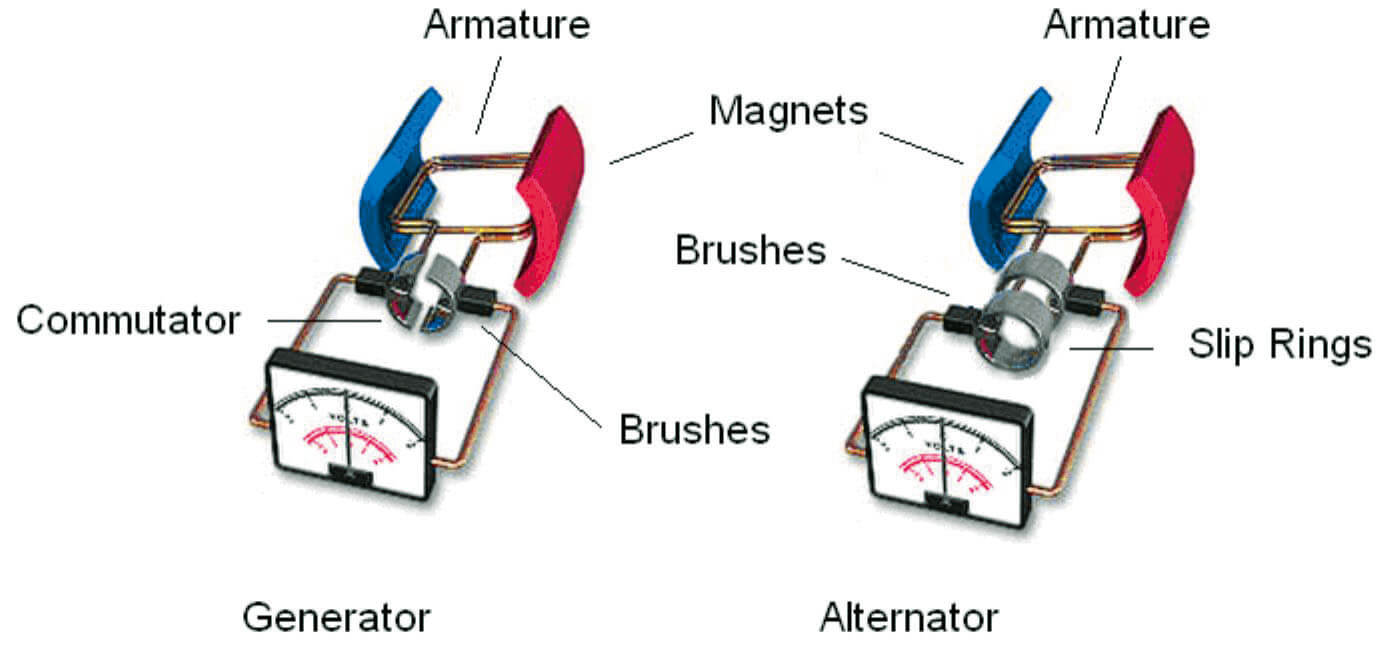
Credit: www.bison-machinery.com
Energy Conversion Process
The energy conversion process is key to understanding generators and alternators. Both devices change one form of energy into another. They serve different purposes but share a common goal: producing electrical energy.
What Is A Generator?
A generator converts mechanical energy into electrical energy. It uses fuel to create motion. This motion turns a rotor inside the generator. As the rotor spins, it creates electricity.
How Does An Alternator Work?
An alternator also converts mechanical energy, but it does it differently. It uses magnetic fields and coils of wire. The rotor spins inside the stator. This motion creates alternating current (AC) electricity.
Key Differences In Energy Conversion
Generators mainly produce direct current (DC) electricity. Alternators produce AC electricity. This difference affects how they are used. Generators can run on various fuels. Alternators work well with engines in vehicles.
Applications Of Generators And Alternators
Generators are often used in remote areas. They supply power where grids are unavailable. Alternators are common in cars and trucks. They charge batteries and power electrical systems.
Efficiency In Energy Conversion
Generators can be less efficient than alternators. They may lose energy as heat. Alternators are designed to be more efficient. They can produce more electricity with less energy input.
Design And Construction
The design and construction of generators and alternators differ significantly. Each serves a unique purpose in power generation. Understanding these differences helps clarify their roles.
Generator Design
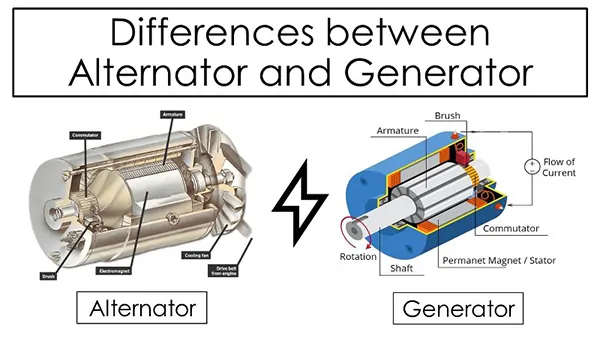
Generators convert mechanical energy into electrical energy. They use a rotor and stator to create electricity. The rotor spins inside the stator. This movement generates direct current (DC) electricity.
Generators have a simple design. They contain fewer components than alternators. This simplicity often leads to easier maintenance. Many generators are portable and used for various applications.
Alternator Design
Alternators produce alternating current (AC) electricity. They also use a rotor and stator. However, the rotor spins outside the stator. This setup allows for higher efficiency.
Alternators have a more complex design. They include additional components like diodes and voltage regulators. These parts help manage the output voltage. This complexity can lead to increased maintenance needs.
Material And Build Quality
Generators often use robust materials. They are built to withstand heavy use. Steel and aluminum are common choices. This durability ensures a longer lifespan.
Alternators also use high-quality materials. They focus on lightweight and efficiency. This makes them ideal for automotive use. Their construction aims for optimal performance.
Size And Portability
Generators come in various sizes. Many models are portable and easy to transport. This portability makes them suitable for outdoor events.
Alternators are generally smaller. They fit easily into vehicles and machinery. Their compact size allows for efficient use of space.
Credit: famcocorp.ae
Current Output
Current output is a key difference between generators and alternators. It refers to the amount of electrical current produced. Understanding this helps you choose the right device for your needs.
Generators: Direct Current Output
Generators produce direct current (DC). This means the flow of electricity moves in one direction. They are simple machines. They use magnets and coils to create electricity.
DC output is useful for many applications. Batteries, for example, rely on this type of current. It powers small devices like flashlights and toys.
Alternators: Alternating Current Output
Alternators produce alternating current (AC). This type of current changes direction regularly. It is more efficient for larger applications.
AC output can easily be transformed to different voltage levels. This makes it ideal for homes and businesses. Most household appliances use AC power.
Comparison Of Current Output
Generators and alternators serve different needs. Generators are good for small, portable tasks. Alternators work better for larger systems.
Consider your power requirements. Choose a generator or alternator based on output needs. Understanding current output helps ensure you have the right equipment.
Efficiency Levels
Efficiency is key in understanding generators and alternators. Both devices convert mechanical energy into electrical energy. Yet, they do so in different ways. This affects how much energy they waste. Let’s explore their efficiency levels.
Generator Efficiency
Generators usually have lower efficiency than alternators. Their design is simpler. They often lose energy in the form of heat. This heat loss reduces overall performance.
Most generators operate at around 70% to 85% efficiency. This means they waste a significant amount of energy. Factors like load and temperature can affect this efficiency level.
Alternator Efficiency
Alternators are generally more efficient than generators. They can reach efficiencies of 80% to 95%. Their design allows for better energy conversion.
Alternators use a rotating magnetic field. This reduces energy loss. They also produce electricity at lower speeds. This feature makes them suitable for various applications.
Factors Influencing Efficiency
Several factors influence the efficiency of both devices. Load conditions play a major role. An overloaded generator will work harder and waste more energy.
Temperature is another important factor. High temperatures can lead to more heat loss. Regular maintenance also helps improve efficiency.
In contrast, alternators tend to perform better under different loads. They adjust their output based on demand. This adaptability boosts their efficiency.
Maintenance Requirements
Generators and alternators need regular maintenance. Each has different needs. Knowing these can help you keep your equipment running well.
Generator Maintenance
Generators require routine checks and servicing. Start with inspecting the oil levels. Change the oil every 100 hours of use. This keeps the engine clean and efficient.
Check the fuel system regularly. Look for leaks and clogs. Clean or replace filters as needed.
Battery care is also important. Keep terminals clean and tight. Test the battery regularly to ensure it holds a charge.
Alternator Maintenance
Alternators need less frequent maintenance. Still, some checks are essential. Inspect the drive belt for wear and tension. A loose or worn belt can cause issues.
Look for any signs of corrosion on terminals. Clean them to ensure good connections. Check the wiring for any damage or fraying.
Listen for unusual noises while the alternator runs. Strange sounds may indicate a problem.
Common Maintenance Tips
Both generators and alternators benefit from clean environments. Dust and dirt can cause problems. Keep the area around them clean.
Regularly check for any leaks. Oil or fuel leaks can lead to bigger issues. Address leaks immediately.
Follow the manufacturer’s guidelines for maintenance. This ensures the best performance and longevity.
Applications In Daily Life
Understanding the applications of generators and alternators in daily life reveals how these devices power our world. From household appliances to vehicles, they play crucial roles. Knowing where they fit can help you appreciate their impact on your everyday activities.
Generators In Everyday Life
Generators are essential during power outages. They provide backup electricity, keeping your home functional. Whether it’s for a few hours or a couple of days, having a generator can make a significant difference.
Consider a weekend camping trip. A portable generator can power your lights, cooking equipment, and even charge your devices. You can enjoy the outdoors without sacrificing comfort.
Generators are also vital in construction sites. They supply power for tools and machinery, enabling workers to complete projects efficiently. Without generators, many tasks would come to a halt.
Alternators In Vehicles
Alternators are the heartbeat of your vehicle’s electrical system. They recharge the battery while the engine runs, ensuring that your car starts every time you turn the key. Without an alternator, your battery would quickly drain, leaving you stranded.
Have you ever noticed your headlights dimming while idling? This could indicate a failing alternator. Regular maintenance can prevent such issues and keep your vehicle running smoothly.
Alternators also power essential components like the radio, air conditioning, and dashboard lights. Imagine driving without music on a long road trip. It’s the alternator that makes those comforts possible.
Common Household Uses
- Generators are great for keeping refrigerators running during blackouts.
- Alternators help keep your home’s security system active, providing peace of mind.
- Both devices can power tools for DIY projects around the house.
When you think of generators and alternators, consider how they impact your daily routines. Do you rely on them for work, leisure, or safety? Understanding their roles can help you make better decisions about their use and maintenance.
Every time you flip a switch or start your engine, you engage with the technology that makes life easier. How often do you think about what powers those simple actions? Recognizing the significance of these devices can enhance your appreciation for modern conveniences.

Credit: www.youtube.com
Cost And Durability
The choice between a generator and an alternator often boils down to cost and durability. Understanding how these factors play out can help you make an informed decision. Let’s break down what you need to know.
Cost Of Generators
Generators usually come with a higher upfront cost compared to alternators. This is due to their complex design and the additional parts needed for fuel systems. However, the long-term operational costs can vary based on fuel efficiency.
- Initial investment: Generators can range from a few hundred to several thousand dollars.
- Maintenance costs: Regular maintenance can add to the expense.
- Fuel costs: Running on gasoline or diesel can impact your budget over time.
Cost Of Alternators
Alternators are generally more affordable upfront. They are often found in vehicles and small machinery, making them accessible for most consumers. Maintenance costs are also lower, which can be a significant advantage.
- Initial investment: Typically costs less than generators.
- Maintenance: Requires less frequent servicing.
- Efficiency: More efficient in converting mechanical energy to electrical energy.
Durability Of Generators
Generators are built to handle heavy loads and continuous use. Their robust construction makes them ideal for long-term applications. However, they can be susceptible to wear and tear, especially if not maintained properly.
Think about your needs. If you plan to use it frequently for extended periods, investing in a higher-quality generator may pay off in durability.
Durability Of Alternators
Alternators tend to have a longer lifespan than generators when used in appropriate settings. They are designed for intermittent use and can withstand regular wear and tear. Proper installation and maintenance can maximize their durability.
Have you ever faced issues with your vehicle’s alternator? Many people find that a well-maintained alternator lasts for years, proving its reliability.
In the end, the choice between a generator and an alternator depends on your specific needs, budget, and how much you value durability. What are your priorities when selecting a power source? Understanding your requirements will lead you to the right decision.
Performance In Different Conditions
Generators and alternators perform differently based on their environment. Understanding these differences helps in choosing the right one for specific needs. Performance varies with factors like temperature, load, and usage. Each device has strengths in certain conditions.
Temperature Effects
Temperature impacts the efficiency of both devices. Generators often work well in extreme heat. They can handle high temperatures without losing power. Alternators, on the other hand, may struggle in very hot conditions. High heat can reduce their output.
Load Conditions
Load conditions play a key role in performance. Generators can handle heavy loads easily. They provide consistent power even under stress. Alternators excel in lighter load situations. They are efficient for everyday use and smaller appliances.
Usage Environment
The environment also affects performance. Generators are ideal for outdoor use. They are reliable for camping or construction sites. Alternators suit vehicles and stationary applications. They work best in controlled environments.
Noise And Vibration
Noise levels vary between the two. Generators can be loud, especially under heavy load. This can be an issue in residential areas. Alternators are quieter, making them better for cars and small devices. Less noise improves user comfort.
Maintenance needs differ significantly. Generators require regular checks and fuel management. This can be time-consuming. Alternators generally need less upkeep. They are built for longer use with minimal attention.
Key Advantages And Limitations
Understanding the key advantages and limitations of generators and alternators can help you make informed decisions about which one suits your needs best. Both devices serve important functions, yet they have distinct characteristics. Let’s break down their pros and cons so you can see which might be the better fit for you.
Advantages Of Generators
Generators offer several benefits that make them appealing for specific situations:
- Portability:Many generators are compact and easy to transport. This feature makes them ideal for camping trips or outdoor events.
- Versatility:They can run on various fuels, including gasoline, diesel, or propane. This flexibility allows you to choose based on availability and cost.
- High Power Output:Generators can provide a steady power supply for heavy-duty applications. If you need to power large machinery or appliances, a generator can meet that demand.
Limitations Of Generators
While generators have their strengths, they also come with some downsides:
- Noise Levels:Generators can be quite loud, which may not be ideal for residential areas or quiet settings. If noise is a concern, this could be a dealbreaker.
- Maintenance:Generators require regular maintenance and fuel checks. If you prefer low-maintenance solutions, this could be a drawback.
- Emissions:They emit pollutants and greenhouse gases. If environmental impact is important to you, consider this limitation.
Advantages Of Alternators
Alternators also come with their own set of advantages:
- Efficiency:Alternators are generally more efficient than generators. This means they convert more mechanical energy into electrical energy.
- Less Maintenance:They require less upkeep compared to generators. This can save you time and hassle in the long run.
- Compact Design:Alternators tend to be smaller and lighter, making them easier to install in tight spaces. If you have limited room, this can be a significant advantage.
Limitations Of Alternators
Despite their benefits, alternators have some limitations as well:
- Limited Power Supply:They may not handle high power demands as well as generators. If you need to power heavy-duty equipment, an alternator might not suffice.
- Dependence on Engine Speed:Alternators rely on engine speed for power generation. If the engine is idling, they may not produce enough electricity.
- Higher Initial Cost:Alternators can be more expensive upfront compared to some generators. Consider your budget when making your choice.
Which option resonates with your specific needs? Whether you prioritize power output or maintenance ease, understanding these key advantages and limitations can guide your decision.
Frequently Asked Questions
What Is The Main Difference Between A Generator And An Alternator?
Generators produce direct current (DC) electricity, while alternators generate alternating current (AC) electricity.
Can A Generator Power An Entire House?
Yes, a generator can power a house, depending on its capacity and the load needed.
Do Cars Use Generators Or Alternators?
Cars typically use alternators to charge the battery and power electrical systems.
Which Is More Efficient: Generator Or Alternator?
Alternators are generally more efficient than generators, especially at higher speeds.
How Do Generators And Alternators Work?
Generators convert mechanical energy into electrical energy, while alternators use magnetic fields to generate electricity.
Can I Replace An Alternator With A Generator?
No, you cannot directly replace an alternator with a generator in most applications.
Are Generators Portable?
Many generators are portable, making them easy to move and use in various locations.
What Are Common Uses For Generators?
Generators are often used for backup power, construction sites, and outdoor events.
How Often Should I Service My Generator?
Regular servicing every six months is recommended to keep your generator in good condition.
Can An Alternator Charge A Battery?
Yes, an alternator charges a battery while the engine is running, maintaining its power.
Conclusion
Generators and alternators serve different purposes. Generators produce electricity directly. Alternators convert mechanical energy into electrical energy. Each has unique features and applications. Choose based on your specific needs. Understanding the differences helps in making the right choice. Consider factors like power output and efficiency.
This knowledge ensures you invest wisely. Both options have their strengths. Assess your requirements before deciding. With the right information, you can easily select the best option.