
Have you ever wondered how a generator produces electricity? It’s a question that many people ask, yet the answer can seem complex.
But don’t worry; it’s easier to understand than you might think. Generators play a crucial role in providing power, especially when the grid fails or when you need energy in remote locations. Knowing how they work can help you appreciate their importance and even guide you in choosing the right one for your needs.
Stick with me, and you’ll uncover the fascinating science behind electricity generation. By the end of this article, you’ll have a clearer picture of how generators convert mechanical energy into electrical energy, and why they are essential for your everyday life. Let’s dive in!
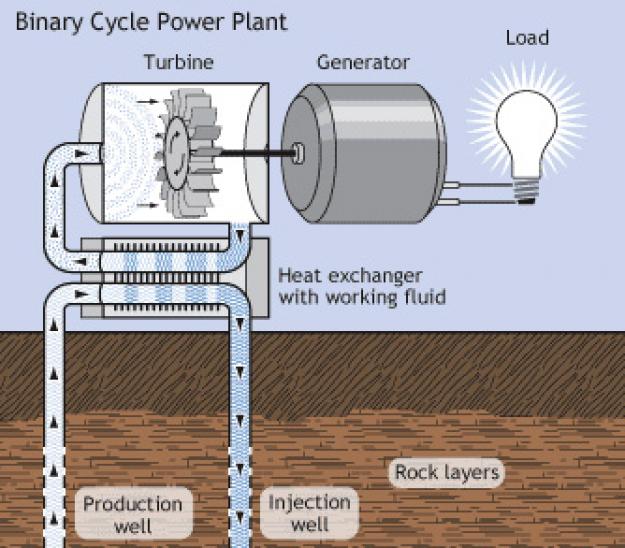
Credit: www.e-education.psu.edu
Principles Of Electromagnetic Induction
Generators produce electricity based on the principles of electromagnetic induction. This process occurs when a magnetic field interacts with a conductor. Understanding this helps explain how generators work. Let’s explore the key elements involved in this process.
Role Of Magnetic Fields
Magnetic fields are crucial in generating electricity. They create a force that can move charged particles. In a generator, strong magnets or electromagnets are used. These magnets create a magnetic field around the coils of wire.
As the magnetic field changes, it induces a flow of electricity. This flow occurs in the wire coils. The strength of the magnetic field affects the amount of electricity produced. A stronger magnetic field leads to more electricity.
Interaction Of Current And Motion
Current and motion work together to generate electricity. When a conductor moves through a magnetic field, it generates an electric current. This is called electromagnetic induction.
In a generator, rotating parts create this motion. The movement of coils through the magnetic field induces electrical current. The faster the motion, the more electricity is produced. This interaction is what powers our devices.

Credit: vitalpower.co.uk
Components Of A Generator
A generator has key parts that work together to produce electricity. Each component plays a vital role in this process. Understanding these parts helps us see how generators function. Let’s explore the main components: the rotor, stator, and the source of mechanical energy.
Rotor And Stator
The rotor and stator are essential parts of a generator. The rotor is the rotating part. It creates a magnetic field as it spins. This movement generates electricity.
The stator is the stationary part. It surrounds the rotor. The stator contains coils of wire. When the rotor spins, the magnetic field induces an electric current in these coils. This process is called electromagnetic induction.
Source Of Mechanical Energy
Every generator needs a source of mechanical energy. This energy makes the rotor spin. Common sources include engines, wind, or water flow. Each source drives the rotor at high speeds.
The faster the rotor spins, the more electricity it generates. The efficiency of the generator depends on the energy source. A consistent energy source is crucial for steady electricity production.
Conversion Of Energy
Generators play a key role in producing electricity. They change one form of energy into another. This process is crucial for powering our homes and businesses. Understanding this conversion helps us appreciate how generators work.
Mechanical To Electrical Process
The heart of a generator is the engine. This engine runs on fuel, such as gasoline or diesel. It creates mechanical energy. This energy moves parts inside the generator.
As the engine runs, it spins a rotor. The rotor is a key component. It rotates within a magnetic field. This action generates electricity through electromagnetic induction.
Energy Transfer Dynamics
Energy transfer is essential in this process. Mechanical energy from the engine moves to the rotor. The rotor interacts with magnets. This creates an electric current.
Efficiency is important in energy transfer. The better the transfer, the more electricity produced. This ensures that generators meet our energy needs effectively.
Types Of Generators
Generators produce electricity by converting mechanical energy into electrical energy. They use fuel or other power sources to create motion. Different types of generators, like portable and standby, serve various needs. Understanding how they work helps in choosing the right one for your requirements.
Generators come in different types, each designed for specific applications and purposes. Understanding these types can help you choose the right generator for your needs. Let’s break down the two main categories: AC generators and DC generators.
Ac Generators
AC generators, also known as alternators, produce alternating current. This type of current changes direction periodically. You’ll find AC generators used in power plants and for home electricity supply. They are efficient and can produce large amounts of power. AC generators work on the principle of electromagnetic induction. When a conductor moves through a magnetic field, electricity is generated. This is why you often see them in wind turbines and hydroelectric plants. Think about how your home uses electricity. Most household appliances rely on AC power. This includes everything from your refrigerator to your television.
Dc Generators
DC generators produce direct current, which flows in one direction. These are commonly used in applications requiring stable and consistent voltage. You might have encountered DC generators in battery charging systems or small power supply units. They are essential for devices that rely on a steady flow of electricity. The operation of a DC generator also involves electromagnetic induction. However, they use a commutator to convert AC produced inside the generator into DC. Have you ever wondered why batteries are so popular? They provide the direct current needed for many portable devices like smartphones and laptops. Both types of generators serve crucial roles in our daily lives. Understanding their differences helps you make informed decisions when selecting a generator for your specific needs.
Real-world Applications
Generators are vital in many areas of life. They provide electricity where it is needed most. Understanding their applications helps us see their importance.
Industrial Power Supply
Industries rely on generators for a steady power supply. They run machines and equipment efficiently. In factories, power outages can halt production. Generators keep operations running smoothly.
They also support large-scale projects. Construction sites use generators to power tools and lights. This ensures work continues even in remote locations. Many industries depend on them daily.
Backup Energy Solutions
Generators serve as backup energy sources during outages. Homes and businesses use them to avoid disruptions. When the power goes out, a generator kicks in automatically. This provides immediate relief and comfort.
Hospitals and emergency services rely on generators. They need constant power for life-saving equipment. Generators ensure that critical systems remain operational at all times. Their role in emergencies is crucial.
Advancements In Generator Technology
Generator technology has come a long way in recent years. New designs focus on efficiency and sustainability. This makes generators more powerful and eco-friendly. Let’s explore two major advancements in this field.
Renewable Energy Integration
Today’s generators can work with renewable energy sources. Solar and wind power are now common. These generators help convert natural energy into electricity. This reduces the need for fossil fuels. It also lowers greenhouse gas emissions.
Integrating renewable energy improves energy security. It allows for a more stable power supply. Backup generators can store energy from these sources. This ensures power availability during outages.
Improved Efficiency Designs
New designs focus on boosting efficiency. Modern generators use advanced materials. These materials reduce energy loss during operation. This means more electricity from less fuel.
Smart technology in generators also plays a role. Sensors monitor performance in real-time. This helps optimize fuel use. Users save money and energy with efficient designs.
These improvements make generators reliable. They meet the growing energy demands of homes and businesses.

Credit: www.gz-supplies.com
Frequently Asked Questions
Why Do Generators Produce Electricity?
Generators produce electricity by converting mechanical energy into electrical energy. This process typically involves the movement of a conductor, such as copper wire, through a magnetic field. The interaction generates an electric current, which can then be used to power various devices and appliances.
What Is The Principle Behind Generator Operation?
The principle behind generator operation is electromagnetic induction. When a conductor moves through a magnetic field, it induces an electric current. This fundamental concept allows generators to convert kinetic energy into electrical energy efficiently.
How Do Different Generators Produce Electricity?
Different generators produce electricity using various methods. For instance, diesel generators burn fuel to create mechanical energy, while wind turbines harness wind energy. Each generator type is designed to optimize energy conversion based on its specific energy source.
What Fuels Do Generators Use To Generate Electricity?
Generators can use a variety of fuels to generate electricity, including diesel, natural gas, and gasoline. Some generators operate on renewable sources like solar or wind energy. The choice of fuel often depends on efficiency, availability, and environmental considerations.
Conclusion
Generators create electricity by converting mechanical energy into electrical energy. They use fuel or other power sources to spin a rotor. This spinning motion generates electricity through electromagnetic induction. Understanding this process helps in choosing the right generator for your needs.
Whether for home use or emergency power, knowing how it works is key. Generators are vital for many situations. They ensure you have energy when you need it most. With this knowledge, you can make informed decisions about electricity generation.