
Have you ever wondered what the purpose of a generator really is? Whether you’re preparing for a power outage or looking to enhance your outdoor adventures, understanding how generators work can make a significant difference in your life.
A generator provides backup power when you need it most, ensuring your home stays comfortable and your devices remain charged. But it does more than just keep the lights on. We’ll explore the various roles generators play, how they can benefit you, and what to consider when choosing the right one for your needs.
By the end, you’ll have a clearer picture of why having a generator is essential for your peace of mind. Let’s dive in!
Role Of Generators In Modern Life
Generators play a vital role in our daily lives. They provide power when the main supply fails. Many people rely on generators for different needs. From homes to businesses, generators are essential.
In areas with unstable electricity, generators ensure safety and comfort. They keep appliances running and lights on. This reliability is crucial for families and workspaces.
Power Backup For Homes
Homeowners use generators to stay prepared. A power outage can happen at any time. Generators keep essential appliances running, like refrigerators and heating systems. This helps maintain a safe and comfortable environment.
Support For Businesses
Businesses depend on generators for smooth operations. A power failure can lead to losses. Generators help avoid interruptions in work. They ensure that equipment and systems remain functional.
Emergency Services
Emergency services rely on generators during disasters. Hospitals need constant power for life-saving equipment. Generators ensure that medical care continues without interruption. This support saves lives and maintains health services.
Outdoor Events And Activities
Generators are important for outdoor events. Festivals, concerts, and fairs need power for lights and sound systems. Generators provide energy in remote locations. They make it possible to enjoy events anywhere.
Construction Sites
Construction sites often lack reliable power. Generators supply energy for tools and machinery. This allows work to continue without delays. They are crucial for meeting project deadlines.

Credit: www.pinatafarm.com
How Generators Work
Generators provide backup power when electricity fails. They convert fuel into electrical energy, ensuring essential devices remain operational. Their purpose is to keep homes and businesses running smoothly during outages.
Understanding how generators work can help you appreciate their role in providing power during outages or in remote locations. They convert mechanical energy into electrical energy, ensuring your essential devices stay operational. Let’s break down the key components and the electricity generation process to see how this technology functions.Basic Components
A generator consists of several key components that work together seamlessly:- Engine:The engine is the heart of the generator. It converts fuel into mechanical energy.
- Alternator:This component generates electricity. It transforms the mechanical energy produced by the engine into electrical energy.
- Fuel System:This includes the fuel tank and lines, providing the necessary fuel for the engine to operate.
- Control Panel:The control panel allows you to monitor and manage the generator’s operations.
- Cooling System:This system prevents the generator from overheating, ensuring it runs efficiently.
- Exhaust System:This helps to safely expel gases produced during operation.
Electricity Generation Process
The process of generating electricity is straightforward yet fascinating. Here’s how it works:- The engine burns fuel, creating mechanical energy.
- This mechanical energy spins the alternator’s rotor.
- The rotor’s motion generates an electromagnetic field, producing electricity.
- Electricity flows through the control panel and into your devices.
Types Of Generators
Generators serve to provide electricity when the main power source fails. They come in various types, including portable, standby, and solar generators. Each type has a specific function, making them useful for homes, businesses, and outdoor activities.
Understanding the different types of generators can help you choose the right one for your needs. Each type serves unique purposes, whether you need backup power during outages, portable energy for outdoor activities, or a robust solution for industrial applications. Let’s break down the primary types of generators you might encounter.Portable Generators
Portable generators are versatile and easy to transport. They are ideal for camping trips, tailgating, or providing power during a temporary outage. These generators typically run on gasoline and can power small appliances, lights, and tools. With a weight that allows for easy mobility, you can take them wherever you go. Consider how often you need power away from home. If you enjoy outdoor activities, a portable generator can enhance your experience.Standby Generators
Standby generators are permanently installed and automatically kick in during a power outage. They are connected directly to your home’s electrical system, ensuring you remain powered up without any hassle. These generators usually run on natural gas or propane. They provide a seamless transition, allowing you to maintain your lifestyle uninterrupted. Imagine your fridge keeping your food fresh and your lights remaining on during a storm. That’s the reliability a standby generator offers.Inverter Generators
Inverter generators are designed for efficiency and quiet operation. They produce clean power suitable for sensitive electronics like laptops and smartphones. These generators are often lightweight and fuel-efficient, making them perfect for camping or tailgating. Their advanced technology allows them to adjust the engine speed based on the power demand. Have you ever worried about damaging your devices while charging them outdoors? Inverter generators eliminate that concern, providing safe power for your gadgets.Industrial Generators
Industrial generators are heavy-duty machines designed for large-scale operations. These generators can provide reliable power for construction sites, events, or manufacturing plants. They are built to withstand extreme conditions and can run for long hours without interruption. If your business relies on continuous power, investing in an industrial generator is essential. Consider the peace of mind knowing your operations won’t be disrupted. Industrial generators ensure that your projects stay on track, even when the grid fails. Choosing the right generator type depends on your specific needs. Whether you prioritize portability, reliability, or power capacity, understanding these options can guide you in making an informed decision.
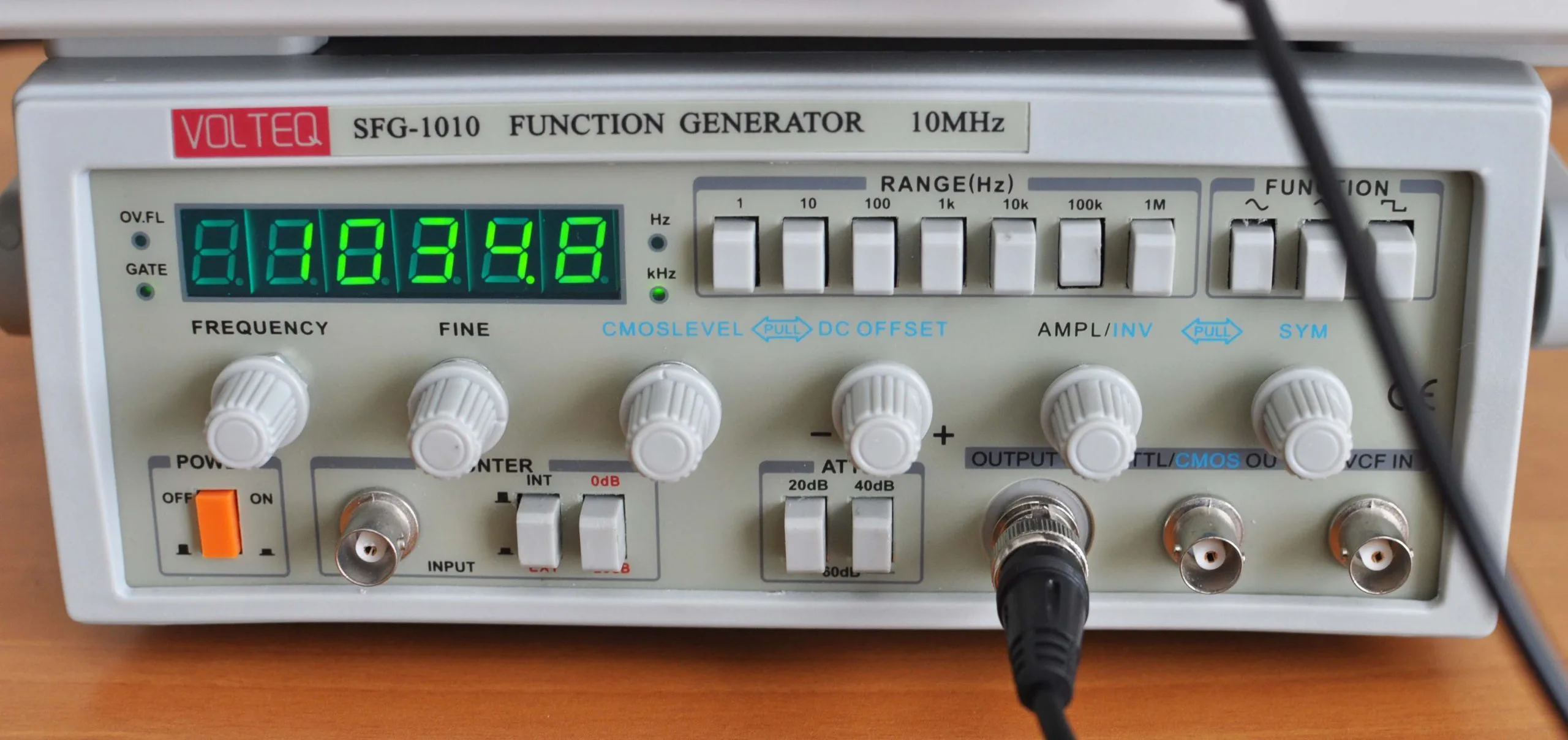
Credit: www.volteq.com
Key Applications Of Generators
Generators serve many important purposes. They provide power where there is none. This makes them valuable in various situations. Below are some key applications of generators.
Home Backup Power
Many families use generators for backup power. During storms or outages, they keep homes running. Refrigerators, lights, and heating systems stay on. This helps maintain comfort and safety. Portable generators are popular for this use.
Industrial And Commercial Use
Businesses rely on generators for consistent power. Factories and warehouses often need them. They ensure operations run smoothly. Generators help prevent costly downtimes. Many companies use large, stationary models for this purpose.
Emergency Services
Emergency services depend on generators. Hospitals, fire stations, and police departments need power. In critical situations, generators provide essential support. They keep lights on and equipment running. This helps save lives during emergencies.
Outdoor And Recreational Activities
Generators are great for outdoor fun. Camping trips often include portable generators. They power lights, cooking devices, and entertainment. This makes outdoor experiences more enjoyable. Tailgating and other events also benefit from generators.
Benefits Of Generators
Generators serve many important purposes. They provide power when we need it most. Understanding their benefits helps us see their value. Let’s explore the main advantages of using generators.
Reliable Power Supply
Generators offer a steady power source. They keep your lights on during outages. This is crucial for homes and businesses. Reliable power helps avoid disruptions. It ensures safety and comfort in emergencies.
Energy Independence
Generators give users control over their energy needs. You can generate power anytime and anywhere. This independence is especially useful in remote areas. It reduces reliance on the grid. You can enjoy electricity even during storms or natural disasters.
Flexibility In Use
Generators are versatile tools. You can use them for various purposes. They power tools at job sites. They also support outdoor events and camping trips. Their portability allows easy transport to different locations.

Credit: www.electricaldesks.com
Environmental Considerations
Generators provide power, but they also impact the environment. Understanding their effects is important. This section covers fuel efficiency, emission concerns, and eco-friendly alternatives. Each aspect helps us make better choices for our planet.
Fuel Efficiency
Fuel efficiency is key for reducing environmental impact. A generator that uses less fuel creates less waste. This means fewer natural resources are depleted. Efficient generators save money too. They run longer on the same amount of fuel. Choosing fuel-efficient models helps lessen the overall carbon footprint.
Emission Concerns
Generators produce emissions that harm air quality. They emit carbon dioxide, nitrogen oxides, and particulate matter. These pollutants can lead to health problems. Limiting generator use during high pollution days helps. Regular maintenance reduces harmful emissions. It is vital to monitor emissions and ensure compliance with environmental standards.
Eco-friendly Alternatives
Eco-friendly alternatives exist for conventional generators. Solar generators use sunlight to create electricity. Wind turbines harness wind energy for power. Both options produce little to no emissions. Battery-powered generators offer another clean choice. These alternatives reduce reliance on fossil fuels. They contribute to a healthier planet.
Choosing The Right Generator
Generators provide backup power during outages. They support essential appliances and tools, ensuring comfort and safety. Understanding their purpose helps in choosing the right type for your needs.
Choosing the right generator can feel overwhelming, given the variety of options available. It’s important to understand your specific needs to make the best choice. A generator can be a lifesaver during power outages, camping trips, or outdoor events, but selecting the wrong one could lead to frustration and wasted money.Power Requirements
Before you start shopping, assess your power needs. What devices do you want to run? – Calculate wattage: List all appliances and their wattage. Sum them up to find your total power requirement. – Starting vs. running watts: Remember, some devices require more power to start than to run. For instance, a refrigerator may need 1,200 watts to start but only 800 watts to keep running. Choose a generator that meets or exceeds this total. Consider a slightly higher capacity to accommodate future needs or unexpected power spikes.Fuel Type Options
Generators come with different fuel options, and your choice can affect performance and convenience. Here are the most common types: – Gasoline: Widely available and easy to use. However, it can be less efficient and has a shorter shelf life. – Propane: Burns cleaner than gasoline and has a longer shelf life. It’s ideal for those who want a reliable option for long-term storage. – Diesel: Known for durability and efficiency, but can be more expensive. Best suited for heavy-duty needs. Think about your lifestyle and where you’ll be using the generator. Do you have easy access to fuel? This can guide your decision.Noise Levels And Portability
Noise can be a significant factor, especially if you’re using your generator near neighbors or in quiet locations. – Decibel ratings: Look for generators with lower decibel ratings if noise is a concern. Some models operate quietly, which can be a game-changer during camping trips or backyard events. Portability also matters. If you plan to move your generator frequently, consider these factors: – Weight: Lighter models are easier to transport. – Wheels and handles: Look for designs that make it easier to roll and maneuver. How often will you need to move your generator? The answer will help guide your choice. With these considerations in mind, you can confidently choose a generator that fits your needs. Whether it’s for home use, outdoor adventures, or emergency situations, the right generator will provide peace of mind and reliable power.Future Of Generators
The future of generators is bright and full of promise. New technologies are changing how we use power. These changes aim to make energy sources cleaner and more efficient. Generators will play a key role in this shift. They will adapt to new energy needs and environmental concerns.
Advancements In Technology
Technology is changing generators every day. Smaller, quieter models are now available. These generators are easier to use and transport. Smart features help users monitor performance. Remote control options make operation more convenient.
Battery technology is improving. Generators can now store energy better. This means they can provide power longer. Users can charge devices during outages without worry.
Integration With Renewable Energy
Renewable energy is becoming more popular. Generators are now being designed to work with solar and wind power. This combination offers cleaner energy solutions. It helps reduce reliance on fossil fuels.
Many homes and businesses are adding solar panels. Generators can supplement this energy source. They ensure a constant power supply, even on cloudy days.
As technology improves, the cost of renewable systems will drop. More people will adopt these eco-friendly options. The future will see generators playing a vital role in energy sustainability.
Frequently Asked Questions
What Are The Main Uses Of A Generator?
Generators serve various purposes, primarily providing backup power during outages. They are also used in construction sites to power tools and equipment. Additionally, generators can supply electricity for outdoor events and remote locations lacking a power grid. Their versatility makes them essential for many applications.
How Does A Generator Work?
A generator converts mechanical energy into electrical energy using electromagnetic induction. When fuel is burned, it creates mechanical motion. This motion turns the generator’s rotor, creating an electric current in the coils. The produced electricity can then be used to power devices and appliances.
What Types Of Generators Exist?
There are several types of generators, including portable, standby, and inverter generators. Portable generators are versatile and easy to move. Standby generators are permanently installed and automatically activate during outages. Inverter generators provide clean energy, making them suitable for sensitive electronics.
Each type serves different needs.
Can Generators Run Continuously?
Generators can run continuously, but it depends on the model and fuel type. Most portable generators can operate for several hours with proper refueling. Standby generators are designed for longer use during outages. Always follow manufacturer guidelines to avoid overheating or damaging the generator.
Conclusion
Generators serve many important purposes. They provide backup power during outages. They support events and construction projects needing electricity. Generators help in remote areas without power lines. Their versatility makes them valuable tools for homes and businesses. Understanding their purpose helps you choose the right one.
Always consider your power needs before buying. A good generator can offer safety and convenience. Use this knowledge to make informed decisions about generators. Your power supply matters, and generators play a key role.