

When the power goes out, it can feel like your entire world has come to a halt. Imagine having a reliable source of energy right in your backyard, ready to kick in when you need it most.
That’s the magic of home generators. But how do these devices work? What powers them, and how can they keep your home running smoothly during an outage? We’ll uncover the secrets behind home generators. You’ll learn about the different types, the fuel sources they rely on, and how to choose the right one for your needs.
By the end, you’ll have a clear understanding of how home generators operate and why they are a smart investment for your peace of mind. Let’s dive in and ensure you’re never left in the dark again!
Types Of Home Generators
Understanding the different types of home generators is crucial for making an informed decision. Each type has its unique features, benefits, and suitable applications. Let’s break down the main categories so you can find the best fit for your needs.
Portable Generators
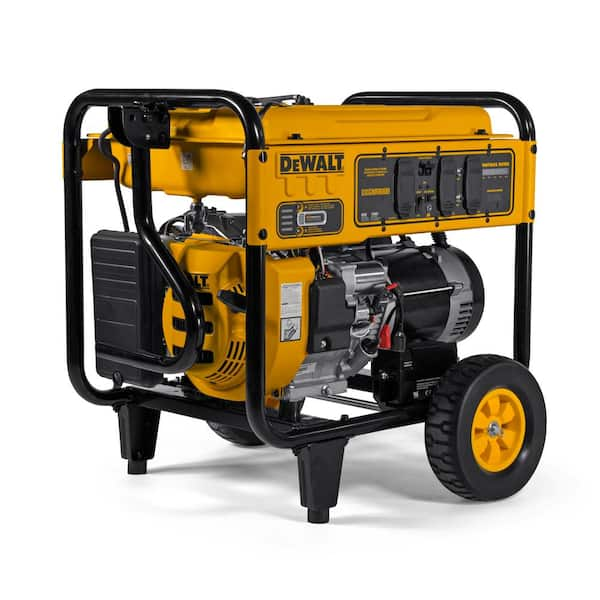
Portable generators are versatile and easy to use. They can power essential appliances during an outage or be taken along for outdoor activities like camping.
- Power Output:Typically ranges from 1,000 to 7,500 watts.
- Fuel Options:Most run on gasoline, but some models use propane or natural gas.
- Mobility:Designed with wheels and handles for easy transport.
Imagine being at a family gathering when the power goes out. A portable generator can quickly restore power to your fridge and lights. This flexibility makes it a popular choice for many homeowners.
Standby Generators
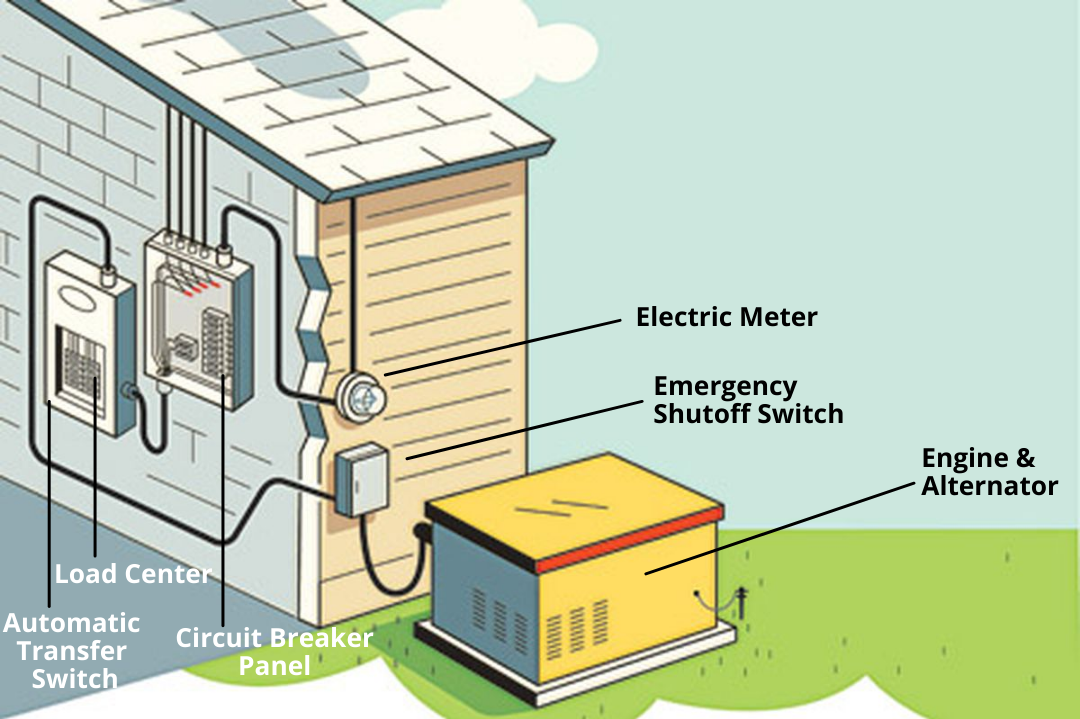
Standby generators are permanently installed outside your home. They automatically kick in during an outage, providing seamless power to your entire home.
- Power Output:Ranges from 5,000 to 20,000 watts or more.
- Fuel Options:Usually powered by natural gas or propane.
- Installation:Requires professional installation and permits.
These generators are an excellent choice for those who want peace of mind. You won’t even notice the power loss, as these units start within seconds. Have you ever thought about how a standby generator can safeguard your home during extreme weather?
Inverter Generators
Inverter generators offer a cleaner and quieter power source. They are ideal for sensitive electronics like computers and smartphones.
- Power Output:Usually ranges from 1,000 to 4,000 watts.
- Fuel Options:Primarily run on gasoline.
- Portability:Lightweight and compact, making them easy to carry.
These generators can be a game-changer for outdoor enthusiasts. You can charge your devices without the worry of damaging them. Have you considered how convenient it would be to power your devices while camping or during a power outage?
Choosing the right generator type depends on your power needs and lifestyle. Assessing your priorities will help you make the best choice for your home and family.
Fuel Options For Generators
Home generators can run on several fuel types. Common options include gasoline, propane, and diesel. Each fuel has its pros and cons, affecting efficiency and storage needs. Understanding these choices helps homeowners select the best generator for their power needs.
When considering a home generator, the type of fuel it uses is a key factor. Different fuel options offer varying levels of efficiency, availability, and convenience. Understanding these options can help you choose the right generator for your needs.
Gasoline-powered Generators
Gasoline-powered generators are among the most common types. They are generally affordable and easy to find. However, gasoline can be less stable during long-term storage. You might face issues if you need to rely on your generator during an extended power outage. You should always keep some spare fuel on hand, but be cautious about its shelf life.
Diesel-powered Generators
Diesel generators often provide more power and durability than gasoline models. They are known for their fuel efficiency and longer run times. If you have a larger home or need to power heavy appliances, a diesel generator may be a better fit. Keep in mind, though, that diesel fuel can be more expensive and harder to find in some areas.
Natural Gas Generators
Natural gas generators connect directly to your home’s gas line. This means you can have a continuous fuel supply as long as the gas line is functioning. They are often cleaner and quieter than gasoline or diesel models. One downside is that if the gas supply is interrupted during a disaster, your generator will not work.
Propane Generators
Propane generators are versatile and can run on stored propane tanks. This makes them a great option if you want something portable. Propane burns cleaner than gasoline and diesel, which can be a significant advantage. However, you’ll need to ensure you have enough propane stored for extended use.
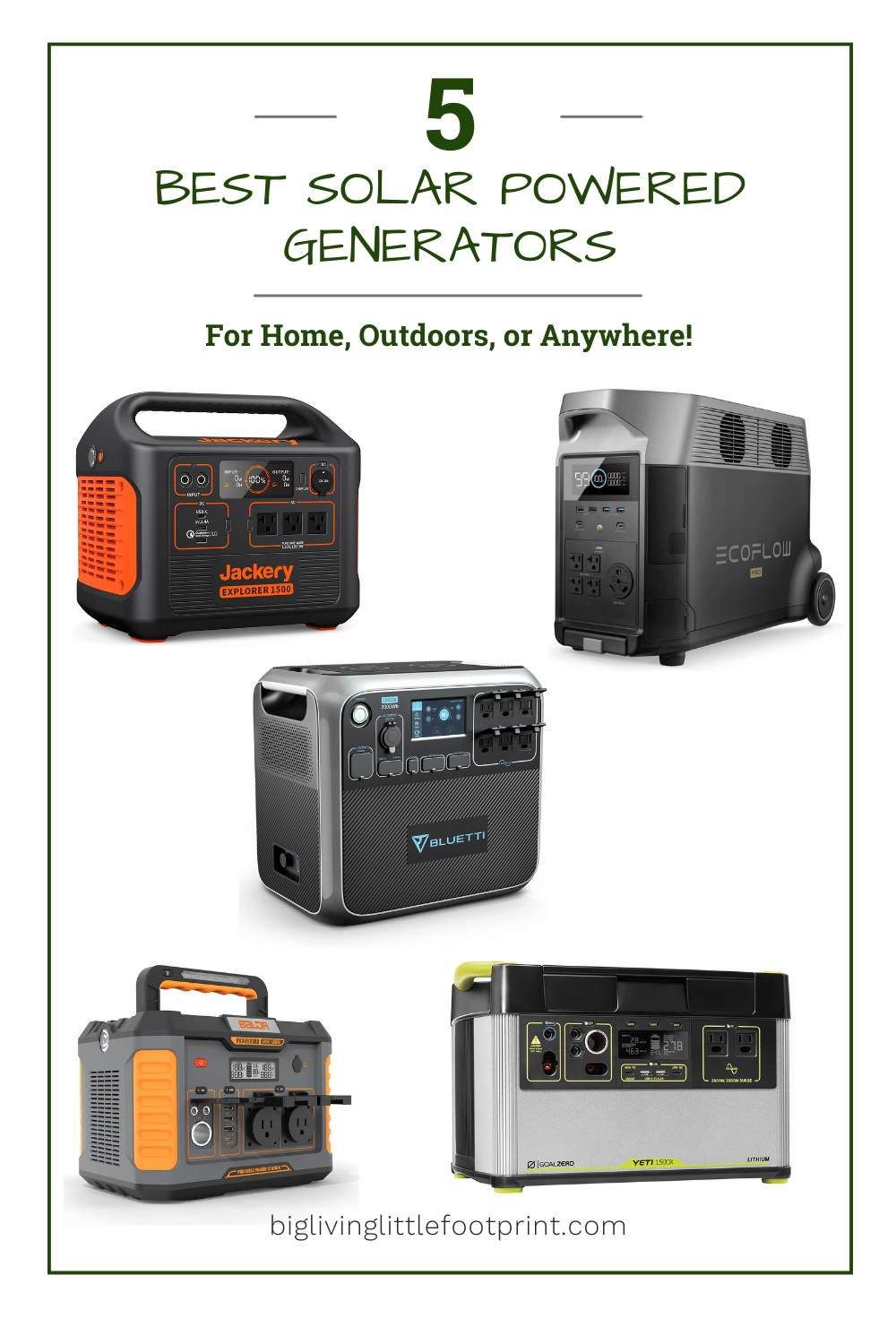
Solar-powered Generators
Solar-powered generators use sunlight to generate electricity, making them an eco-friendly choice. They are quiet and require little maintenance. However, their effectiveness depends on weather conditions. You may want to consider a solar generator if you live in a sunny area and are looking for a sustainable option. Which fuel type seems most appealing to you? Understanding your needs and preferences will guide your decision. Each option has its pros and cons, so consider what matters most for your home.
How Generators Convert Fuel To Energy
Generators are vital for providing electricity. They change fuel into power. This process involves several steps. Each part plays a key role. Understanding how this works helps you appreciate your generator.
Internal Combustion Process
The internal combustion process is the first step. It starts when fuel enters the engine. The engine mixes fuel with air. A spark ignites the mixture, creating an explosion. This explosion pushes pistons. The movement of pistons powers the generator.
The engine runs on different fuels. Common options include gasoline, diesel, or propane. Each fuel type has its benefits. The choice affects performance and efficiency.
Role Of Alternators
After combustion, the next step involves alternators. An alternator converts mechanical energy to electrical energy. It contains magnets and coils of wire. As the engine spins the alternator, it generates electricity.
The type of alternator affects output. Some alternators provide steady power. Others can handle surges. This capability is important for sensitive devices.
Electricity Distribution To The Home
The final step is electricity distribution. Once generated, electricity travels through wires. It enters your home’s electrical system. Circuit breakers manage the flow to different rooms.
This process ensures safe and reliable power. You can use appliances and lights without worry. Understanding this system helps in choosing the right generator.
Credit: www.biglivinglittlefootprint.com
Choosing The Right Generator Fuel
Generators can run on different types of fuel, including gasoline, propane, and diesel. Each fuel type has its pros and cons. Choosing the right fuel depends on your needs, availability, and generator type. Understanding these options helps ensure your home generator runs smoothly when you need it most.
Choosing the Right Generator Fuel Selecting the right fuel for your home generator is crucial. It can affect everything from efficiency to how often you need to refuel. This decision also impacts your environment and overall costs. Let’s break down the key factors to consider.
Fuel Availability
Fuel availability is one of the first aspects to consider. Some areas have limited access to certain fuel types. – Gasoline: Widely available, but you may face supply issues during disasters. – Propane: Often easier to store, but check local suppliers. – Diesel: Known for longevity but might not be as easily accessible. Think about your location. How easy is it for you to get the fuel you need?
Environmental Impact
Different fuels have varying effects on the environment. Gasoline and diesel produce more emissions compared to propane. – Gasoline: High emissions and pollution. – Propane: Cleaner burning, producing fewer greenhouse gases. – Biodiesel: A renewable option that can be less harmful. If you care about reducing your carbon footprint, propane or biodiesel might be your best bet. What kind of impact do you want to leave on the planet?
Efficiency And Cost
Efficiency plays a crucial role in how much fuel you’ll need. Gasoline generators typically run out faster than diesel ones. – Cost of Gasoline: Often fluctuates and may be more expensive during emergencies. – Cost of Propane: Generally stable and can be stored long-term. – Diesel: More efficient but can have higher upfront costs. Consider your budget and how often you will use the generator. Are you prepared for the potential costs of refueling over time? Choosing the right generator fuel requires careful thought. Keep your specific needs and values in mind to make the best choice for your home.
Benefits Of Dual-fuel Generators
Dual-fuel generators offer many advantages. They can run on both gasoline and propane. This flexibility makes them popular for home use. Let’s explore the key benefits.
Flexibility In Fuel Choice
Dual-fuel generators allow you to choose between two fuel types. You can use gasoline or propane based on availability and cost. This choice can save money during emergencies.
Different fuels work better in different situations. Propane is cleaner and has a longer shelf life. Gasoline is often easier to find. This flexibility ensures you always have a power source.
Extended Runtime
These generators can run longer without refueling. Propane tanks last longer than gasoline in many cases. This feature is vital during extended power outages.
With dual-fuel generators, you can switch fuels when one runs low. This ability means less downtime and more consistent power.
Enhanced Reliability
Reliability is critical in a generator. Dual-fuel options provide backup if one fuel source fails. If gasoline is scarce, propane can keep your home powered.
Having two fuel choices increases your generator’s reliability. You can feel secure knowing that power is available when needed.
Credit: www.homedepot.com
Tips For Maintaining Generator Power
Keeping your home generator in good shape is essential. Regular maintenance helps ensure reliable power during outages. Follow these tips to keep your generator running smoothly.
Regular Fuel Checks
Check the fuel level frequently. A low fuel level can stop the generator. Use fresh fuel to avoid issues. Old fuel can cause engine problems. Store fuel in a cool, dry place. This helps prevent contamination.
Battery Maintenance
Inspect the generator’s battery often. Clean any corrosion on the terminals. A charged battery is crucial for starting. Replace the battery every few years. This ensures it works when needed.
Oil And Filter Changes
Change the oil according to the schedule. Dirty oil can harm the engine. Replace the oil filter at the same time. This helps keep the engine clean. Use the recommended oil type for best results.
Inspecting And Cleaning Components
Check all parts for wear and tear. Look for loose connections or damage. Clean the air filter regularly. A clean filter improves efficiency. Dust and dirt can block airflow. Keep the generator area tidy. This prevents debris from causing issues.
Safety Considerations For Generator Use
Generators provide power during outages. They can be very helpful. But safety is key. Understanding safety measures can prevent accidents.
Follow these guidelines to ensure safe generator use.
Proper Ventilation
Generators produce carbon monoxide. This gas is dangerous. Always use generators outside. Keep them away from windows and doors. Make sure there is good airflow. Never run a generator in a garage or basement. This can lead to fatal poisoning.
Avoiding Overloading
Generators have limits. Know the wattage your generator can handle. Do not connect too many devices. Overloading can cause fires or damage the generator. Use only essential appliances. Turn off unnecessary devices before starting your generator.
Storing Fuel Safely
Fuel can be flammable. Store it in a cool, dry place. Use approved containers for storage. Keep fuel away from heat sources. Never store fuel inside your home. This can create fire hazards.
Using Transfer Switches
A transfer switch connects your generator to your home. It prevents backfeeding. Backfeeding can harm utility workers. Hire a professional for installation. This ensures safe and correct setup. Always follow local codes and regulations.
Credit: www.ecicomfort.com
Frequently Asked Questions
How Do Home Generators Work?
Home generators convert mechanical energy into electrical energy. They typically run on fuel sources like gasoline, diesel, or natural gas. When power goes out, the generator kicks in automatically or manually. This provides immediate electricity to your home, keeping essential appliances running smoothly during outages.
What Fuels Can Power Home Generators?
Home generators can be powered by various fuels. Common options include gasoline, diesel, propane, and natural gas. Each fuel type has its advantages and disadvantages. For instance, propane is clean-burning, while gasoline is widely available. Choosing the right fuel depends on availability and generator specifications.
Are Home Generators Safe To Use?
Yes, home generators are safe when used correctly. It’s vital to follow the manufacturer’s guidelines and safety precautions. Always place generators outdoors to avoid carbon monoxide buildup. Additionally, ensure proper grounding to prevent electrical hazards. Regular maintenance also enhances safety and prolongs the generator’s lifespan.
How Long Can A Home Generator Run?
The runtime of a home generator depends on its fuel capacity. Smaller portable generators can operate for around 8 to 12 hours on a full tank. In contrast, larger standby generators can run indefinitely if connected to a natural gas line.
Always monitor fuel levels during extended use.
Conclusion
Home generators provide essential power during outages. Understanding how they work helps you choose the right one. Different types, like gas and solar, offer unique benefits. Each option has its own features and costs. Consider your needs before making a decision.
A reliable generator can bring peace of mind. It ensures comfort during unexpected situations. Research and compare models to find the best fit. Knowledge is key to making a smart choice. Power your home confidently with the right generator.