When summer heat waves strike, you want to keep your home cool and comfortable. But what happens if the power goes out?
That’s where a generator comes in. You might be wondering, “How big of a generator do I need to run my central air? ” It’s a crucial question, and the answer can make all the difference in your comfort during those sweltering days.
We’ll break down everything you need to know about choosing the right size generator for your central air system. We’ll cover the key factors that influence your needs and give you practical tips to ensure you stay cool when it matters most. By the end, you’ll have the knowledge to make a confident decision and keep your home a refreshing oasis, no matter the weather outside. Let’s dive in!
Credit: www.youtube.com
Factors That Affect Generator Size
Choosing the right generator size for central air requires considering several factors. Key elements include the air conditioner’s wattage, the home’s square footage, and other appliances that may run simultaneously. Understanding these aspects helps ensure proper cooling and efficient energy use.
Understanding the factors that affect generator size is crucial for ensuring that your central air conditioning system runs smoothly, especially during a power outage. A generator that’s too small won’t meet your needs, while one that’s too large may be an unnecessary expense. Let’s break down the key elements that determine the right generator size for your home.
Central Air Conditioner Power Needs
Your central air conditioner’s power requirement is the primary factor in determining the generator size. Most air conditioning units specify their power consumption in watts. – Check the label: Look for the unit’s wattage on the manufacturer’s label. It typically ranges from 2,000 to 5,000 watts. – Starting vs. running watts:
Remember that air conditioners require more power to start up than to run. This surge can be 2 to 3 times the running wattage. Knowing your air conditioner’s wattage helps you select a generator that can handle these demands without straining.
Additional Appliances And Devices
Consider what else you will need to power during an outage. If you plan to run your refrigerator, lights, and other essential appliances alongside your air conditioner, factor in their wattage too. – List your appliances: Make a list of all the devices you want to run. Include their wattages to get a total. – Prioritize needs: You might not need everything at once. Decide which devices are essential during a power outage. This assessment can significantly affect the size of the generator you choose.
Home Size And Energy Demands
The size of your home directly influences its energy demands. Larger homes often require more power to cool effectively. – Square footage matters: A 1,500 square foot home may need a generator with a capacity of at least 5,000 watts, while a smaller home might only need 3,000 watts. – Insulation and windows: Well-insulated homes with energy-efficient windows may require less power to cool, allowing for a smaller generator.
Assessing your home’s characteristics can lead to a more accurate generator size that meets your cooling needs without excess capacity. Have you considered how these factors interplay in your own home? Taking the time to evaluate your specific requirements can ensure you make the right choice for a generator that keeps your central air running smoothly.
Credit: heatwaveheatingandcooling.com
Calculating Central Air Power Requirements
Knowing how much power your central air system needs is key. This helps you choose the right generator. Let’s break down the steps to find out the power requirements.
Understanding Btu Ratings
BTU stands for British Thermal Unit. It measures how much heat your air conditioner can remove from a space. The higher the BTU, the larger the area it can cool. Most central air systems range from 12,000 to 60,000 BTUs. You need to find the BTU rating of your unit. This number helps in calculating your power needs.
Converting Btu To Watts
To convert BTUs to watts, use this simple formula. Divide the BTU rating by 3.412. For example, a 24,000 BTU unit needs about 7,030 watts. Knowing this helps you choose a generator with enough power.
Accounting For Starting Watts
Central air systems need extra power to start. This is called starting watts. Starting watts can be 2 to 3 times higher than running watts. Check your unit’s manual for specific numbers. Make sure your generator can handle this peak load. Always allow for a safety margin in your calculations.
Choosing The Right Generator Type
Choosing the right generator size is crucial for running central air. Consider the power needs of your air conditioning unit. A generator with enough wattage ensures efficient cooling during outages. Always check the unit’s specifications for accurate sizing.
Choosing the right generator type is crucial for ensuring your central air system runs smoothly, especially during power outages. With multiple options on the market, it can feel overwhelming to decide which generator best suits your needs. Understanding the differences between generator types will help you make an informed choice.
Portable Vs Standby Generators
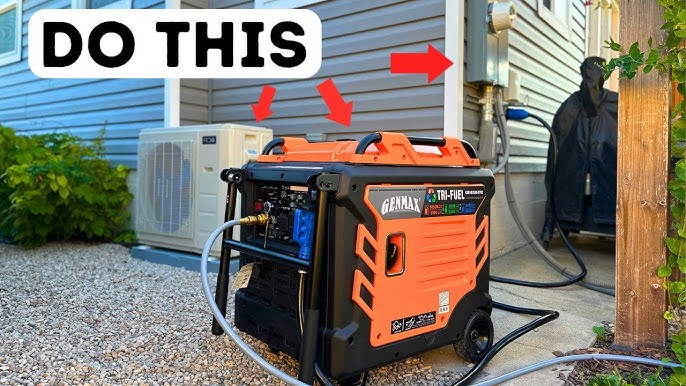
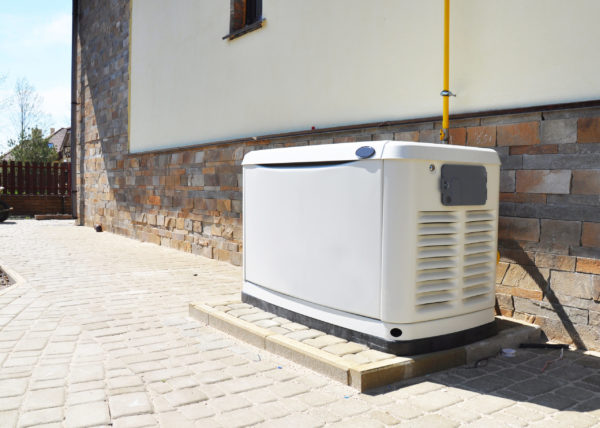
Portable generators offer flexibility. You can easily move them around your property. They’re great for temporary use, like during camping trips or short power outages. Standby generators are a more permanent solution. They connect directly to your home’s electrical system and turn on automatically during outages. This means you won’t have to worry about starting it up yourself.
Consider your lifestyle and needs. Do you want a generator that starts automatically, or are you comfortable pulling out a portable unit when needed? Think about how often you experience outages and how long you want your air conditioning to run.
Inverter Generators For Central Air
Inverter generators are becoming more popular for powering central air systems. They provide clean energy, which is vital for sensitive electronics. This ensures that your air conditioning unit runs efficiently without risking damage.
These generators are also quieter than traditional models. If noise is a concern, especially in a residential area, an inverter generator can be a perfect fit. Their smaller size makes them easier to store as well.
You might wonder if an inverter generator can handle your entire air conditioning unit. Check the wattage requirements of your AC system to ensure the inverter generator can meet them. This way, you won’t be left sweating during a hot summer day.
Fuel Type Considerations
The type of fuel your generator uses will impact its performance and convenience. Gasoline generators are common, but they require regular refueling. If you live in an area with frequent outages, you may want a generator that runs on propane or natural gas.
Propane generators offer longer storage life and can run longer on a single tank. This can be a lifesaver during extended outages. Natural gas generators connect directly to your home’s gas line, which means you won’t need to worry about storage.
Consider your access to fuel when choosing your generator. Do you have a reliable gas supply? Are you comfortable handling propane tanks? Your answers will guide you to the best fuel option for your situation.
Tips For Accurate Sizing
Choosing the right generator size for your central air system is important. A generator that is too small won’t run efficiently. A generator that is too large can waste energy. Here are some tips to help you size your generator correctly.
Using A Load Calculator
A load calculator helps you estimate your power needs. These tools consider your air conditioning unit’s wattage. They also factor in other appliances you may run at the same time.
Find a reliable load calculator online. Enter details about your air conditioning system. Include the starting and running watts. This will give you a good idea of the generator size you need.
Consulting An Hvac Professional
Getting advice from an HVAC professional is wise. They understand air conditioning systems well. They can assess your home and recommend the right generator size.
Professionals can also check your current setup. They can identify any special needs. This ensures your generator will work effectively with your air conditioning system.
Planning For Future Power Needs
Consider your future power needs when sizing a generator. You may want to add more appliances later. A slightly larger generator can accommodate these changes.
Think about possible upgrades to your air conditioning system. A bigger unit may require more power. Planning ahead can save you money and hassle.
Safety And Efficiency Tips
Using a generator for central air can be safe and efficient. Follow these tips to get the best performance. Safety is key. Efficiency saves money. Let’s explore some important guidelines.
Avoiding Overloading The Generator
Overloading a generator can cause damage. Check the power requirements of your air unit. Make sure the generator’s capacity meets these needs. Use a generator with extra wattage. This helps avoid strain on the machine. Monitor the load during operation. Turn off non-essential appliances. This keeps the generator running smoothly.
Proper Installation Practices
Install the generator in a safe location. It should be outdoors, away from windows and doors. Proper ventilation is crucial to avoid harmful fumes. Use a transfer switch for safety. This prevents back feed into the power lines. Follow local codes and guidelines during installation. Hiring a professional can ensure safety.
Maintaining The Generator
Regular maintenance keeps the generator in good shape. Check the oil and fuel levels often. Change the oil as recommended. Clean or replace air filters regularly. Inspect the spark plugs and battery. Look for signs of wear and tear. Schedule routine checks to avoid problems. A well-maintained generator runs efficiently.
Top Generator Recommendations
Choosing the right generator for central air is important. Consider the size and power needs of your air conditioning unit. A generator with enough wattage ensures comfort during power outages. Look for reliable options to keep your home cool and safe.
When choosing a generator for your central air system, understanding the needs of your specific unit is essential. The right generator can ensure your home stays comfortable during power outages. Here are some top recommendations tailored to different types of central air units.
Best Generators For Small Central Air Units
Small central air units typically require around 3,000 to 5,000 watts. Here are some top picks:
- Honda EU2200i:This portable generator is quiet and reliable, providing 2,200 watts of clean power. It’s great for small units and is also fuel-efficient.
- Westinghouse iGen2200:With a lightweight design and 2,200 watts, this generator is perfect for small air conditioning needs. It offers a 12-hour runtime on a single tank.
- Champion 2000-Watt Portable Inverter Generator:This option provides 2,000 starting watts and is known for its easy start and quiet operation.
These generators are easy to transport, making them ideal for smaller setups.
Reliable Options For Larger Systems
For larger central air systems, look for generators that offer between 5,000 and 10,000 watts. Consider these reliable options:
- Generac GP8000E:This powerful generator delivers 8,000 watts of starting power and is perfect for larger air conditioning units. It’s designed for extended use.
- Briggs & Stratton 30651:With 7,500 watts of power, this generator features a reliable engine and an easy-to-read control panel.
- Westinghouse WGen7500:Offering 7,500 watts, this generator is durable and comes with remote start capability, making it user-friendly.
These generators are built to handle the demands of larger systems without compromising on performance.
Budget-friendly Generator Choices
Not everyone wants to break the bank when purchasing a generator. Here are some budget-friendly options:
- Sportsman GEN4000:This affordable generator offers 4,000 watts of power, making it suitable for many small to medium central air units.
- Pulsar G2319N:With a price-friendly tag, this 2,300-watt generator is portable and efficient, a great choice for budget-conscious homeowners.
- Champion 3500-Watt RV Ready Generator:This generator is versatile and affordable, delivering solid performance for various needs.
Choosing a budget generator doesn’t mean sacrificing quality. These options are reliable and won’t put a strain on your wallet. Finding the right generator for your central air system is crucial for comfort during outages. Think about your specific needs and choose accordingly. What features are most important to you?

Credit: www.reddit.com
Frequently Asked Questions
How Much Power Does A Central Air Conditioner Need?
A central air conditioner typically requires between 3000 to 5000 watts. The exact wattage depends on the unit’s size and efficiency. Always check the manufacturer’s specifications for precise power requirements. This will help you determine the right generator size to support your air conditioning needs.
What Size Generator For A 3-ton Air Conditioner?
For a 3-ton air conditioner, a generator should provide at least 6000 watts. This accounts for starting and running power needs. It’s essential to choose a generator with enough capacity to handle surge demands. Always verify the specific wattage requirements of your unit for accuracy.
Can A Portable Generator Run Central Air?
Yes, a portable generator can run central air if it’s powerful enough. Ensure the generator has a minimum output of 6000 watts. Also, consider the starting wattage required for the air conditioner. Using a generator that meets these specifications ensures efficient and safe operation.
What To Consider When Choosing A Generator For Ac?
When choosing a generator for your AC, consider its wattage capacity and type. Look for generators that provide enough starting and running power. Fuel type, portability, and noise level are also important factors. Always ensure the generator meets your air conditioner’s specific requirements for optimal performance.
Conclusion
Choosing the right generator for your central air is essential. A generator must match your air conditioner’s power needs. Check the wattage requirements carefully. Consider your home’s size and insulation. A well-sized generator keeps your home cool during outages. Don’t forget to think about fuel type and run time.
Research different models to find the best fit. The right generator ensures comfort and peace of mind. Make an informed choice for a better experience. Stay cool and prepared for any situation.