
Imagine facing a power outage in the middle of a storm. Your lights go out, and you’re left in the dark.
This is where backup generators come to the rescue. But how do backup generators actually work? Understanding their functionality can not only ease your worries but also help you make informed decisions about your home’s energy needs. You’ll discover the ins and outs of backup generators.
You’ll learn how they kick in when the power goes out, the different types available, and the benefits they offer. By the end, you’ll feel empowered to choose the right generator for your home and ensure your family stays comfortable and safe during unexpected outages. Let’s dive in and shed light on the workings of backup generators!
Credit: www.ecicomfort.com
Types Of Backup Generators
Backup generators come in various types. Each serves a unique purpose. Understanding the differences helps in choosing the right one.
Portable Generators
Portable generators are small and easy to move. They can be used for camping or job sites. They run on gasoline or propane. These generators provide power during short outages.
Users can plug in appliances directly. Some may need an extension cord. They are cost-effective but limited in power output.
Standby Generators
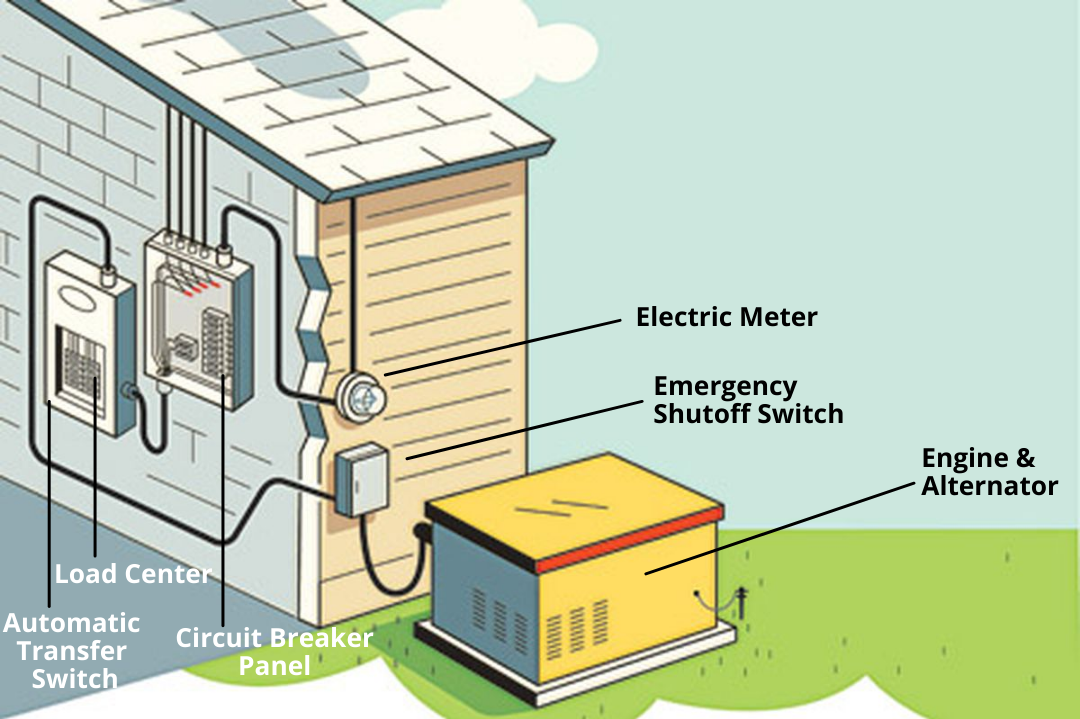
Standby generators are fixed in place. They automatically turn on during a power outage. These generators connect to your home’s electrical system.
They run on natural gas or propane. Standby generators can power the entire house. They are more expensive but provide reliable power.
Inverter Generators
Inverter generators are quiet and efficient. They produce clean power for sensitive devices. These generators adjust their power output based on demand.
They are portable and lightweight. Inverter generators are great for camping or tailgating. They offer convenience without sacrificing performance.
Key Components Of A Generator
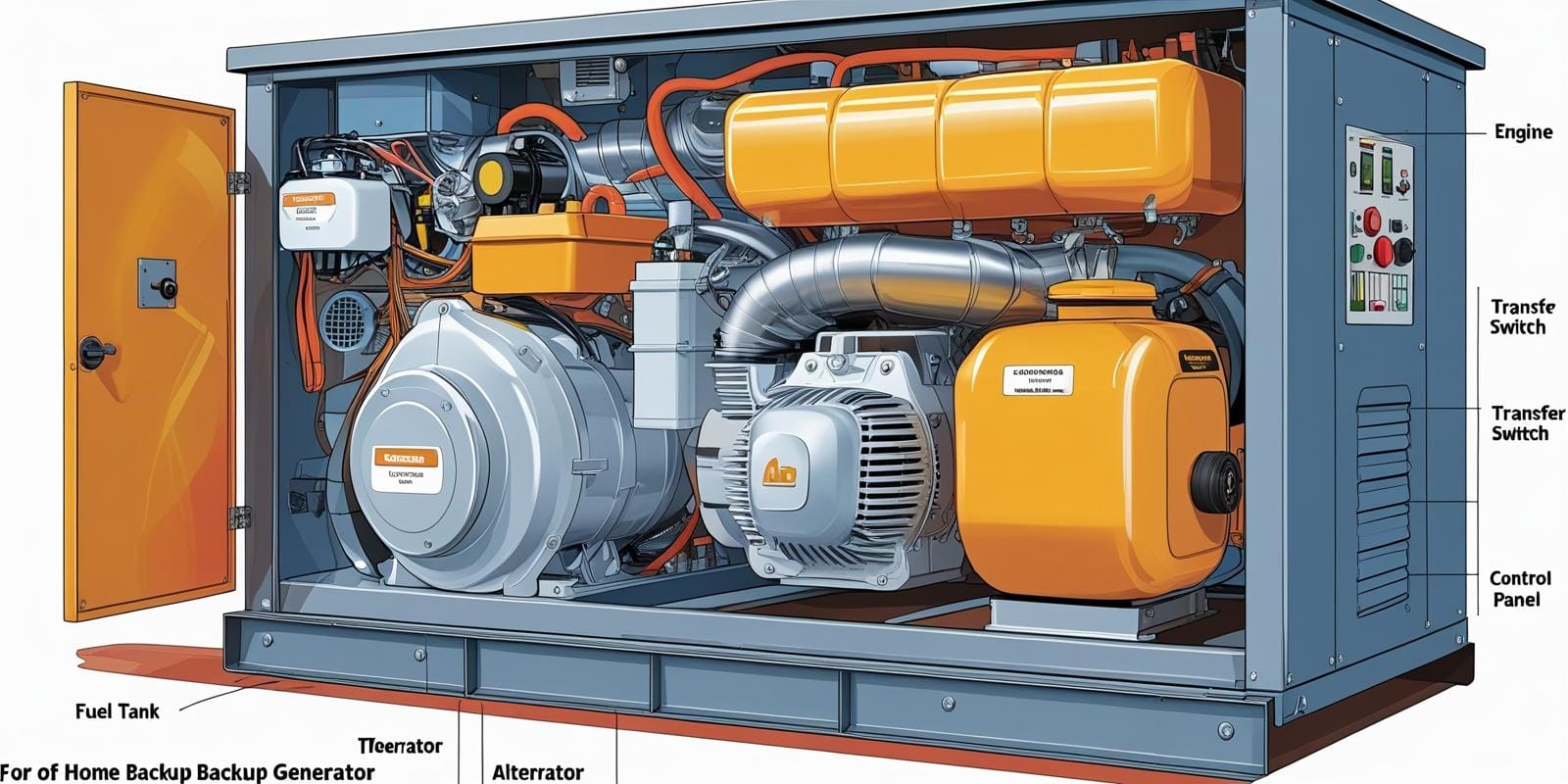
Backup generators work by converting fuel into electrical energy. Key components include the engine, alternator, and control panel. These parts work together to provide power during outages, ensuring essential devices stay operational. Understanding these elements helps users appreciate how generators function effectively.
Understanding the key components of a generator helps you appreciate how it provides power during outages. Each part plays a vital role in ensuring your generator runs smoothly and efficiently. Let’s break down these essential components.
Engine
The engine is the heart of the generator. It converts fuel into mechanical energy. This energy is what powers the alternator, enabling the generator to produce electricity. Engines can vary in size and type. Some run on gasoline, while others use diesel or propane. The choice depends on your specific needs and preferences.
Alternator
The alternator is the component that generates electricity. It transforms mechanical energy from the engine into electrical energy through electromagnetic induction. This process involves rotating a magnetic field within wire coils. The result? Your home gets the power it needs during an outage.
Fuel System
The fuel system stores and supplies fuel to the engine. It includes the fuel tank, fuel lines, and the carburetor or fuel injection system. Choosing the right fuel type is crucial. It affects the generator’s efficiency and running time. A larger tank means longer operation without refueling.
Control Panel
The control panel is your command center. It allows you to start, stop, and monitor the generator’s performance. Look for features like voltage meters and frequency displays. These can help you ensure the generator is functioning properly and alert you to any issues.
Cooling And Exhaust Systems
Cooling systems prevent the engine from overheating. They usually consist of a radiator or a fan. Without proper cooling, your generator can suffer damage. Exhaust systems direct harmful fumes away from the engine and your living space. They ensure safe operation and compliance with environmental regulations. Have you ever wondered how reliable your generator really is? Knowing these key components can help you assess its performance and make informed decisions about maintenance and upgrades.
Power Generation Process
Backup generators provide power when the main supply fails. They work by converting fuel, like gas or diesel, into electricity. This ensures that homes and businesses stay powered during outages, keeping essential devices running smoothly.
Understanding the power generation process of backup generators is crucial for anyone considering investing in one. Knowing how these systems convert fuel into usable electricity can help you make informed decisions about which generator best suits your needs. Let’s break down this process into three key areas: fuel combustion, mechanical energy conversion, and electrical output production.
Fuel Combustion
Fuel combustion is the first step in the power generation process. Backup generators typically run on gasoline, diesel, or propane. – Ignition: When you start the generator, the engine ignites the fuel-air mixture in the combustion chamber. – Energy Release: This combustion releases energy in the form of heat and expanding gases. You might be surprised to learn that the type of fuel you choose can affect both efficiency and performance. For instance, propane burns cleaner than diesel, which can lead to fewer emissions and easier maintenance.
Mechanical Energy Conversion
Once the fuel combusts, the next step is converting that energy into mechanical energy. – Piston Movement: The force from the combustion pushes the pistons within the engine. – Rotational Motion: As the pistons move, they turn the crankshaft, creating rotational motion. This mechanical energy is vital. If you’ve ever experienced a power outage, you know how essential it is to have a generator that can quickly convert fuel into usable energy. The speed of this conversion can mean the difference between a few minutes without power or several hours.
Electrical Output Production
The final step is generating electricity from that mechanical energy. – Alternator Function: The crankshaft connects to the alternator, which converts rotational energy into electrical energy using electromagnetic induction. – Voltage Regulation: Most modern generators include a voltage regulator to ensure a steady output. This process is what ultimately powers your home or business. Have you ever thought about how much you rely on electricity? The seamless transition from fuel to electrical output not only keeps your lights on but also powers essential appliances and systems during outages. Understanding these steps can empower you to choose the right generator for your needs, ensuring you stay connected when it matters most.
Fuel Types For Generators
Generators can run on different fuel types. Common options include gasoline, diesel, propane, and natural gas. Each fuel type affects how generators start and operate, influencing efficiency and run time. Understanding these fuels helps in choosing the right backup generator for your needs.
Understanding fuel types for backup generators is crucial for making the right choice for your needs. Each fuel option has its unique advantages and challenges. The right fuel can influence efficiency, cost, and even environmental impact. Let’s break down the most common fuel types used in generators.
Diesel
Diesel generators are popular due to their durability and fuel efficiency. They can run for long hours without needing a refill, making them ideal for extended outages. However, diesel can be more expensive upfront, and you need to consider storage requirements. If you live in an area prone to severe storms, a diesel generator might be a reliable choice.
Natural Gas
Natural gas generators are convenient and often cheaper to operate. They connect directly to your home’s gas line, eliminating the need for fuel storage. They are quieter than diesel generators, which is a big plus if you are in a residential area. However, they may not perform as well in extreme weather conditions. Would you feel comfortable relying on natural gas during a winter storm?
Propane
Propane generators offer flexibility with fuel storage. You can store propane in tanks, making it easier to keep a supply on hand. They burn cleaner than diesel and natural gas, which is better for the environment. One downside is that propane can be harder to find during emergencies. Have you thought about how much fuel you would need for your specific situation?
Gasoline
Gasoline generators are the most common type found in homes. They are often more affordable and easy to find. However, they have a shorter lifespan and can be less efficient than other types. Storage is also a concern, as gasoline can degrade over time. Have you ever checked the date on the gasoline in your shed?
Renewable Options
Renewable energy generators, such as solar-powered options, are gaining traction. They harness energy from the sun, reducing your carbon footprint significantly. While the initial investment can be higher, the long-term savings on fuel costs are appealing. Think about your energy consumption and whether a solar generator could meet your needs. Would you consider switching to a more sustainable option for your backup power? Choosing the right fuel type for your generator is essential to ensuring you have reliable power when you need it most. Each option has its pros and cons, so weigh them carefully based on your specific requirements.
Automatic Transfer Switch Function
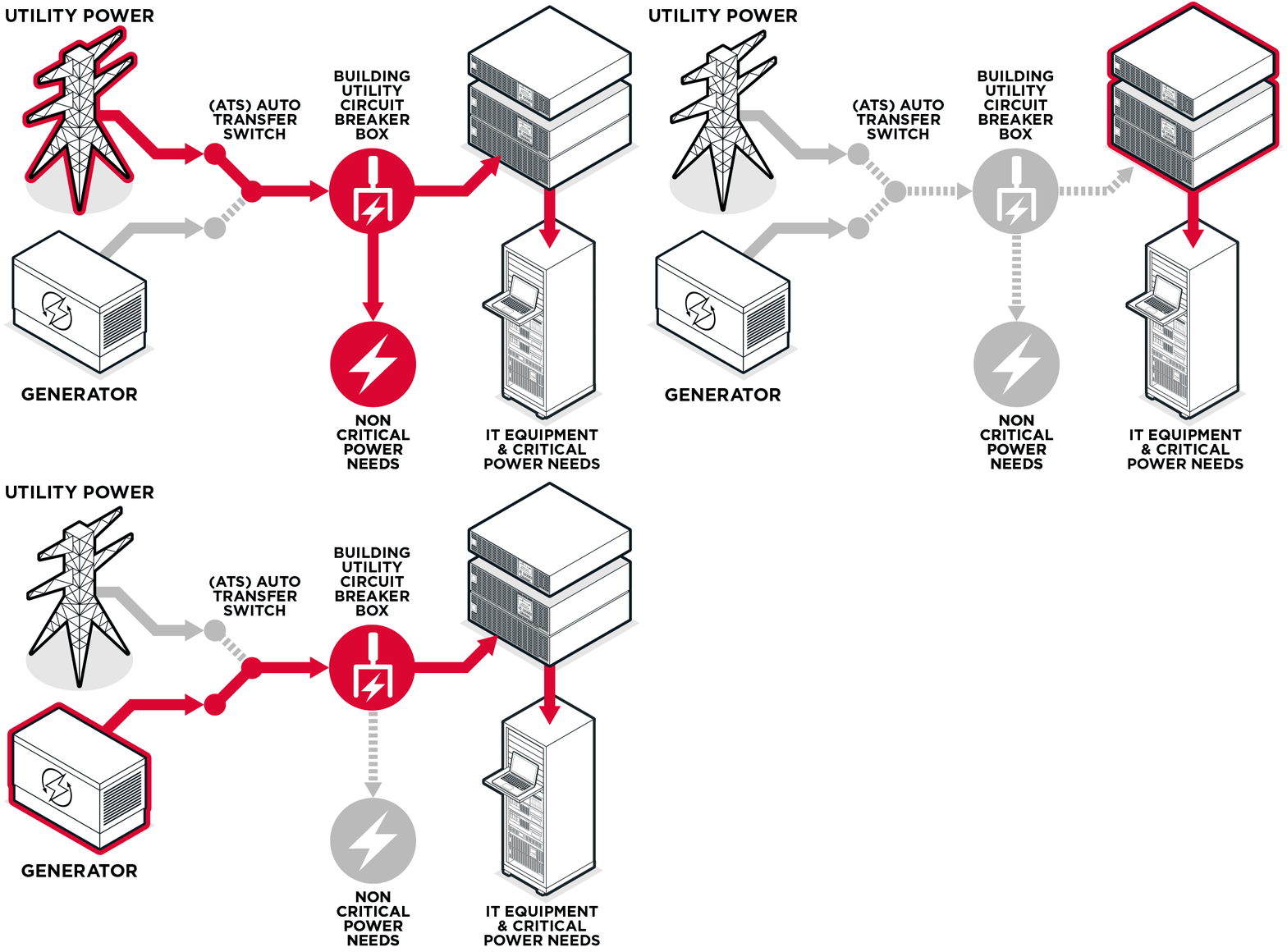
An automatic transfer switch (ATS) is essential for backup generators. It ensures a smooth power transition during outages. The ATS detects when the main power fails and starts the generator. This process happens quickly to keep your home powered. Understanding how the ATS works can help you appreciate its importance.
Detecting Power Outages
The ATS constantly monitors the main power supply. It checks for any interruptions or drops in voltage. When it detects an outage, it sends a signal to the generator. This signal tells the generator to start running. The ATS can detect power loss in seconds.
This quick response time is crucial. It prevents food spoilage and keeps essential appliances running. The ATS ensures your home remains safe and comfortable. It acts as a bridge between your home and the generator.
Switching Between Power Sources
Once the generator is running, the ATS switches power sources. It disconnects the home from the grid. This protects your home from backfeed. Backfeed can endanger utility workers. The ATS ensures that only the generator powers your home.
When the main power returns, the ATS switches back. It reconnects your home to the grid. The generator then shuts down automatically. This seamless transition keeps your life running smoothly.
Credit: www.cyberpowersystems.com
Power Capacity And Sizing
Backup generators provide power during outages. They work by converting fuel into electricity. Proper sizing ensures they meet energy needs effectively. Understanding power capacity helps in choosing the right generator for your home or business.
Power capacity and sizing are crucial factors when selecting a backup generator. Understanding these elements ensures that your generator meets your power needs efficiently. Choosing the right size not only affects performance but also impacts your budget and safety.
Assessing Power Needs
Start by identifying what you need to power during an outage. List the essential appliances and devices you rely on daily. Common items include: – Refrigerators – Heating or cooling systems – Lights – Medical equipment Next, check the wattage requirements for each item. You can usually find this information on the appliance label or in the user manual. Add up the starting and running watts. Remember, some devices require extra power to start up. For instance, a refrigerator may need 1,200 watts to run but 2,000 watts to start. Your total wattage will guide you in selecting the right generator size. Aim for a generator that can handle your peak load comfortably.
Matching Generator Output
After assessing your power needs, match them with the generator’s output. Generators come in various sizes, measured in watts. Here’s a simple table to help you visualize common generator sizes: | Generator Size | Power Output (Running Watts) | Suitable For | |—————-|——————————|——————————-| | 2,000 watts | Up to 1,600 watts | Small appliances, lights | | 5,000 watts | Up to 4,000 watts | Home essentials, HVAC units | | 10,000 watts | Up to 8,000 watts | Multiple appliances, larger homes | Consider your lifestyle too. If you work from home, ensure the generator can support your computer and internet setup. Do you plan to add more devices in the future? Opt for a generator with a slightly higher capacity. This foresight can save you from needing an upgrade down the line. Taking the time to assess your power needs and match them with the generator’s output will lead to a better investment. Are you ready to power your home efficiently?
Maintenance And Safety Tips
Maintaining your backup generator is key for safety and efficiency. Proper care ensures the generator works when needed. Regular maintenance can extend its lifespan. Follow these tips for best practices.
Regular Inspections
Check your generator every month. Look for signs of wear or damage. Listen for unusual sounds during operation. Make sure all connections are secure. Test the start-up function often. A simple test can prevent bigger issues.
Oil And Filter Changes
Change the oil every 100 hours of use. This keeps the engine running smoothly. Replace the oil filter at the same time. Dirty oil can cause serious damage. Follow the manufacturer’s guidelines for oil type.
Safe Fuel Storage
Store fuel in a cool, dry place. Use approved containers to prevent leaks. Keep fuel away from heat sources. Label containers clearly. Fuel can degrade over time. Replace old fuel to ensure reliability.
Proper Ventilation
Place your generator in a well-ventilated area. Avoid enclosed spaces to prevent carbon monoxide buildup. Install a carbon monoxide detector nearby. This device can save lives. Keep exhaust fumes away from living areas.
Benefits Of Backup Generators
Backup generators offer many advantages. They provide peace of mind during power outages. Understanding these benefits helps you decide if a generator is right for you.
Uninterrupted Power Supply
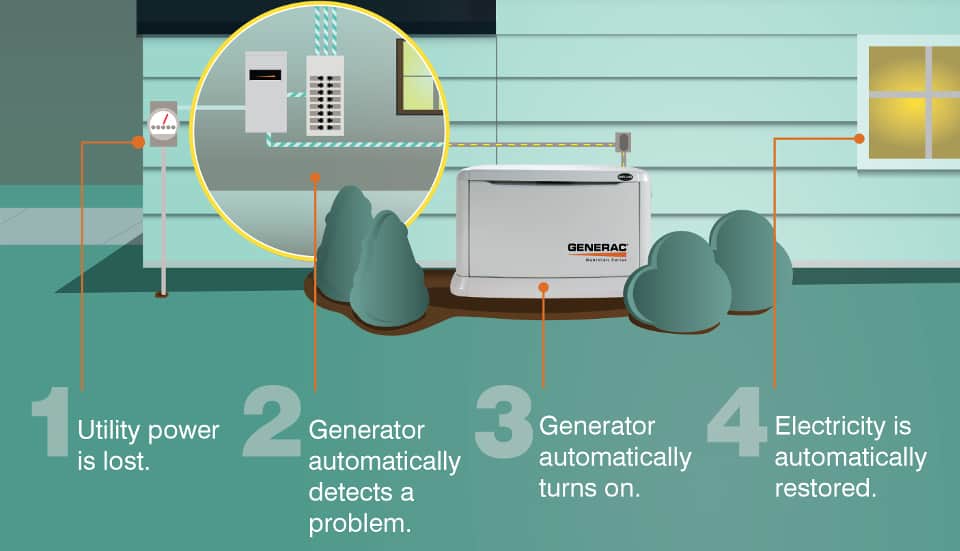
Backup generators ensure you have power when you need it. They kick in automatically during an outage. This means your home stays lit and your appliances keep running.
No need to worry about food spoiling in the fridge. You can continue working from home without interruption. Your daily life remains unaffected by sudden blackouts.
Emergency Readiness
Backup generators prepare you for emergencies. Storms and natural disasters can cause power loss. A generator ensures you are ready for these situations.
You can keep essential devices powered, like medical equipment. This can be crucial for your family’s safety. Generators provide comfort and security during unpredictable events.
Increased Property Value
Having a backup generator can boost your home’s value. Many buyers appreciate the convenience it offers. Homes with generators often attract more interest in the market.
This investment can pay off when you sell your home. Buyers see it as a valuable feature. A generator adds to your property’s appeal.
Common Issues And Troubleshooting
Backup generators are helpful during power outages. Yet, they can face problems. Knowing common issues can help you troubleshoot effectively. This section covers startup failures, fuel supply problems, and overheating risks.
Startup Failures
Many generators fail to start when needed. This can be frustrating and stressful. Often, the issue lies in the battery. A dead or weak battery won’t provide enough power. Regularly check battery health and connections.
Another cause of startup failure is a blocked air filter. Clogged filters restrict airflow. Clean or replace the filter to ensure proper function. Finally, check the oil level. Low oil can trigger safety features, preventing startup.
Fuel Supply Problems
Fuel supply issues can stop your generator from running. The first step is to check the fuel level. An empty tank means no power. Always keep your generator’s fuel tank filled.
Fuel quality matters too. Old or contaminated fuel can cause problems. Use fresh fuel and store it properly. Inspect fuel lines for leaks or blockages. Clean any debris to ensure smooth fuel flow.
Overheating Risks
Overheating can damage your generator. This often happens due to poor ventilation. Ensure the generator has enough space around it for airflow. Avoid placing it in enclosed areas.
Another cause of overheating is low oil levels. Always maintain the recommended oil level. Regular maintenance checks will help identify issues early.
Watch for unusual noises or smells. These may indicate overheating. Address problems quickly to prevent serious damage.
Credit: norwall.com
Frequently Asked Questions
How Do Backup Generators Function?
Backup generators operate by converting fuel into electricity. When the main power supply fails, the generator automatically kicks in. It uses an engine to create mechanical energy, which is then transformed into electrical energy through an alternator. This process ensures a seamless power supply during outages.
What Fuels Do Backup Generators Use?
Backup generators commonly use diesel, natural gas, or propane. Diesel generators are popular for their efficiency and durability. Natural gas generators are convenient for homes with existing gas lines. Propane generators are versatile and can be stored for emergency use.
Each fuel type has distinct advantages based on needs.
How Long Can Backup Generators Run?
The runtime of backup generators varies based on fuel type and capacity. Generally, they can run for several hours to days, depending on fuel supply. Diesel models often offer longer runtimes compared to gasoline ones. Regular maintenance and proper fuel management are essential for optimal performance.
Are Backup Generators Noisy?
Backup generators can produce noticeable noise levels during operation. The noise level depends on the generator’s size and type. Many modern units are designed to operate more quietly. Installing soundproof enclosures can help reduce noise further, making them more suitable for residential areas.
Conclusion
Backup generators play a vital role in keeping your home powered. They automatically start during an outage. This ensures that essential appliances keep running. Understanding how they work helps you choose the right one. Maintenance is key to their efficiency.
Regular checks can prevent problems. Investing in a backup generator offers peace of mind. Power outages can happen anytime. Be prepared to keep your home safe and comfortable. Explore your options and find the best fit for your needs. Your comfort matters, even when the lights go out.