

When the power goes out, the last thing you want is to be left in the dark. Knowing how to plug a generator into your house can be a game changer, providing you with the comfort and security you need during an outage.
Imagine having lights, heat, and your essential appliances running smoothly, all thanks to a reliable backup generator. But how do you safely connect it to your home? You’ll discover the step-by-step process, safety precautions, and tips to ensure everything works seamlessly.
Whether you’re a seasoned DIY enthusiast or a complete beginner, you’ll find valuable insights that make the task straightforward and stress-free. Keep reading to empower yourself with the knowledge that could keep your household running when it matters most.

Credit: www.reddit.com
Choosing The Right Generator
Choosing the right generator for your home is crucial. It can mean the difference between struggling in the dark during a power outage and enjoying the comfort of your daily routines. You want something reliable, efficient, and tailored to your specific needs.
Types Of Generators For Home Use
There are several types of generators available for home use. Understanding the differences can help you make an informed decision.
- Portable Generators:These are easy to move and can power essential appliances. They usually run on gasoline and are great for temporary use.
- Inverter Generators:These are quieter and provide stable power for sensitive electronics like computers. They are more fuel-efficient but may cost more.
- Standby Generators:Permanently installed, they kick in automatically during an outage. They can power your entire home but require a higher initial investment.
Consider how often you experience outages and what you need to power. This will guide your choice between portable, inverter, or standby options.
Power Requirements And Capacity
Your generator’s capacity must match your power needs. Start by listing the appliances you want to power during an outage.
- Refrigerator
- Heating/Cooling systems
- Lights
- Medical equipment (if needed)
Each appliance has a wattage requirement. Sum these numbers to determine your total power needs. Generators are rated in watts, so choose one that exceeds this total to ensure smooth operation.
Remember to account for starting watts, which can be higher than running watts for some appliances. Not doing so might leave you in the dark when you need it the most.
Key Safety Features To Look For
Safety should be your top priority when choosing a generator. Look for models equipped with essential safety features.
- Automatic Shutoff:This feature prevents the generator from overheating or running out of fuel.
- CO Shutdown:Carbon monoxide detection is crucial. Generators should shut off automatically if CO levels become unsafe.
- Ground Fault Circuit Interrupters (GFCI):These protect you from electrical shocks, especially in wet conditions.
Never overlook safety. A generator is a powerful tool, but it can also pose risks if not used properly. Keeping your family safe is worth the extra time spent on research.
Are you ready to make a choice? Understanding these aspects of generators can help you find the perfect fit for your home. Don’t wait until the next outage to decide!
Preparing For Installation
Installing a generator at home requires careful planning. You must ensure everything is safe and efficient. Follow these steps to prepare for installation.
Assessing Your Home’s Electrical Needs
Start by checking how much power you need. List the appliances you want to run during an outage. Consider essential items like refrigerators, lights, and heaters. Calculate the total wattage for these devices. This helps you choose the right generator size.
Think about future needs as well. Will you add more devices later? Always choose a generator that meets your current and future demands.
Gathering Essential Tools And Materials
Gather all necessary tools before you begin. You will need a wrench, screwdrivers, and pliers. Also, collect safety gear like gloves and goggles. Ensure you have the correct cables for connections.
Purchase a transfer switch if you don’t have one. This device helps safely connect the generator to your home. Having everything ready will make the installation process smoother.
Understanding Local Regulations And Permits
Check local laws regarding generator installation. Some areas require permits for home generators. Contact your local building department for details. Understand safety codes and zoning laws in your area.
Following regulations ensures safe operation. This also prevents potential fines or issues later. Make sure to comply with all local requirements.
Using A Transfer Switch
A transfer switch allows safe connection of a generator to your home. This device prevents backfeeding into the grid, protecting both your home and utility workers. Proper installation is crucial for effective power transfer during outages.
Using a transfer switch is one of the safest and most efficient ways to connect your generator to your home. It ensures that power from your generator is properly routed to your home’s electrical system without backfeeding into the grid. Backfeeding can be extremely dangerous, not only for utility workers but also for your home’s electrical system.What Is A Transfer Switch?
A transfer switch is a device that safely connects your generator to your home’s electrical system. It isolates the generator from the utility lines, preventing any accidental backfeed. This switch allows you to easily control which circuits in your home receive power from the generator during an outage. If you’re tired of fumbling with extension cords and want a more permanent solution, this is the way to go. With a transfer switch, you can power essential appliances and lights with just a flip of a switch.Benefits Of A Transfer Switch
Using a transfer switch offers numerous advantages. Here are some key benefits: – Safety: It prevents backfeeding, which can harm utility workers and damage your generator. – Convenience: It allows for easy power management in your home. You can choose which circuits to power without the hassle of running cords. – Code Compliance: Many local building codes require a transfer switch for connecting a generator to a home’s wiring. Installing one helps you stay compliant with safety regulations. Consider how much easier your life could be during a power outage. Imagine flipping a switch and having your refrigerator, lights, and essential devices powered instantly. Wouldn’t that peace of mind be worth it?Installing A Transfer Switch Step-by-step
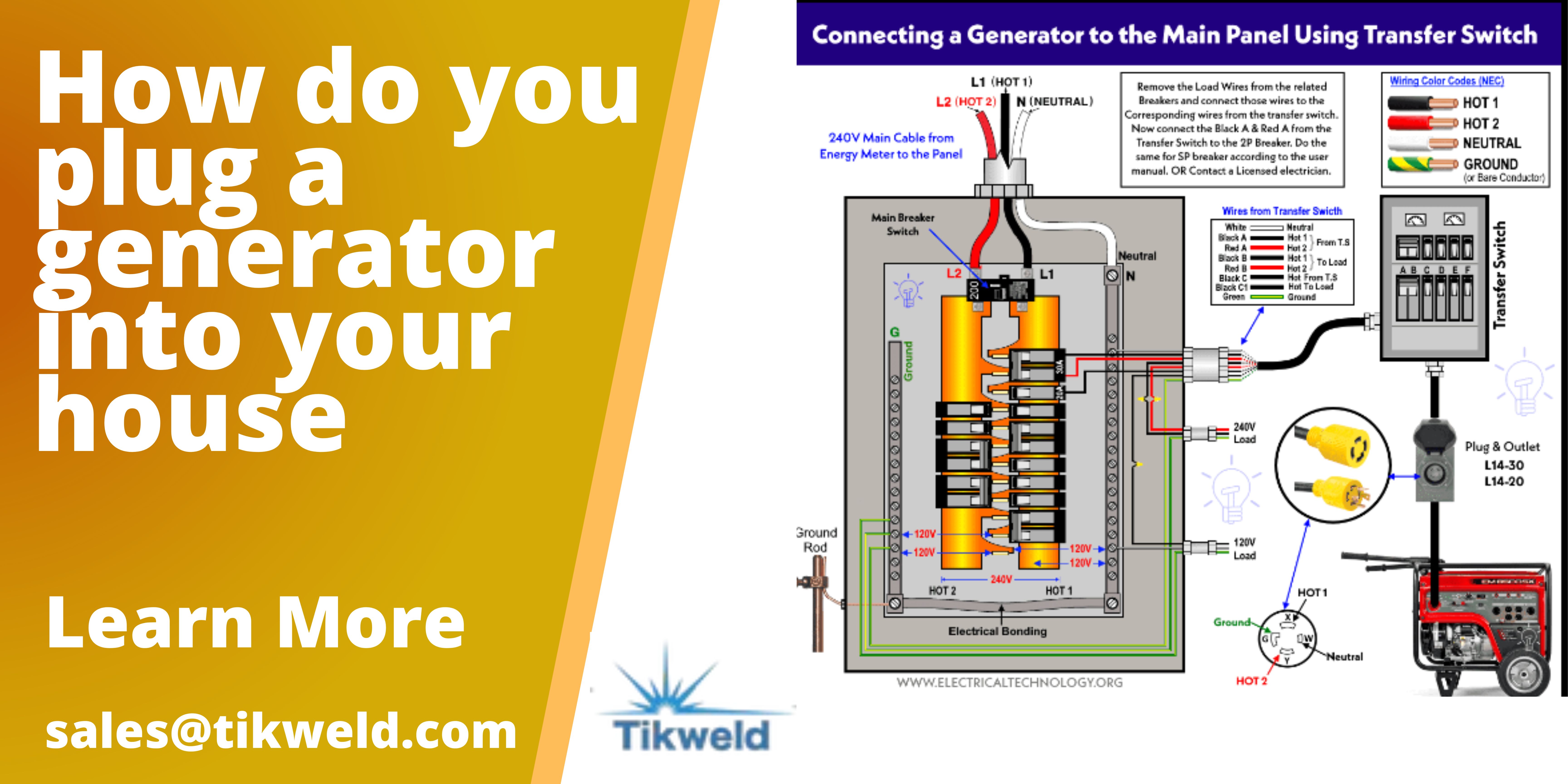
Installing a transfer switch is a manageable DIY project, but it requires attention to safety. Here’s how you can do it:- Choose the Right Transfer Switch:Determine your power needs and select a switch that can handle the load.
- Gather Your Tools:You’ll need a screwdriver, wire cutters, pliers, and safety gear.
- Shut Off Power:Ensure you turn off the main breaker to avoid electric shock.
- Mount the Transfer Switch:Install the switch near your main electrical panel. Follow the manufacturer’s instructions for proper placement.
- Connect Wires:Attach the wires from the generator to the transfer switch, and connect the circuits you want to power.
- Test the System:After installation, turn the power back on and test the switch with your generator to ensure everything works correctly.
Using An Interlock Kit
An interlock kit safely connects a generator to your home’s electrical system. This setup prevents backfeeding, which can harm utility workers and your equipment. Use it to power your home easily during outages.
Using an Interlock Kit can be a practical solution for connecting your generator to your home. This method ensures safety while allowing you to power your essential appliances during an outage. Many homeowners prefer interlock kits due to their straightforward design and ease of use.How Interlock Kits Work
Interlock kits are designed to work with your home’s main electrical panel. They allow you to connect a portable generator without back-feeding electricity into the grid, which is critical for safety. When the generator is running, the interlock kit prevents the main power from the utility company from being active. This ensures that only one source of power is supplied at a time. The kit includes a switch that physically prevents you from turning on both the generator and the grid power simultaneously. This feature protects you, your home, and utility workers who may be repairing lines.Installation Guidelines
Installing an interlock kit requires some basic tools and a good understanding of your electrical panel. Here’s a simple guideline to help you get started: – Turn off the main power: Safety first! Make sure the power is completely off before you begin. – Remove the panel cover: Carefully take off the electrical panel cover to access the circuit breakers. – Install the interlock kit: Follow the manufacturer’s instructions to install the interlock mechanism. Ensure it fits securely and aligns with your circuit breakers. – Connect the generator outlet: Mount the generator inlet box to the outside of your house, connecting it to the interlock kit inside. – Test the setup: After installation, turn everything back on and test to ensure the interlock is working properly. Having a professional electrician check your work can provide peace of mind and ensure everything is up to code.Comparing Interlock Kits And Transfer Switches
Interlock kits and transfer switches serve a similar purpose but have key differences. – Cost: Interlock kits are generally more affordable than transfer switches. This makes them a popular choice for many homeowners on a budget. – Installation complexity: Interlock kits often require less installation time than transfer switches. You might appreciate the straightforward setup if you’re a DIY enthusiast. – Flexibility: Transfer switches allow for more circuits to be powered at once compared to interlock kits. If you need to run multiple appliances simultaneously, a transfer switch might be the better option. Consider your needs carefully. What will you prioritize: cost, ease of installation, or the ability to power more devices? Choosing the right option ultimately depends on your specific circumstances and preferences. Think about your usage patterns and how often you rely on a generator.Setting Up The Generator
Connecting a generator to your home requires careful steps. First, find a suitable power inlet and ensure it’s safe. Use a transfer switch for proper connection. This helps prevent backfeeding, keeping your home and generator secure during power outages.
Setting up a generator for your home can be a game changer, especially during power outages. You want to ensure it’s done safely and effectively. Proper setup not only guarantees that your appliances run smoothly but also keeps you and your home safe from hazards. Let’s break down the essential steps to get your generator up and running.Positioning The Generator Safely
Choose a well-ventilated area for your generator. Avoid placing it inside your garage or home, as this can lead to dangerous carbon monoxide buildup. Instead, position it outside, at least 20 feet away from your house. Ensure the ground is stable and dry. Placing it on a solid surface helps prevent it from tipping over. You might consider using a mat to absorb vibrations and provide extra stability. Consider the proximity to your power inlet or transfer switch. The closer it is, the easier the connection will be. Just be sure to keep it far enough away from doors and windows to prevent exhaust fumes from entering your home.Connecting The Generator To The House
Use a transfer switch to connect your generator to your home’s electrical system. This switch ensures that power flows only from one source at a time, preventing backfeeding into the grid, which can be extremely dangerous. Make sure you have the right cables. Heavy-duty extension cords are essential for connecting appliances directly to the generator. For whole-house power, consult a licensed electrician for proper installation of the transfer switch. Once everything is in place, plug in your generator to the transfer switch. Follow the manufacturer’s instructions carefully. Ensuring all connections are secure will provide peace of mind when you need it most.Testing The Connection
After setting everything up, it’s time to test the connection. Start your generator and let it run for a few minutes. Check if all connected appliances are functioning properly. Keep an eye on the generator’s gauges. This helps you monitor fuel levels and electrical output. If any issues arise, turn off the generator and troubleshoot before attempting to use it again. Regular testing ensures that your generator is ready when you need it. Consider scheduling monthly tests to keep everything in top shape. How confident are you in your generator setup? Regular practice can help you feel more prepared for any situation.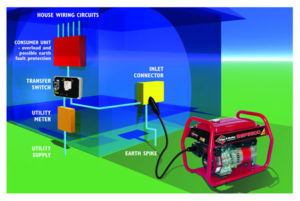
Credit: www.jec.coop
Safety Precautions
Using a generator safely at home is crucial. Follow proper guidelines to connect it to your house. Always use a transfer switch to prevent back-feed, and ensure your generator is in a dry, well-ventilated area. Safety first protects both your home and your family.
When it comes to plugging a generator into your house, safety precautions are crucial. Ensuring your family’s safety and protecting your home from potential hazards should always be your top priority. Let’s dive into some essential safety measures you should consider.Avoiding Carbon Monoxide Hazards
Carbon monoxide (CO) is a silent killer. This colorless, odorless gas can accumulate quickly in enclosed spaces. – Always use your generator outdoors, away from windows and doors. – Install a battery-operated carbon monoxide detector in your home. Regularly check the battery to ensure it’s functioning. If you ever feel dizzy or nauseous while using your generator, seek fresh air immediately. Have you ever thought about how many appliances you use daily? Each one could contribute to indoor air pollution if not used correctly.Preventing Electrical Overloads
Overloading your generator can lead to dangerous situations. Know the wattage of your generator and the total wattage of the appliances you plan to run. – Create a list of essential devices you need during a power outage. – Prioritize these devices to avoid plugging in too many at once. Consider using a transfer switch. This device ensures safe connections and prevents back-feeding into the electrical grid, which can be deadly. How often do you check your household’s electrical needs? Staying informed can help you avoid potential hazards.Regular Maintenance And Inspections
A well-maintained generator is a safe generator. Before each use, check the oil level, fuel quality, and any signs of wear. – Schedule regular inspections by a professional. – Keep the generator clean and free from debris. Investing time in maintenance can prevent costly repairs and ensure your generator operates safely. Do you remember the last time you inspected your generator? Small actions can make a significant difference in safety.Tips For Efficient Operation
Using a generator can be simple. Keep it running well for best results. Here are some easy tips to improve your generator’s efficiency.
Fuel Management Strategies
Choose the right fuel for your generator. Use fresh fuel. Old fuel can cause problems. Store fuel in a cool, dry place. Check for contamination before filling your generator.
Monitor fuel levels regularly. Running low can damage the generator. Keep extra fuel on hand for emergencies. Use a funnel to avoid spills when refueling.
Minimizing Noise And Vibration
Generators can be loud and shaky. Place your generator on a flat surface. This reduces vibrations. Use rubber mats to help absorb noise.
Keep the generator away from windows and doors. This helps lessen sound inside your home. Consider using a soundproof enclosure. It can lower noise levels significantly.
Extending The Life Of Your Generator
Regular maintenance is key. Check oil levels often. Change the oil as needed. Clean or replace air filters to keep it running smoothly.
Inspect spark plugs regularly. Replace them if they look worn. Store the generator properly when not in use. Cover it to protect it from dust and moisture.
Credit: tikweld.com
Frequently Asked Questions
How Can I Safely Connect A Generator To My House?
To safely connect a generator to your house, use a transfer switch. This device isolates the generator from the grid, preventing backfeed. Always follow local codes and regulations. Consult an electrician if you’re unsure about the installation process. Safety is crucial when dealing with electricity.
What Size Generator Do I Need For My Home?
The size of the generator depends on your power needs. Calculate the wattage of essential appliances you want to run. A common home generator ranges from 5,000 to 10,000 watts. It’s advisable to choose a generator that exceeds your calculated needs for optimal performance.
Can I Use Extension Cords With My Generator?
Yes, you can use extension cords with your generator. However, ensure they are rated for outdoor use and meet the wattage requirements. Connect them to the generator’s outlets directly. Avoid plugging your generator into a wall outlet as it poses serious safety risks.
Do I Need A Permit To Install A Generator?
In many areas, a permit is required to install a generator. Check with your local building department for specific regulations. Permits ensure the installation meets safety standards and local codes. Always consult a licensed electrician for guidance on obtaining the necessary permits.
Conclusion
Connecting a generator to your home is important for safety and efficiency. Follow the proper steps to ensure a successful setup. Always use a transfer switch to prevent back-feeding. Check local codes for compliance. Remember to keep the generator outdoors to avoid carbon monoxide poisoning.
Regular maintenance keeps your generator in good shape. With careful planning, you can stay powered during outages. Take your time and follow guidelines. This way, you ensure safety and reliability for your home. Stay prepared and enjoy peace of mind during any power failure.