

Mold can be a serious problem in your home. It not only damages your property but can also affect your health.
If you’ve discovered mold or are worried about its presence, you might be looking for effective solutions. One option that often comes up is using an ozone generator. But will it really help with mold? We’ll dive deep into how ozone generators work, their effectiveness against mold, and any potential risks you should be aware of.
By the end, you’ll have a clearer understanding of whether an ozone generator is the right choice for your situation. Keep reading to find out how you can take control of your indoor air quality and protect your home from mold.
How Ozone Generators Work
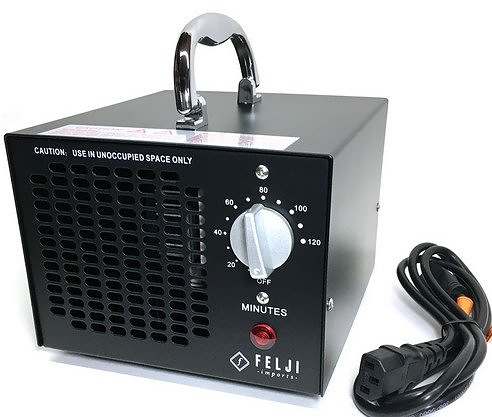
Ozone generators create ozone gas. Ozone is a form of oxygen. It has three oxygen atoms instead of two. This makes it very reactive. Ozone can kill mold and bacteria. It can also remove odors. Let’s look at how they operate.
Production Of Ozone
Ozone generators produce ozone through two main methods. The first method is corona discharge. This method uses electricity. It breaks apart oxygen molecules. This process creates ozone.
The second method is ultraviolet (UV) light. UV light also splits oxygen molecules. This generates ozone gas. Both methods are effective in making ozone.
How Ozone Kills Mold
Ozone attacks the cell structure of mold. It disrupts the mold’s ability to grow. Ozone also damages the mold’s DNA. This makes it hard for mold to survive. When exposed to ozone, mold dies quickly.
Proper Usage Of Ozone Generators
Use ozone generators carefully. They can be harmful to humans and pets. Always leave the area during operation. Ensure proper ventilation after use. Wait a few hours before returning.
Follow the manufacturer’s instructions. This ensures safe and effective use. Monitor ozone levels in the air. Keep exposure low for safety.
Ozone generators are not a complete solution. They do not remove mold from surfaces. Cleaning is still necessary. Ozone may not reach all areas of mold growth. Hidden mold in walls or ceilings may survive.
Use ozone generators as part of a bigger plan. Combine it with cleaning and humidity control. This approach will help keep your space mold-free.
Mold Growth And Challenges
Mold growth can be a persistent problem, especially in damp or humid environments. It thrives in areas with poor ventilation and moisture, often leading to health issues and property damage. Understanding the challenges mold presents is crucial for effective prevention and remediation.
Mold: A Hidden Threat
Mold can develop in hidden spaces, making it hard to detect until it becomes a significant issue. Attics, basements, and behind walls are common places where mold can thrive unnoticed. This stealthy nature means that by the time you see visible signs, the problem may be much larger than it appears.
Health Risks Associated With Mold
Exposure to mold can lead to a range of health problems. Allergies, respiratory issues, and skin irritations are just the beginning. If you or someone in your home has asthma or other respiratory conditions, mold can exacerbate these issues.
Challenges In Mold Removal
Removing mold is not just about cleaning surfaces. It often requires addressing the underlying moisture problem. If you don’t fix the source of the moisture, mold is likely to return, creating a cycle of ongoing challenges.
After dealing with a mold issue in my bathroom, I discovered how critical it is to pinpoint the source of moisture. I thought a simple cleanup would suffice, but without fixing the leaky faucet, the mold returned, teaching me that prevention is equally important.
The Role Of Ozone Generators
Ozone generators can be a useful tool in the fight against mold. They work by producing ozone, which can kill mold spores and eliminate odors. However, relying solely on ozone generators may not solve the problem if the moisture issue isn’t addressed.
Have you ever tried using ozone to tackle mold? It’s worth considering, but remember that mold thrives where moisture lingers. Always ensure your space is dry and well-ventilated before and after using an ozone generator.
Ozone’s Impact On Mold
Ozone is a gas made of three oxygen atoms. It can affect mold in different ways. Many people wonder if ozone generators can help remove mold from homes.
How Ozone Kills Mold Spores
Ozone can kill mold spores in the air. It attacks the cell walls of the mold. This damage prevents the mold from growing. High levels of ozone can be effective in reducing mold.
Limitations Of Ozone For Mold Removal
Ozone does not remove mold from surfaces. It cannot reach all hidden mold areas. This means it should not be the only solution. Other cleaning methods are still important.
Health Risks Of Ozone Exposure
Ozone can be harmful to human health. Breathing in ozone can cause respiratory issues. It is important to use ozone generators safely. Always follow the instructions carefully.
Best Practices For Using Ozone Generators
Turn off ozone generators when people are present. Ventilate the area well after use. Clean surfaces before using ozone. This helps improve effectiveness.
Credit: moldcontrolpanama.com
Benefits Of Using Ozone Generators
Ozone generators can be useful for dealing with mold. They produce ozone, which is a powerful oxidizer. This helps to kill mold spores and other allergens. Many people turn to ozone generators for better air quality.
Effective Mold Removal
Ozone can reach hidden areas. It penetrates walls, carpets, and furniture. This helps to eliminate mold spores that regular cleaning may miss.
Improved Air Quality
Using an ozone generator can reduce odors. It helps to remove musty smells associated with mold. Breathing cleaner air can lead to better health.
Quick Treatment Process
Ozone generators work fast. Many units treat an entire room in hours. This efficiency makes them a popular choice for mold removal.
Cost-effective Solution
Ozone generators can save money. They reduce the need for professional mold remediation. Homeowners can handle mold issues on their own.
Environmentally Friendly
Ozone is a natural gas. It does not leave harmful residues. Using ozone generators is safer for the environment compared to chemical cleaners.
Limitations Of Ozone Generators
Ozone generators promise to tackle mold problems effectively, but they come with significant limitations. Understanding these drawbacks is essential for anyone considering their use in mold remediation. Here’s what you need to know.
Not A Complete Solution
Relying solely on an ozone generator to eliminate mold is misleading. While ozone can kill some mold spores, it does not address the root cause of the problem. Mold thrives in damp areas, so if you don’t fix the moisture issue, the mold will likely return.
Also, ozone is not effective against all types of mold. Some strains can survive even higher concentrations. Therefore, using an ozone generator alone might give a false sense of security.
Health Risks
Ozone itself can be harmful to your health. High levels of ozone exposure can lead to respiratory issues, throat irritation, and other health problems. If you have children, pets, or individuals with pre-existing health conditions in your home, using an ozone generator can pose serious risks.
Many users have reported feeling unwell after using these devices. You must consider if the potential health risks outweigh the benefits.
Limited Reach
Ozone generators work best in closed spaces. If mold is hidden behind walls, under carpets, or in other hard-to-reach areas, the ozone may not penetrate effectively. This limitation can lead to incomplete mold removal.
Have you ever noticed a lingering musty smell despite using an ozone generator? That could indicate that mold is still lurking in areas the ozone couldn’t reach.
Time And Efficiency
Using an ozone generator takes time. You may need to run it for several hours or even days for effective results. This can be inconvenient, especially if you need immediate relief from mold problems.
In my experience, waiting for the ozone generator to do its job often leads to impatience and frustration. Many people find that they prefer faster, more direct methods of mold removal.
Cost Considerations
Ozone generators can be expensive, and they may require maintenance or replacement filters. You might find that investing in professional mold remediation services is more cost-effective in the long run. Don’t overlook the potential costs associated with prolonged ozone use.
Have you considered all your options before committing to an ozone generator? It’s essential to weigh the costs against the potential benefits carefully.
Legal And Safety Regulations
Some areas have regulations regarding the use of ozone generators due to their health risks. Before purchasing one, check local laws to ensure you’re not violating any codes. Ignoring these regulations can lead to legal issues and fines.
Have you looked into the regulations in your area? It’s a critical step that shouldn’t be overlooked.
Safety Concerns And Precautions
Using an ozone generator to combat mold can seem like a great solution, but safety concerns and precautions are crucial to consider. Ozone, while effective at eliminating odors and some contaminants, can pose health risks if not handled properly. Understanding these risks will help you make informed decisions about using an ozone generator in your home.
Health Risks Of Ozone Exposure
Ozone is a powerful oxidant. Breathing it in can lead to respiratory problems, eye irritation, and throat discomfort. If you have asthma or other lung conditions, the risks increase significantly.
Even healthy individuals can experience symptoms like coughing, chest pain, and shortness of breath. Always consider the potential health impacts before turning on the machine.
Proper Ventilation Is Key
When using an ozone generator, good ventilation is essential. Keeping windows and doors open will help disperse ozone more quickly, reducing its concentration indoors. This simple step can make a big difference in minimizing health risks.
Try to maintain a flow of fresh air throughout the space. You can use fans to assist with circulation. Always prioritize your health and safety over mold removal efficiency.
Follow Manufacturer Guidelines
Every ozone generator comes with specific instructions. Read and follow these guidelines carefully. Ignoring them can lead to unsafe situations.
Some units may require you to vacate the area during operation. Make sure to adhere to the recommended exposure times. Knowing how long to run the generator will help ensure safety.
Protect Sensitive Areas
Consider areas of your home that may be more sensitive to ozone exposure. Pets, plants, and even certain materials can react negatively to ozone. Always remove or protect these items before using the generator.
For instance, if you have a beloved houseplant, it might not fare well in a high-ozone environment. Think about how you can safeguard your belongings while still tackling the mold issue.
Monitor Ozone Levels
Using an ozone generator? Consider investing in an ozone monitor. These devices can help you track ozone levels in your home. This way, you can ensure that levels remain safe for you and your family.
Regular monitoring allows you to make adjustments as needed. It also gives you peace of mind knowing that you’re not exposing yourself to harmful concentrations.
Have you ever faced a mold problem in your home? How did you handle it while ensuring safety? Your experiences can guide others in making safe choices.
Alternative Mold Removal Methods
Ozone generators are often suggested for mold removal. They release ozone gas, which may kill mold spores. However, using them safely requires caution, as high ozone levels can be harmful to health. Consider other methods alongside ozone for effective mold removal.
Alternative mold removal methods can provide effective solutions for tackling mold issues in your home. While ozone generators might seem like a quick fix, it’s crucial to explore other options that can ensure complete mold eradication. Here’s a breakdown of some alternative methods you can consider.1. Vinegar
Vinegar is a natural and powerful mold killer. – Why it works: The acidity of vinegar can kill about 82% of mold species. – How to use: Spray undiluted white vinegar directly onto the moldy area and let it sit for at least an hour. Wipe it clean with water afterward. Many people have found success with vinegar, as it’s non-toxic and leaves no harsh chemical smell. You can easily find it in your kitchen!2. Baking Soda
Baking soda is another household item that can effectively combat mold. – Why it works: It’s a mild anti-fungal and can absorb moisture. – How to use: Mix one-quarter of a tablespoon of baking soda with water in a spray bottle. Spray the solution on the mold, scrub, and rinse. Using baking soda not only helps remove mold but also prevents its return. How convenient is that?3. Hydrogen Peroxide
Hydrogen peroxide is an effective mold remover that is often overlooked. – Why it works: It has antifungal and antibacterial properties. – How to use: Use a 3% solution in a spray bottle, apply it to the moldy area, and let it sit for 10 minutes before scrubbing. It’s a great alternative if you want a stronger solution without resorting to harsh chemicals.4. Professional Mold Remediation
Sometimes DIY methods just aren’t enough, especially for large infestations. – Why it’s necessary: Professionals have the tools and expertise to tackle severe mold problems safely. – What to expect: They will assess the situation, remove the mold, and advise you on preventing future growth. Hiring professionals can save you time and ensure that the mold is completely eliminated. Have you considered the potential hidden mold that could be lurking in your walls?5. Dehumidifiers
Keeping moisture levels in check is crucial to mold prevention. – Why it’s effective: Dehumidifiers reduce humidity, creating an environment where mold struggles to thrive. – How to use: Place dehumidifiers in areas prone to dampness, such as basements or bathrooms. Regularly using a dehumidifier can greatly reduce mold growth. Are you monitoring your home’s humidity levels? Using these alternative methods alongside regular cleaning and maintenance can significantly reduce your mold problems. It’s about finding what works best for you and your home. Remember, addressing mold early can prevent bigger issues down the line.
Credit: jenesco.com
Choosing The Right Solution
Choosing the right solution for mold removal can be overwhelming. With various options available, it’s essential to understand what works best for your specific situation. Ozone generators are one tool in the battle against mold, but are they the right choice for you?
Understanding Ozone Generators
Ozone generators produce ozone gas, which can kill mold spores and bacteria. However, it’s crucial to note that ozone can also be harmful to humans and pets. Using an ozone generator requires caution and proper guidelines.
Assessing Your Mold Problem
Before deciding on an ozone generator, assess the extent of your mold problem. Is it a small patch in the bathroom, or has it spread throughout your home? For minor issues, cleaning with vinegar or a commercial mold remover might be sufficient.
If you have a larger infestation, a professional inspection may be necessary. Mold can hide in walls and ceilings, making it hard to detect without expert help.
Considering Safety Precautions
Safety is paramount when using an ozone generator. Make sure to vacate the area being treated. Ensure that pets and plants are also removed to prevent any adverse reactions.
After treatment, allow the space to ventilate thoroughly before re-entering. This ensures that any remaining ozone dissipates, making the environment safe again.
Evaluating Effectiveness
Many users report that ozone generators help in reducing mold odors and visible mold. However, results can vary. It’s important to combine ozone treatment with other methods, like cleaning and fixing moisture problems, for better results.
Have you ever tried an ozone generator? Sharing your experience can help others make informed decisions.
Exploring Alternative Solutions
- Use HEPA air purifiers for continuous air quality improvement.
- Consider dehumidifiers to reduce moisture levels.
- Regular cleaning with mold-killing solutions can prevent mold growth.
Each solution has its pros and cons. Weighing these options can lead you to the best choice for your needs.
Making An Informed Decision
Ultimately, the choice of using an ozone generator for mold removal depends on your specific situation. Analyze the severity of your mold issue, consider safety measures, and explore all available solutions. Your home’s health is worth the effort.

Credit: www.maxozoneusa.com
Frequently Asked Questions
Can Ozone Generators Eliminate Mold Effectively?
Ozone generators can help reduce mold spores in the air. However, they do not remove the mold itself from surfaces. For effective mold removal, physical cleaning and remediation are necessary. Ozone should be used cautiously, as high levels can be harmful to health.
Are Ozone Generators Safe For Indoor Use?
Using ozone generators indoors can pose health risks. Ozone can irritate the lungs and worsen respiratory issues. It’s essential to follow safety guidelines and allow time for the ozone to dissipate before re-entering the area. Always prioritize safety when using these devices.
How Long Does It Take For Ozone To Kill Mold?
The time it takes for ozone to kill mold varies. Generally, ozone needs several hours to effectively reduce mold spores. Factors include mold type, concentration of ozone, and environmental conditions. Always monitor the area and consider professional help for severe mold infestations.
Do Ozone Generators Eliminate Musty Odors From Mold?
Yes, ozone generators can help eliminate musty odors caused by mold. Ozone interacts with odor molecules and neutralizes them. However, addressing the underlying mold issue is crucial for long-lasting results. Proper ventilation and cleaning should accompany ozone treatment for best effects.
Conclusion
Ozone generators can help reduce mold in some situations. They work by killing mold spores in the air. However, they are not a complete solution. Proper cleaning and moisture control are also needed. Always follow safety guidelines when using an ozone generator.
For serious mold problems, consider consulting a professional. Understanding these tools is important. They can be part of a larger plan to fight mold. Taking action now can lead to a healthier home.