
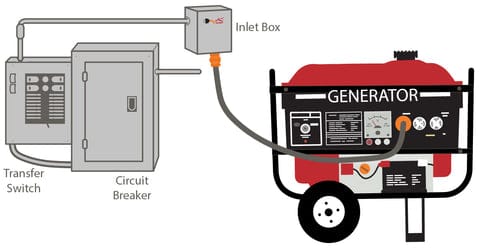
Are you tired of power outages leaving you in the dark? Do you want a reliable way to keep your home running smoothly during emergencies?
A generator transfer switch could be the solution you need. This essential device allows you to safely connect a generator to your home’s electrical system, providing power when you need it most. You’ll discover how to install and use a generator transfer switch effectively.
We’ll break down the process into simple steps, ensuring you feel confident and prepared. By the end, you’ll have all the knowledge you need to keep your home powered up, no matter what. Let’s get started!
What Is A Transfer Switch
A transfer switch is a vital part of a generator system. It connects the generator to your home’s electrical system. This device helps manage power during outages.
When the power goes out, the transfer switch allows you to switch to generator power. This keeps your essential appliances running. Without it, backfeeding can occur. This is dangerous for utility workers and can damage your equipment.
There are two main types of transfer switches: manual and automatic. Manual switches require you to operate them. You flip a switch to change the power source.
Automatic transfer switches do this for you. They sense power loss and switch to the generator. This is convenient and safer for your home.
Why Use A Transfer Switch
A transfer switch enhances safety during power outages. It prevents backfeeding into the grid. This protects utility workers and your home.
It also helps avoid damage to your generator. It allows for proper load management. You can run only essential appliances, saving fuel.
Installation Considerations
Installing a transfer switch requires careful planning. Choose a location that is accessible. Ensure it is near your main electrical panel.
Consult a licensed electrician for installation. They can ensure everything meets local codes. Safety is crucial for your home and family.
Types Of Transfer Switches
Transfer switches help manage power during outages. They connect a generator to your home’s electrical system. There are two main types: manual and automatic. Each type has unique features and benefits.
Manual Transfer Switch
A manual transfer switch requires you to operate it by hand. You must turn it on or off during a power outage. This type is often more affordable. It gives you full control over when to use the generator.
Manual transfer switches are simple to install. They need a bit of knowledge for safe operation. Users must follow safety protocols to avoid risks. This ensures the generator connects only when needed.
Automatic Transfer Switch
An automatic transfer switch does the work for you. It senses when the power goes out. Then, it automatically connects the generator to your home. This type is more convenient for many users.
Automatic transfer switches often come with advanced features. They can monitor power quality and load. This helps prevent damage to your electrical system. They are ideal for those who want seamless power during outages.
Tools And Materials Needed
Setting up a generator transfer switch requires the right tools and materials. Using proper items ensures a safe and effective installation. Gather the following tools and materials before you start your project.
Tools
Here is a list of essential tools:
- Wire cutters and strippers
- Screwdrivers (flathead and Phillips)
- Drill and drill bits
- Socket wrench set
- Voltage tester
- Safety gloves
- Safety glasses
Using these tools will help you work efficiently. Always prioritize safety while working.
Materials
Next, gather the necessary materials:
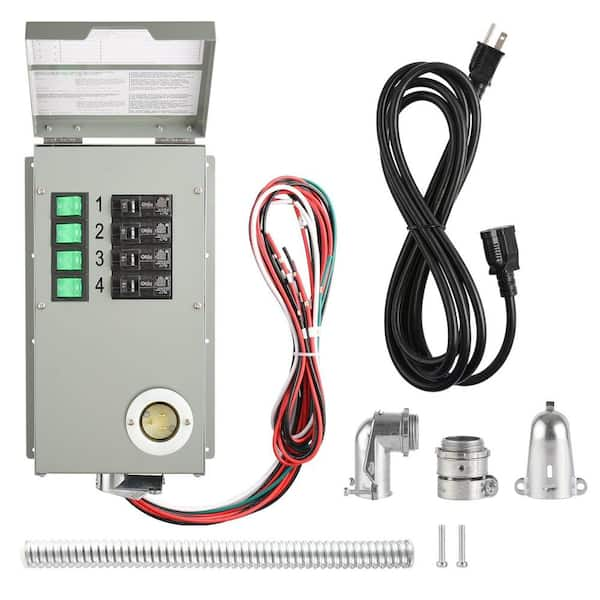
- Generator transfer switch
- Electrical wiring (appropriate gauge)
- Circuit breakers
- Conduit for wiring
- Connectors and terminals
- Mounting hardware
Choose high-quality materials for durability. Ensure all items meet safety standards.
Credit: www.homedepot.com
Safety Precautions
Safety is key when using a generator transfer switch. Proper precautions help prevent accidents and injuries. Always follow these guidelines to ensure safe operation.
Read The Manual
Always start by reading the generator’s manual. The manual contains important safety information. It explains how to use the transfer switch correctly.
Use The Right Equipment
Choose a generator transfer switch that matches your generator. Mismatched equipment can cause problems. Ensure the wattage ratings are compatible.
Install Properly
Follow installation instructions carefully. A poorly installed switch can lead to electrical hazards. If unsure, hire a qualified electrician to help.
Check For Wet Conditions
Never operate the generator in wet conditions. Water and electricity are a dangerous mix. Keep the generator in a dry area.
Wear Protective Gear
Always wear protective gear when handling the generator. Gloves and goggles provide safety against accidents. Take precautions to protect yourself.
Turn Off Power Sources
Always turn off all power sources before connecting the transfer switch. This prevents backfeed, which can harm utility workers. Safety first.
Keep Children And Pets Away
Keep children and pets away from the generator area. Generators can be loud and dangerous. Create a safe zone for them.
Regular Maintenance Checks
Perform regular maintenance on your generator and switch. Clean and check for any signs of wear. Well-maintained equipment works better and is safer.
Choosing The Right Transfer Switch
Choosing the right transfer switch for your generator is key for safe power transfer. Consider the wattage needs of your home. Think about your budget and the switch type that fits your generator best. A proper switch ensures reliable power during outages.
Choosing the right transfer switch is crucial for ensuring your generator operates safely and efficiently. A transfer switch connects your generator to your home’s electrical system, allowing for a seamless power transfer during an outage. Selecting the right one can prevent potential damage to both your generator and your home’s electrical system.
Power Requirements
Before you choose a transfer switch, assess your power needs. Consider the total wattage of the appliances you want to run during an outage. – List your essential appliances: Make a list of items like your refrigerator, heating system, and medical devices. – Calculate wattage: Add up the wattage requirements. Many appliances have their wattage listed on a label. If your total wattage exceeds the switch’s capacity, you risk overloading it. A transfer switch with a higher capacity than your needs will ensure reliability without stressing the system.
Compatibility With Generator
Not all transfer switches work with every generator. Check the generator’s specifications to find the right match. – Voltage and phase: Ensure the switch matches the voltage (usually 120/240V) and phase (single or three-phase) of your generator. – Manual vs. automatic: Decide if you want a manual transfer switch or an automatic one. Automatic switches detect power loss and activate the generator without your intervention. I once faced a power outage during a storm. My manual transfer switch required me to switch it on manually, which was a bit of a hassle. An automatic switch would have saved me time and stress. Consider your long-term needs as well. Planning for future upgrades or additional appliances can save you money and hassle later. Choosing the right transfer switch involves understanding your power requirements and ensuring compatibility with your generator. Ask yourself: Are you prepared for the next outage?

Credit: www.amazon.com
Installing The Transfer Switch
Installing a generator transfer switch ensures safe power supply during outages. This process involves connecting the switch to your home’s electrical panel and the generator. Follow each step carefully for a smooth installation and reliable energy source when needed.
Installing the transfer switch is a crucial step in ensuring your generator operates safely and efficiently. This process connects your generator to your home’s electrical system, allowing you to switch power sources seamlessly during an outage. Let’s dive into the essential steps for installing your transfer switch.
Preparing The Installation Area
Start by selecting a suitable location for your transfer switch. It should be near your electrical panel and within reach of your generator. Ensure the area is dry, accessible, and free from clutter. Before beginning, turn off the main power supply to your home. This precaution prevents electrical shocks and ensures safety during installation. Gather all necessary tools and materials. You’ll typically need a screwdriver, wire cutters, a drill, and the transfer switch itself. Having everything on hand makes the process smoother.
Connecting To The Electrical Panel
With the area prepared, it’s time to connect the transfer switch to your electrical panel. Remove the cover of your electrical panel carefully. You’ll see the circuit breakers inside. Identify the circuits you want to power with the generator. Label them clearly. This step is vital for knowing which circuits will be connected to the transfer switch. Next, follow the manufacturer’s instructions to connect the transfer switch to the selected circuits. Use the appropriate gauge wire to ensure safety and compliance with local codes. Double-check each connection for accuracy.
Wiring The Generator To The Switch
Now, focus on wiring the generator to the transfer switch. Run a suitable cable from the transfer switch to the generator outlet. Ensure the cable is rated for outdoor use if it will be exposed to the elements. Connect the wires to the generator according to the manufacturer’s guidelines. It’s essential to match the colors of the wires correctly—typically black to black, white to white, and green to ground. Once everything is connected, secure all wiring and close the transfer switch and electrical panel covers. Test the system by starting the generator and flipping the switch to see if power flows as expected. Have you ever experienced a power outage and wished you had a reliable system in place? Installing a transfer switch can transform that worry into peace of mind.
Testing The Transfer Switch
Testing the transfer switch is vital for safety and reliability. A well-tested switch ensures your generator works when needed. It also prevents problems during a power outage. Follow these steps to test your transfer switch properly.
Gather Required Tools
Before testing, collect the necessary tools. You will need a multimeter, screwdriver, and safety gloves. These tools help in checking connections and functionality. Make sure they are in good condition.
Turn Off Power Sources
Safety first. Always turn off the main power supply. This protects you from electric shock. Also, switch off the generator. This prevents any accidental start during the test.
Inspect The Transfer Switch
Examine the transfer switch for any visible damage. Check for loose wires or burnt connections. Look for rust or corrosion as well. Any issues can affect performance. Make repairs as needed.
Test The Generator Input
Use the multimeter to check the generator input. Set the multimeter to the correct voltage range. Test each terminal carefully. Ensure they receive the correct voltage. This step verifies the generator is functioning properly.
Check The Load Circuit
Next, check the load circuit. This ensures the transfer switch can handle the power. Connect a load to the switch. Measure the output with the multimeter. Confirm that the output voltage matches the expected range.
Simulate A Power Outage
To test the switch fully, simulate a power outage. Turn off the main power supply again. The transfer switch should automatically switch to generator power. Listen for any unusual sounds during this process.
Test The Return To Utility Power
After testing the generator, switch back to utility power. Turn on the main power supply. Ensure the transfer switch returns to its original position. This checks the switch’s ability to operate correctly.
Document Your Findings
Keep a record of your testing process. Note any issues or irregularities. This documentation helps in future maintenance. It also aids in troubleshooting if problems arise.

Credit: powerequipment.honda.com
Maintenance Tips
A generator transfer switch helps manage power during outages. Regular checks ensure it works well. Clean the switch and tighten any loose connections to avoid issues.
Maintaining your generator transfer switch is crucial for ensuring its longevity and reliability. Regular maintenance not only enhances performance but also safeguards your home during power outages. Here are some essential maintenance tips to keep your generator transfer switch in optimal condition.
Regular Visual Inspections
Inspect your transfer switch visually at least once a month. Look for any signs of wear or damage, such as frayed wires or corrosion on terminals. Make it a habit to check for loose connections as well. Tightening any loose screws can prevent potential failures during an emergency.
Test The System Periodically
Testing your generator transfer switch is vital. Run your generator and simulate a power outage to see if the switch activates correctly. This practice not only confirms functionality but also ensures that all components are working together smoothly. Document your tests to track performance over time.
Keep The Area Clean
A clean area around your transfer switch prevents dust and debris from affecting its function. Regularly sweep or vacuum the space to keep it tidy. Consider using a damp cloth to wipe down the switch, removing any grime. A clean environment can significantly extend the life of your equipment.
Check For Software Updates
If your generator transfer switch has a digital interface, check for software updates. Manufacturers often release updates to improve performance and safety. Keeping the software current ensures that you benefit from the latest features and fixes. Stay informed about any updates from the manufacturer’s website.
Consult The Manual
Your generator’s manual is a treasure trove of information. It provides specific maintenance schedules and procedures tailored to your model. Refer to it regularly to ensure you’re following best practices. If you’ve misplaced the manual, many manufacturers offer digital copies online.
Seek Professional Help
If you notice any persistent issues, don’t hesitate to call a professional. Sometimes, a trained technician can spot problems you might miss. Regular professional maintenance can catch potential issues early, saving you money in the long run. Do you have a maintenance routine? Implementing these tips can help you avoid unexpected outages and keep your home powered when you need it most.
Frequently Asked Questions
What Is A Generator Transfer Switch?
A generator transfer switch is a device that safely connects a portable generator to your home’s electrical system. It prevents back-feeding into the power grid, ensuring safety for utility workers. This switch allows you to power essential circuits during outages, providing reliable energy when you need it most.
How Does A Generator Transfer Switch Work?
The transfer switch isolates your home’s electrical system from the grid during a power outage. When the generator is activated, the switch redirects power from the generator to selected circuits in your home. This process ensures that your appliances receive safe and consistent power without risking electrical accidents.
Why Do I Need A Transfer Switch?
A transfer switch is essential for safely using a portable generator. It protects your home and the power grid from electrical surges. Without it, connecting a generator directly to your home’s wiring can be dangerous. A transfer switch also simplifies the process of switching power sources during outages.
Can I Install A Transfer Switch Myself?
While some homeowners may attempt DIY installation, it’s not recommended. Installing a transfer switch involves working with electrical systems that can be hazardous. It’s best to hire a licensed electrician to ensure proper installation and compliance with local codes. This guarantees safety and functionality for your generator setup.
Conclusion
Choosing the right generator transfer switch is important. It ensures safety and efficiency. Follow the steps outlined to install it correctly. Always prioritize safety during installation. Regular maintenance keeps your system running well. Understanding your needs helps in making the right choice.
A proper setup can provide peace of mind during power outages. Stay informed and prepared. This knowledge empowers you to handle power needs effectively. Your home deserves a reliable backup plan.