
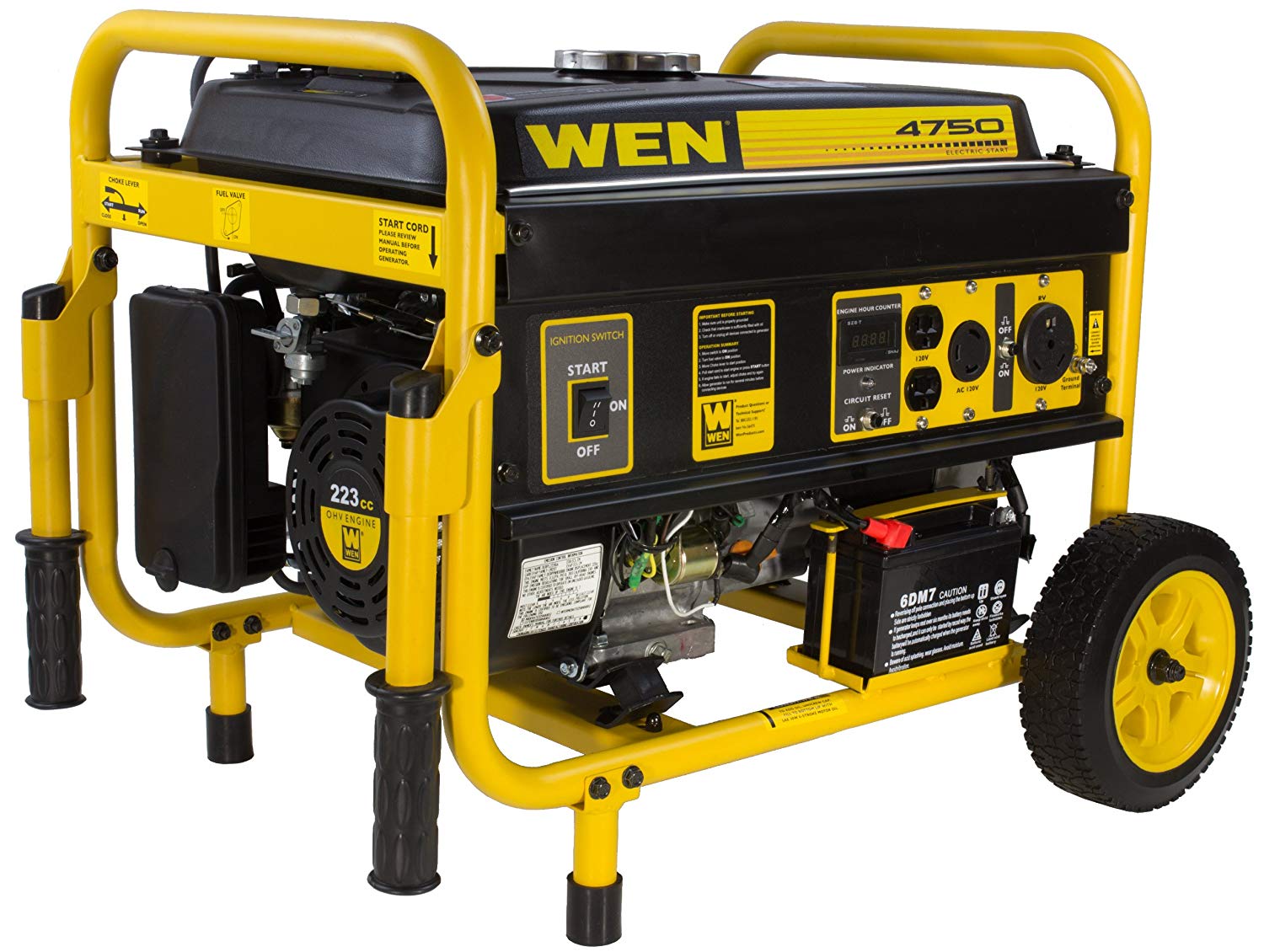
Drive a copper-bonded grounding rod and clamp the WEN generator frame to it with #6 copper.
I’ve worked with portable generators for years and know the common risks, codes, and practical fixes. This guide shows exactly how to ground a wen generator safely, step by step, with tools, code notes, and real-world tips so you can protect people and gear with confidence.

Why grounding your WEN generator matters
Grounding your WEN generator reduces shock risk, helps trip protective devices, and protects equipment from surges. A grounded frame gives stray current a path to earth. That lowers the chance of electric shock if wiring faults happen.
Grounding also relates to code and insurance. Many local electrical rules require a driven ground rod when a generator is used as a standalone power source. Always check local rules and the generator’s manual.
Tools and materials you need to ground a WEN generator
Gather these items before you start. Having the right gear keeps the job quick and safe.
- Copper-bonded grounding rod, 8 feet long
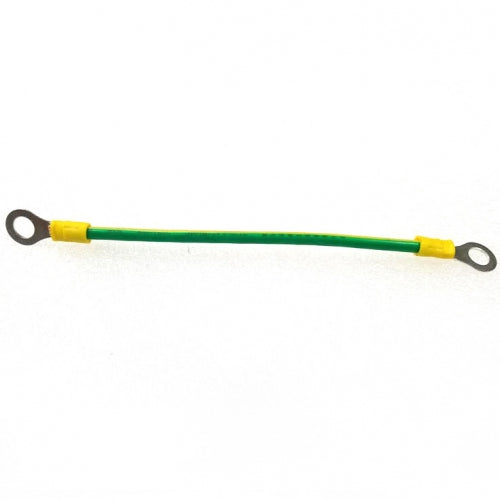
- 6 AWG copper grounding wire, insulated or bare
- Ground rod clamp rated for copper-to-steel connection
- Hammer or ground rod driver and sledgehammer
- Wire cutters and cable crimper
- Wrench or socket set for the generator frame bolt
- Multimeter or continuity tester to verify the connection
Step-by-step: how to ground a wen generator
Follow these clear steps. Read all steps first. Work slowly and stay safe.
- Choose a location for the rod
- Pick a spot near the generator with moist soil if possible. Wet soil improves conductivity.
- Keep the rod at least 2 feet away from foundations, water pipes, and utility lines.
- Drive the grounding rod
- Drive the 8-foot copper-bonded rod vertically until only a few inches remain above ground.
- Use a ground rod driver or a sledgehammer. Wear eye and hand protection.
- Attach the grounding clamp
- Fasten the clamp to the rod so the clamp is tight and clean. Remove paint or corrosion on contact points first.
- Connect the wire to the rod
- Strip wire as needed and attach 6 AWG copper wire to the clamp. Tighten securely so it won’t loosen with vibration.
- Connect the wire to the WEN generator frame
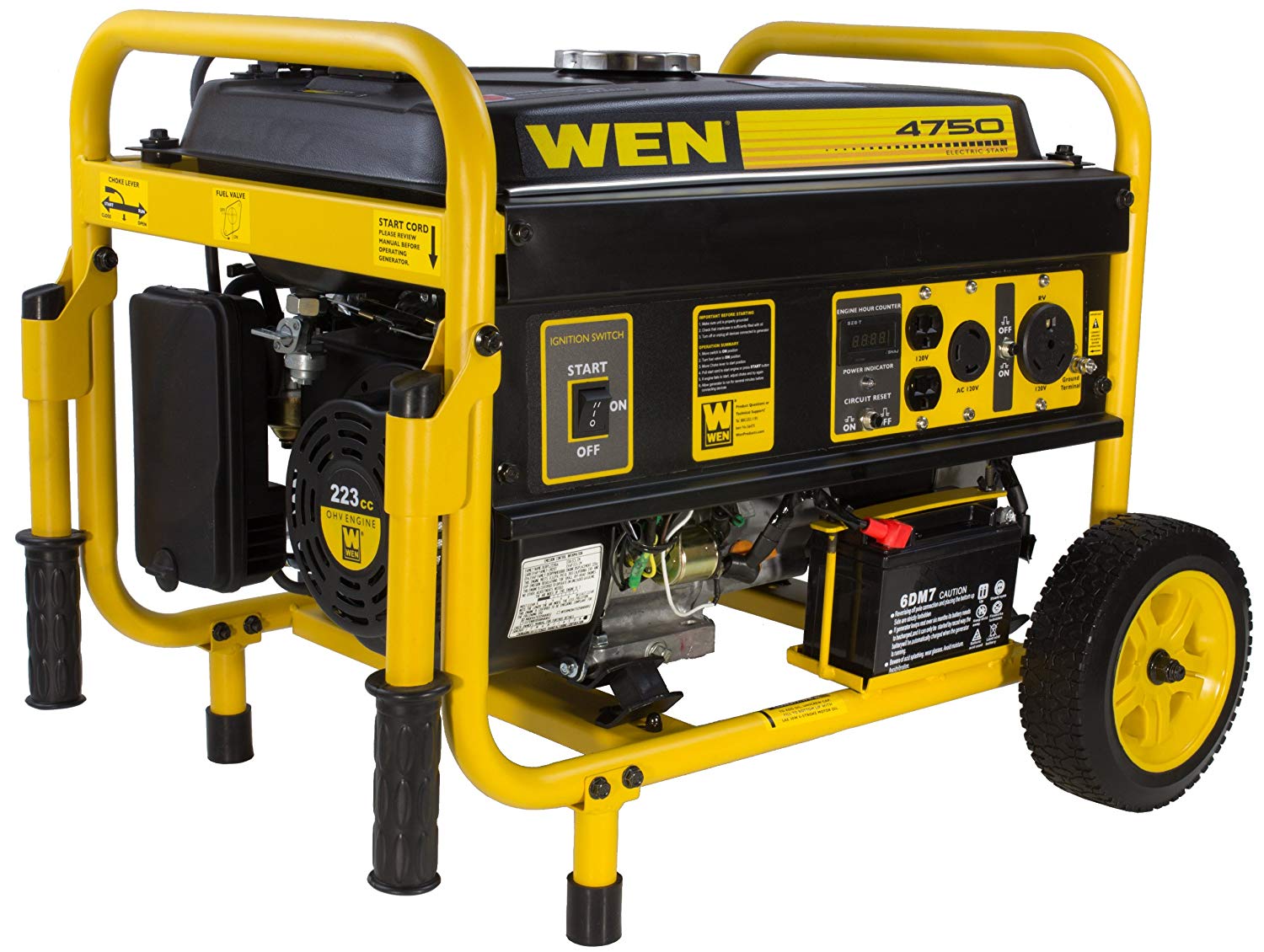
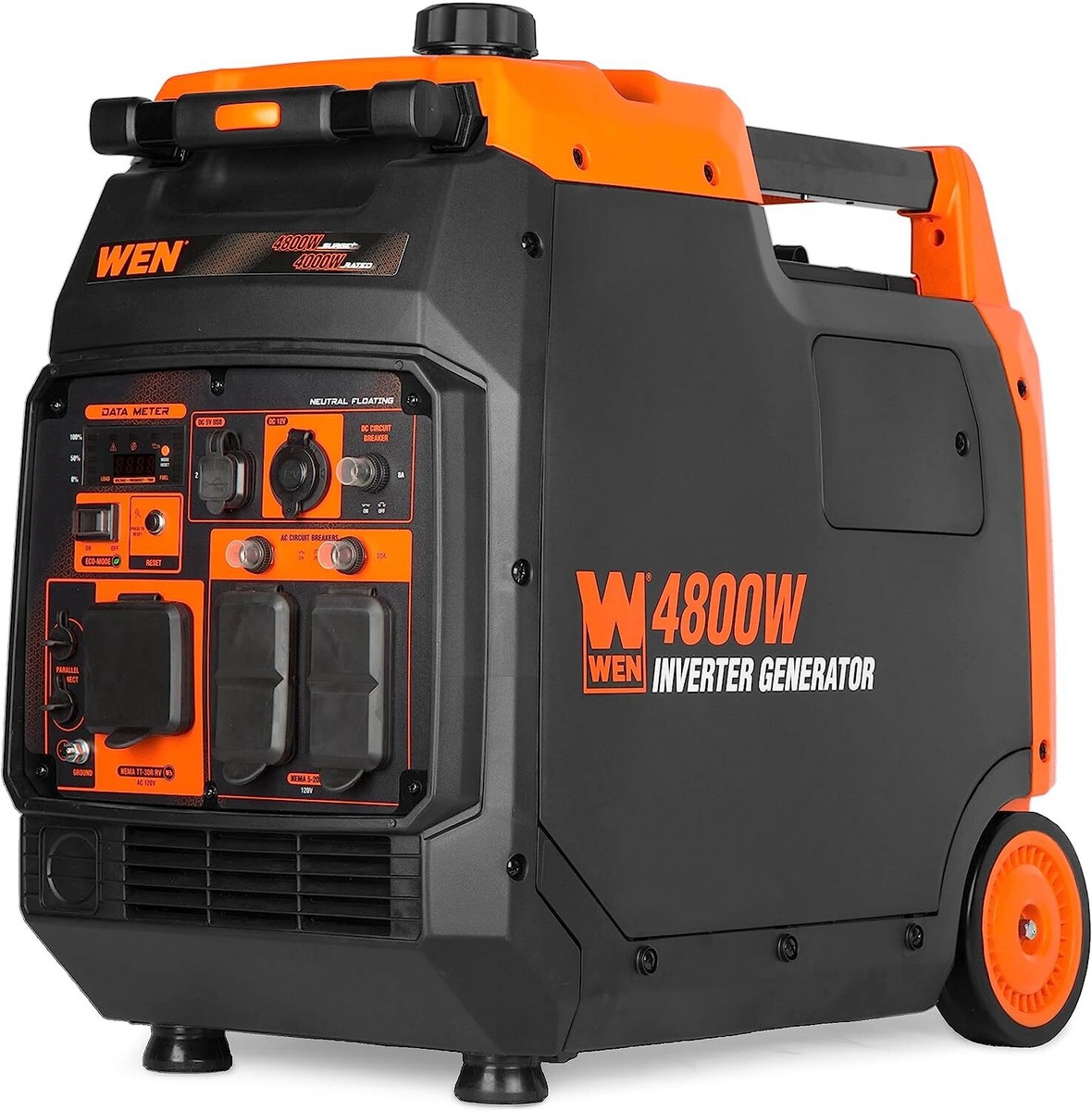
- Locate a clean bolt or chassis grounding lug on the generator frame. Many WEN units have a marked grounding bolt.
- Attach the other end of the 6 AWG copper wire with a ring terminal and secure it under the frame bolt. Tighten firmly.
- Test continuity
- Use a multimeter to confirm low resistance between the frame and the rod. A clear, solid connection shows the ground is functional.
- Check neutral bonding needs
- If your generator will be tied to house wiring, confirm whether the neutral should be bonded to ground. This depends on transfer switch type and local code. See the Neutral Bonding section below.
how to ground a wen generator requires these steps each time you set up a portable, standalone generator. Repeat the test after severe weather or long storage.
Neutral bonding and transfer switches — what to know
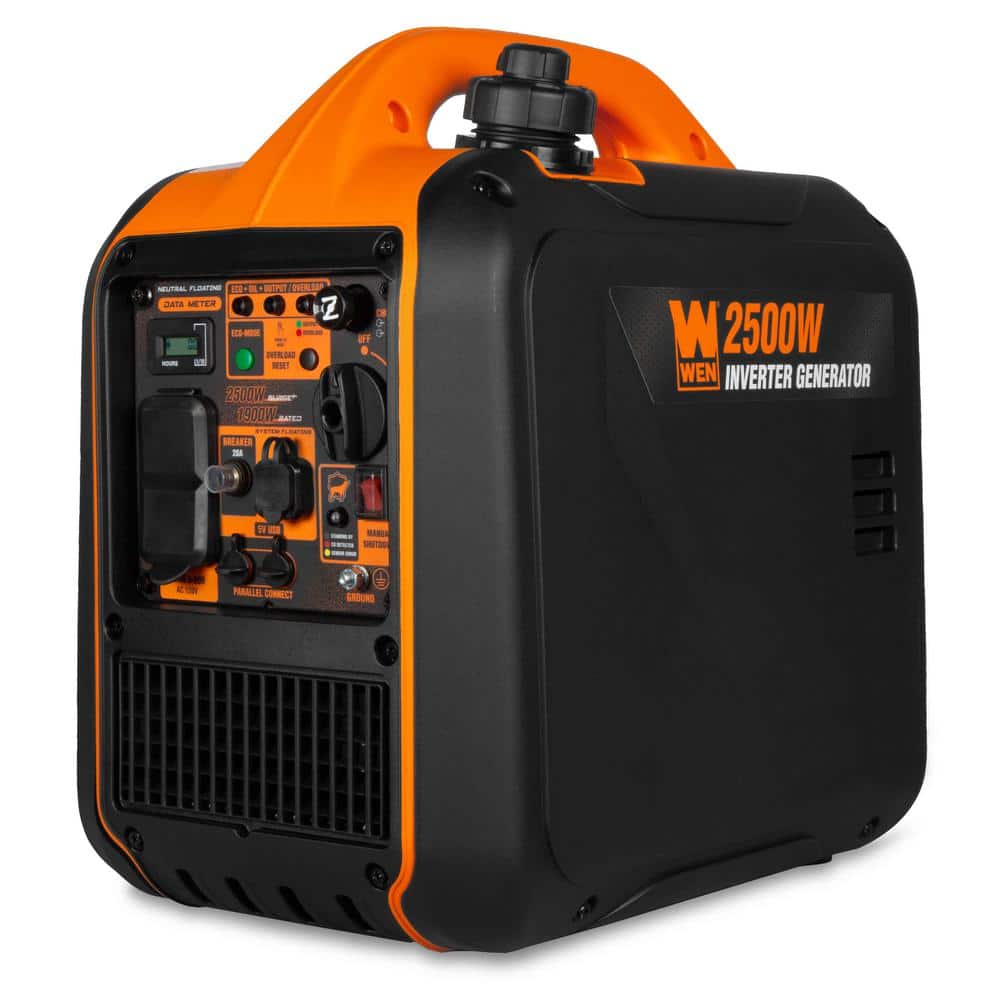
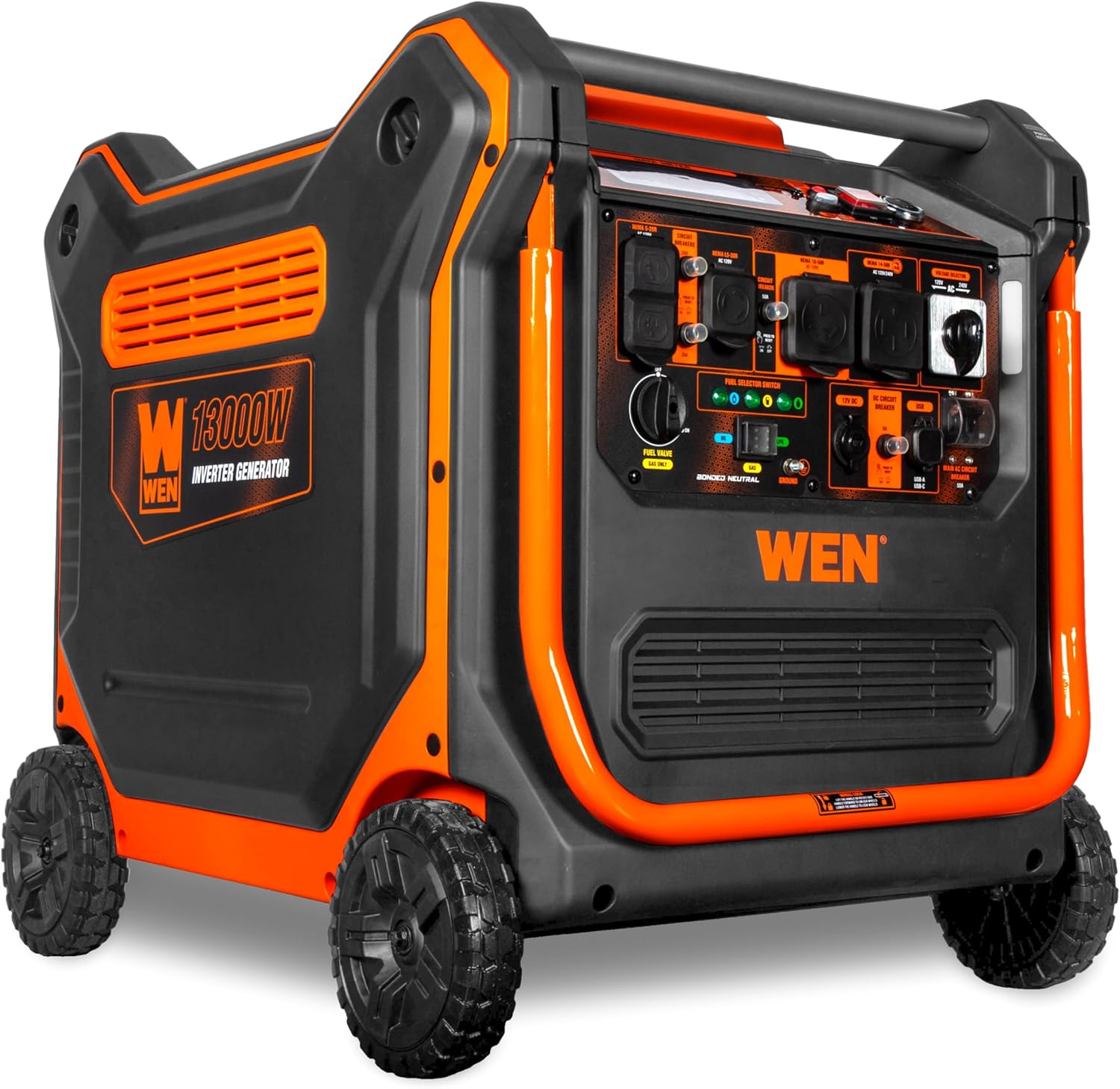
how to ground a wen generator safely means understanding neutral bonding. There are two common setups:
- Floating neutral
- The generator neutral is isolated from the frame and ground. This is common for generators used with a transfer switch that bonds neutral at the main panel.
- Bonded neutral
- The generator neutral is connected to the frame and ground. This is used when the generator supplies a separate load center or when local rules require it.
If you plan to connect the generator to house circuits, use a transfer switch rated for generator use. A bonded neutral on both generator and main panel can create parallel neutral paths and cause dangerous currents. Always confirm with the transfer switch instructions and local code.
Common mistakes and how to avoid them
These mistakes are frequent. I’ve seen them on jobs and at campsites. Avoid them.
- Using undersized wire
- Do not use small gauge wire. Use at least 6 AWG copper for a driven rod.
- Poor clamp connections
- Loose or corroded clamps raise resistance. Clean metal and tighten securely.
- Driving rod in dry rock or concrete
- Dry or rocky ground produces poor conductivity. Choose a different spot or add moisture.
- Bonding neutral incorrectly
- Don’t bond neutral without checking transfer switch and code. That can energize house grounding paths.
- Relying on a grounding plug only
- A generator’s grounding plug does not replace a driven grounding rod when one is required by code.
Maintenance and testing tips
A sound ground can degrade. Check it regularly.
- Inspect the clamp and wire every 6 months for corrosion.
- Tighten connections after transport or vibration.
- Test ground continuity with a meter each season or before long runs.
- Replace the rod if it’s bent or badly corroded.
I once inherited a campsite generator setup with a loose clamp that doubled resistance. Tightening and cleaning the connection solved intermittent GFCI trips immediately. These small checks save headaches.

Personal experience: what I learned about grounding portable generators
I’ve set up dozens of portable generators for home backup and jobsite use. A simple clamp or a wet ground spot often made the difference between safe operation and nuisance trips.
Lesson 1: Always bring extra clamps and wire. Corrosion or missing hardware is common.
Lesson 2: Never assume the generator’s manual covers local code. I once had to rewire a setup because the local inspector required a separate ground rod when used off-grid.
Lesson 3: Test after every setup. A quick continuity check takes minutes but prevents big problems.
how to ground a wen generator became straightforward after these practices became routine in my work.

Quick questions (PAA-style)
Do I always need a ground rod for a WEN generator?
In many cases yes, especially when the generator operates standalone or is not tied into a building system with a bonded main panel. Check local rules.
Can I use a steel rod instead of copper?
Use a copper-bonded rod for best longevity and conductivity. Steel rods rust and perform worse over time.
How long should the ground rod be?
An 8-foot copper-bonded rod is the standard for portable generator grounding. Shorter rods reduce effectiveness.
Frequently Asked Questions of how to ground a wen generator
What size wire should I use to ground a WEN generator?
Use at least 6 AWG copper grounding wire for a driven rod connection. Larger wire is fine but smaller is unsafe.
Where do I attach the grounding wire on the generator?
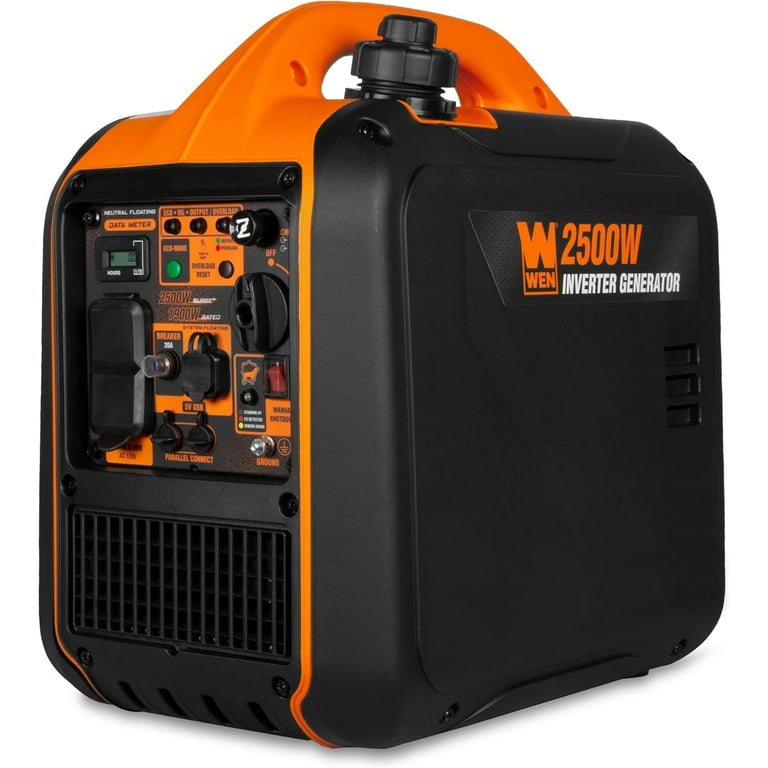
Attach to the factory grounding bolt or frame lug on the generator. Clean paint or rust before clamping for a solid metal-to-metal contact.
Should the generator neutral be bonded to ground?
It depends. If the generator connects to house wiring with a transfer switch that bonds neutral at the main panel, keep the generator neutral floating. Check the transfer switch instructions and code.
Can I drive the grounding rod into rocky or frozen ground?
If you can’t drive the rod vertically, lay it at an angle or use multiple shorter rods spaced apart. Avoid rocky spots; moisten the area if safe and practical.
How do I test that the ground is working?
Use a multimeter to measure continuity between the frame and the rod. You can also measure resistance with a dedicated earth ground tester for a more precise reading.
Conclusion
Grounding a WEN generator protects people, prevents damage, and keeps systems operating as intended. Follow the step-by-step method: choose a good spot, drive an 8-foot copper-bonded rod, attach 6 AWG copper, tighten clamps, and verify continuity. Understand neutral bonding rules before tying into building wiring. Do regular checks and use quality parts.
Take action today: gather the tools, read your WEN manual, and test a safe ground before you run the generator. If in doubt, consult a licensed electrician and share your setup or questions in the comments.