

Are you tired of power outages disrupting your daily routine? Do you want to ensure your home stays powered, no matter what?
Using a generator can be the perfect solution. This guide will show you how to effectively use a generator for your house, helping you regain control over your power supply. From selecting the right type of generator to essential safety tips, you’ll find everything you need to know right here.
By the end, you’ll be confident in your ability to keep your home running smoothly, even when the lights go out. Let’s dive in!
Choosing The Right Generator
Choosing the right generator for your home is important. A good generator keeps your home powered during outages. It also helps you stay comfortable and safe. Many factors affect your choice. Understanding these factors will help you make the right decision.
Types Of Generators For Homes
Generators come in different types. The most common are portable and standby generators. Portable generators are easy to move. They work well for short-term power needs. Standby generators are fixed and automatically turn on during an outage. They provide power for longer periods.
Inverter generators are also popular. They produce clean energy. This makes them safe for sensitive electronics. Each type has its own advantages. Choose one that fits your lifestyle.
Sizing The Generator For Your Needs
Generator size is vital. It determines how much power you can get. To size your generator, calculate your power needs. List all devices you want to run. Add up their wattage. This total will guide your choice.
Consider starting wattage too. Some devices need more power to start. Make sure your generator can handle this extra load. A generator that is too small will not work well.
Fuel Options To Consider
Generators use different fuels. Common options include gasoline, propane, and diesel. Gasoline is easy to find. It is often cheaper but has a shorter shelf life. Propane is cleaner and lasts longer. Many prefer it for home use.
Diesel generators are durable and efficient. They work well for heavy loads. Think about your fuel availability. Choose a fuel type that matches your needs and preferences.
Preparing Your Home For A Generator
Getting ready for a generator is important. It ensures safety and efficiency. Take time to prepare your home. This way, your generator works well when needed.
Essential Safety Measures
Safety is the top priority. Start by choosing a safe location for the generator. Place it outside, away from doors and windows. This keeps harmful exhaust fumes away from your home.
Check for proper ventilation. Generators need air to run. Ensure there is enough space around the unit. Never run a generator indoors. Always use a carbon monoxide detector nearby.
Electrical System Compatibility
Check your home’s electrical system. Make sure it can handle the generator’s power. Look for the wattage ratings of your appliances. This helps you understand what you can run.
Consider a transfer switch. It connects the generator to your home safely. A professional can install this for you. This prevents backfeeding into the grid.
Backup Power Prioritization
Decide which devices need power first. Focus on essentials like refrigerators and lights. Make a list of items you want to run.
Prioritize based on your needs. This helps manage the generator’s load. Avoid overloading the generator. It can cause damage to both the generator and your home.
Installing The Generator
Installing a generator for home use is straightforward. Choose a safe location outside your home. Connect the generator to your electrical system using proper cables. Follow the manufacturer’s instructions carefully for a safe and efficient setup. Always test the generator before an emergency to ensure it works properly.
Installing a generator at your home can provide peace of mind during power outages. Proper installation is crucial for safety and efficiency. You have options—hire a professional or tackle the project yourself. Understanding the requirements and steps involved can make this task smoother and more straightforward.Professional Installation Vs Diy
Choosing between professional installation and a DIY approach depends on your comfort level and experience. – Professional Installation: Hiring an expert ensures safety and compliance with local codes. They know how to handle complex wiring and can address potential issues you might overlook. This option can save you time and reduce stress. – DIY Installation: If you’re handy and have some electrical knowledge, installing the generator yourself can be rewarding. Just ensure you thoroughly research the process and have the right tools. Remember, safety should always come first. Think about your skills and the time you can commit. Will you be confident enough to troubleshoot any problems that arise?Placement And Ventilation Requirements
Choosing the right spot for your generator is vital. It needs to be accessible and safe. – Distance from Your Home: Place the generator at least 15 feet away from windows and doors. This reduces the risk of carbon monoxide entering your home. – Ventilation: Ensure there’s adequate airflow around the generator. Adequate ventilation prevents overheating and allows exhaust to dissipate safely. Consider your yard layout. Are there trees or structures that could block airflow?Connecting To The Electrical Panel
Connecting your generator to the electrical panel is a critical step. – Transfer Switch: This device is essential for safely connecting the generator to your home’s electrical system. It prevents back-feeding into the grid, which can endanger utility workers. – Wiring: Follow the manufacturer’s guidelines for wiring your generator. If you’re unsure, consult an electrician to avoid costly mistakes. Have you thought about how often you might need to use the generator? Understanding your power needs will help you choose the right size and connection type. With the right approach, installing a generator can enhance your home’s resilience. Take your time, plan carefully, and you’ll be ready for whatever comes your way.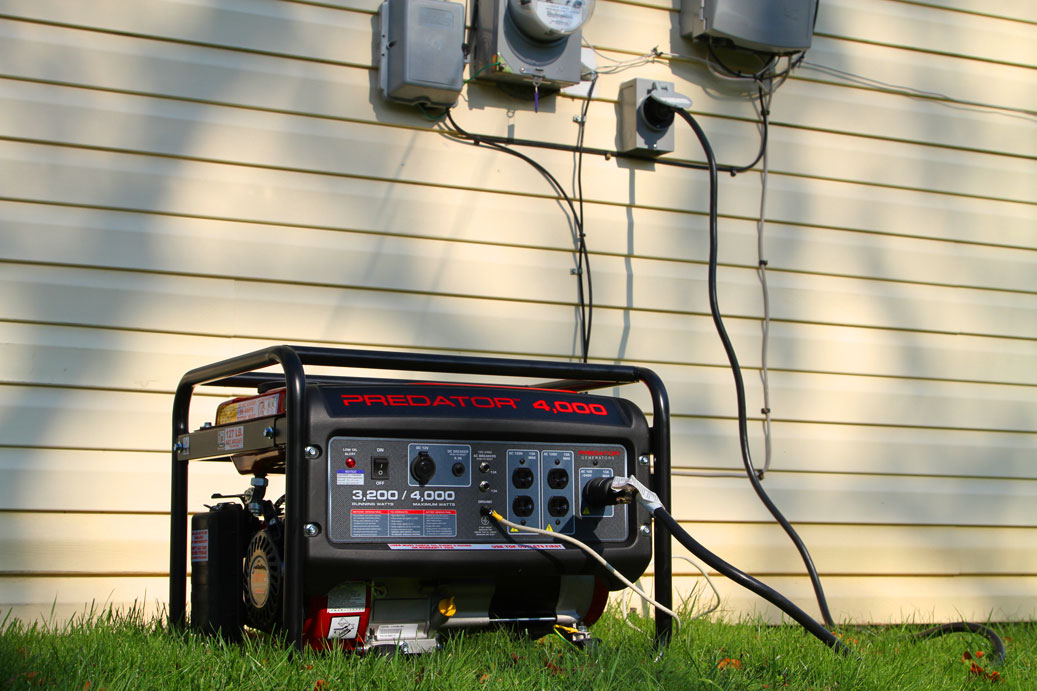
Credit: www.ecicomfort.com
Operating The Generator Safely
Using a generator can provide power during outages. Safety is key when operating it. Follow these steps to ensure safe use.
Starting And Stopping The Generator
Start the generator outdoors. Keep it away from doors and windows. This helps prevent carbon monoxide buildup.
Check the fuel level before starting. Ensure the generator is on a flat surface. This helps with stability.
To start, turn the fuel valve on. Set the choke to the correct position. Pull the starter cord gently until it starts.
When stopping, turn off all appliances first. Then, switch off the generator. Allow it to cool before refueling.
Avoiding Overloading Issues
Know the generator’s wattage limit. Do not exceed this limit. Overloading can damage the generator.
Connect only essential appliances. Use a power strip for multiple devices. Check wattage ratings before plugging in.
Keep track of how much power you use. Turn off non-essential devices to prevent overload.
Monitoring Fuel Levels
Check fuel levels regularly. Running low on fuel can cause issues. Fill the tank when it reaches a quarter full.
Use fresh fuel to avoid problems. Old fuel can clog the engine. Store fuel safely and in approved containers.
Always turn off the generator before refueling. This prevents spills and accidents.
Maintaining Your Generator
Keeping your generator in good shape is important for home use. Regular maintenance includes checking the oil, cleaning the air filter, and testing the battery. Follow these steps to ensure your generator runs smoothly when you need it most.
Maintaining your generator is essential for ensuring it runs smoothly and efficiently when you need it most. A well-maintained generator can provide peace of mind during power outages and emergencies. Follow these practical tips to keep your generator in top shape.Regular Inspection And Cleaning
Inspect your generator regularly for any signs of wear or damage. Look for loose wires, rust, or leaks. A clean generator operates more efficiently. – Dust and debris can hinder performance. – Wipe down the exterior and check air intake filters. Set a schedule for inspections. Monthly checks can prevent small issues from becoming major problems. Remember, a clean machine is a happy machine!Changing Oil And Filters
Oil is the lifeblood of your generator. Check the oil level monthly and change it at least once a year. If you use your generator frequently, consider changing the oil every 50 hours of operation. – Use the right type of oil as specified in the manual. – Don’t forget the oil filter. Change it whenever you change the oil. This simple maintenance task can significantly extend the life of your generator.Testing The Generator Periodically
Testing your generator is just as important as maintaining it. Run your generator at least once a month to ensure it starts easily. This practice not only confirms that your generator is functional but also helps keep the battery charged. – Load testing is essential. Connect a load to verify it can handle the required wattage. Have you ever been caught off guard during a blackout? Regular testing can prevent that frustration. Make testing a part of your routine, and you’ll be ready for anything.
Credit: www.angi.com
Storing The Generator
Proper storage of your generator is essential. It protects the unit from damage. It also ensures it is ready when you need it. Follow these tips for safe and effective storage.
Proper Storage Practices
Store the generator in a dry area. Moisture can cause rust and damage. Keep it in a cool, well-ventilated space. Avoid direct sunlight to prevent overheating.
Use a cover designed for generators. This will shield it from dust and debris. Make sure to elevate it off the ground. This helps protect it from flooding or pests.
Preparing For Long-term Storage
Before long-term storage, clean the generator thoroughly. Remove dirt and debris from the exterior. Empty the fuel tank to prevent stale fuel buildup.
Change the oil and replace the air filter. This keeps the engine in good shape. Disconnect the battery if your model has one. This helps avoid battery drain.
Avoiding Common Storage Mistakes
Do not store the generator with fuel in it. Stale fuel can clog the engine. Avoid placing it in a damp or humid area. This can lead to corrosion and damage.
Never cover the generator with a plastic sheet. This traps moisture and causes rust. Check on your generator periodically. This ensures it remains in good working condition.
Troubleshooting Common Issues
Generators can face problems. Knowing how to fix them helps. Here are some common issues and solutions.
Restarting After A Power Failure
Power failures can happen anytime. Restarting the generator is often the first step.
First, turn off the generator. Wait a few minutes before turning it back on. This allows the system to reset.
Check if the fuel is sufficient. Low fuel can stop the generator from starting.
Make sure all connections are secure. Loose wires can cause issues.
Identifying Warning Signs
Pay attention to warning signs. Strange noises are a red flag.
Look for smoke or a burning smell. These indicate serious problems.
Check the control panel for error codes. These codes help identify issues.
Inspect the oil level regularly. Low oil can damage the engine.
When To Call A Professional
Some problems need expert help. Do not try to fix everything yourself.
Call a professional if the generator won’t start after multiple attempts.
Seek help for electrical issues or if you see smoke.
Regular maintenance by a pro ensures safe operation.

Credit: www.wikihow.com
Frequently Asked Questions
How Do I Choose The Right Generator For My House?
Choosing the right generator depends on your power needs. Calculate the wattage of essential appliances. Look for a generator that meets or exceeds this requirement. Consider fuel type, portability, and runtime. A reputable brand with good reviews will ensure reliability during outages.
How Do I Connect A Generator To My Home?
To connect a generator, use a transfer switch. This prevents back-feeding into the grid, which is dangerous. Install the switch near your main panel. Follow the manufacturer’s instructions carefully. Always consult a licensed electrician for safe and proper installation.
What Appliances Can I Run On A Generator?
You can run essential appliances like refrigerators, lights, and heaters. Power tools and medical equipment are also suitable. Calculate the total wattage to ensure the generator can handle the load. Avoid running high-wattage appliances simultaneously to prevent overload.
How Long Can A Generator Run Continuously?
Most generators can run between 8 to 12 hours continuously. This depends on fuel capacity and load. Always check the manufacturer’s specifications for runtime. To extend operation, refuel when necessary. Use high-quality fuel for better performance and longevity.
Conclusion
Using a generator for your house can make life easier. It provides power during outages. Follow safety tips to prevent accidents. Choose the right size for your needs. Regular maintenance keeps it running well. Remember to store fuel safely. With careful use, a generator is a helpful tool.
Stay prepared for any situation. Enjoy the comfort of reliable power at home.