
When it comes to buying a generator, you want to make the right choice. After all, a reliable generator can be a lifesaver during power outages or when you need extra energy for outdoor activities.
But with so many options available, where do you start? You’ll discover key factors to consider before making your purchase. From understanding your power needs to choosing the right fuel type, we’ll guide you through each step. By the end, you’ll feel confident in selecting a generator that fits your lifestyle.
So, let’s dive into what you should keep in mind to ensure you get the best value for your money. Your perfect generator awaits!
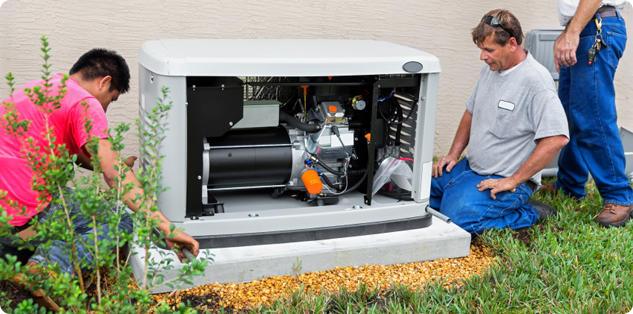
Credit: www.tuckey.com
Types Of Generators
Choosing the right generator involves several factors. Consider power needs, fuel type, and portability. Noise level and budget also play important roles. Understanding these aspects helps find the best generator for your needs.
Choosing the right generator can be a daunting task, especially with the variety of options available. Understanding the different types of generators can help you make an informed decision that best suits your needs. Let’s break down the most common types of generators you might consider.Portable Generators
Portable generators are versatile and perfect for various situations. They are easy to transport, making them ideal for camping trips or outdoor events. – They typically run on gasoline and have a power output ranging from 1,000 to 10,000 watts. – You can use them for powering tools during projects or providing backup power during a short outage. Think about your power needs. Do you have specific appliances you want to run? A portable generator may be your best choice if you require flexibility and mobility.Standby Generators
Standby generators are permanently installed and automatically kick in during a power outage. They connect directly to your home’s electrical system, providing seamless power when you need it most. – These generators run on natural gas or propane and can handle larger loads, often exceeding 20,000 watts. – They are ideal for homes with significant power needs, ensuring that essential appliances stay operational. Consider the peace of mind they offer. You won’t have to worry about manually starting a generator or losing power during critical times.Inverter Generators
Inverter generators are known for their quiet operation and fuel efficiency. They produce cleaner power, which is great for sensitive electronics like laptops and smartphones. – They use advanced technology to adjust the engine speed based on the load, saving fuel and reducing noise. – Their compact size makes them easy to transport, similar to portable generators. Are you planning to power delicate devices? Inverter generators might be the perfect solution for your needs. Understanding these types of generators can significantly impact your decision-making process. Assess your power requirements, consider your lifestyle, and choose the generator that fits best. What features are most important to you?Power Requirements
Power requirements are key when buying a generator. Think about how much energy your devices need. Calculate the wattage of all items to ensure you choose a generator that can handle your load. This will help avoid problems during use.
Power requirements play a critical role in choosing the right generator for your needs. Understanding how much power your home requires ensures you select a generator that will keep your essential appliances running smoothly during an outage. Let’s break down the key factors you need to consider.Assessing Home Energy Needs
Start by identifying the appliances and systems you want to power during an outage. List out essential items like refrigerators, heaters, air conditioners, and lights. Consider how often you use these appliances. Do you need to keep the air conditioning running all day, or just the refrigerator overnight? Think about your daily habits. If you work from home, you might need to power your computer and internet. This assessment helps you determine your baseline power requirements.Wattage Calculation Tips
Calculate the wattage needed for each appliance. Check the labels on your devices for their power ratings. Create a simple list: – Refrigerator: 600 watts – Air Conditioner: 2000 watts – Laptop: 50 watts Add these numbers together to find your total wattage requirement. Don’t forget to include the starting wattage, which is often higher than the running wattage. This is crucial for appliances with motors, such as refrigerators and air conditioners.Handling Peak Power Demands
Peak power demands can catch you off guard. These are the short bursts of energy needed when appliances start up. Make sure your generator can handle these spikes. A generator with a higher wattage capacity will give you peace of mind. Consider opting for a generator that provides 20-30% more wattage than your calculated total. This extra capacity ensures that you won’t experience any issues when multiple appliances kick in at once. Have you ever found yourself fumbling in the dark, unsure if your generator can handle the load? Knowing your power requirements can help you avoid that situation entirely. By taking these steps, you ensure that your generator will meet your needs efficiently, keeping your home powered during outages.Fuel Options
Choosing the right fuel option is key for your generator. Consider the availability and cost of fuels like gasoline, diesel, or propane. Each type has unique benefits and drawbacks, affecting performance and efficiency. Make sure to think about your needs and usage before making a decision.
Choosing the right fuel option for your generator can significantly impact its performance, efficiency, and overall convenience. Different fuel types come with their own set of advantages and disadvantages. Understanding these options will help you make an informed decision that best suits your needs.Gasoline Vs Diesel
Gasoline generators are widely available and often cheaper upfront. They are great for short-term use, like powering tools during a weekend project or providing backup during a power outage. However, gasoline can be less efficient and has a shorter shelf life. If you let it sit for too long, it can go bad, making your generator unreliable when you need it most. Diesel generators, on the other hand, tend to last longer and require less maintenance. They are more fuel-efficient and can handle heavy loads better. Think about what you plan to power and how frequently you’ll use the generator. Are you ready to invest in a more robust diesel model for long-term use?Propane And Natural Gas
Propane is a clean-burning fuel that offers a longer shelf life than gasoline. It’s easy to store in tanks and is often used in rural areas where access to electricity is limited. Natural gas is another option, especially if you have a gas line already installed. It’s convenient and can provide a constant supply without the need for refueling. Consider your location and usage. Will you be able to refill propane tanks easily? Are you hooked up to a natural gas line?Dual-fuel Generators
Dual-fuel generators offer the best of both worlds, allowing you to switch between gasoline and propane. This flexibility can be a lifesaver during emergencies. Imagine running out of gasoline during a storm. With a dual-fuel generator, you can quickly switch to propane and keep your home powered. Before choosing a dual-fuel option, check the availability of both fuels in your area. Will you have easy access to both? Assessing this can save you a lot of headaches down the line. Consider your unique needs and circumstances. Which fuel option aligns best with your lifestyle?Size And Portability
Choosing the right generator involves thinking about size and portability. A generator must fit your space and be easy to move. Consider where you’ll use it most. Size affects power and convenience. Portability ensures you can take it anywhere.
Compact Options For Small Spaces
Compact generators are great for small areas. They save space without losing power. Look for models designed for tight spots. These generators usually have lower wattage. They work well for smaller appliances and tools. Perfect for camping or home backup.
Wheels And Handles For Mobility
Mobility matters for easy transport. Generators with wheels make moving simple. Look for sturdy wheels that can handle rough terrain. A solid handle also helps carry the generator. Check the weight before buying. Lightweight models are easier to lift and move.
Storage Considerations
Storing your generator is crucial. Make sure it fits your storage area. Some generators are foldable or have a compact design. This feature saves space when not in use. Proper storage prevents damage and keeps it ready for use. Always follow safety guidelines when storing fuel and equipment.
Key Features To Look For
Consider power output, fuel type, and run time. Look at size and weight for portability. Noise levels matter too, especially in quiet areas. Safety features like automatic shut-off can prevent accidents. Finally, check warranty and customer support for peace of mind.
When you’re in the market for a generator, understanding the key features can make all the difference. Choosing the right generator isn’t just about picking the most powerful one. It’s about finding one that fits your specific needs and lifestyle. Here are some essential features to consider to ensure you make a smart purchase.Automatic Start
An automatic start feature can save you a lot of hassle. Imagine a sudden power outage during a storm. A generator with automatic start will kick in without you having to lift a finger. This is particularly useful if you’re away from home or asleep when the power goes out. Look for generators that offer this feature with a reliable sensor system. It should detect the power loss and start up within seconds. The peace of mind it provides is invaluable.Noise Levels
Noise can be a significant concern, especially if you live in a suburban area. Some generators can be incredibly loud, disrupting your peace and even attracting complaints from neighbors. Choosing a model with lower decibel levels can make a big difference. Generators that operate below 60 decibels are often classified as “quiet.” This means you can power your home without turning it into a noisy environment. Have you thought about how noise could affect your daily life?Safety Features
Safety should always be a priority when buying a generator. Look for models that include essential safety features like overload protection and automatic shut-off systems. These features can prevent accidents and protect your equipment. For instance, during my last camping trip, our generator had an automatic shut-off feature. It saved us from potential hazards when it overheated. Check for carbon monoxide detectors as well. Many modern generators come with this feature, ensuring you’re alerted to any dangerous emissions. By focusing on these key features, you’ll not only choose a generator that suits your needs but also one that prioritizes your safety and comfort. What features are most important to you?Cost And Budgeting
Budgeting is key when buying a generator. Consider the initial cost, fuel efficiency, and maintenance expenses. Think about your power needs and how often you’ll use it. This will help you find a generator that fits your wallet and your lifestyle.
Understanding the cost and budgeting involved in buying a generator is crucial for making an informed decision. Generators can vary significantly in price, and knowing what to expect can save you from unexpected financial burdens later on. Let’s break down the key aspects to consider.Initial Purchase Costs
The initial purchase cost is often the most significant expense. Generators can range from a few hundred to several thousand dollars, depending on the type and capacity you need. – Portable generators are typically cheaper, costing between $300 and $1,500. – Standby generators can range from $2,000 to over $10,000, depending on their power output. Consider your specific needs. Will you use the generator for occasional camping trips or as a backup for your home? This decision will directly impact your budget.Long-term Maintenance Costs
Don’t overlook long-term maintenance costs. Generators require regular upkeep to function optimally. Routine maintenance can include oil changes, air filter replacements, and battery checks. – Annual maintenance can cost anywhere from $100 to $300, depending on the service provider. – Always budget for unexpected repairs, which can arise as the generator ages. Think about how much you’re willing to invest in keeping your generator in top shape. This foresight will help you avoid costly repairs later.Energy Efficiency And Savings
Energy efficiency plays a vital role in your long-term expenses. Investing in a generator with better fuel efficiency can lead to significant savings over time. – Inverter generators are often more efficient and provide cleaner energy, reducing wear on your devices. – Keep an eye on the generator’s fuel consumption rates. A model that uses less fuel can save you money in the long run. Ask yourself: how often will you need to run your generator? This can help you gauge the potential savings. By carefully considering these cost factors, you can make a more informed decision that fits your financial plans and energy needs.Brand Reputation And Reviews
Brand reputation and reviews play a crucial role when choosing a generator. Check customer feedback to understand product reliability and performance. A well-reviewed brand often indicates quality and customer satisfaction, helping you make an informed decision. Look for consistent ratings and detailed comments for better insight.
Brand reputation and customer reviews play a significant role in your decision-making process when buying a generator. A reliable generator can mean the difference between comfort and inconvenience during a power outage. Knowing which brands consistently deliver quality and customer satisfaction can save you time and money.Top-rated Generator Brands
Some brands stand out in the generator market due to their proven track records. Look for brands like Honda, Generac, and Champion. – Honda: Known for its durability and quiet operation. Many users praise its fuel efficiency and long lifespan. – Generac: Popular for home standby generators. Customers appreciate the automatic transfer switch that allows for seamless power restoration. – Champion: Offers a wide range of portable generators. Users often highlight their affordability and ease of use. Choosing a brand with a solid reputation ensures you invest in a product that can withstand the test of time.User Feedback And Testimonials
Customer reviews provide real-world insights into generator performance. Reading feedback helps you understand potential issues and advantages. Check platforms like Amazon, Home Depot, and manufacturer websites. – Look for ratings above 4 stars. – Pay attention to comments about reliability and noise levels. – Note any recurring complaints about fuel consumption or maintenance. Personal experiences often reveal hidden gems or pitfalls. You might find a generator that users claim starts easily in cold weather, which could be vital for your region.Warranty And Support Services
A strong warranty and reliable customer support are essential. They offer peace of mind and protection against defects. Most reputable brands provide at least a one-year warranty. Some, like Generac, offer extended warranties for additional coverage. – Check what the warranty covers: parts, labor, or both. – Research the company’s customer support reputation. Are they responsive? Do they offer troubleshooting guides? Having a dependable support system can make your experience smoother. If you run into issues, you want to know help is just a call away. Think about your needs and how important brand reputation and customer support are to you. Your generator should provide not only power but also confidence in your purchase.
Credit: www.peakscientific.com
Installation And Maintenance
Buying a generator is just the first step. Proper installation and maintenance are key to its performance. A well-installed generator ensures safety and efficiency. Regular maintenance helps avoid costly repairs. Let’s explore the important aspects of installation and maintenance.
Professional Installation Vs Diy
Choosing between professional installation and DIY can be tough. Professional installers have the right skills. They follow local codes and safety rules. This can prevent hazards like leaks or fires.
DIY installation can save money. However, it requires knowledge of electrical systems. Mistakes can lead to serious problems. Weigh the costs and benefits carefully. If unsure, hiring a professional is wise.
Routine Maintenance Tips
Routine maintenance keeps your generator running well. Start by checking the oil level regularly. Change the oil as recommended by the manufacturer.
Inspect the air filter and clean it. A clean filter improves performance. Check the battery and connections too. Replace old batteries to avoid issues.
Run the generator every month. This helps keep it in good shape. Follow the user manual for specific maintenance tasks.
Troubleshooting Common Issues
Generators can face problems like starting issues. Check the fuel level first. Low fuel can prevent the generator from starting.
Inspect the circuit breaker. If it trips, reset it. Look for any loose connections. Tightening them may solve the problem.
Listen for unusual sounds. Strange noises can signal a problem. If issues persist, consult a professional for help.
Environmental Impact
Choosing a generator requires careful thought about its environmental impact. Look for models that use less fuel and produce fewer emissions. Think about noise levels too, as quieter machines are better for both you and the surroundings.
The environmental impact of generators is a crucial aspect to consider before making a purchase. While they provide essential power during outages or in remote locations, their effects on air quality and natural resources can be significant. Understanding how your choice of generator affects the environment can guide you towards a more responsible decision.Emissions And Regulations
Generators can emit various pollutants, including carbon monoxide, nitrogen oxides, and particulate matter. These emissions contribute to air quality degradation and can have serious health implications. You might be surprised to learn that many regions have specific regulations governing generator emissions. Checking local regulations can help you choose a model that complies with environmental standards. This not only protects the environment but also ensures you avoid potential fines. Consider the benefits of using certified low-emission generators. They are designed to meet stringent guidelines and produce fewer harmful gases. Choosing one of these options means you are making a choice that is better for the planet.Fuel Efficiency
Fuel efficiency plays a significant role in the environmental impact of generators. More efficient models use less fuel, which means fewer emissions and reduced costs for you. Have you ever calculated how much fuel your generator consumes during an outage? You might find that more efficient models could save you money in the long run. Look for generators with high efficiency ratings to maximize your investment and minimize your ecological footprint. Additionally, consider how often you plan to use your generator. If you expect frequent use, investing in a fuel-efficient model will pay off. It’s a step towards sustainability while keeping your energy needs met.Eco-friendly Generator Options
Eco-friendly generators are becoming increasingly popular as awareness about environmental issues grows. Options such as solar-powered or wind-powered generators can provide clean energy without harmful emissions. Have you thought about how a solar generator could change your power needs? They are not only quiet but also sustainable, making them an excellent choice for eco-conscious consumers. You can also find models that use alternative fuels like propane or biodiesel. These options generally produce fewer emissions compared to traditional gasoline generators. Choosing an eco-friendly generator shows your commitment to reducing your environmental impact. The right choice can provide reliable power while being kind to the planet.Emergency Preparedness
Being prepared for emergencies is vital. Power outages can happen anytime. Having a generator ready can make a big difference. It ensures you have power when you need it most. This section discusses key aspects to consider when buying a generator for emergency situations.
Generators For Power Outages
Choose a generator that fits your needs. Think about how much power you need. Will you run lights, a fridge, or medical equipment? Calculate the wattage for all devices. Portable generators are great for short outages. Standby generators provide power automatically. They connect directly to your home’s electrical system.
Look for generators with safety features. Carbon monoxide detectors are essential. Surge protectors help prevent damage to your devices. Consider fuel type too. Gasoline, propane, and diesel are common options. Each has its pros and cons. Choose what works best for your situation.
Backup Plans For Long-term Use
Have a backup plan for extended outages. A generator can help, but fuel supply matters. Stock up on fuel before an emergency. Ensure you have enough for several days. Regular maintenance is key for long-term use. Check oil levels and replace filters as needed.
Consider your generator’s location. Keep it in a dry, well-ventilated area. Avoid placing it near windows or doors. This prevents exhaust fumes from entering your home. Plan how to use it safely with your family. Everyone should know how to operate it.
Essential Accessories
Some accessories enhance your generator’s performance. An extension cord can help connect devices safely. Choose heavy-duty cords to handle the load. A transfer switch is also important. It allows safe connection to your home’s power supply.
Invest in a good cover to protect your generator. It shields against rain and dust. Maintenance tools are necessary too. Keep oil and filters handy for quick service. These accessories ensure your generator is ready when needed.

Credit: aapower.com
Frequently Asked Questions
What Is The Best Type Of Generator To Buy?
The best type of generator depends on your needs. For home use, consider a standby generator for automatic power. If portability is essential, a portable generator is ideal. Evaluate your power requirements and usage scenarios to make an informed choice.
Always prioritize reliability and fuel efficiency.
How Much Power Do I Need From A Generator?
To determine your power needs, calculate the wattage of essential appliances. Add the starting and running watts for accurate measurements. A generator should provide at least 20% more power than your total requirement. This ensures it can handle peak loads without overloading.
Always assess your specific power needs.
What Fuel Types Are Available For Generators?
Generators typically run on gasoline, propane, or diesel. Gasoline generators are common for portability, while propane offers cleaner burning. Diesel generators are efficient for larger power needs. Consider availability, cost, and your preferences when selecting a fuel type. Each fuel has its own benefits and drawbacks.
How Do I Maintain My Generator?
Regular maintenance ensures your generator operates efficiently. Change the oil, replace filters, and check spark plugs regularly. Keep the generator clean and stored in a dry place. Run the generator periodically to prevent issues. Consult the manual for specific maintenance guidelines tailored to your model.
Conclusion
Choosing the right generator is important. Think about your needs first. Consider power output and fuel type. Look at size and portability, too. Check the noise level. Read reviews to find reliable options. Always compare prices before buying. A good generator can save you from problems.
Make an informed decision for peace of mind. Enjoy the benefits of a reliable power source. Take your time and choose wisely.