
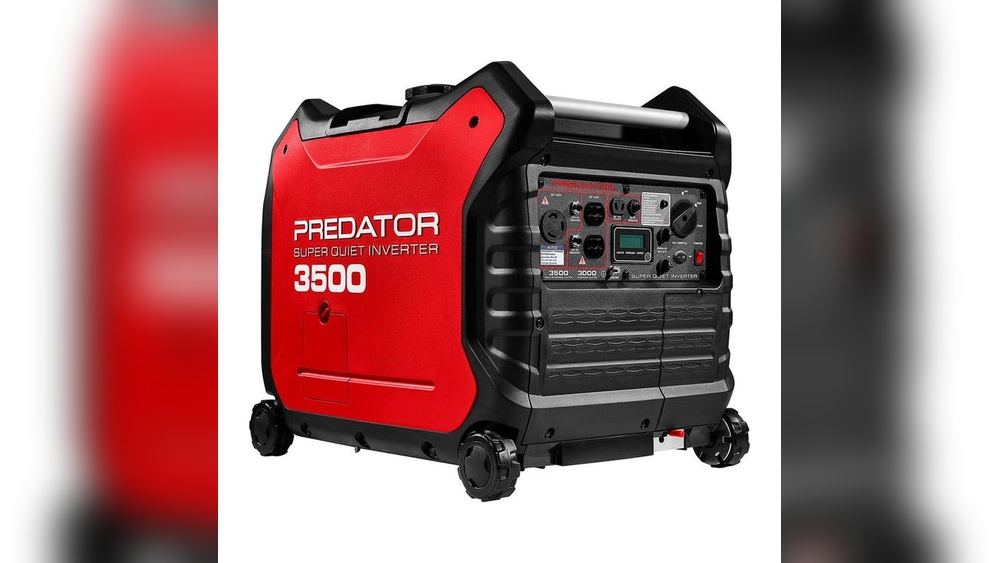
Are you tired of that constant, noisy roar whenever you power up your generator? If you want to enjoy peace and quiet while still having reliable power, you might be wondering: is an inverter generator quieter?
Understanding how these generators work and what makes them different can help you decide if they’re the right choice for your needs. You’ll discover how inverter generators keep noise levels low, what makes them stand out from traditional models, and whether their benefits outweigh the costs.
Keep reading to find out how you can power your world without the unwanted noise.
Noise Levels Compared
Noise plays a key role in choosing a generator. Many people wonder if inverter generators are quieter than traditional ones. Understanding noise levels helps make a smart choice. This section compares sound output and decibel levels of both types.
Decibel Differences
Decibels (dB) measure sound intensity. Traditional generators often produce noise levels around 65 to 75 dB. Inverter generators usually run quieter, with noise levels between 50 and 60 dB. This difference is noticeable. A 10 dB drop means the sound is about half as loud to the human ear.
Inverter generators adjust engine speed based on power needs. They run slower when the demand is low, reducing noise. Traditional generators run at a constant speed, making them louder.
Sound Output Variations
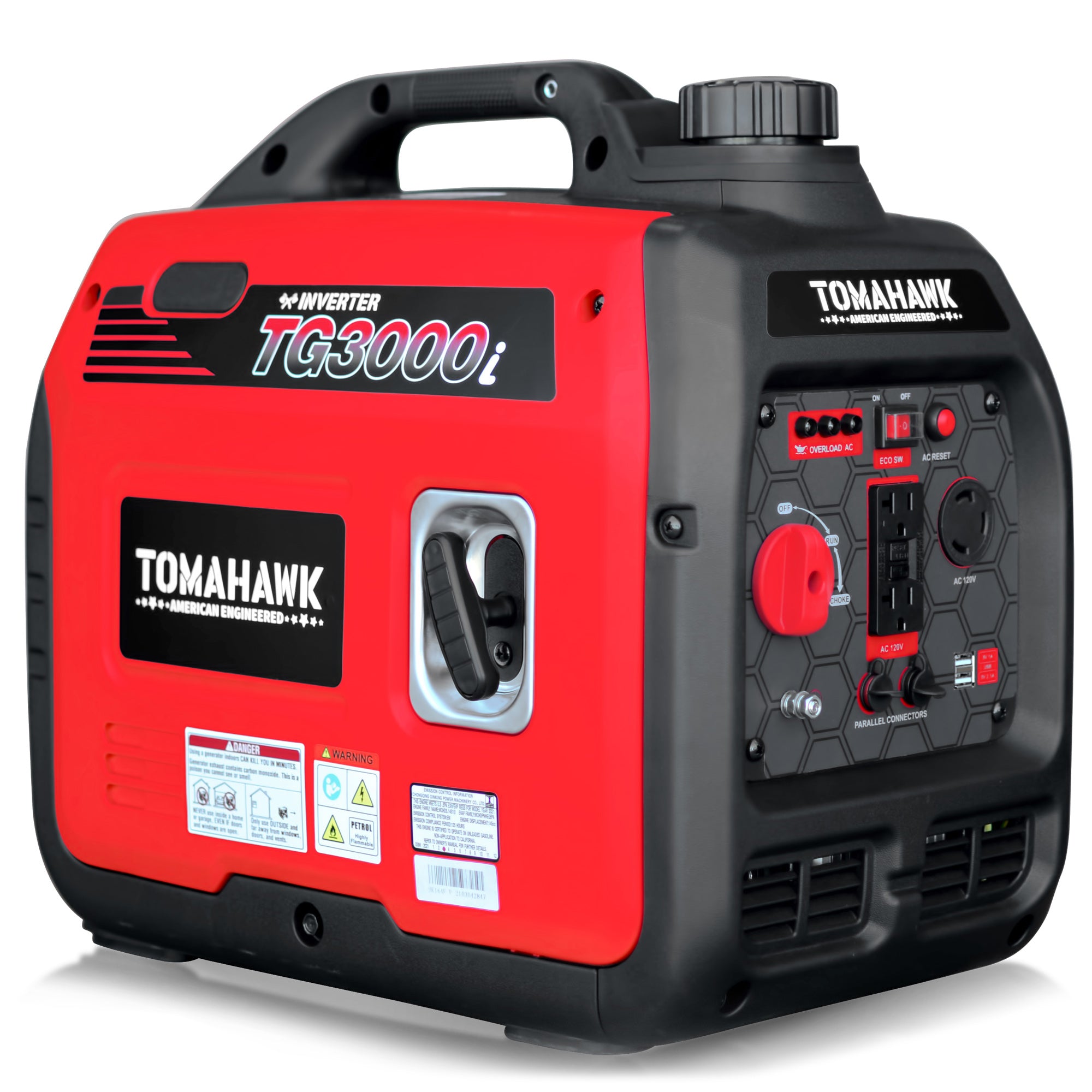
Inverter generators include noise-reducing features. Enclosed casings and sound insulation materials help lower sound output. Mufflers also soften the engine noise. These design elements make inverter generators ideal for camping or residential use.
Traditional generators lack these features. Their engines run at full speed regardless of load. This causes more consistent and louder noise. Sound output varies less with traditional models, making them less flexible in noisy environments.
Credit: tomahawk-power.com
Engine Speed Adjustment
Engine speed adjustment is a key feature of inverter generators. It allows the engine to change its speed based on the power demand. This differs from traditional generators that run at a fixed speed all the time. The ability to vary engine speed helps save fuel and reduce noise. The generator only works as hard as needed, making it more efficient and quieter.
Load-dependent Operation
Inverter generators monitor the electrical load continuously. When the load is low, the engine slows down to match the demand. For higher power needs, the engine speeds up. This dynamic adjustment means the generator does not run at full speed unnecessarily. The engine operates just enough to provide stable power. This smart operation reduces wear and noise.
Impact On Noise
Lower engine speeds produce less noise. Because the engine does not run at full throttle all the time, sound levels drop significantly. This makes inverter generators quieter than conventional models. The noise reduction benefits users in campsites, outdoor events, and residential areas. The quieter operation also causes less disturbance to neighbors and wildlife.
Noise-reducing Design
Inverter generators are known for producing less noise than traditional generators. This quiet operation is largely due to their noise-reducing design. These features help lower sound levels, making inverter generators ideal for camping, home use, or events.
Their design focuses on limiting how much sound escapes during operation. By controlling noise, inverter generators create a more comfortable environment around them. Let’s explore two key elements that help achieve this.
Enclosed Casings
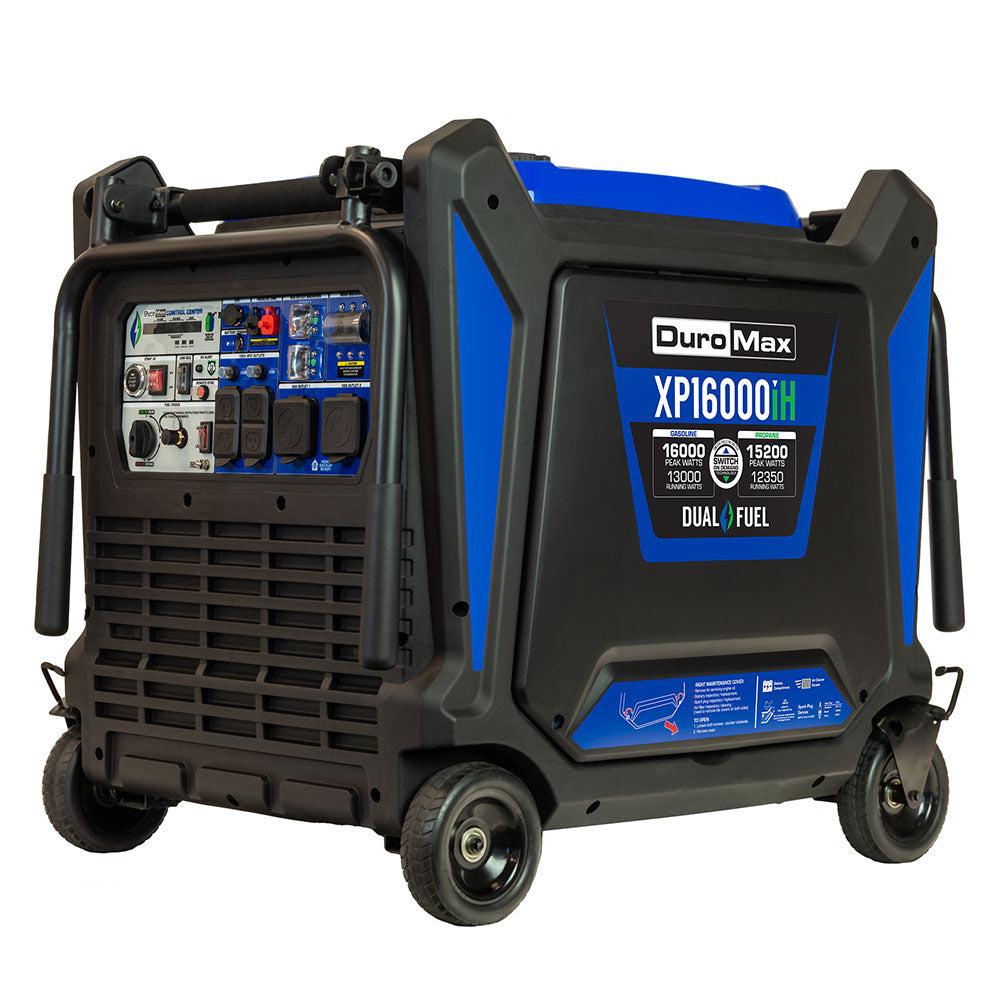
Enclosed casings cover the engine and moving parts tightly. These casings act as a barrier to block noise from escaping. They are made from materials that absorb and reduce sound waves.
This design keeps the generator quieter by trapping noise inside. It also protects the engine from dust and debris. The result is a generator that runs smoothly and quietly for longer.
Sound Insulation And Mufflers
Sound insulation materials line the inside of the generator’s casing. These materials absorb noise and prevent it from bouncing around inside. This reduces the overall sound level outside the generator.
Mufflers are attached to the exhaust system. They reduce the loud noise created by engine exhaust gases. Together, insulation and mufflers help lower noise to a gentle hum.
These noise-reducing components work together to create a peaceful experience. Users can enjoy power without the harsh noise of traditional generators.
Credit: www.duromaxpower.com
Traditional Vs Inverter Generators
Choosing between traditional and inverter generators means understanding how each operates. Traditional generators run at a fixed speed regardless of power needs. Inverter generators adjust speed based on the electrical load. This difference affects noise levels and fuel efficiency. Let’s explore how these two types compare in sound performance.
Constant Speed Noise
Traditional generators run at one constant speed. The engine stays at full throttle while operating. This creates a steady, loud noise during use. The sound can be disruptive, especially in quiet environments. Noise levels often range from 60 to 75 decibels. This is similar to a vacuum cleaner or busy street.
Because the engine does not slow down, the noise remains constant. It does not reduce when the power demand is low. This can be tiring for long periods of use. Also, constant high speed means higher fuel consumption and more wear on parts.
Variable Speed Benefits
Inverter generators change engine speed based on power needs. When less electricity is required, the engine slows down. This reduces noise output significantly. Noise levels often drop to 50-60 decibels, like a normal conversation.
Lower engine speed saves fuel and reduces emissions. The design often includes soundproof casing and mufflers. These features further lower the noise during operation. Inverter generators provide cleaner and quieter power. This makes them ideal for camping, home use, and events.
Decibel Measurement Context
Decibel measurement plays a key role in understanding generator noise levels. Decibels (dB) quantify sound intensity, helping compare how loud different generators are. Numbers alone can mislead if the context is missing. Distance, environment, and load affect noise perception. Knowing these factors clarifies if an inverter generator is truly quieter.
Understanding Quiet Claims
Manufacturers often label inverter generators as “quiet.” They use decibel ratings measured under ideal conditions. These tests happen at a fixed distance, usually 7 meters or about 23 feet. The generator runs at half or full load during testing. Quiet claims focus on this controlled setting. Real noise can vary outside the lab environment.
Inverter generators reduce noise by adjusting engine speed. The engine runs slower when less power is needed. Lower speed means less sound. Noise-reducing parts like mufflers and soundproof casing also help. These design features contribute to quieter operation compared to traditional models.
Real-world Noise Levels
Actual noise depends on the generator’s load and surroundings. A quiet inverter generator under light load might sound louder at full load. Distance from the machine changes how loud it feels. Objects like walls or trees can reflect or absorb sound. This affects perceived noise in outdoor use.
Typical inverter generator noise ranges from 50 to 60 dB at 7 meters. Conventional generators often exceed 70 dB. This difference can mean less disturbance in camping or residential areas. Still, users should consider where and how they use the generator. Real-world noise can differ from lab measurements.
Cost Considerations
Cost plays a key role when choosing between an inverter generator and a traditional one. Buyers often notice that inverter generators have a higher price tag upfront. Besides the purchase price, maintenance costs can also be different. Understanding these factors helps in making a smart buying decision.
Higher Purchase Price
Inverter generators typically cost more than standard generators. The advanced technology inside raises the price. Their compact design and noise reduction features add to the cost. Buyers pay extra for quieter and cleaner power output. This initial investment may seem high but suits users needing low noise levels.
Maintenance Complexity
Inverter generators have complex electronics inside. This complexity can lead to higher maintenance costs. Repairs often require skilled technicians familiar with inverter systems. Parts may be more expensive and harder to find. Regular upkeep is important to keep the unit running quietly and efficiently. This adds to the overall cost over time.
Power Output Limits
Power output limits are a key factor when comparing inverter generators to traditional models. These limits affect how much electricity the generator can safely and efficiently produce. Inverter generators usually have lower maximum wattage than conventional generators. This difference impacts their usability for heavy-duty tasks and devices that require high power.
High-wattage Availability
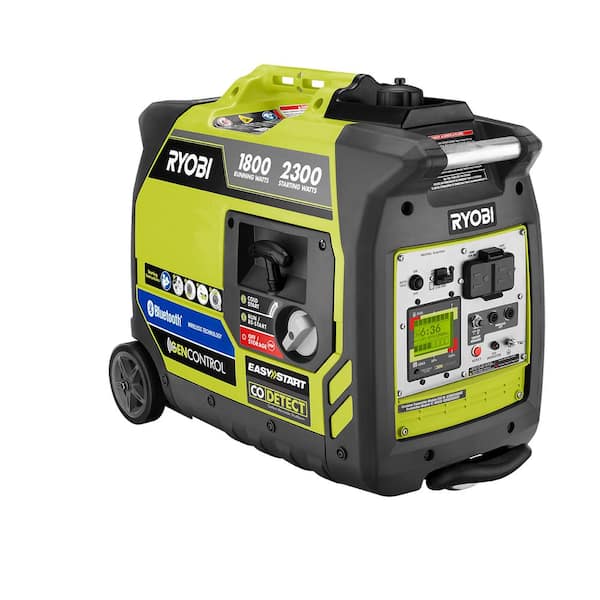
Inverter generators often provide power outputs up to around 3000 watts. This range suits small appliances, camping gear, and some power tools. Larger inverter models exist but are less common and more costly. Traditional generators can reach much higher wattage levels, easily exceeding 5000 watts. They suit larger equipment and whole-home backup needs better. Choosing an inverter generator means accepting some limits on power capacity.
Energy Efficiency Challenges
Inverter generators adjust engine speed to match power demand. This saves fuel and reduces noise. However, efficiency can drop if the generator runs near its maximum wattage for long periods. High power loads force the engine to run faster and louder, reducing quiet operation benefits. Also, inverter technology adds complexity that may cause slight energy losses in very large units. Balancing power needs with efficiency is crucial for users.
Credit: www.homedepot.com
Fuel Dependency Issues
Fuel dependency issues pose challenges for inverter generators. These generators need a steady fuel supply to run efficiently. Interruptions in fuel availability can cause operational problems. Understanding fuel needs and logistics helps manage these challenges better.
Fuel Supply Needs
Inverter generators typically run on gasoline or propane. They require constant fuel to maintain power output. Running out of fuel stops the generator immediately. Carrying extra fuel is necessary for longer use. Storing fuel safely is important to avoid accidents. Fuel quality also affects generator performance and lifespan.
Operational Logistics
Transporting fuel to remote locations can be difficult. It adds to the total cost and effort of using a generator. Users must plan fuel stops and storage carefully. Fuel handling requires caution to prevent spills and fire risks. Regular checks on fuel levels ensure the generator runs smoothly. Efficient fuel management improves the overall experience with inverter generators.
Safety And Usage
Safety is a key factor when using any generator, including inverter models. These generators offer quieter operation but still require careful handling. Understanding safety guidelines helps prevent accidents and ensures proper use. This section covers essential safety aspects related to inverter generators.
Carbon Monoxide Risks
Carbon monoxide is a colorless, odorless gas. It can be deadly if inhaled in large amounts. Inverter generators produce carbon monoxide like other gas-powered machines. Always operate them in well-ventilated spaces outdoors. Never run a generator inside homes, garages, or enclosed areas. Installing carbon monoxide detectors near generator use areas adds extra protection. Recognizing symptoms of poisoning, such as headache or dizziness, is important. Stop use and seek fresh air immediately if symptoms appear.
Outdoor Use Requirements
Inverter generators must be used outdoors only. Place them on flat, dry ground to avoid hazards. Keep the generator away from windows, doors, and vents. This prevents fumes from entering living spaces. Maintain a safe distance from flammable materials to reduce fire risk. Use weather-resistant covers designed for generators during rain. Avoid operating the generator in wet conditions without protection. Follow manufacturer instructions for setup and maintenance. Proper use extends the generator’s life and keeps users safe.
Alternative Power Solutions
Alternative power solutions offer quiet and efficient energy options. They suit many uses, from camping to home backup. These solutions reduce noise and pollution compared to traditional generators. Understanding their features helps you pick the best option for your needs.
Two popular alternatives are portable power stations and different battery types. Each has unique benefits and limitations. Knowing these helps make smart choices about portable energy.
Portable Power Stations
Portable power stations store electricity in built-in batteries. They use clean energy and operate silently. No gas or oil is needed. These stations are easy to carry and use. They charge devices like phones, laptops, and small appliances. They work well for short trips or power outages. Recharging requires access to electricity or solar panels.
These stations are low maintenance and produce zero emissions. Their quiet operation makes them ideal for noise-sensitive areas. Power output varies by model, so check the wattage before buying. They provide a green and peaceful power source.
Batteries Vs Gasoline
Batteries store and deliver electric power without noise or fumes. They need recharging after use but offer clean energy. Gasoline generators run on fuel and create noise and emissions. They provide longer run times and higher power levels. However, they require fuel storage and regular maintenance.
Battery-powered solutions suit low to medium energy needs quietly. Gasoline generators fit high-power needs but are louder and less eco-friendly. Batteries have no smell or vibration. Gasoline engines can be noisy and cause air pollution. Consider power needs and environment when choosing between them.
Frequently Asked Questions
How Much Quieter Is An Inverter Generator?
Inverter generators are typically 10 to 30 decibels quieter than traditional models. They adjust engine speed to reduce noise. Soundproof casings and mufflers further lower sound levels, making them ideal for quiet environments.
What Is The Downside Of An Inverter Generator?
The downside of an inverter generator includes higher upfront costs and complex, costly maintenance. It offers limited high-power options and depends on fuel supply.
What Is The Quietest Type Of Generator?
The quietest type of generator is the inverter generator. It adjusts engine speed to reduce noise. Enclosed casings and mufflers further lower sound output.
How To Make An Inverter Generator Quieter?
Place the inverter generator on a soft surface to reduce vibration noise. Use soundproof enclosures or barriers. Regularly maintain the muffler and air filters. Operate at lower loads to minimize engine speed and noise. Choose models with built-in noise reduction features for quieter performance.
What Makes An Inverter Generator Quieter Than Traditional Ones?
Inverter generators adjust engine speed to match power needs, reducing noise during low loads.
How Many Decibels Quieter Is An Inverter Generator?
Inverter generators are typically 10 to 20 decibels quieter than conventional generators.
Do Inverter Generators Have Special Noise-reducing Features?
Yes, they include enclosed casings, sound insulation, and mufflers to lower noise output.
Can Inverter Generators Run Quietly At Full Power?
They are quieter at low to medium loads but may be as loud as others at full power.
Why Does Engine Speed Affect Generator Noise?
Lower engine speeds produce less noise, and inverter generators adjust speed based on demand.
Are Inverter Generators Better For Camping Or Outdoor Use?
Yes, their quieter operation makes them ideal for camping, tailgating, and outdoor activities.
Conclusion
Inverter generators run quieter than traditional models by adjusting engine speed. They use soundproof designs to reduce noise further. This makes them ideal for camping, home use, or events. Despite higher costs, many find the quiet operation worth it. Maintenance can be more complex but manageable with care.
Choose an inverter generator if noise matters most to you. Quiet power is possible without sacrificing performance or reliability.