
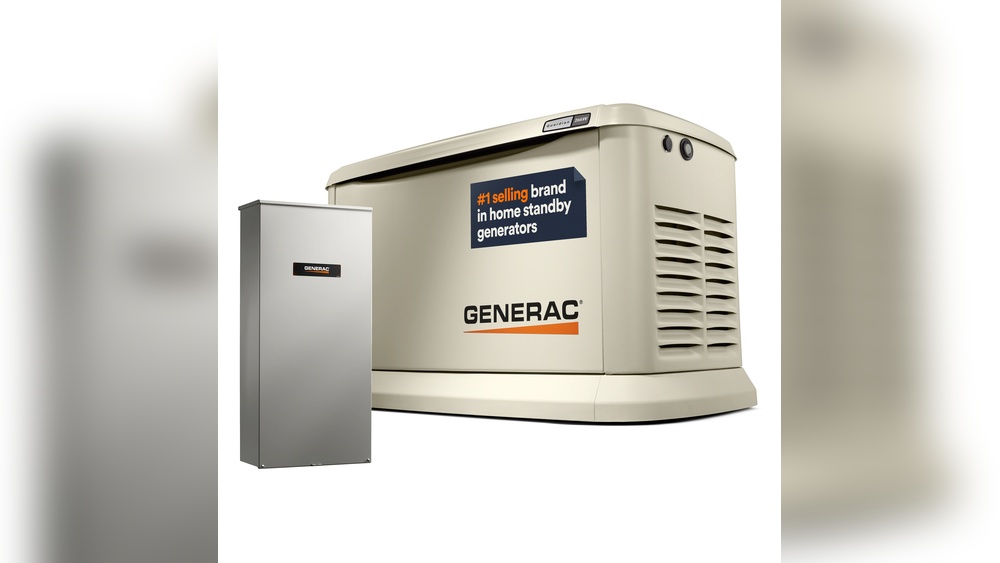
If you’re thinking about investing in a generator, you’ve probably come across the name Generac. But what type of generator is a Generac exactly?
Understanding this can help you decide if it’s the right fit for your home or business. Whether you need backup power during outages or a reliable energy source for your worksite, knowing what sets Generac apart will make your choice easier.
You’ll discover the different types of Generac generators, how they work, and what benefits they offer. Keep reading to find out how a Generac generator can keep your power running smoothly when you need it most.
Generac Generator Types
Generac offers a range of generators for different needs. Their generators are known for reliability and power. They have models designed for homes, businesses, and outdoor use. Each type suits a specific purpose and power requirement.
Understanding the types helps choose the right generator. Generac mainly provides standby, portable, and inverter generators. Each type has unique features and benefits for users.
Standby generators are fixed systems installed outside a building. They turn on automatically during power outages. These generators use natural gas or propane. They provide continuous power to homes or businesses. Installation needs a professional for safety and performance. Standby generators offer high power output and reliability.
Portable generators are smaller and can be moved easily. They run on gasoline or propane. These generators are useful for outdoor activities or emergency backup. They power essential devices during short outages. Portable models are less powerful than standby types. They require manual start and refueling.
Inverter Generators
Inverter generators produce clean and stable power. They are quieter and fuel-efficient. These generators are perfect for sensitive electronics. Inverter models are compact and lightweight. They adjust engine speed to save fuel. Inverter generators suit camping and small appliances.
Standby Generators
Standby generators are permanent backup power systems. They activate automatically during power outages. Generac is a leading brand in standby generators. These generators provide reliable power to homes and businesses.
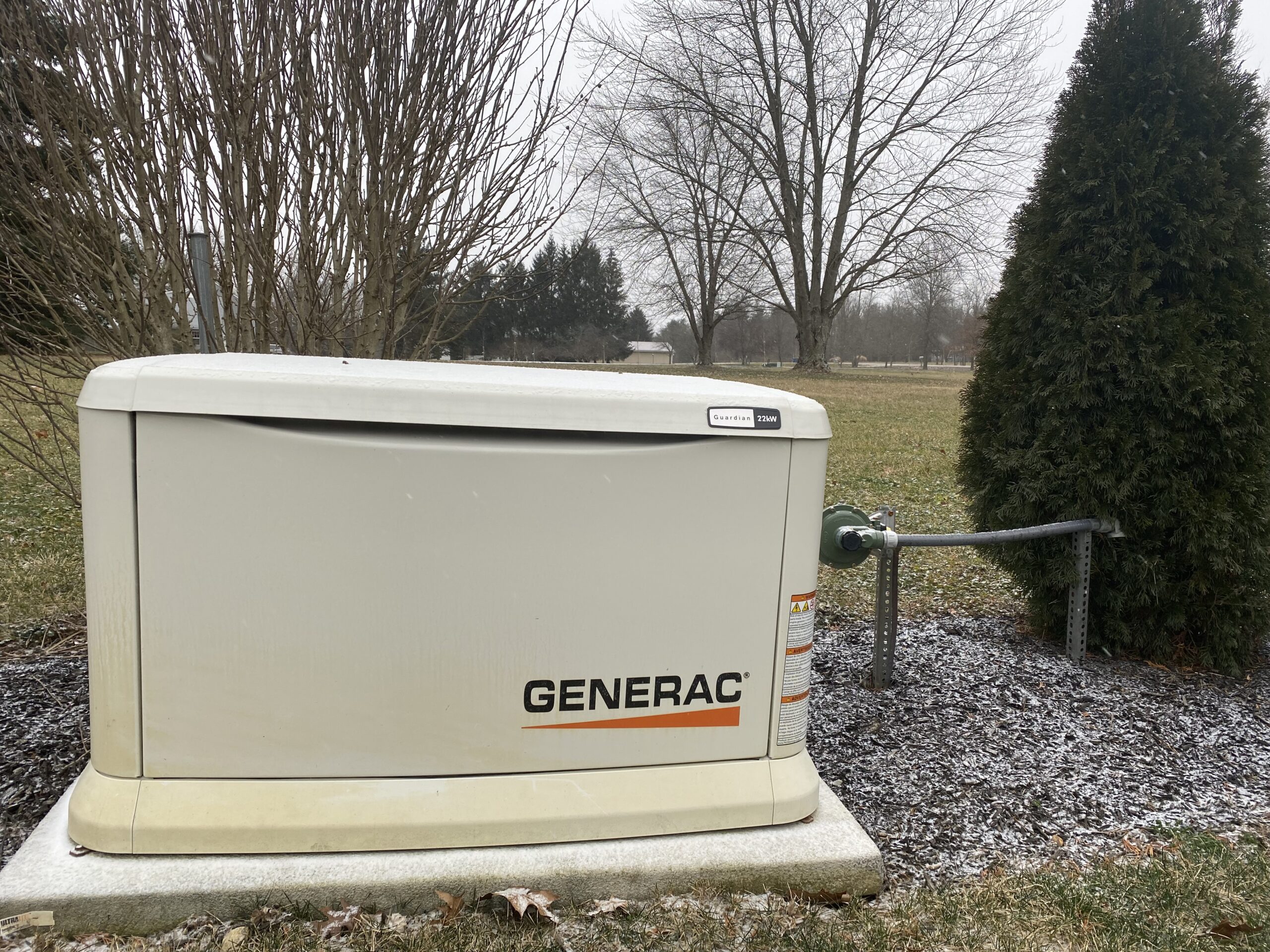
Installed outside your property, standby generators connect to your electrical system. They run on natural gas or propane. This setup ensures power supply without manual effort. Standby generators keep essential appliances running smoothly.
How Standby Generators Work
Standby generators detect power loss instantly. They start within seconds of an outage. The generator powers your home until electricity returns. Once utility power is restored, the generator shuts off automatically.
Benefits Of Generac Standby Generators
Generac standby generators offer continuous power without user intervention. They protect against long outages and storms. These units provide peace of mind for families and businesses. Maintenance is minimal, ensuring hassle-free operation.
Installation And Maintenance
Professional installation is required for standby generators. It ensures safety and proper operation. Regular maintenance keeps the generator in top condition. Generac offers service plans to simplify upkeep.
Portable Generators
Portable generators by Generac offer power on the go. They are built for easy transport and quick setup. These generators suit outdoor activities, job sites, and emergency backup power. Compact size and solid performance make them popular.
Generac portable generators provide reliable energy for small to medium needs. Their design focuses on portability without sacrificing power output. Many models include user-friendly features for hassle-free operation.
Power Output And Capacity
Generac portable generators range from 2,000 to 10,000 watts. This power suits camping, tailgating, and light home backup. They run essential devices like lights, fans, and small appliances. Some models can handle larger equipment on job sites.
Fuel Type And Efficiency
Most Generac portable generators run on gasoline. Gasoline is easy to find and refuel. Some models also support propane for longer run times. Generac engines are designed for fuel efficiency and lower emissions.
Portability Features
Generac portable generators include handles and wheels. These features help move the generator easily. Their compact frame fits well in trucks or storage spaces. Portability supports use in different locations quickly.
Noise Levels
Generac designs these generators to run quietly. They use sound-dampening materials to reduce noise. Lower noise means less disturbance in outdoor or residential areas. This makes them suitable for use in many environments.
Safety And Durability
Generac portable generators include safety features like automatic shutoff. They protect the engine from low oil levels and overheating. Their sturdy build resists wear from outdoor conditions. This ensures long-lasting performance.
Credit: www.premiergenerators.com
Inverter Vs Conventional Generac
Generac offers two main types of generators: inverter and conventional models. Each serves different needs and uses unique technology to produce electricity. Understanding the differences helps in choosing the right generator for your home or business.
What Is An Inverter Generac?
An inverter Generac uses advanced electronics to produce clean and stable power. It converts raw power into direct current (DC) and then back to alternating current (AC). This process creates smooth electricity that is safe for sensitive devices like laptops and phones.
Inverter generators are usually quieter and more fuel-efficient. They adjust engine speed based on power demand, saving fuel and reducing noise. These models are often compact and easy to move, ideal for outdoor activities or small backup power needs.
What Is A Conventional Generac?
Conventional Generac generators use a simpler design to produce electricity. They run at a constant speed, usually 3600 RPM, to generate power. This type is known for its strength and ability to power larger loads.
These generators are often bigger and louder than inverter models. They provide steady power for homes, businesses, and construction sites. Conventional Generac generators are a solid choice for longer or heavy-duty use.
Key Differences Between Inverter And Conventional Generac
Inverter Generac models offer cleaner power with less noise and better fuel efficiency. Conventional models provide more power and handle larger appliances easily. Inverter generators suit sensitive electronics and portable use. Conventional generators fit well for whole-house backup and high-demand tasks.
Choosing between inverter and conventional depends on your power needs, noise limits, and budget. Both types have strengths that match different situations.
Engines Used In Generac
Generac generators use reliable engines designed for durability and efficiency. These engines power various models, from portable units to home standby systems. The choice of engine affects performance, fuel type, and maintenance needs.
Generac often uses engines built specifically for generator use. These engines run smoothly under continuous load and offer long service life. Understanding the types of engines helps buyers select the right model.
Air-cooled Engines
Many Generac generators use air-cooled engines. These engines are simple and effective. They use air to keep the engine cool during operation. Air-cooled engines are common in portable and smaller standby generators. They are lighter and require less maintenance. This makes them ideal for home use and light commercial needs.
Liquid-cooled Engines
Liquid-cooled engines appear in larger Generac models. These engines use coolant to maintain the right temperature. Liquid cooling allows the engine to run longer and handle more power. They are quieter and better for heavy-duty applications. Liquid-cooled engines suit larger homes and businesses with higher power demands.
Ohv (overhead Valve) Technology
Generac engines often feature OHV technology. OHV engines have valves located above the combustion chamber. This design improves fuel efficiency and reduces emissions. OHV engines also last longer and run quieter. Many Generac home standby generators use OHV engines for these benefits.
Fuel Types Used In Generac Engines
Generac engines run on multiple fuel types. Common fuels include gasoline, propane, and natural gas. Gasoline engines power portable generators and some standby models. Propane and natural gas engines are popular in home standby generators. These fuels burn cleaner and offer longer run times. Fuel choice depends on availability and generator use.
Fuel Options For Generac
Generac generators offer several fuel options to suit different needs. Choosing the right fuel affects convenience, cost, and performance. Each fuel type has benefits that fit specific situations. Understanding fuel options helps select the best Generac generator for your home or business.
Natural Gas Generators
Natural gas is a popular fuel for Generac standby generators. It connects directly to your home’s gas line. This fuel option offers a continuous supply without refilling. Natural gas burns cleanly and produces less pollution. It is also usually more affordable than propane or gasoline.
Propane Generators
Propane is another common fuel choice for Generac generators. It stores easily in tanks outside your home. Propane lasts longer on the shelf than gasoline. This fuel burns clean and provides reliable power. Propane is ideal for areas without natural gas connections.
Gasoline Generators
Many Generac portable generators run on gasoline. Gasoline is easy to find and refill. It provides strong power output for short-term use. However, gasoline can be less stable over time. It may need fresh fuel for longer storage periods.
Diesel Generators
Generac also offers diesel-powered generators for heavy-duty use. Diesel fuel provides high efficiency and durability. Diesel generators work well in commercial settings. They often require less maintenance and last longer than other types.
Power Output And Size
Power output and size are key factors to understand when choosing a Generac generator. These aspects determine the generator’s ability to meet your energy needs and fit your space. Generac offers a range of models designed for different power demands and installation locations.
Choosing the right generator depends on your home’s or business’s power requirements. Generac generators vary from small, portable units to large, standby systems. Each size has a specific power output suited for various uses.
Power Output Range Of Generac Generators
Generac generators provide power outputs from 800 watts to 22,000 watts. Small portable models supply enough energy for camping or small tools. Larger standby generators can power entire homes or businesses. This wide range allows customers to pick a generator that matches their power needs.
Physical Size And Installation Space
Generac’s portable generators are compact and easy to move. These units fit in small areas and are ideal for outdoor use. Standby generators are larger and require permanent installation outside your home. They need enough space around them for ventilation and maintenance access.
Matching Power Output With Size
Higher power output usually means a bigger generator size. Large standby models have bigger engines and fuel tanks. Portable models with lower wattage are lighter and smaller. Generac designs its generators to balance size and power efficiently.
Installation And Costs
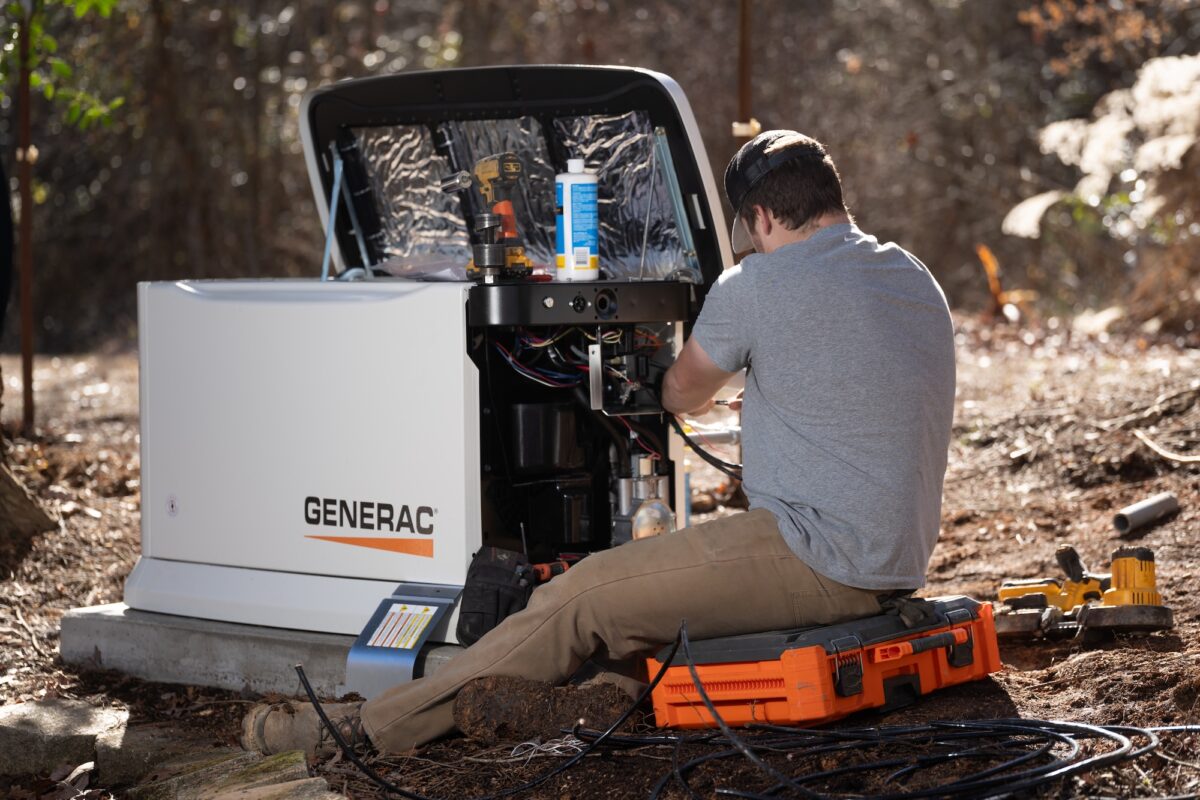
Installing a Generac generator involves several key steps. The process requires a licensed professional to ensure safety and proper function. Installation includes connecting the generator to your home’s electrical system and fuel source. This setup allows automatic power during outages without manual effort.
Costs vary depending on the model and installation complexity. Standby generators cost more upfront than portable ones. The price covers the unit, labor, permits, and any needed upgrades to your electrical system. Budgeting for installation is essential to avoid surprises.
Installation Process
The installation starts with a site inspection. Professionals check the best location for the generator. They consider noise, ventilation, and accessibility. Next, they prepare the area by laying a concrete pad or base. The generator is then secured and connected to your fuel supply. Finally, the system is linked to your home’s electrical panel. A transfer switch is installed to switch power sources safely.
Cost Breakdown
The generator itself can cost between $2,000 and $5,000. Installation fees often range from $1,000 to $3,000. Additional expenses include permits and inspections, which vary by location. Larger homes or businesses might need bigger units, increasing costs. Routine maintenance should also be considered in your budget.
Factors Affecting Costs
Fuel type impacts the price. Natural gas units may cost less to operate than propane models. Location matters—urban areas might have higher permit fees. Electrical upgrades to your home add to the total. The complexity of installation influences labor costs too.
Common Issues And Controversies
Generac generators are popular for home and business backup power. Despite their popularity, users report some common issues and controversies. Understanding these problems helps buyers make informed decisions. These concerns include reliability, warranty claims, and installation challenges.
Reliability And Performance Problems
Some users experience generator failures during power outages. These problems affect the generator’s ability to provide consistent power. Faulty parts or poor maintenance can cause these issues. Generac generators need regular checks to avoid breakdowns. Customers often report problems with engine starts and fuel systems.
Warranty And Customer Service Complaints
Many customers claim Generac does not fully honor its warranty. Complaints include delays in repair and replacement parts. Some say customer service is slow or unhelpful. These issues can leave users without power during critical times. Warranty disputes have led to legal actions against the company.
Installation And Cost Concerns
Generac standby generators require professional installation. This adds to the total cost of ownership. Installation mistakes can cause system failures and safety risks. High initial costs discourage some buyers. The need for certified technicians limits quick setup options.
Credit: yoderelectric.com
Choosing The Right Generac Model
Choosing the right Generac model ensures reliable power when you need it most. Generac offers various generators designed for different needs. Each model has unique features and power capacities. Selecting the correct one depends on your home’s size and power demands.
Understanding Standby Generators
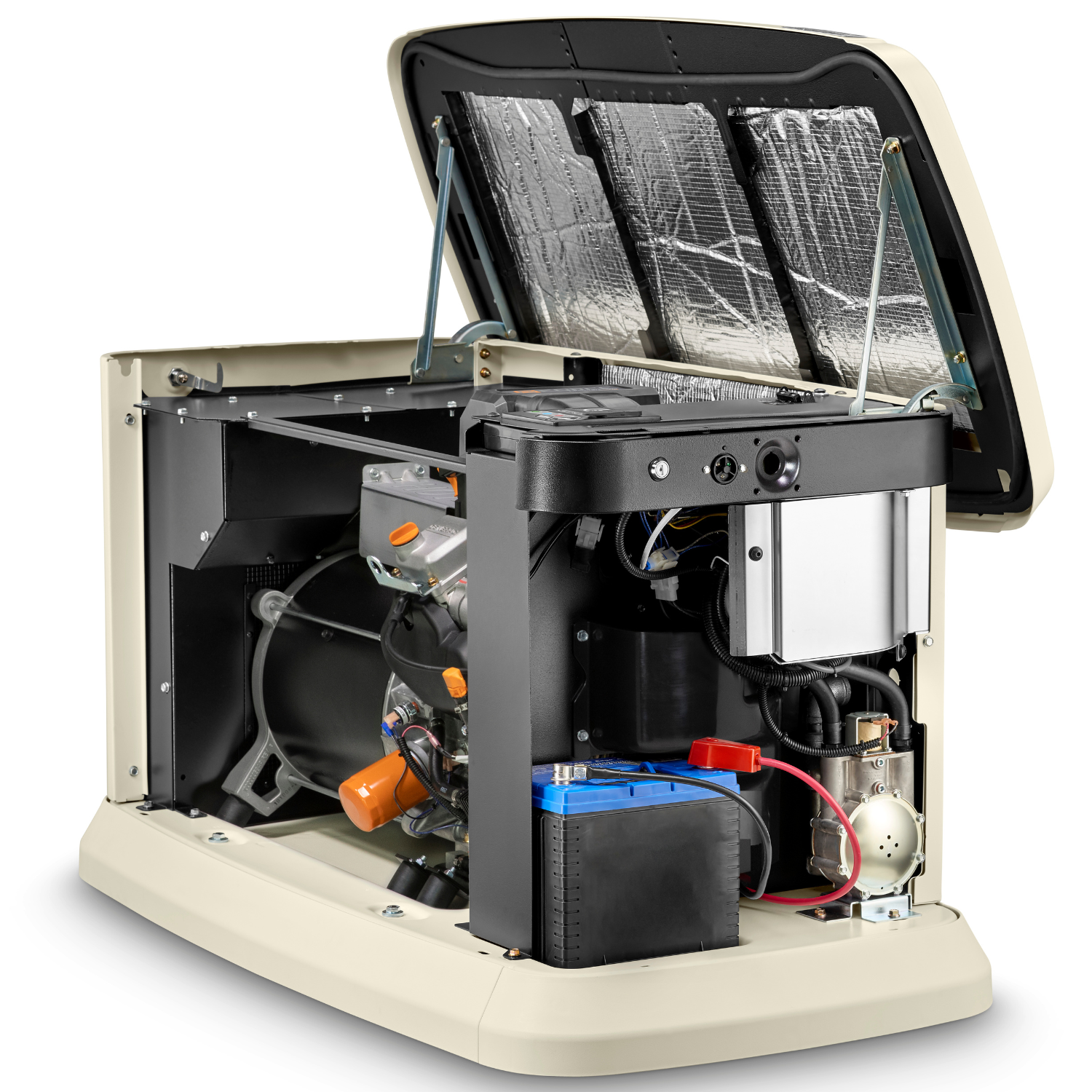
Generac standby generators automatically turn on during power outages. They connect directly to your home’s electrical system. These models provide continuous power to essential appliances. They require professional installation and fuel sources like natural gas or propane.
Exploring Portable Generators
Portable Generac generators offer flexible power supply anywhere. They run on gasoline and can power tools and small appliances. These models are easy to move and store. They suit outdoor activities or temporary power needs.
Considering Power Output
Check the wattage needed for your home or job site. Generac models range from small to large power outputs. Match the generator’s capacity with your essential equipment’s requirements. Overloading a generator can cause damage or power failure.
Fuel Type And Efficiency
Generac generators use different fuels like gasoline, propane, or natural gas. Fuel choice affects run time and convenience. Standby models often use natural gas for longer operation. Portable models mostly use gasoline for easy refilling.
Budget And Installation
Standby generators have higher upfront costs and need installation. Portable generators cost less and require no setup. Factor in maintenance and fuel costs for overall budgeting. Choose a model that fits your financial plan and power needs.
Credit: www.generac.com
Frequently Asked Questions
What Are The Disadvantages Of A Generac Generator?
Generac generators have high upfront costs and require professional installation. They may produce noise and need regular maintenance. Some users report warranty and reliability issues during critical power outages.
Is A Generac An Inverter Generator?
Generac generators are not inverter generators. They mainly produce power using conventional engine technology. Some models focus on standby or portable power needs.
What Is The Controversy With Generac?
Generac faces controversy over alleged warranty failures. Customers claim defective generators lacked adequate power during outages. Lawsuits accuse Generac of not honoring warranty promises, causing dissatisfaction and reliability concerns. This legal dispute affects its reputation and customer trust in its products.
What Is The Average Price Of A Generac Generator?
The average price of a Generac generator ranges from $2,000 to $5,000. Installation may cost an additional $500 to $2,000.
What Type Of Generator Is A Generac?
Generac primarily makes standby generators designed for home and business backup power.
Are Generac Generators Portable Or Standby?
Most Generac generators are standby models, permanently installed and automatic.
Does Generac Make Inverter Generators?
Generac mainly produces standby and portable generators, not true inverter generators.
What Fuel Types Do Generac Generators Use?
Generac generators commonly run on natural gas, propane, or diesel fuel.
How Reliable Are Generac Standby Generators?
Generac generators are known for reliable performance during power outages.
What Size Generac Generator Do I Need?
Generator size depends on your power needs and the appliances you want to run.
Conclusion
Generac generators come in various types to suit different needs. They include standby, portable, and inverter models. Each type offers unique benefits for home or business use. Standby generators provide automatic power during outages. Portable generators offer flexibility for outdoor or temporary power.
Inverter models deliver clean, stable electricity for sensitive devices. Choosing the right Generac depends on your power requirements and budget. Understanding these options helps you make an informed decision. Generac remains a trusted name in reliable backup power solutions.