
Have you ever wondered how machines can create images, music, or even text that feels strikingly real? The secret lies in Generative Adversarial Networks (GANs), a fascinating technology that powers much of today’s artificial intelligence.
At the heart of this system is the generator, a crucial component that plays a vital role in producing new data. But what exactly does the generator do, and why is it so important? Understanding its purpose can unlock new insights into how AI creates, learns, and evolves.
Dive in as we explore the generator’s role in GANs, and discover how it impacts everything from art to science. You won’t want to miss this!
Credit: www.solulab.com
Role Of The Generator
The role of the generator in a Generative Adversarial Network (GAN) is crucial. It serves as the creative force behind the model. This component generates new data instances that mimic real data, allowing for a wide range of applications from art to realistic image creation.
Understanding The Generator’s Function
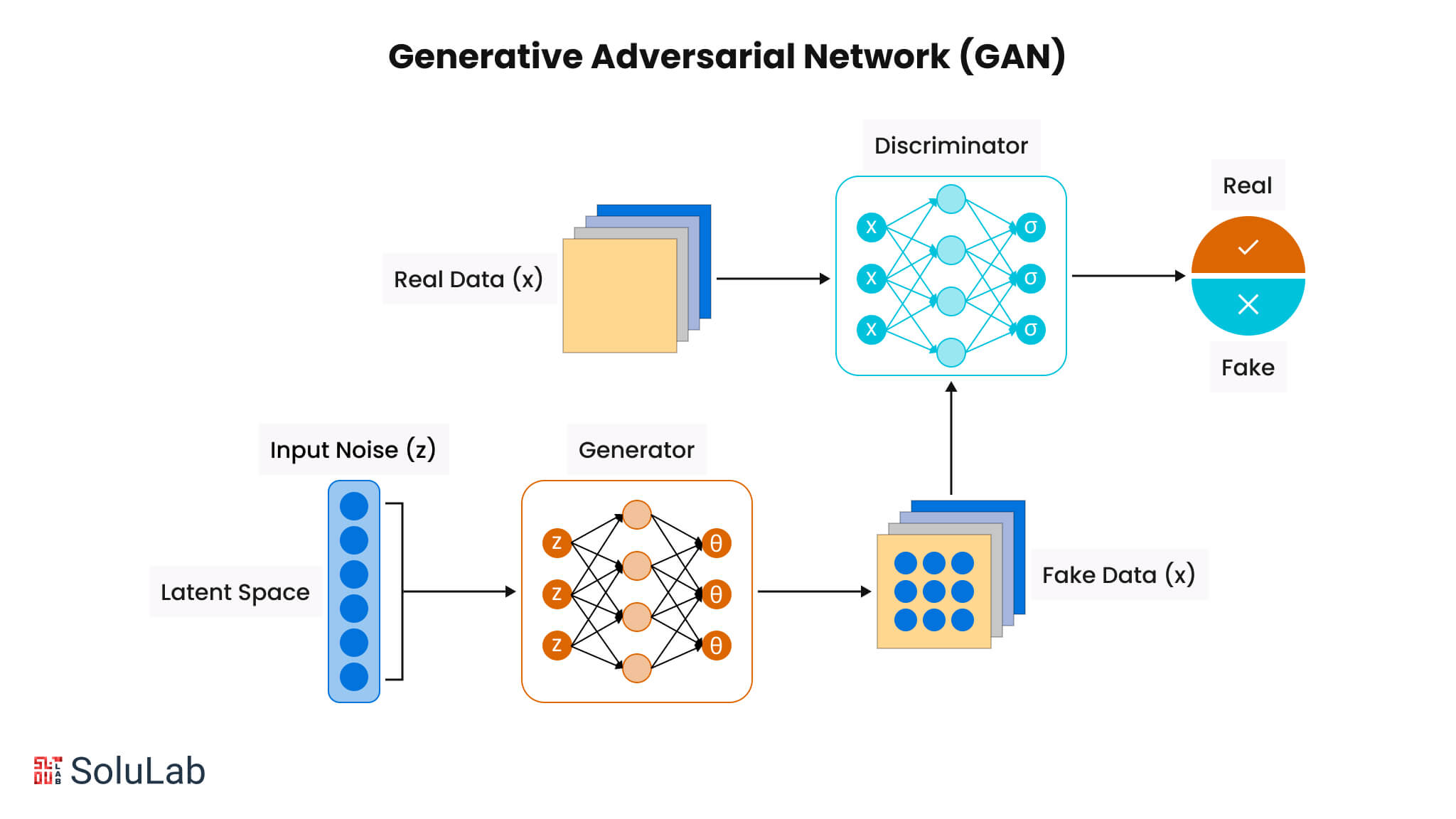
The generator takes random input, often referred to as noise, and transforms it into a data sample. This could be an image, text, or audio. Its primary goal is to produce outputs that are indistinguishable from real data.
Think about your favorite artist. Just as they take inspiration from the world around them to create something new, the generator draws from a set of training data to craft unique outputs. This creative process is what makes GANs so powerful.
The Training Process
Training the generator involves a continuous back-and-forth with the discriminator, the counterpart in a GAN. Initially, the generator creates random outputs that fail to fool the discriminator. However, with each iteration, it learns and improves.
This is akin to a feedback loop. The generator adjusts its parameters based on the discriminator’s feedback, gradually enhancing the quality of its outputs. Have you ever tried to improve a skill by practicing and adjusting based on feedback? That’s exactly what happens here.
The applications of the generator are vast. In art, it can create stunning visuals that inspire or innovate. In fashion, it generates new clothing designs based on existing trends.
- Image synthesis for video games
- Creating lifelike characters in animations
- Generating realistic landscapes for virtual reality
These examples highlight the generator’s ability to not just replicate but also innovate. Imagine a world where your ideas could become reality in an instant.
Challenges Faced By The Generator
Despite its potential, the generator faces challenges. One significant issue is mode collapse, where it produces limited variations of outputs. This can hinder creativity and lead to repetitive results.
Another challenge is ensuring the generated data maintains high quality. It must strike a balance between creativity and realism. Have you ever encountered a piece of art that felt off? That’s what poor quality outputs can do.
The generator’s role in a GAN is multifaceted. It creates, learns, and evolves, pushing the boundaries of what’s possible in data generation. Understanding its purpose can inspire you to explore the vast potential of generative models.
How The Generator Creates Data
Understanding how the generator creates data in a Generative Adversarial Network (GAN) opens up a fascinating realm of possibilities. The generator serves as the creative powerhouse of the GAN, tasked with producing realistic data. This process involves sophisticated techniques that allow it to learn from existing datasets and generate new, synthetic data that can be remarkably lifelike.
How The Generator Works
The generator operates using a neural network that takes random noise as input. This noise acts as a seed to produce new data. It transforms this random input into a format that resembles real data, such as images, audio, or text.
During training, the generator receives feedback from the discriminator. This feedback helps it refine its outputs to make them more realistic. Over time, it learns to produce data that is increasingly difficult to distinguish from real data.
Training the generator involves a delicate balance between creativity and accuracy. The generator starts with random outputs, but as it trains, it adjusts its parameters to improve its creations.
Each iteration of training includes a loss function that measures how well the generated data fools the discriminator. The goal is to minimize this loss, pushing the generator to create better and more realistic outputs.
The Role Of Random Noise
Random noise is crucial in the data generation process. It ensures that the output is not always the same, providing diversity in the generated data.
Think of it this way: if the generator only used fixed inputs, it would produce identical outputs every time. By introducing random noise, you enable the generator to create a wide array of unique results, enhancing creativity.
Applications Of Generated Data
The data generated by the generator has practical applications across various industries. For instance, in art, it can create stunning visual pieces that blend different styles. In healthcare, it can generate synthetic medical images for research and training purposes.
- Gaming: New characters or environments can be created.
- Fashion: Unique clothing designs can emerge from generated data.
- Advertising: Customized content tailored to specific audiences can be developed.
Have you ever wondered how a simple piece of code can produce something so intricate and valuable? The generator’s ability to create new data is not just a technical feat; it holds significant potential for innovation and creativity in your field.
Relationship With The Discriminator
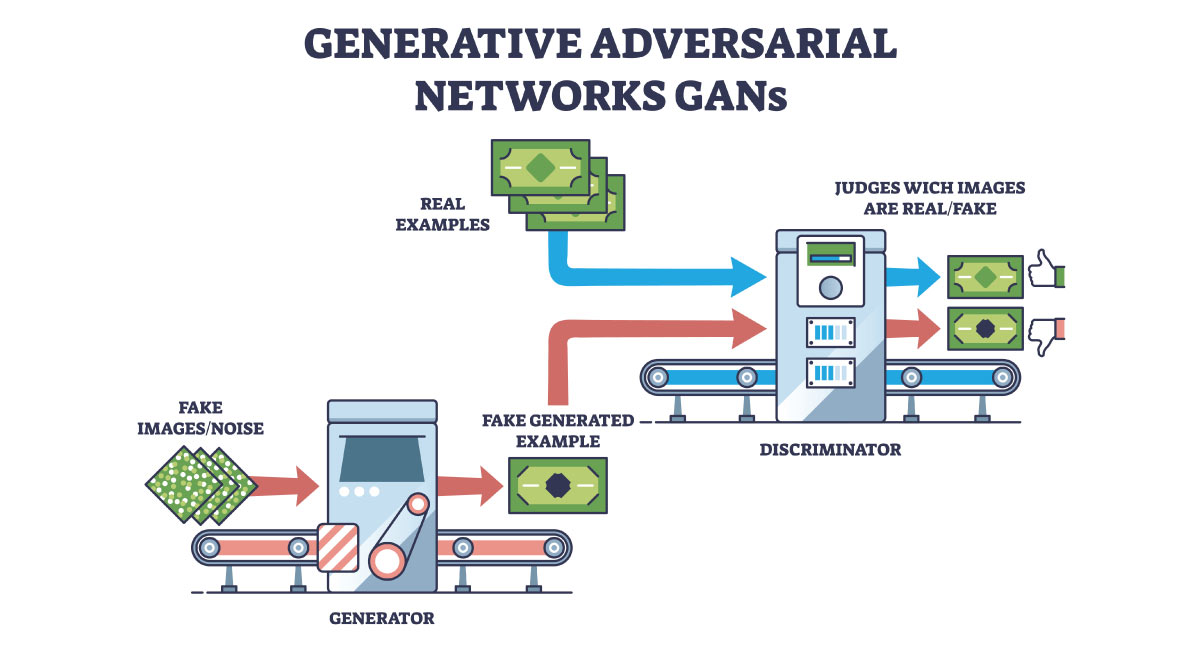
The generator and the discriminator are key parts of a Generative Adversarial Network (GAN). They work together but have different roles. The generator creates fake data. The discriminator checks if the data is real or fake. Their relationship is based on competition.
The generator’s job is to produce new data. It tries to mimic real data. This could be images, text, or anything else. The generator learns from the feedback it receives.
The Role Of The Discriminator
The discriminator’s job is to evaluate data. It distinguishes between real and fake. It uses examples of real data to learn. This helps it identify what is fake.
The Competition
The generator and discriminator are in constant competition. The generator wants to fool the discriminator. It aims to create better and more realistic data. The discriminator aims to improve its detection skills.
The Feedback Loop
The generator receives feedback from the discriminator. This feedback helps it improve. If the discriminator catches the fake data, the generator learns. It adjusts its methods to create better data.
The Balance
For a GAN to work well, balance is key. The generator must improve without outpacing the discriminator. If one side is too strong, the system fails. A well-balanced relationship leads to better results.
Training The Generator
Training the generator is a key part of a Generative Adversarial Network (GAN). The generator creates new data samples. It learns by making mistakes and improving over time. This process helps it produce realistic outputs.
During training, the generator tries to fool the discriminator. The discriminator checks if the data is real or fake. The generator learns from the feedback it gets. This feedback helps it improve its creations.
Understanding The Feedback Loop
The feedback loop is essential for training the generator. It receives signals from the discriminator. These signals guide the generator in adjusting its output. The goal is to make the generated data more realistic.
Every time the generator fails to fool the discriminator, it learns. It understands what features make the data look real. This learning process is crucial for improvement.
Loss Function And Its Role
The loss function measures how well the generator performs. It calculates the difference between the generated data and real data. A lower loss means the generator is doing well.
The generator aims to minimize this loss. It changes its parameters based on the loss value. This adjustment helps improve its output over time.
Iteration And Improvement
Training the generator is an iterative process. It goes through many cycles of learning. Each cycle helps the generator refine its skills.
With each iteration, the generator gets better. It creates more realistic samples. This continuous improvement is vital for successful GAN performance.
Challenges In Generator Optimization
The world of Generative Adversarial Networks (GANs) is exciting, yet filled with challenges, especially when it comes to optimizing the generator. This component is crucial for creating realistic outputs, but various hurdles can hinder its performance. Understanding these challenges will help you navigate the complexities of GANs more effectively.
Mode Collapse
Mode collapse is a common issue in generator optimization. It occurs when the generator starts producing a limited variety of outputs instead of a diverse range. You might notice this if your model consistently generates similar images, failing to capture the richness of the dataset.
To combat mode collapse, consider using techniques like:
- Mini-batch discrimination
- Feature matching
- Unrolled GANs
These methods encourage the generator to explore different aspects of the data, enhancing its creativity and diversity.
Balancing The Generator And Discriminator
A GAN consists of two main components: the generator and the discriminator. Striking the right balance between these two is vital. If one outperforms the other significantly, the training can stall.
Have you ever felt frustrated because your generator seemed stuck? It could be that the discriminator is too strong, making it hard for the generator to learn. Regularly adjusting the training rates of both components can help maintain equilibrium.
Loss Function Sensitivity
The choice of loss function greatly impacts the generator’s training. Different loss functions can lead to varying results, and some may not be suitable for your specific task. You might find that using a loss function that’s too simplistic leads to poor-quality outputs.
Experimenting with different loss functions can yield better results. For instance, Wasserstein loss is known to stabilize GAN training and improve convergence. Always analyze the outcomes to discover what works best for your models.
Computational Resources
Generator optimization can be resource-intensive. High computational demands can slow down your experiments, making it hard to iterate quickly. This might lead you to wonder how to make the most of your available resources.
Utilizing GPU acceleration can significantly speed up training times. Additionally, consider cloud-based services if local resources are limited. Efficiently managing your compute resources will allow for more extensive experimentation.
Hyperparameter Tuning
Finding the right hyperparameters can feel like searching for a needle in a haystack. Small changes can lead to significant differences in performance. Are you dedicating enough time to this critical aspect of model training?
Start with systematic approaches like grid search or random search. Monitor your results closely and be prepared to tweak settings as you learn more about your model’s behavior.
Generator optimization in GANs is undoubtedly challenging, but tackling these obstacles head-on can lead to impressive outcomes. As you refine your approach, remember to stay curious and open to new techniques. Your efforts will pay off in the quality and diversity of the generated outputs.
Applications Of The Generator
The generator in a Generative Adversarial Network (GAN) plays a key role. It creates new data. This data can be images, music, or text. Many industries use this technology. Let’s explore some important applications.
Image Generation
One of the main uses of the generator is in image creation. It can produce realistic images from random noise. Artists and designers benefit from this. They can generate unique artwork quickly. This saves time and inspires creativity.
Data Augmentation
Generators help in data augmentation. They create additional training data for machine learning models. This is useful when original data is limited. More data leads to better model performance. It helps improve accuracy and reliability.
Video Game Development
In video games, generators create environments and characters. They can generate levels and landscapes automatically. This reduces the workload for developers. It allows for more diverse gaming experiences.
Medical Imaging
Generators have important applications in healthcare. They can create medical images for training purposes. This helps in training doctors and medical professionals. Better training leads to improved patient care.
Text Generation
Text generation is another exciting application. The generator can produce realistic text. This is useful for content creation and chatbots. Businesses can use it for automated responses. It makes communication faster and easier.
Fashion Design
Fashion designers use generators for new clothing ideas. They create unique patterns and styles. This helps in staying ahead of trends. It inspires designers to think outside the box.
Music Composition
Generators can also compose music. They create melodies and harmonies. This assists musicians in their creative process. It opens up new possibilities for music creation.
Improving Generator Performance
The generator in a Generative Adversarial Network (GAN) plays a key role. It creates new data samples. These samples should look real and match the training data. Improving its performance is vital for better results.
Understanding Generator’s Role
The generator tries to create data that fools the discriminator. It learns from the feedback received. This feedback helps it improve over time. A strong generator produces high-quality samples.
Training Techniques
Training the generator effectively is crucial. Techniques like noise injection help. Adding random noise can make outputs diverse. This diversity makes it harder for the discriminator.
Loss Function Optimization
The loss function measures how well the generator performs. Optimizing this function leads to better output. A well-tuned loss function guides the generator to improve.
Regularization Methods
Regularization methods prevent overfitting. They ensure the generator generalizes well to new data. Techniques like dropout can help maintain balance during training.
Feedback From The Discriminator
The discriminator’s feedback is essential. It tells the generator how close it is to creating real data. This feedback loop drives continuous improvement in the generator.
Data Augmentation
Using data augmentation expands the training set. This technique helps the generator learn better. It can create more varied samples by modifying existing data.
Fine-tuning Hyperparameters
Hyperparameters control the training process. Tuning them carefully can enhance generator performance. Small changes can lead to significant improvements in output quality.

Credit: www.leewayhertz.com
Credit: pg-p.ctme.caltech.edu
Frequently Asked Questions
What Role Does The Generator Play In Gans?
The generator in a Generative Adversarial Network (GAN) creates new data samples. Its primary purpose is to generate realistic outputs that can fool the discriminator. This process involves learning from existing data and continuously improving its output quality. The generator is essential for the overall function of GANs.
How Does The Generator Learn In Gans?
The generator learns through a feedback loop with the discriminator. Initially, it produces random outputs, which the discriminator evaluates. Based on the discriminator’s feedback, the generator adjusts its parameters to improve its results. This adversarial training continues until the generator creates convincing data samples.
Why Is The Generator Important In Ai?
The generator is crucial in AI for producing synthetic data. It enables applications like image generation, text synthesis, and music composition. By mimicking real data distributions, it helps in training models with limited data. This capability enhances the versatility and creativity of AI systems.
What Types Of Data Can A Generator Create?
A generator can create various types of data, including images, videos, and audio. It can also generate text or any structured data format. The versatility of GANs allows them to be used in diverse fields, from art to medicine. This adaptability makes generators valuable tools in AI development.
Conclusion
The generator in a Generative Adversarial Network plays a key role. It creates data that mimics real samples. This helps in training the model effectively. Without the generator, the network cannot learn well. It pushes boundaries in fields like art and medicine.
Understanding its purpose enhances our grasp of AI. The generator shows us how machines can create. This opens new possibilities for technology and creativity. Embracing these advancements can lead to exciting discoveries. The journey of AI continues, and the generator is at its heart.