

Are you looking to enhance your JavaScript skills and write more efficient code? If so, understanding when to use generator functions is key.
These powerful tools can simplify complex tasks and improve your code’s performance. But how do you know when to implement them? We’ll break down the essentials of generator functions, explore their benefits, and provide clear examples to help you grasp their usage.
By the end, you’ll feel confident in deciding when to incorporate generator functions into your projects. Let’s dive in and unlock the potential of your JavaScript coding!
Credit: medium.com
Understanding Generator Functions
Generator functions in JavaScript provide a unique way to handle data. They allow you to pause and resume functions. This feature can help manage asynchronous tasks easily. Understanding how they work is essential for effective coding.
What Is A Generator Function?
A generator function is a special type of function. It can yield multiple values over time. Use the keyword functionto define one. Inside, use the yieldkeyword to return values step by step.
How Does It Work?
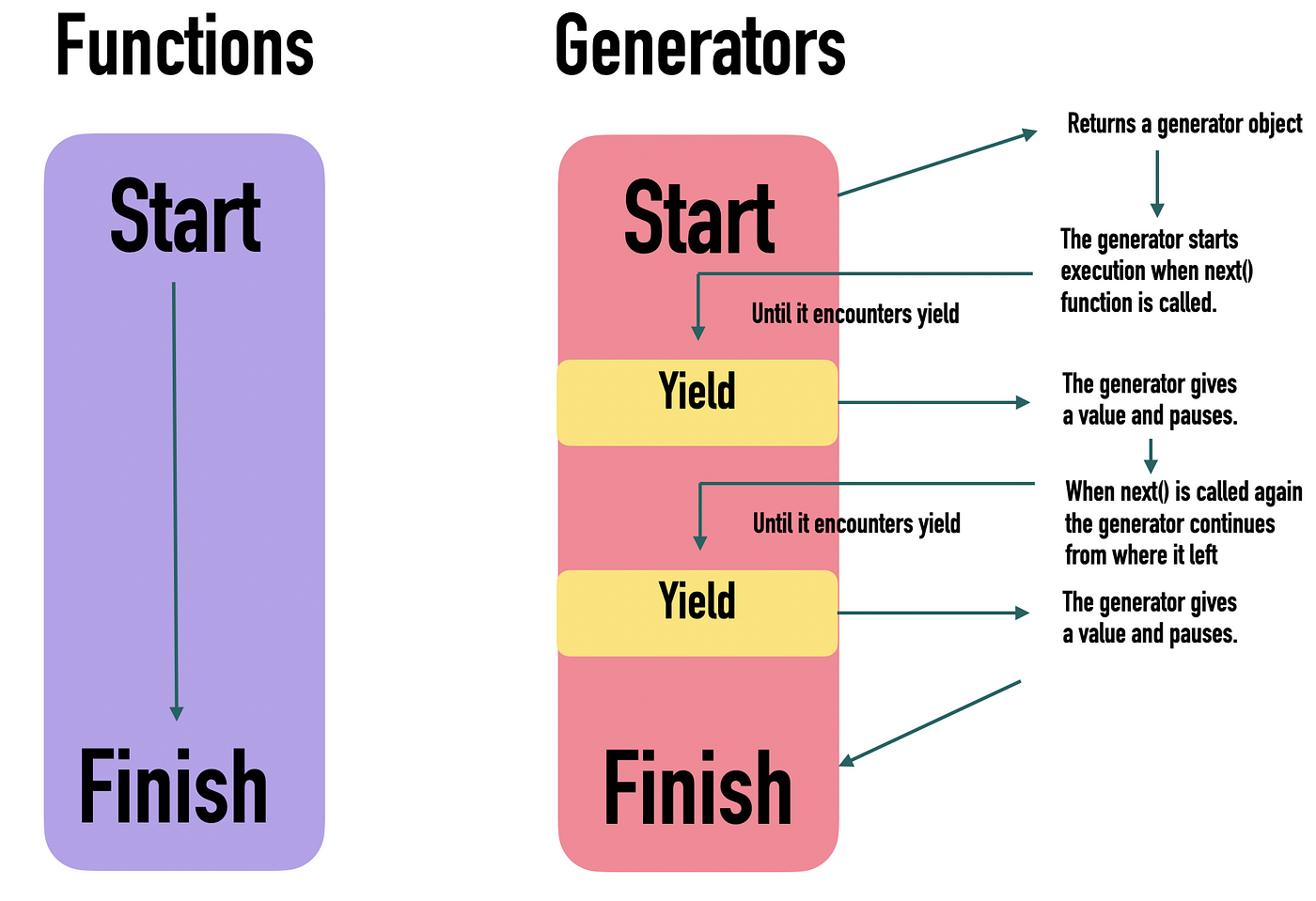
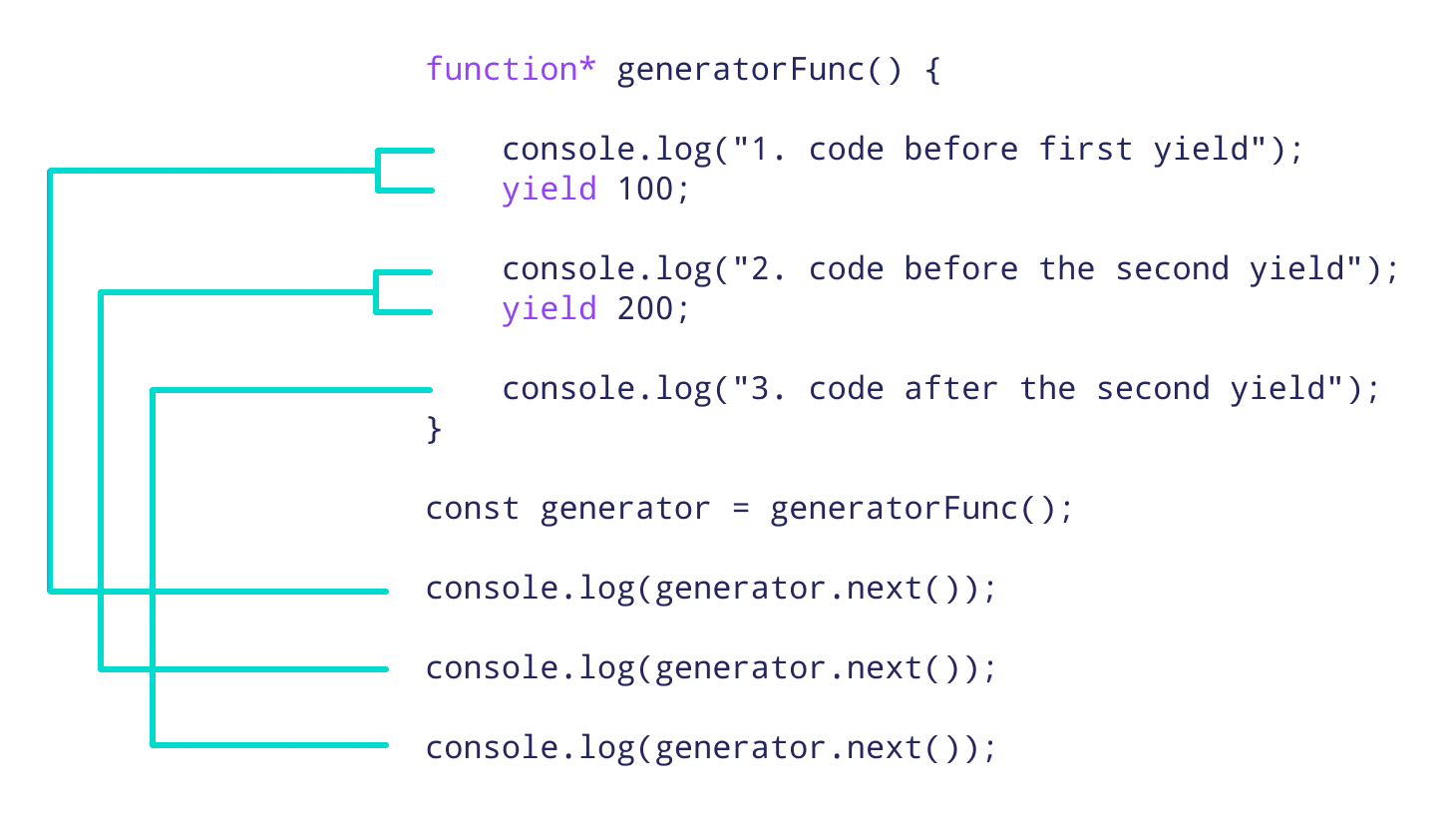
When you call a generator function, it does not run immediately. Instead, it returns an iterator object. This object controls the execution of the function. Each time you call the next()method, the function runs until it hits yield.
Benefits Of Using Generator Functions
Generator functions can simplify complex tasks. They help manage memory efficiently. You can produce values on demand. This feature is useful when dealing with large data sets.
When To Use Generator Functions
Use generator functions for asynchronous programming. They work well for tasks that require waiting. For example, fetching data from an API. They allow you to write cleaner and more readable code.
Common Use Cases
Generators are often used in loops. They can create sequences of data. They are helpful in state machines. Use them when you need to maintain an ongoing state without blocking the code.
Credit: www.programiz.com
How Generator Functions Work
Generator functions are a special type of function in JavaScript. They allow you to pause and resume execution. This makes them useful for handling data streams and complex tasks.
When you call a generator function, it does not run right away. Instead, it returns a generator object. This object contains the state of the function and allows you to control its execution.
Yield Keyword In Action
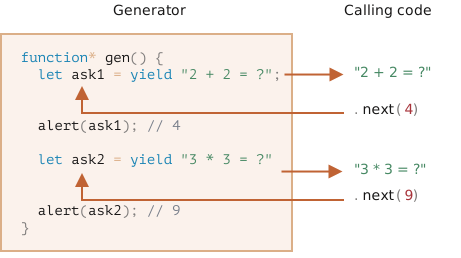
The yield keyword is the core of generator functions. It pauses the function and returns a value. When you call the generator again, it resumes from where it left off.
For example, consider this function:
functioncount() { yield 1; yield 2; yield 3; } Each time you call next() on the generator, it returns the next value. The function pauses after each yield.
Pausing And Resuming Execution
Pausing and resuming execution is simple with generator functions. You can control the flow of your code easily. This is helpful for tasks like loading data gradually.
Using the same example, calling next() three times gives you:
- 1
- 2
- 3
After that, the generator is done. It will not return more values.
Generator Objects Explained
Generator objects are unique. They have methods like next(), return(), and throw(). Each method helps control the generator’s behavior.
With next(), you get the next value. The return() method ends the generator early. The throw() method allows you to handle errors.
Generator objects also keep track of their state. This makes them efficient for managing asynchronous tasks. You can use them in many scenarios.
Differences Between Generators And Regular Functions
Understanding the differences between generator functions and regular functions in JavaScript is key to harnessing their unique capabilities. Both serve the purpose of executing code, but they do it in significantly different ways. Let’s dive into what sets them apart.
Function Execution
Regular functions execute from start to finish when called. They process all code within their body, returning a single value upon completion. You cannot pause or resume their execution.
Generator functions, however, pause execution at the yieldkeyword and can be resumed later. This allows you to produce a series of values over time, rather than computing them all at once.
Return Values
Regular functions return a value using the returnstatement and exit. Once they return, their execution context is lost. You can’t go back to the same state.
In contrast, generator functions use yieldto send a value back to the caller but maintain their state. This means when you call the generator again, it picks up right where it left off.
Memory Efficiency
Regular functions can lead to higher memory usage if they create large datasets. They load everything into memory at once.
With generator functions, you can generate data on-the-fly. This means you only use memory for the data currently being processed, making it more efficient.
Use Cases
Regular functions are ideal for straightforward calculations or tasks that require a single output. You can think of them as one-off operations.
Generator functions shine when dealing with asynchronous tasks or streams of data. If you’re loading data from an API or processing large files, using a generator can simplify your code and improve performance.
Have you ever found yourself needing to handle data in chunks? Using a generator can make your life easier by allowing you to consume data as it’s produced, rather than waiting for everything to load.
Recognizing these differences helps you choose the right tool for your needs. Are you ready to leverage the power of generators in your next JavaScript project?
Async Programming With Generators
Generator functions offer a unique approach to async programming. They allow you to manage asynchronous tasks in a more readable way. Using yield statements, you can pause and resume functions. This makes handling async code simpler and clearer.
As JavaScript continues to evolve, understanding generators is essential. They provide a flexible option for working with promises. Let’s explore how to handle promises and combine generators with async/await.
Handling Promises Seamlessly
Promises are a common way to handle async tasks in JavaScript. Generators can simplify this process. You can yield promises and wait for them to resolve. This creates a more linear flow in your code.
By yielding a promise, your function pauses. It resumes once the promise is resolved. This makes it easier to read and maintain. There is no need for complex chaining or nested callbacks.
Combining Generators With Async/await
Using generators with async/await enhances readability. You can create a generator that yields async tasks. Then, use async functions to consume these generators.
Async functions can call the generator and handle the yielded values. This allows you to write cleaner, more understandable code. The combination removes much of the boilerplate associated with traditional async code.
Overall, combining these two features leads to better management of async operations. The result is a smooth and efficient coding experience.
When To Choose Generators Over Async/await
Choosing between generator functions and async/await in JavaScript can be tricky. Each has its strengths, but knowing when to use generators can enhance your code’s efficiency and readability. Let’s dive into the scenarios where generators shine over async/await.
Use Cases For Generators
Generators are ideal when you need to manage complex state or control execution flow without blocking. They allow you to yield multiple values over time, making them perfect for tasks like:
- Iterating over large data sets:Instead of loading everything into memory, use generators to fetch data chunk by chunk.
- Implementing custom iterators:If you have a unique data structure, generators can simplify your iteration logic.
- Handling asynchronous events:Generators can coordinate multiple asynchronous tasks without nesting callbacks, leading to cleaner code.
Imagine building a game where you need to load resources on demand. Using a generator can help you load assets only when required, keeping your game responsive and efficient.
Performance Considerations
Generators can outperform async/await in specific scenarios, particularly when managing memory and execution time. Since they yield control, generators can pause execution, allowing other code to run. This can lead to improved performance in UI-heavy applications.
In terms of memory, generators are more efficient for large datasets. They produce values one at a time, which means you avoid loading everything into memory at once.
However, async/await is often easier to read and write for straightforward asynchronous operations. Consider your use case carefully. Will the added complexity of generators benefit your project?
Both techniques have their place, but understanding these nuances can help you make informed choices in your coding journey.
Credit: javascript.info
Common Pitfalls And Best Practices
Generator functions in JavaScript are useful tools. They can simplify code and manage state. Yet, they come with some common pitfalls. Knowing these can help you write better code.
Understanding best practices is crucial. This section covers key areas to focus on. Avoiding infinite loops, debugging effectively, and writing clear code are essential.
Avoiding Infinite Loops
Infinite loops can cause your code to crash. They happen when a generator never reaches its end. Always ensure that your generator has a clear exit condition.
Use the returnstatement wisely. It helps to end the generator. Also, check the logic within your yield statements. Misplaced yields can create endless cycles.
Debugging Generator Functions
Debugging generator functions can be tricky. They pause execution, making it hard to trace errors. Use simple console logs to track your generator’s state.
Step through your code in a debugger. This can reveal where the function gets stuck. Keep track of yielded values and ensure they flow as expected.
Writing Readable Generator Code
Readable code is easier to maintain. Use clear names for your generator functions. This helps others understand your code quickly.
Keep the generator logic simple. Break complex tasks into smaller functions. This makes your code more manageable and less confusing.
Comment your code where needed. Explain why certain choices were made. This aids anyone reading your code in the future.
Real-world Applications
Generator functions in JavaScript have many practical uses. They help manage data in an efficient way. This section explores some real-world applications of generator functions. Each use case highlights their strengths.
Lazy Data Processing
Generator functions allow lazy data processing. They produce values only when needed. This saves memory and improves performance. For example, you can create a generator for a large list of items. The generator will yield one item at a time. This way, you avoid loading the entire list into memory.
Lazy loading is great for applications that handle big data. It reduces the load time and speeds up the app. You can fetch data from a server in chunks. This keeps the interface responsive. Users get immediate feedback while waiting for more data.
Streaming Large Data Sets
Streaming large data sets is another key application. Generators can process data streams efficiently. They handle data as it arrives without waiting. This is useful for real-time applications like chat apps or live feeds.
Using generators, you can read files line by line. This prevents overwhelming the system with too much data. It also makes error handling easier. If something goes wrong, you can stop processing without losing everything.
Custom Iterators In Javascript
Generators provide a simple way to create custom iterators. You can define how to iterate over a collection. This is useful for unique data structures. For example, you can create an iterator for a tree or a graph.
With a generator, you control the flow of data. You can pause and resume iteration as needed. This flexibility makes your code cleaner and more readable. Custom iterators improve code organization and maintainability.
Frequently Asked Questions
When Should I Use Generator Functions In Javascript?
Generator functions are ideal for managing asynchronous operations. They allow you to pause execution until the next value is needed. This can improve performance and readability, especially when dealing with large datasets or complex workflows. Use them when you need to yield multiple values over time.
What Are The Benefits Of Using Generator Functions?
Generator functions simplify asynchronous programming by using yield to pause execution. This makes code easier to read and maintain. They also enable lazy evaluation, which saves resources by generating values on demand. Additionally, they help manage state across multiple iterations without the need for complex structures.
How Do Generator Functions Differ From Regular Functions?
Regular functions execute from start to finish, returning a single value. In contrast, generator functions can pause and resume execution, yielding multiple values over time. This unique behavior allows them to handle asynchronous tasks more efficiently. They provide a more manageable way to deal with iterative processes.
Can Generator Functions Return Values?
Yes, generator functions can return values. You can use the return statement to send a final value when the generator is finished. However, this value is accessible through the done property of the iterator returned by the generator. It’s important to note that once return is called, the generator cannot yield more values.
Conclusion
Generator functions in JavaScript are useful tools. They help manage memory efficiently. Use them when dealing with large data sets. They make your code cleaner and easier to read. Also, they allow for simpler asynchronous programming. Understanding when to use them can improve your coding skills.
Embrace generator functions to enhance your projects. Experiment with them in different scenarios. This will build your confidence and knowledge. Keep practicing, and you’ll see their benefits.