
When the storm clouds gather and the power goes out, you might think about firing up your generator. But can you run a generator in the rain?
This question is crucial for your safety and the longevity of your equipment. Many people wonder if it’s safe to operate a generator when the weather isn’t cooperating. You’ll discover the risks involved, the best practices to follow, and tips to keep your generator running smoothly, even during a downpour.
Your safety and peace of mind matter, so let’s dive into what you need to know before you turn that generator on in wet conditions. Make sure you read until the end to find out how to protect both yourself and your investment!
Running A Generator In Wet Conditions
Generators can be useful in many situations. They provide power during outages. But what happens in wet conditions? Can you run a generator in the rain? Let’s explore this topic.
Understanding The Risks
Running a generator in the rain can be risky. Water can damage the generator. It can also lead to electrical hazards. Wet conditions increase the chance of shock. Always consider safety first.
Protection Measures
Taking precautions is essential. Use a generator cover designed for wet weather. This helps keep water out. Ensure your generator is on dry ground. Avoid placing it directly on wet surfaces.
Location Matters
Choose a safe spot for your generator. Place it under a shelter or awning. This reduces exposure to rain. Keep it at least 10 feet away from your home. This prevents carbon monoxide buildup.
Proper Maintenance
Regular maintenance is crucial. Check for rust or corrosion. Inspect the electrical components often. This ensures your generator works well in all weather.
Using A Transfer Switch
A transfer switch can improve safety. It connects your generator directly to the home. This keeps electrical lines safe from water. Always consult a professional for installation.
When To Avoid Use
Sometimes, it’s best to wait. Avoid using the generator during heavy rainstorms. High winds can also pose a threat. If lightning is present, do not operate the generator. Stay safe and wait for better weather.
Credit: www.bisonindustry.com
Risks Of Using A Generator In The Rain
Running a generator in the rain can be dangerous. Water can damage the generator and create electrical hazards. Always protect your generator from rain to ensure safety and proper function.
The risks of using a generator in the rain can be significant and potentially dangerous. While it may be tempting to keep your power running during a storm, the consequences can outweigh the convenience. Understanding these risks is crucial for your safety and the longevity of your equipment.Electrical Hazards
Water and electricity do not mix well. If your generator is exposed to rain, the risk of electrical shock increases dramatically. Even small amounts of water can cause short circuits, leading to damage or even fire.Damage To The Generator
Rain can lead to severe damage to your generator. Water can seep into crucial components, affecting its performance. This damage may require costly repairs or replacement, which is an expense you’d rather avoid. Make sure to check your generator’s warranty, as many do not cover water damage.Personal Safety Risks
Using a generator in the rain heightens personal safety risks. You could slip or trip while handling the generator, especially on wet ground. Moreover, if you’re not careful, a sudden surge of electricity can result in serious injury. Have you thought about the last time you used your generator and the conditions you faced?Carbon Monoxide Poisoning
Another serious risk is carbon monoxide (CO) poisoning. Generators produce CO, a colorless and odorless gas that can be deadly in enclosed spaces. If rain forces you to use your generator indoors or close to windows, you could be putting yourself and others at risk. Always ensure proper ventilation to prevent CO buildup, regardless of the weather.Preventive Measures
If you must use a generator during rain, take preventive measures. Consider investing in a waterproof cover designed for generators. Also, place your generator on a dry surface and elevate it to reduce the chance of water pooling around it. Additionally, regularly check the connections and outlets for signs of moisture damage. Stay safe and think carefully before deciding to run your generator in rainy conditions. Would you risk your safety for a few extra hours of power?Protecting Your Generator From Moisture
Running a generator in the rain can be risky. Moisture can damage the unit and lead to electrical issues. Protect your generator with a cover or place it under a shelter to keep it dry. Safety should always come first when operating electrical equipment outdoors.
Protecting your generator from moisture is crucial for ensuring its longevity and optimal performance. Rain can cause significant damage to your generator, leading to costly repairs and downtime. Fortunately, there are several practical ways to shield your generator from wet weather.Using A Generator Tent
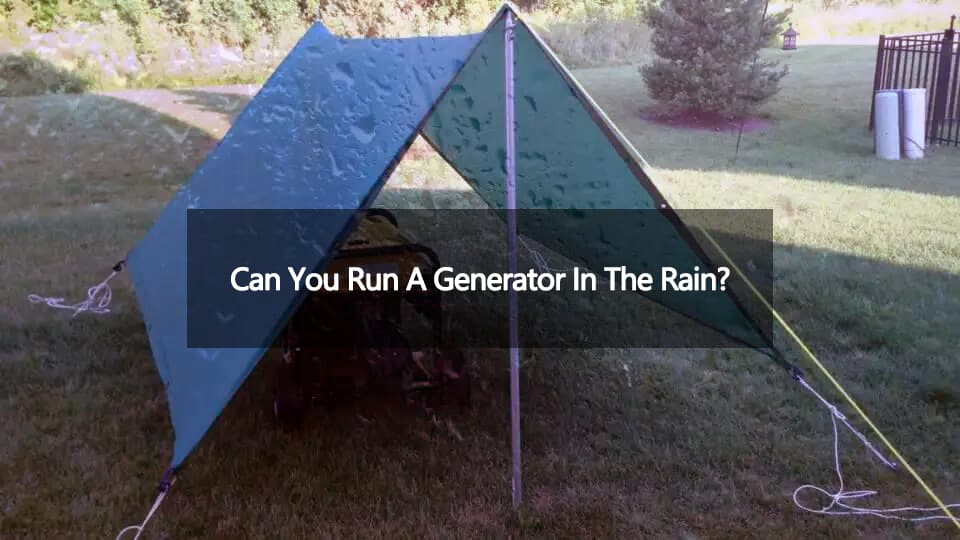
A generator tent is an effective solution to keep your equipment dry. These tents are specially designed to fit over generators, providing a waterproof barrier against the elements. You can find tents in various sizes, making it easy to find one that fits your generator perfectly. When setting up the tent, ensure it has proper ventilation. This prevents the buildup of harmful fumes and keeps your generator running smoothly.Building A Diy Shelter
If you’re handy, consider building a DIY shelter for your generator. It doesn’t have to be elaborate; a simple wooden frame with a roof can provide excellent protection. Use materials that can withstand moisture, like treated wood or metal. Position the shelter to allow for good airflow while keeping the generator safe from rain. This not only protects your generator but can also enhance its performance.Opting For Waterproof Covers
Using a waterproof cover is another simple yet effective way to protect your generator. These covers are designed to fit snugly over your generator and prevent moisture from seeping in. Ensure the cover is breathable to avoid trapping heat and moisture inside. When the rain starts, a quick cover can save you from potential damage. It’s a small investment that can save you big in repairs down the line. Are you ready to take proactive steps to keep your generator safe from moisture? Making these adjustments can enhance your generator’s reliability and efficiency. Don’t wait for the storm to hit; act now to protect your investment.
Credit: www.gentent.com
Essential Safety Precautions
Running a generator in the rain can be dangerous. Water can cause electrical shock or damage the equipment. Always take safety precautions, like using a weatherproof cover, to protect yourself and the generator. Stay safe and dry while using your generator.
When using a generator, especially in the rain, safety should be your top priority. The potential for accidents increases significantly in wet conditions. By taking essential safety precautions, you can protect yourself and others while ensuring your generator operates effectively.Positioning The Generator Correctly
Always place your generator in a dry, sheltered location. If you must use it outdoors, position it under a canopy or an awning to shield it from direct rain. Ensure it is at least 20 feet away from your home. This distance helps prevent carbon monoxide buildup in your living space. Avoid placing the generator on wet ground. Elevate it on a platform or use a rubber mat to keep it dry. This simple step can minimize electrical hazards.Avoiding Electrical Hazards
Using a generator in the rain increases the risk of electrical shock. Make sure your generator is properly grounded. Invest in weatherproof covers for outlets and connections. These can protect your generator from moisture and prevent short circuits. If you notice any signs of wear, such as frayed cords or exposed wires, stop using the generator immediately. Regular inspections can save you from dangerous situations.Keeping Children And Pets Away
Generators can be fascinating to children and pets, but they pose serious risks. Establish a safety zone around the generator, keeping it off-limits to curious hands and paws. Explain to your children why they should stay away. Understanding the dangers can empower them to make safe choices. Consider using barriers or signage to reinforce this message. Your vigilance can keep everyone safe while you focus on getting the job done. Have you ever thought about the risks of using a generator in adverse weather? Prioritizing safety not only protects you but also ensures that your generator continues to function efficiently.Proper Maintenance During Rainy Weather
Running a generator in the rain can be risky. Water can damage the machine and create safety hazards. Always use a protective cover or keep it in a dry area to ensure proper maintenance during rainy weather. Safety should come first to prevent accidents and equipment failure.
Proper maintenance during rainy weather is crucial to ensure the longevity and efficiency of your generator. Rain can pose various risks, from rust to electrical issues, but with the right care, you can keep your generator running smoothly. Here’s how to maintain your generator effectively after it has been exposed to wet conditions.Inspecting For Damage After Use
After using your generator in the rain, it’s essential to inspect it thoroughly. Start by checking for any visible damage on the exterior. Look for rust spots or cracks that may have developed. A thorough inspection of the air filter and exhaust system is also necessary. Moisture can accumulate, leading to potential blockages. Addressing these issues early can prevent more significant problems down the line. Don’t forget to inspect the fuel tank. Water can mix with fuel, causing engine problems. If you suspect contamination, drain and refill the tank with fresh fuel to keep your generator operating optimally.Drying Out The Generator
Once you’ve completed your inspection, it’s time to dry out the generator. Use a soft cloth to wipe down all surfaces, including the control panel and electrical components. If possible, move the generator to a dry, sheltered area. Allow it to air dry completely. This step is vital to prevent moisture from causing corrosion or short circuits. Consider using a fan to speed up the drying process. A well-dried generator is less likely to encounter issues caused by lingering moisture, ensuring it’s ready for your next use.Checking Cables And Connections
Next, focus on the cables and connections. Rain can cause water to seep into electrical connections, leading to shorts or malfunctions. Inspect each cable for signs of wear or fraying. Ensure that all connections are tight and free from corrosion. Loose or corroded connections can affect performance, making regular checks essential. You might want to apply a protective sealant to connections for added safety against moisture. This simple step can make a significant difference in your generator’s reliability during rainy weather. How prepared are you to maintain your generator during the rainy season? Taking these proactive steps can save you from unexpected breakdowns and keep your power supply running smoothly.Alternatives To Using A Generator In Rain
Using a generator in the rain can be dangerous. Consider alternatives like battery-powered tools or solar-powered devices. These options keep you safe and provide power without the risks of wet conditions. Stay dry and find reliable ways to meet your energy needs.
Finding alternatives to using a generator in the rain can save you from potential hazards and ensure that your home remains powered during stormy weather. While generators are a popular choice for backup power, they come with certain risks when used in wet conditions. Here are some practical options you can consider to maintain power without the worry of rain.Battery Backup Solutions
Battery backup systems provide a reliable alternative to traditional generators. These systems store energy and can automatically kick in during a power outage. – Uninterruptible Power Supply (UPS): A UPS is perfect for keeping your essential devices running. It’s ideal for computers, modems, and routers. – Portable Power Stations: These compact units are versatile and easy to use. They can power small appliances, charge devices, and even run lights. Just remember to check the wattage to avoid overload. Investing in a battery backup system can give you peace of mind. You won’t have to worry about the dangers of using a generator in the rain.Indoor Power Options
If you find yourself in need of power during a storm, there are plenty of indoor alternatives to consider. These options can help you stay comfortable and connected. – Solar Chargers: If you have a solar charger, it can be a lifesaver. These devices can charge phones and small electronics using sunlight, even on cloudy days. – LED Lanterns and Battery-Powered Lights: Stock up on battery-operated lights. They are safe for indoor use and can brighten your space without relying on a generator. Think about how you can prepare for power outages in advance. What would you do if the power went out unexpectedly? Having these alternatives ready can help you stay calm and collected during a storm. By considering these alternatives, you can ensure that your home remains powered safely, even when the weather turns against you.
Credit: www.solentpower.co.uk
Frequently Asked Questions
Can You Use A Generator In The Rain?
Using a generator in the rain is not recommended. Rain can cause electrical components to malfunction or short circuit. Additionally, water exposure poses a risk of electric shock. Always protect your generator with a weatherproof cover or run it in a dry area.
What Happens If My Generator Gets Wet?
If your generator gets wet, it may stop working. Water can damage electrical components and lead to rust. In severe cases, it can create a fire hazard. Ensure the generator dries completely before attempting to use it again.
How To Protect A Generator From Rain?
To protect your generator from rain, use a waterproof cover. Position the generator under a canopy or in a sheltered area. You can also build a temporary structure for added protection. Always ensure proper ventilation to avoid carbon monoxide buildup.
Is It Safe To Run A Generator Outside?
Yes, it is safe to run a generator outside. However, ensure it is placed in a well-ventilated area. This prevents carbon monoxide buildup, which can be fatal. Keep it away from windows and doors to ensure safety.
Conclusion
Running a generator in the rain can be risky. Water and electricity do not mix well. Protect your generator with a cover or a shelter. Always check the manufacturer’s guidelines before use. Safety comes first. If conditions are too wet, consider waiting for better weather.
Keeping your generator safe ensures it works when you need it. Stay informed and make smart choices. Your safety and the longevity of your equipment depend on it.