
When it comes to renewable energy, you might find yourself torn between wind and solar power. Both options offer a greener future, but have you ever wondered why wind energy might be the better choice for you?
This article digs into the benefits of wind energy, showcasing its efficiency, cost-effectiveness, and environmental advantages. You’ll discover how harnessing the power of the wind can be more reliable than relying solely on the sun. Stay with us as we explore the key reasons why wind energy could be the smarter investment for your energy needs.
You won’t want to miss these insights!
Efficiency In Diverse Weather
Wind energy stands out for its efficiency in different weather conditions. Unlike solar energy, wind power can generate electricity even on cloudy or rainy days. This feature makes wind energy a reliable source of power.
Solar panels depend on sunlight. They struggle to produce energy during storms or overcast skies. In contrast, wind turbines harness the energy from moving air. They work well regardless of the sun’s presence.
Performance During Storms
Wind turbines can operate during storms. Strong winds can increase their energy output. This is a clear advantage over solar panels, which may shut down for safety. Wind energy continues to flow, ensuring a steady power supply.
Efficiency At Night
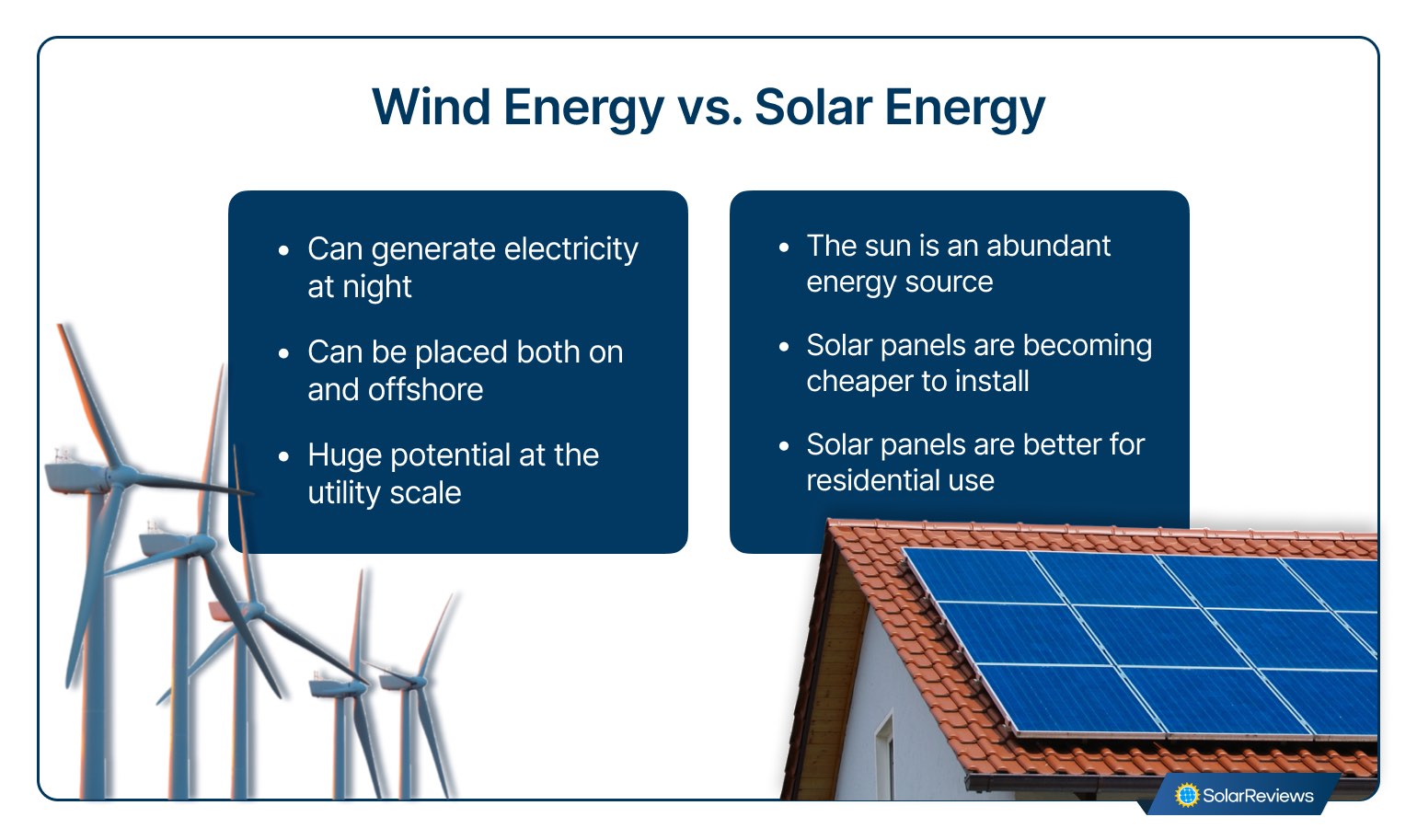
Wind energy is not limited by the time of day. Wind can blow at night, allowing turbines to generate power after sunset. Solar panels, however, produce no energy without sunlight. Wind energy offers a continuous energy solution.
Impact Of Seasonal Changes
Wind patterns change with the seasons. Many regions experience stronger winds in winter. This seasonal variation can lead to higher energy production. Solar energy, while useful, is more affected by seasonal sunlight changes.
Adaptability To Different Locations
Wind turbines can be placed in various locations. They thrive in open fields, mountains, and coastal areas. Solar panels require sunny locations to function well. Wind energy can tap into diverse geographical spots, maximizing its efficiency.
Credit: ceresgs.com
Smaller Land Requirements
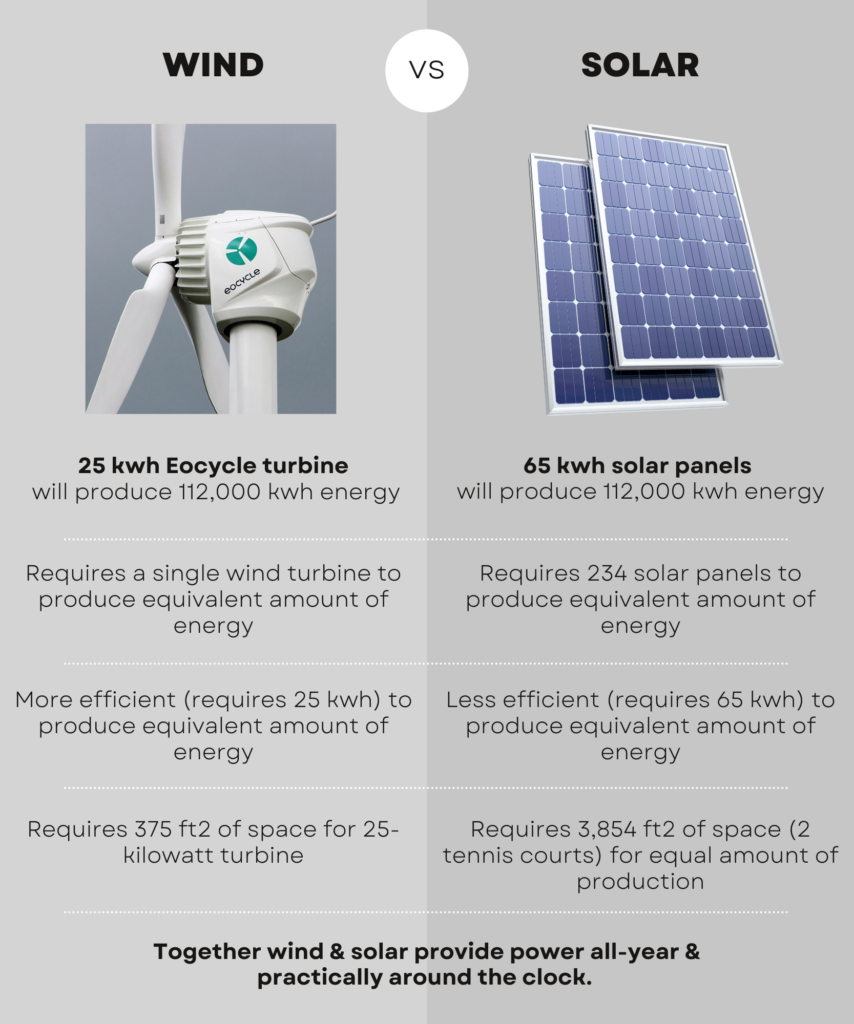
Wind energy needs less land than solar energy. This makes it a more efficient choice for many areas. Wind farms can be built on land that is already used for farming. This dual-use land helps preserve open spaces.
Wind turbines stand tall and take up small footprints. The land around them can still be used for crops or grazing. This allows farmers to maintain their livelihoods while generating power.
Wind Farms Vs. Solar Farms
Solar farms require large areas of land. They need open spaces without shade. This can lead to habitat loss. Wind farms, on the other hand, can coexist with nature.
Wind energy can be harnessed in urban areas too. Turbines can be placed on rooftops or in parks. This flexibility helps minimize land use.
Rural Areas Benefit
In rural areas, wind energy can thrive. Open fields are perfect for wind turbines. This setup allows for energy generation without displacing communities.
Solar panels can take up valuable farmland. Wind turbines do not have this issue. They offer a sustainable way to produce energy.
Less Environmental Impact
Using less land means less impact on the environment. Wind energy protects ecosystems. It allows wildlife to thrive without disruption.
Solar installations can lead to soil erosion. Wind farms preserve the natural landscape. This is crucial for maintaining biodiversity.
Higher Energy Output
When comparing wind energy to solar energy, one crucial factor stands out: higher energy output. Wind energy consistently generates more electricity than solar panels, especially in areas with favorable wind conditions. This increased efficiency can play a significant role in your energy choices.
Consistent Energy Production
Wind energy production is often more reliable than solar energy. Wind turbines can generate electricity day and night, as long as there are sufficient wind speeds. This reliability means you won’t have to worry about energy shortages during cloudy days or nighttime.
Consider a windy coastal region. Wind turbines there can provide a steady energy supply, unlike solar panels that are inactive after sunset. This consistent production can make a big difference in your energy bills.
Higher Capacity Factor
The capacity factor measures how much energy a system produces compared to its maximum potential. Wind farms often have a higher capacity factor than solar farms. In many locations, wind energy can achieve a capacity factor of over 40%, while solar typically hovers around 20%.
This means that if you install wind turbines, you’re likely to get more energy for your investment. Think about it: more energy means lower costs and a quicker return on your investment.
Efficiency In Energy Storage
Storing energy can be a challenge for both wind and solar. However, wind energy systems can be easier to pair with energy storage solutions. When the wind blows, you generate power that can be stored for later use.
In contrast, solar energy often requires significant investments in battery technology to store excess energy generated during the day. If you’re looking for efficiency in your energy use, wind energy may be the better choice.
Reduced Land Use For Energy Production
Wind farms can produce more energy per acre than solar farms. This higher output means that less land is required to generate the same amount of electricity. If land use is a concern for you, wind energy offers a more compact solution.
Imagine a vast area of land filled with solar panels. Now picture wind turbines spaced out over the same area. The wind turbines can generate more energy, allowing for other land uses, like agriculture, to coexist.
Conclusion: Making The Right Choice
Higher energy output from wind energy can lead to significant savings and sustainability. Whether you’re a homeowner or a business owner, considering wind energy can be a smart move for your energy needs. Ask yourself: Are you ready to harness the power of wind for a more efficient energy future?
Cost-effective Installation
Cost-effective installation plays a crucial role in determining the viability of renewable energy sources. Wind energy often outshines solar energy in this regard, making it an attractive option for many homeowners and businesses. Let’s dive into why wind energy installations can be more budget-friendly.
Lower Initial Capital Costs
Wind turbine installations typically have lower upfront costs compared to solar panels. The price of wind turbines has decreased significantly over the years, making them more accessible. You can find quality turbines that suit your needs without breaking the bank.
Fewer Installation Components
Wind energy systems require fewer components than solar energy systems. A wind turbine mainly consists of the tower, rotor, and a few electrical parts. In contrast, solar energy installations often involve panels, inverters, and mounting systems, which can add to the overall installation cost.
Government Incentives And Rebates
Many regions offer incentives for wind energy installations that can further reduce costs. These can include tax credits, grants, or rebates that make the initial investment more manageable. Be sure to check local regulations, as these incentives can significantly impact your overall expenses.
Longer Lifespan And Durability
Wind turbines generally have a longer lifespan than solar panels, resulting in lower long-term costs. Most wind turbines can operate efficiently for 20-25 years, while solar panels typically last around 25 years. This durability means that your investment in wind energy can pay off over time, saving you money on replacements and repairs.
Potential For Higher Energy Output
Wind energy systems can generate more electricity per unit than solar systems, especially in windy areas. This higher output translates into better cost efficiency over time. Are you considering where to install your energy system? Evaluating wind patterns in your area could lead you to a more cost-effective choice.
Choosing wind energy can be a savvy financial decision. With lower initial costs, fewer components, and potential incentives, it often proves more budget-friendly than solar energy. If you’re looking to harness renewable energy, why not consider wind as your first option?
Long-term Reliability
Wind energy offers strong long-term reliability. It provides a steady energy source. Wind turbines can work for decades with proper care. This makes them a solid choice for energy production.
Durability Of Wind Turbines
Wind turbines are built to last. They can handle harsh weather. Many turbines function well for over 25 years. Regular maintenance keeps them in good shape. This durability ensures a reliable energy supply.
Consistent Energy Generation
Wind energy can generate power consistently. Wind is often available at night. This means it can complement solar energy. When the sun sets, wind can still produce electricity. This balance helps maintain a steady energy flow.
Less Land Use Over Time
Wind farms use less land compared to solar farms. Turbines can be placed in open areas. This leaves space for farming or other activities. Long-term land use is efficient with wind energy.
Low Maintenance Costs
Wind turbines have lower maintenance costs. Once installed, they need less care than solar panels. This reduces long-term expenses. Lower costs mean more reliable energy for many years.
Proven Technology
Wind energy technology is well-tested. Many countries have used it for decades. This track record shows its effectiveness. Trust in wind energy grows as technology improves. It remains a reliable choice for future energy needs.
Credit: solarnrg.ph
Minimal Environmental Impact
Wind energy stands out as a clean energy source, particularly when considering its minimal environmental impact. Unlike solar energy, which requires extensive land use and resource extraction for panels, wind energy harnesses the natural flow of air with far less intrusion on the environment. This quality makes wind energy an attractive option for those concerned about sustainability.
Lower Land Use
Wind farms occupy less land compared to solar farms. A single wind turbine can generate significant energy without the need for large expanses of ground. In fact, wind turbines can be placed in agricultural areas, allowing farmers to continue their work while generating renewable energy.
Reduced Resource Extraction
Solar panels require various materials, including metals and plastics, which need to be mined and processed. This extraction process can harm ecosystems and contribute to pollution. Wind energy, on the other hand, primarily relies on wind, a naturally occurring resource that doesn’t deplete the earth’s materials.
Minimal Water Usage
Water scarcity is a growing global concern. Wind energy systems use minimal water for operation compared to solar thermal plants, which require significant amounts for cooling. By choosing wind energy, you help conserve this precious resource.
Wildlife Impact
Both wind and solar energy can affect local wildlife, but wind energy’s impact is often more manageable. While wind turbines can pose risks to birds and bats, advancements in turbine design and placement can mitigate these effects. Additionally, solar farms can disrupt habitats and require vegetation removal, leading to more significant ecological concerns.
Have you ever considered how your energy choices influence the environment? By opting for wind energy, you can contribute to a cleaner planet with less environmental disruption. Your decision matters, and wind energy provides a path towards a more sustainable future.
Better Scalability Options
Wind energy offers better scalability than solar energy. This means it can grow and adapt more easily. Wind farms can be expanded without major changes. They can also be built in various sizes. This flexibility makes wind energy attractive for many places.
Easy To Expand
Wind farms can be easily expanded. Adding more turbines is straightforward. This means energy production can increase without starting from scratch. More turbines lead to more energy. It’s a simple way to meet growing demand.
Different Sizes For Different Needs
Wind energy systems come in various sizes. Small turbines work well for homes or farms. Larger turbines suit industrial needs. This variety allows users to choose what fits best. It’s not a one-size-fits-all approach.
Less Space Required
Wind farms require less land than solar farms. Turbines can be placed far apart. This spacing allows for other land uses, like farming. Solar panels often need more continuous space. This can limit where they are built.
Adaptable To Different Locations
Wind energy can be used in many locations. It works well in rural areas and offshore. Solar energy depends on sunlight. Wind can be harnessed even in cloudy regions. This adaptability makes wind energy a strong choice.
Lower Initial Costs For Expansion
The initial costs for expanding wind farms are lower. Once a site is established, adding turbines is cheaper. Solar systems often require full setups for new areas. Wind energy helps keep costs down while increasing power.
Credit: www.solarreviews.com
Consistent Power Generation
When it comes to energy generation, consistency is key. Wind energy often shines brighter than solar energy in this area. Let’s dive into why wind power can provide a more reliable source of energy.
Reliable Energy Supply
Wind turbines can generate power around the clock, unlike solar panels that depend on sunlight. This means that even on cloudy days or during the night, wind energy can still flow into the grid.
During my recent visit to a wind farm, I was amazed at how the turbines were spinning steadily, even on a dreary day. It was a reminder that energy generation doesn’t have to stop when the sun goes down.
Less Seasonal Variation
Wind patterns tend to be more stable across seasons compared to sunlight availability. While solar panels might struggle in winter months, wind energy can often maintain a steady output.
In areas with strong and consistent winds, energy production can remain high regardless of the time of year. This is crucial for ensuring that your home or business has a reliable energy source.
Scalability And Integration
Wind farms can be expanded easily. As energy needs grow, adding more turbines is often more straightforward than installing additional solar panels.
This scalability allows communities to adapt to changing energy demands without significant disruptions. Have you ever thought about how much easier it would be to increase power supply with wind energy?
Choosing wind energy not only offers consistent power generation but also promotes a more stable and scalable energy future. You can enjoy peace of mind knowing that your energy source remains reliable, no matter the circumstances.
Reduced Resource Dependency
Reduced resource dependency is a significant advantage of wind energy over solar energy. Wind energy relies on a natural and abundant resource: the wind. Unlike solar panels, which require extensive materials for manufacturing and maintenance, wind turbines primarily depend on wind currents, making them less resource-intensive.
Lower Material Requirements
Wind turbines need fewer raw materials compared to solar panels. The production of solar panels involves rare materials like silicon and silver, which are not only costly but also limited in supply.
- Wind turbines mainly use steel and concrete.
- These materials are more readily available and easier to source.
This means that investing in wind energy results in a lower ecological footprint. You contribute to a more sustainable energy future by choosing wind over solar.
Less Land And Water Usage
Wind farms require less land compared to large solar arrays. You can place wind turbines on agricultural land or offshore without disrupting the ecosystem significantly.
Additionally, wind energy uses minimal water during its operation. In contrast, solar energy systems may need water for cleaning panels, especially in arid regions. This water usage can stress local resources.
Resilience To Supply Chain Disruptions
Wind energy is less susceptible to supply chain issues. The materials needed for wind turbines are often more abundant and locally sourced.
Imagine a scenario where solar panel production halts due to a shortage of silicon. Your energy supply could be jeopardized. With wind energy, this risk is significantly reduced.
Conclusion: A Sustainable Choice
Choosing wind energy means embracing a more sustainable and less resource-dependent energy solution. You not only support cleaner energy but also contribute to a more stable and secure energy future.
Are you ready to consider wind energy as your primary source of power? The benefits are clear and impactful.
Lower Operational Costs
Wind energy often has lower operational costs compared to solar energy. Wind farms require less maintenance and have fewer ongoing expenses. This makes them a more cost-effective choice over time.
Once a wind turbine is installed, it generates energy at a lower cost. The wind is free. It does not require fuel or extensive resources. This leads to significant savings for energy providers.
Maintenance Expenses
Wind turbines typically need less maintenance than solar panels. While both require regular checks, wind turbines are built for durability. They can withstand harsh weather conditions and last for many years.
Solar panels can suffer from dirt, dust, and debris. They need regular cleaning and sometimes replacement. This increases costs over time.
Energy Production Efficiency
Wind turbines can produce energy consistently. They generate power day and night, as long as there is wind. Solar panels only work during sunny hours. This limits their energy production.
More energy production means lower costs for wind energy. It allows for better returns on investment. Higher efficiency leads to more savings.
Land Use And Installation Costs
Wind farms can be built on less valuable land. This keeps land costs low. Solar farms often require larger plots of prime land. This can increase overall expenses.
The installation of wind turbines is often simpler. They do not need extensive groundwork compared to solar arrays. This reduces upfront costs significantly.
Frequently Asked Questions
Why Is Wind Energy Better Than Solar Energy?
Wind energy is often more efficient in generating electricity. Wind is available at different times and locations, making it a reliable source.
What Are The Main Benefits Of Wind Energy?
Wind energy produces no air pollution. It reduces greenhouse gases and helps fight climate change.
Is Wind Energy More Cost-effective Than Solar?
Yes, wind energy can be cheaper in many locations. Wind farms often have lower operational costs than solar panels.
How Does Wind Energy Impact The Environment?
Wind energy has a low environmental impact. It conserves water and uses less land than fossil fuels.
Can Wind Energy Generate Power At Night?
Yes, wind energy can generate power at night. Wind often blows at night when solar is unavailable.
What Is The Lifespan Of Wind Turbines?
Wind turbines typically last about 20 to 25 years. Proper maintenance can extend their lifespan.
Are Wind Farms Noisy?
Wind farms can produce some noise, but it is often minimal. Many people find it acceptable compared to other noises.
Do Wind Turbines Harm Wildlife?
Wind turbines can affect birds and bats. However, careful planning can reduce these impacts.
How Much Land Do Wind Farms Require?
Wind farms need less land than solar farms. They can coexist with farming and grazing activities.
Is Wind Energy Available Everywhere?
Wind energy is available in many places, but not all. Areas with consistent winds are ideal for wind farms.
Conclusion
Wind energy offers clear advantages over solar energy. It generates power even at night. Wind turbines require less space than solar panels. Maintenance costs tend to be lower for wind farms. Wind energy can produce more electricity in certain locations.
This makes it a strong choice for many regions. As we seek cleaner energy, wind stands out. Embracing wind energy can lead to a more sustainable future. Choosing wind over solar is a smart decision for many communities.