
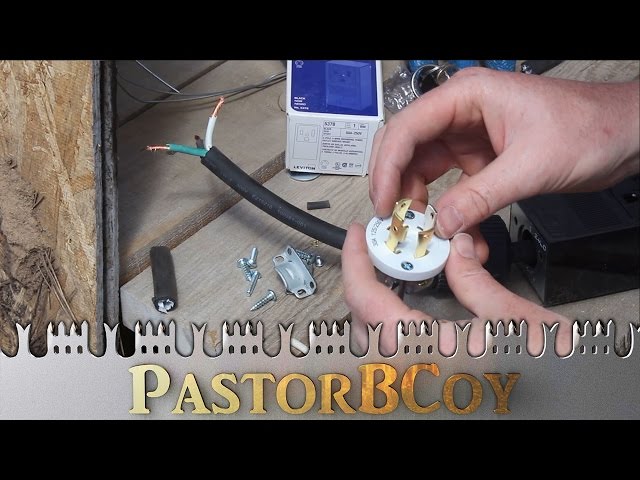
A 4 wire generator cannot be directly used with a 3 wire outlet without correct neutral and ground handling.
I have wired dozens of generators and evaluated why a 4 Wire Generator To 3 Wire Outlet conversion matters. This guide explains the electrical differences, safety rules, and practical steps to handle a 4 Wire Generator To 3 Wire Outlet situation. Read on to learn safe options, code-aware practices, and real-world tips so you can make an informed, safe decision.

Understanding the basics of 4 Wire Generator To 3 Wire Outlet
A 4 Wire Generator To 3 Wire Outlet topic is about matching a generator that provides separate neutral and ground to an older outlet or device that expects a combined neutral/ground. A 4-wire generator offers two hot legs, one neutral, and one equipment ground. A 3-wire outlet typically has two hots and a combined neutral/ground or a single hot, neutral, and ground depending on the style.
Key points:
- A 4 wire generator separates neutral and ground for safety.
- A 3 wire outlet may expect a bonded neutral and ground or lack a dedicated ground.
- Converting a 4 Wire Generator To 3 Wire Outlet without proper measures can create shock and fire hazards.
Why this matters:
- Modern codes require separation of neutral and equipment ground on generators when used as a generator source.
- Older appliances and cords may rely on 3-wire connections, creating a mismatch you must resolve safely.

Why people convert a 4 Wire Generator To 3 Wire Outlet
People often face a 4 Wire Generator To 3 Wire Outlet issue when camping, using an older transfer switch, or plugging into legacy equipment. The reasons include compatibility, convenience, and lack of available adapters.
Common scenarios:
- An RV or older home inlet uses a 3-wire plug while the new generator has a 4-wire receptacle.
- Temporary power needs during outages require quick adapters.
- People want to use existing cords rather than replace whole wiring runs.
Risks and realities:
- Converting without understanding neutral bonding can energize chassis parts.
- Many DIY adapters ignore proper isolation, which can lead to dangerous current paths.

Safety, code, and grounding considerations
Safety is the top priority when dealing with any 4 Wire Generator To 3 Wire Outlet change. Electrical codes require clear separation of neutral and ground at the generator or transfer switch, except at the main service disconnect. A 4 Wire Generator To 3 Wire Outlet conversion that bonds neutral to ground at the generator may only be allowed in specific, temporary setups and often requires a transfer switch.
Important rules:
- Keep neutral and ground separate on a generator used in parallel with a utility source.
- Use a transfer switch when connecting a generator to home wiring to prevent backfeed.
- Never defeat grounding by removing wires or relying on makeshift adapters.
Practical safety tips:
- Always shut off the generator and load before reconfiguring connections.
- Use lock-out/tag-out when working on service panels.
- If unsure, consult a licensed electrician.
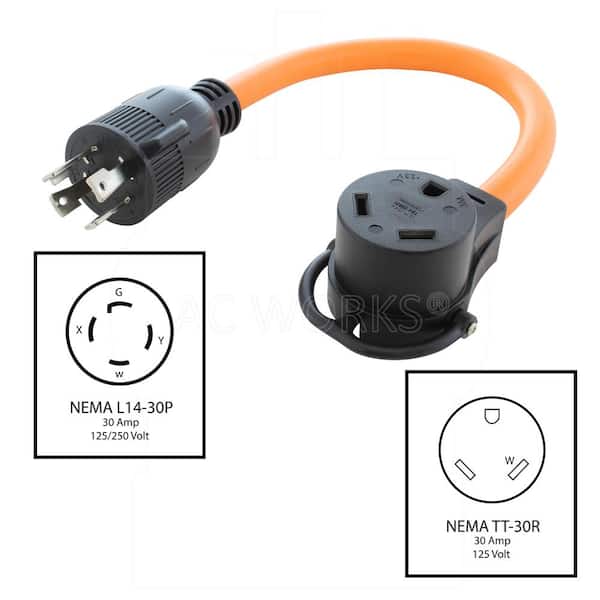
Methods to connect a 4 Wire Generator To 3 Wire Outlet
There are several methods to handle a 4 Wire Generator To 3 Wire Outlet situation. Choose the one that meets code and safety needs for your situation.
Options:
- Use a properly wired 4-prong to 3-prong adapter that isolates or bonds correctly per code for temporary, manufacturer-approved use.
- Install a proper inlet or transfer switch that matches the generator output type, avoiding ad hoc adapters.
- Replace the 3-wire outlet or cord with a 4-wire system whenever possible.
Adapter rules:
- Only use adapters that maintain correct neutral and ground relationships.
- Avoid adapters that tie the neutral and ground incorrectly when the generator is connected to a building panel.

Step-by-step: Wiring a 4 Wire Generator To 3 Wire Outlet safely
Below is a safe, practical approach when you must adapt a 4 Wire Generator To 3 Wire Outlet temporarily. If you are not comfortable, hire a pro.
Steps:
- Assess the system
- Identify generator terminals: hot A, hot B, neutral, ground.
- Identify the 3-wire outlet wiring and appliance type.
- Choose the right device
- Use a listed adapter that matches generator rating and wiring scheme.
- Or use a transfer switch or inlet that accepts 4-wire input and provides safe 3-wire output if required.
- Implement neutral handling
- If the appliance requires a bonded neutral, only bond neutral to ground where code allows and per manufacturer instructions.
- Prefer bonding at the main service disconnect, not at the generator, when paralleling with utility.
- Test before use
- Use a multimeter to confirm voltages between hots, hot to neutral, and hot to ground.
- Verify the ground is continuous and low resistance.
- Monitor while in use
- Check for hot equipment or tripping breakers.
- Re-check connections after the first hours of use.
Safety checklist:
- Confirm generator rating matches load and cord capacity.
- Ensure all connections are snug, secure, and in weatherproof housings if outdoors.

Alternatives: Transfer switch and proper long-term solutions
A permanent, code-compliant solution avoids the need for a 4 Wire Generator To 3 Wire Outlet conversion. A transfer switch, inlet box, or panel upgrade is safer and often required.
Good long-term options:
- Install a 3- or 4-pole transfer switch sized for your generator. This keeps neutral and ground correct.
- Replace the old 3-wire inlet with a modern 4-wire inlet and corresponding cords.
- Use a generator with manufacturer-approved bonding configuration for your use case.
Benefits of proper solutions:
- Eliminates ad hoc bonding and makes the system safer.
- Avoids code violations and reduces liability.
- Provides reliable, tested switching and often built-in protections.

Troubleshooting and common mistakes when handling 4 Wire Generator To 3 Wire Outlet
Many problems arise when people attempt a 4 Wire Generator To 3 Wire Outlet change without testing or knowledge.
Common mistakes:
- Tying neutral and ground at the wrong point, which can put return current on grounding paths.
- Using undersized cords or adapters that overheat.
- Forgetting to isolate generator from utility power, causing backfeed.
How to troubleshoot:
- If appliances trip or shock is suspected, stop and measure continuity and voltage.
- Check for neutral-to-ground voltage; it should be near zero when properly separated.
- Inspect plugs and cords for damage and rating mismatches.

My experience: lessons learned working with 4 Wire Generator To 3 Wire Outlet setups
I have adapted generators for homes and sites many times. Early on, I used quick adapters and learned the hard way why code matters. I once tied neutral to ground at the generator for a temporary setup and found stray current on cases. After that, I always use a transfer switch or a properly rated adapter and I double-check with a meter.
Practical tips I follow:
- Always label cables and inlets to avoid confusion.
- Keep a checklist for grounding, neutral, and isolation.
- Train everyone who will operate the generator on safe hookup procedures.

Frequently Asked Questions of 4 Wire Generator To 3 Wire Outlet
What is the main difference between a 4 wire generator and a 3 wire outlet?
A 4 wire generator has two hot legs, a neutral, and a separate ground. A 3 wire outlet often combines neutral and ground or lacks a dedicated conductor, creating a mismatch.
Can I use a simple adapter to go from a 4 Wire Generator To 3 Wire Outlet?
You can use an adapter only if it is listed, matched to the generator's rating, and wired to maintain safe neutral and ground relationships. Many simple adapters are unsafe or code-violating.
Is bonding neutral and ground at the generator safe?
Bonding neutral and ground at the generator can be safe only in specific, temporary setups and per manufacturer guidance. For permanent or paralleled use with utility, bond only at the main service disconnect as required by code.
Do I need a transfer switch for a 4 Wire Generator To 3 Wire Outlet conversion?
A transfer switch is strongly recommended for any connection to a building wiring system. It prevents backfeed and keeps neutral/ground handling correct.
How can I test my connection for safety?
Use a multimeter to check voltages between hot-to-hot and hot-to-neutral and measure neutral-to-ground continuity. Also use a receptacle tester rated for the circuit to confirm wiring and grounding.
Conclusion
Handling a 4 Wire Generator To 3 Wire Outlet situation requires care, clear knowledge, and respect for safety rules. Use proper adapters, transfer switches, or rewire to 4-wire systems when possible. Take time to measure, label, and test every connection before use. If any step feels unsafe, call a licensed electrician and avoid shortcuts. Explore upgrades and professional installation to protect people and property; leave a comment, subscribe for updates, or ask for help if you want a walkthrough for your exact setup.