
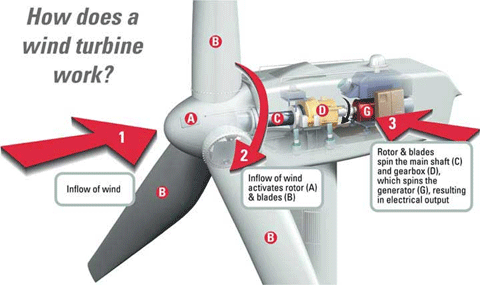
Wind energy is produced when sunlight heats the Earth, creating pressure differences that move air.
I have studied and worked with wind power systems for years, and I will walk you through how is wind energy generated in the atmosphere with clear science, practical examples, and hands-on tips. This guide breaks the process into simple steps, explains the forces involved, and shows how wind becomes usable electricity for homes and grids.
How wind energy is generated: the science
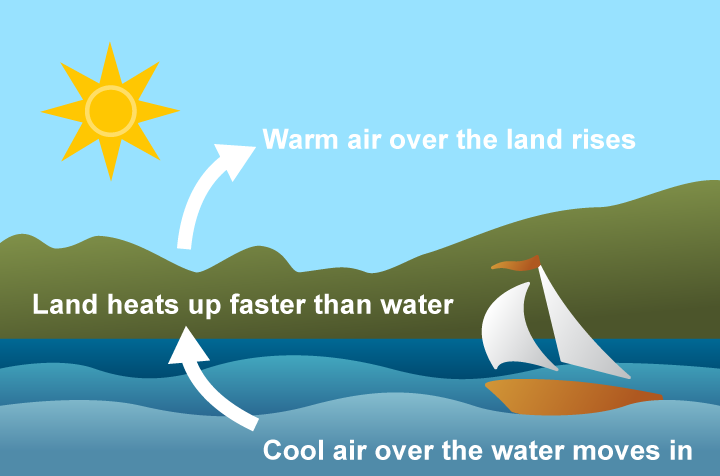
To answer how is wind energy generated in the atmosphere, start with the sun. Sunlight heats the Earth unevenly. Warm air rises where the surface heats fastest. Cooler air moves in to replace it. That motion creates wind.
Air moves because of pressure differences. High pressure pushes toward low pressure. The greater the difference, the stronger the wind. The Coriolis effect from Earth’s rotation steers the flow. Local features like mountains and coasts shape the wind further. Putting those pieces together explains how is wind energy generated in the atmosphere at global and local scales.
Key factors that drive wind
Understanding how is wind energy generated in the atmosphere means knowing the main drivers. These factors determine wind speed, direction, and consistency.
- Solar heating
- Drives convection and large-scale circulation.
- Pressure gradients
- Steer air from high to low pressure.
- Earth's rotation
- Causes the Coriolis effect and creates prevailing wind belts.
- Topography
- Funnels or blocks flow, creating gusts or steady channels.
- Atmospheric stability
- Determines turbulence and vertical mixing.
Each factor matters for wind energy potential. Sites with steady, strong winds are best for turbines. Seasonal shifts and diurnal heating affect output too.
From air flow to electricity: how turbines convert wind
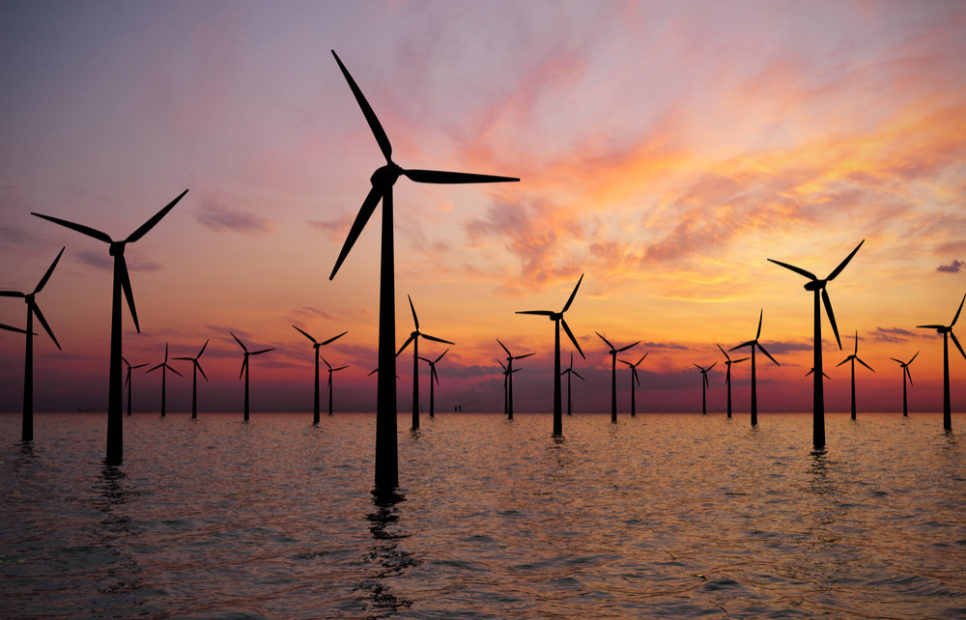
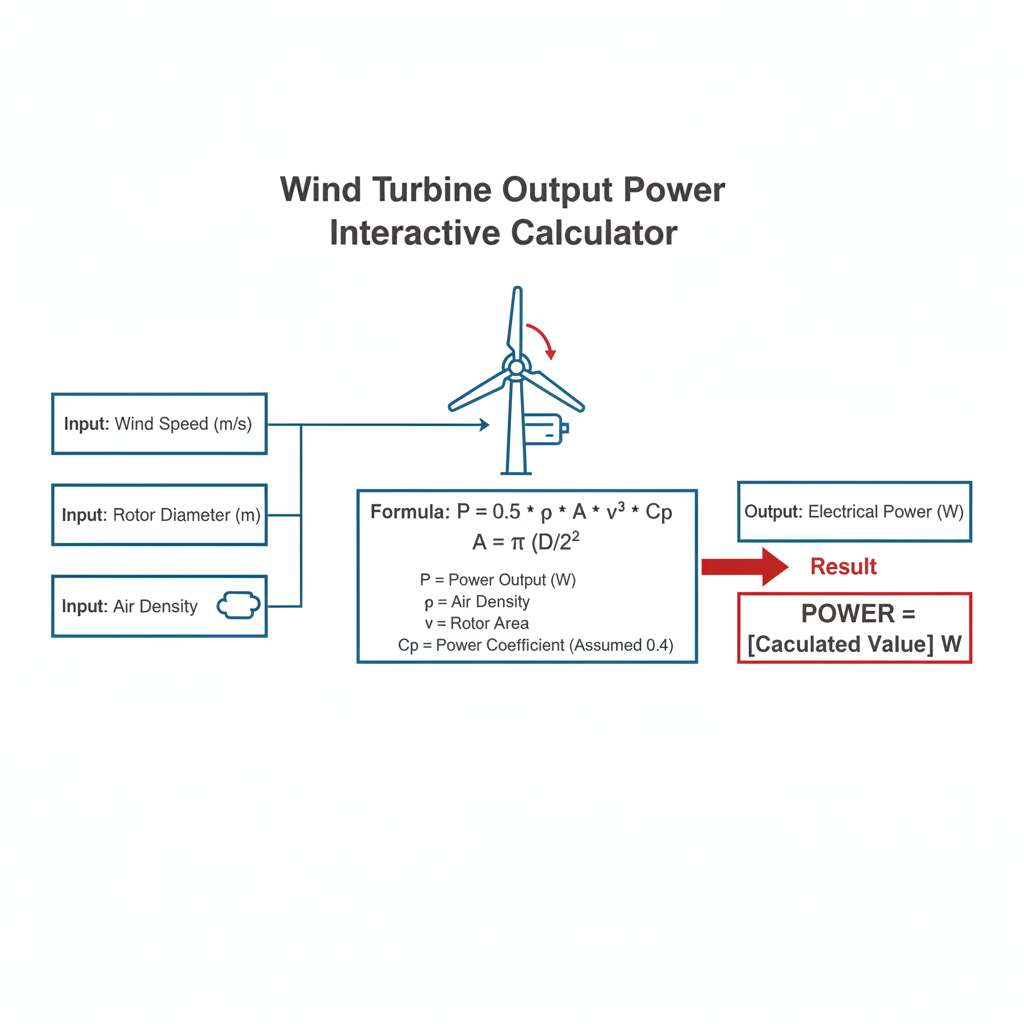
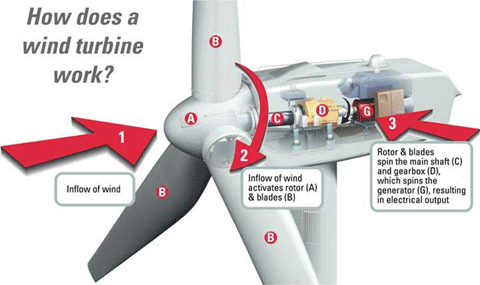
Knowing how is wind energy generated in the atmosphere sets the stage for conversion. Turbines turn moving air into shaft rotation. That rotation drives a generator to make electricity.
Key components and steps:
- Rotor blades
- Capture kinetic energy from wind using lift and drag.
- Gearbox or direct drive
- Match rotor speed to generator requirements.
- Generator
- Converts mechanical rotation into electrical current.
- Power electronics
- Condition voltage and frequency for the grid.
- Control system
- Yaws the turbine into the wind and adjusts blade angle.
Turbines are sized for specific wind speeds. Cut-in speeds mean the turbine starts producing. Rated speeds give peak output, and cut-out speeds protect the system in high winds.

Benefits and limitations of wind energy generation
When you look at how is wind energy generated in the atmosphere, you see clear benefits and some limits. Wind power is clean and widely available. It reduces fossil fuel use and lowers greenhouse gas emissions.
Benefits:
- Renewable and emission-free during operation.
- Low operating cost after installation.
- Scalable from small turbines to large farms.
Limitations:
- Variability and intermittency of wind.
- Siting constraints like land use and wildlife impacts.
- Visual and noise concerns in some communities.
- Transmission needs for remote windy sites.
Understanding these trade-offs helps planners and homeowners make better choices.

Practical examples and case studies
Real-world examples show how is wind energy generated in the atmosphere turned into reliable power.
- Coastal wind farms
- Benefit from strong, steady sea breezes. They often achieve high capacity factors.
- Mountain passes and gap winds
- Funnel and accelerate air, giving consistent turbine output.
- Offshore installations
- Tap strong winds over deeper water for large-scale power.
- Distributed small turbines
- Provide local generation for farms and remote sites.
Each example shows how site selection and turbine design match the local atmospheric behavior to maximize energy capture.
My experience: lessons, mistakes, and tips
I have sited turbines, collected wind data, and helped optimize small projects. Here are practical lessons from that work on how is wind energy generated in the atmosphere and how to use it well.
Lessons learned:
- Measure wind on site for at least a year. Short data sets mislead.
- Watch extreme gusts and turbulence. They reduce turbine life.
- Proper siting beats bigger turbines on a poor site.
- Plan for grid connection early to avoid costly delays.
Mistakes to avoid:
- Relying on coarse maps without local validation.
- Ignoring seasonal shifts and local effects like valley breezes.
- Underestimating maintenance access needs.
Tips:
- Use cup and sonic anemometers for reliable data.
- Prefer sites with steady diurnal patterns.
- Match turbine cut-in and rated speeds to local averages.
How is wind energy generated in the atmosphere: modeling and forecasting
To plan projects, engineers model how is wind energy generated in the atmosphere using data and simulation. Models range from simple statistical tools to complex atmospheric simulations.
Common approaches:
- Wind resource maps
- Combine long-term reanalysis with local corrections.
- Computational fluid dynamics (CFD)
- Model flow over complex terrain for micro-siting.
- Short-term forecasting
- Use weather models and real-time data to predict hourly output.
Good forecasting reduces curtailment and improves market value for wind farms.
Frequently Asked Questions of how is wind energy generated in the atmosphere
What causes wind to form in the atmosphere?
Wind forms when air moves from high pressure to low pressure, driven mainly by uneven solar heating and influenced by Earth's rotation.
How does the Coriolis effect affect wind?
The Coriolis effect deflects moving air to the right in the Northern Hemisphere and left in the Southern Hemisphere, shaping large-scale wind patterns.
Can wind turbines work at night?
Yes. Wind often strengthens at night as the surface cools, making nighttime a valuable period for wind generation.
How is wind speed measured for projects?
Wind speed is measured with anemometers mounted on masts or LiDAR. Long-term data collection is key for accurate estimates.
Do mountains improve wind energy generation?
Mountains can improve wind through channeling or gap effects, but they also increase turbulence, which can stress turbines.
How reliable are wind resource maps?
Wind maps give a good starting point but must be validated with local measurements for accurate project planning.
How do weather fronts affect turbine output?
Weather fronts can cause rapid wind speed changes. Fronts often bring strong, usable winds but also increased turbulence.
What is the role of atmospheric stability?
Stability affects vertical mixing. Stable layers reduce mixing and can lead to low-level jets that benefit turbines. Unstable air increases turbulence.
How does temperature influence wind energy?
Temperature affects pressure gradients and density. Cooler air is denser and carries more energy per volume, improving turbine output slightly.
How long does it take to predict wind farm output accurately?
With proper data and models, short-term forecasts (hours to days) can be reliably made. Long-term yield estimates need at least one year of site data.
Conclusion
We have covered how is wind energy generated in the atmosphere from sunlight and pressure differences to turbines and grid integration. You should now understand the main physical drivers, how turbines convert wind to electricity, practical site considerations, and common pitfalls. Takeaway: measure well, match technology to the site, and plan for variability. If you want to learn more or discuss a specific project, leave a comment or subscribe for updates.