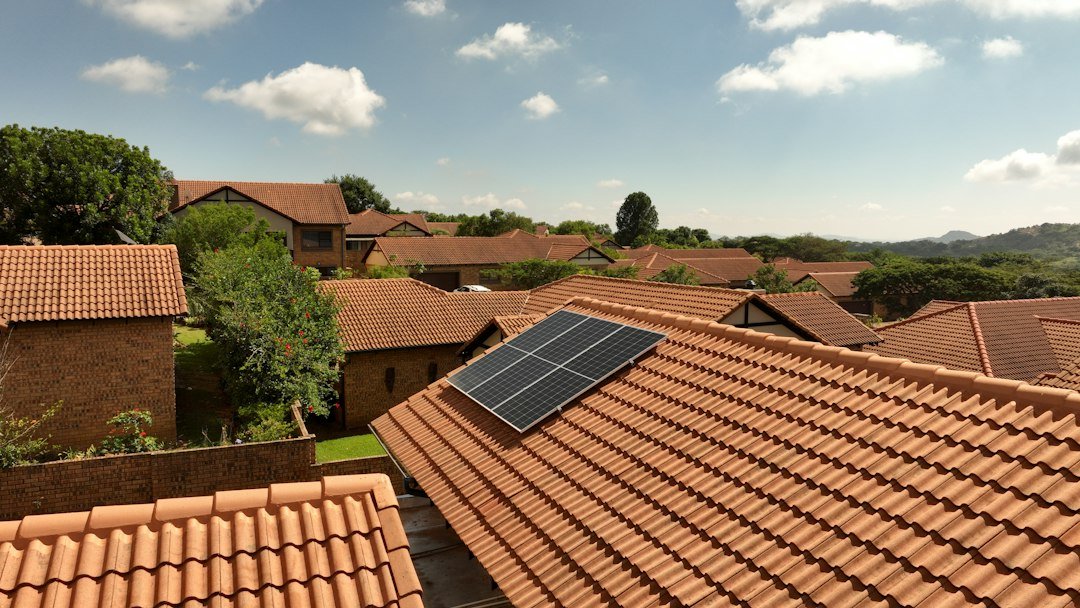
Yes. Solar panels work by converting sunlight into electricity. Most residential systems use photovoltaic (PV) panels, which produce direct-current electricity when light reaches their cells. An inverter then converts that power into alternating current for household appliances. How much electricity a system produces depends on sunlight, the array’s size, orientation, shading, and equipment.
A home solar system does not automatically supply electricity at night or during every power outage. At night, panels do not generate useful power without sunlight; a home can use stored battery energy or the grid. During an outage, backup requires equipment designed and installed for that purpose. A standard grid-connected system usually shuts down when the grid goes down.
This guide explains how the components fit together, what changes in different weather, and what to check before relying on a solar system for your home.
How do solar panels work?
A solar panel contains many photovoltaic cells, commonly made with silicon. When sunlight reaches a cell, light energy helps create moving electrical charges within the material. The cell’s electrical structure directs that movement, producing direct-current electricity. The U.S. Department of Energy describes this process as the photovoltaic effect.
One cell produces a relatively small amount of power. Manufacturers connect many cells to form a panel, also called a module. Installers connect panels into an array sized for the project. The panel is only one part of the system: mounting hardware, wiring, an inverter, protection equipment, and sometimes a battery are also needed.
The steps are straightforward: sunlight reaches the cells; the panels produce DC power; an inverter converts the appropriate output to AC; and the home uses the available electricity. Depending on the system and local rules, extra generation may charge a battery or be exported to the utility grid. A meter and monitoring equipment help record the resulting flows.
What does the inverter do?
Most household appliances use alternating-current power. The solar panels produce direct current, so an inverter performs the conversion and manages functions required for the installed system. A string inverter serves a group of panels, while microinverters operate at individual panels. Some systems also use power optimizers with an inverter.
These designs differ in monitoring, equipment placement, performance under uneven conditions, and cost. A microinverter may make panel-level monitoring possible, but no configuration is automatically best for every roof. Ask the installer to explain how shade, roof sections, equipment warranty, and the planned system size affected the recommendation.
Inverters also have operating and safety requirements. A normal grid-connected inverter generally stops supplying power when the grid is unavailable unless the system includes appropriate backup equipment. Do not assume the presence of panels or an inverter alone establishes outage capability. Ask for a written explanation of the installed system’s backup functions.
How does solar power reach your home?
In a typical grid-connected system, the solar equipment connects through an approved electrical arrangement to the home. When solar generation is available, household loads can use that electricity. The grid supplies additional power when the home’s demand exceeds available solar output. If production exceeds demand, excess energy may be exported, stored, or otherwise managed, depending on the equipment and local utility agreement.
The exact billing treatment is a separate question. Some utilities offer net metering or other export compensation, while rates and eligibility vary. Ask your utility how exports are credited, what fixed charges remain, and what tariff applies to your installation. A monthly bill is not determined simply by subtracting the system’s nameplate watts from the home’s consumption.
An appropriately qualified installer designs and connects the system and coordinates required permits and interconnection. Do not open panels, disconnect solar wiring, or attempt changes based on a general article. Equipment and local rules differ, and solar conductors can remain energized when exposed to light.
What is the difference between watts and kilowatt-hours?
Watts measure power at a point in time. Kilowatt-hours measure energy over a period. A panel labeled 400 watts has a rated power under specified test conditions; it will not produce 400 watts continuously throughout every day. Sun angle, clouds, temperature, shade, and system losses all affect actual output.
For simple arithmetic, a hypothetical load drawing 1,000 watts for one hour uses 1 kilowatt-hour. A 5-kW system delivering exactly 3 kW for two hours would produce 6 kWh during that period. These invented examples explain units; they are not predictions for a particular home or solar array.
Your electricity bill and solar monitoring system often report energy in kWh. Compare annual production estimates with your annual use and the times when you use power. Ask how the installer calculated expected output and which assumptions are included. A system’s rated capacity alone does not show the monthly bill or the amount of energy available during an outage.
Do solar panels work on cloudy days?
Yes, panels can produce electricity from diffuse daylight under clouds, but the output varies. Thick clouds, light clouds, and intermittent sunshine produce different conditions. Do not apply a single percentage reduction to every system. Weather, equipment, and shading all matter.
A cloudy day is also a poor time to compare instantaneous readings with a clear day and diagnose a fault. If production remains unexpectedly low under comparable conditions or the inverter shows an error, record the observation and contact your installer. See our guide to solar panels on cloudy days for a closer look at output and troubleshooting.
Do solar panels work at night?
Panels need light to generate electricity, so conventional rooftop PV does not produce useful solar power after dark. A grid-connected home can draw electricity from the utility at night. A home with suitable battery storage can use energy stored earlier, within the battery and system’s limits.
A battery is not included in every solar installation. If you want nighttime use or backup, ask whether the quote includes storage, how much usable energy it provides, which circuits it supports, and how recharging is managed. Stored energy and inverter output answer different questions: a battery can have adequate energy on paper but insufficient power for a particular simultaneous load.
Will solar panels work during a power outage?
A conventional grid-tied system generally shuts down when utility power fails. This protective behavior helps prevent power from being supplied into lines that are expected to be de-energized. Some systems can provide backup through a compatible battery, inverter, transfer or isolation equipment, and properly installed controls; availability depends on the specific configuration.
Ask your installer which outlets or circuits remain powered, how the system separates from the grid, and whether the battery can recharge from the panels during the outage. Also ask how much starting and continuous power the backup system can provide. A battery may support selected essentials rather than every appliance in the home.
Do not make assumptions based on a sales phrase such as “solar ready” or “battery compatible.” Request the exact equipment models and a demonstration of the installed operating plan. If the utility is down and the system does not behave as expected, follow the manufacturer’s instructions and contact the installer rather than attempting electrical repairs yourself.
What affects how well solar panels work?
Sunlight and shade: Roof direction, tilt, trees, chimneys, neighboring buildings, and seasonal sun position influence the sunlight reaching an array. A professional assessment should identify shade during relevant parts of the day and year.
Weather and temperature: Cloud cover reduces or changes the sunlight available. Panel output also depends on cell temperature; very hot panels can produce less power than their rating under standard test conditions. A sunny, cooler day and a hot, hazy day are not identical operating conditions.
System design: Panel capacity, inverter sizing, wiring, and the condition of the equipment all matter. An inverter can limit delivered AC power under some conditions, and an equipment alert can point to a service issue. Ask what the monitoring system reports and which readings are expected.
Dirt and obstructions: Dust, leaves, or bird droppings can block light. Rain may remove some loose dirt, but not all buildup. Inspect from a safe location and follow the manufacturer’s instructions. Our solar panel cleaning guide explains when to seek professional help.
How many solar panels does a home need?
The answer starts with electricity use, the usable roof or ground area, local sunlight, and the household’s objectives. Review at least a year of utility bills where available, then consider expected changes such as an electric vehicle or heat pump. An installer can model production for the actual site and propose a system size.
Panel count is not the same as system size unless the panel rating is known. For example, 20 hypothetical 400-watt panels have a combined DC nameplate capacity of 8,000 watts, or 8 kW. That arithmetic does not mean they generate 8 kW at all times or that 20 panels are right for your house. See how many panels can power a house for a more detailed sizing worksheet.
Compare the proposed annual production with your usage, but also consider when the production occurs and how exports are credited. A system designed to offset annual energy use does not automatically provide continuous backup through an outage.
Do solar panels save money?
They can reduce electricity purchased from the utility, but savings depend on installed cost, electricity prices, timing of use, export compensation, financing, maintenance, and local rules. A household with high daytime use may benefit differently from one that uses most electricity after sunset. Fixed utility charges can remain even when solar production is substantial.
Ask for a current written estimate and the assumptions behind its savings forecast. Compare cash and financed totals, equipment warranties, utility charges, and any claimed incentive. Avoid treating an advertised payback period as a guarantee. Our solar panel cost guide explains how to compare quotes and current U.S. tax-credit rules.
How can I tell if my solar panels are working?
Start with the monitoring app, inverter display, or information provided by your installer. Check whether the system reports generation during daylight and whether an alert appears. Compare similar weather and seasons rather than a cloudy winter day with a sunny summer day. Keep notes about dates, weather, and any visible obstruction.
If there is a persistent alert, no reported production in suitable daylight, visible damage, or an unexplained decline, contact your installer or a qualified solar service professional. A monitoring connection problem can also affect what the app displays, so an empty chart alone does not identify the cause. Do not handle exposed conductors or climb onto the roof to investigate.
Frequently asked questions
Do solar panels need direct sunlight?
Direct sunlight often produces stronger output, but panels can generate electricity from diffuse daylight. Output depends on the actual conditions, not simply whether the sun is visible.
Can a home run entirely on solar?
Some properly designed systems can meet a home’s needs under their intended conditions, but continuous off-grid service requires careful sizing, energy storage, and a plan for periods of low generation. A grid-connected system may still use utility power when solar is unavailable.
Do panels store electricity?
No. A panel produces electricity when exposed to light; a separate battery stores energy. A complete storage system also needs appropriate controls and compatible equipment.
Can solar power a refrigerator during an outage?
Only if the installed backup system supports the refrigerator’s electrical requirements and the available stored or generated energy. Check both the starting and running needs, the backed-up circuit, and the battery’s usable capacity.
Do solar panels work in winter?
Yes, they can generate when daylight reaches them. Winter production can differ because of shorter days, sun angle, weather, and snow coverage. Actual results depend on the site and equipment.
Are solar panels maintenance-free?
No system is entirely maintenance-free. Review monitoring, follow the manufacturer’s inspection and maintenance instructions, and arrange qualified service for damage or faults. Cleaning requirements vary by site.
Solar panels work best when the system is matched to the property and the household’s goals. Understand the roles of the panels, inverter, grid connection, and any battery before making a buying decision or planning for an outage.
Featured photo: Sergio Martins / Unsplash.
Sources: U.S. Department of Energy: How Solar Energy Works; DOE: PV System Design Basics; DOE: Inverters and Grid Services; U.S. EIA: Photovoltaics and Electricity.
2 thoughts on “How Do Solar Panels Work? A Guide for Homeowners”