
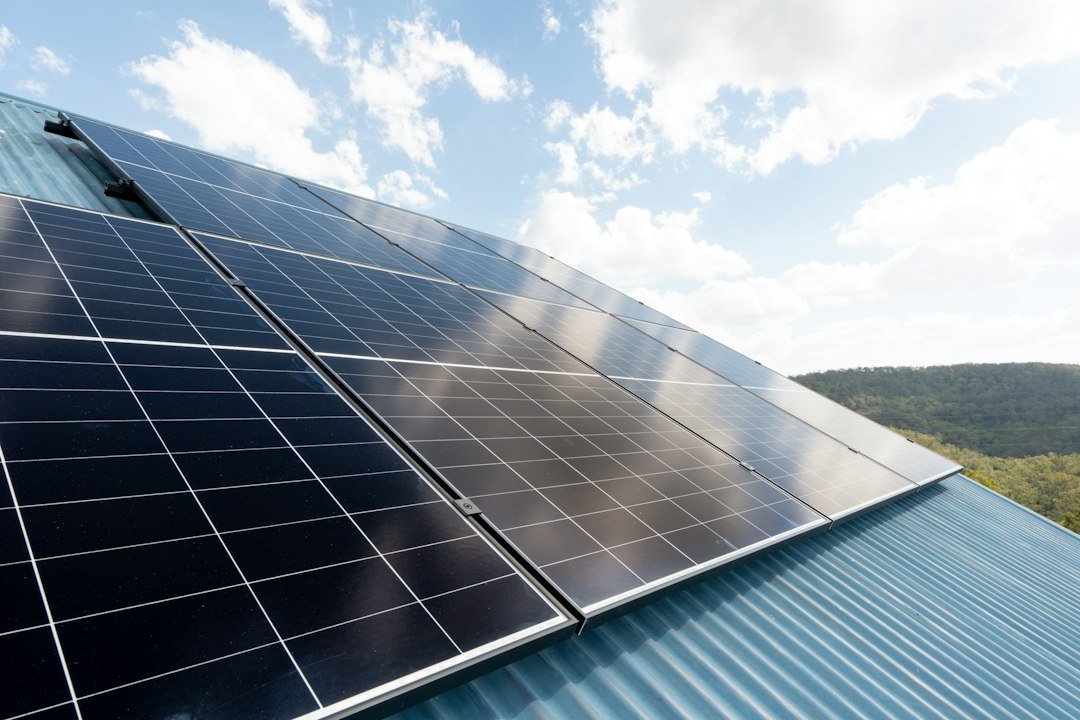
Solar panels are designed to operate for decades. The U.S. Department of Energy describes a typical photovoltaic system performance period of roughly 20 to 30 years, while an industry survey cited by DOE reports an average expected panel operating life of 25 to 35 years in 2025. These are planning references, not a promise that a particular panel will last a set number of years.
A panel does not automatically stop producing electricity when it reaches year 25 or when a warranty expires. Output often declines gradually, while physical damage or another equipment failure can occur earlier. The useful life of your system depends on the equipment, installation, environment, maintenance, and whether performance remains acceptable for your needs.
This guide explains panel aging, warranties, replacement signs, and the records that help homeowners make informed decisions.
How long do solar panels typically last?
Many residential panels are expected to work for 25 years or longer, but estimates differ because studies may describe panel life, whole-system performance periods, warranty terms, or financial assumptions. DOE’s homeowner resources describe typical PV system performance periods of 20 to 30 years; its end-of-life guidance cites an industry survey with a 25-to-35-year average expected operating life for panels in 2025.
Those statements do not mean every panel will run for 35 years or fail at 20. A module damaged by a storm may need attention much earlier, while a sound older panel can continue to generate electricity beyond its warranty. Ask for the actual manufacturer’s warranty and design information instead of treating a general range as a guarantee.
A system also contains inverters, mounting equipment, wiring, monitoring devices, and possibly a battery. These components can have different service lives and warranties. When budgeting, ask which parts may need service during the array’s lifetime and what labor or access costs are covered.
Do solar panels stop working after 25 years?
No. Twenty-five years is often used in performance warranties and planning, but it is not a universal expiration date. At the end of a warranty period, a panel may still produce useful electricity. The owner and a qualified professional can assess condition, measured performance, safety, roof needs, and the economics of keeping or replacing it.
DOE notes that many systems maintain a substantial share of their initial output after 25 years. That is a broad observation, not a guarantee for your specific array. An actual warranty may specify a different minimum output, measurement method, exclusions, and remedy. Read the agreement for the exact model and installation.
A warranty ending also does not automatically make it economical to replace working panels. New panels may offer different ratings or features, but replacement has equipment, labor, roof-access, disposal, and potential permitting costs. Compare the complete project against the benefit expected from your actual system.
What is solar panel degradation?
Degradation is a decline in performance over time. It is distinct from a sudden fault, shading, dirt, a disconnected inverter, or a monitoring problem. Researchers often express degradation as an annual percentage, but rates vary among products and conditions. A general rate does not establish the actual condition of a particular home system.
For an illustrative calculation, suppose a panel starts at 400 watts under specified test conditions and loses 0.5% of its remaining output each year. After 25 years, the calculation is approximately 400 × 0.99525, or 353 watts. This is an example of the arithmetic, not a prediction or a warranty for a real panel. Some warranties use different methods, initial-year allowances, or specified test procedures.
Panel ratings are measured under defined conditions. A reading taken on a hot, hazy afternoon should not be compared directly with a nameplate figure and treated as evidence of permanent degradation. Temperature, sunlight, shade, inverter limits, and measurement conditions affect output. A professional can assess whether a performance warranty test is appropriate.
Product warranty vs. performance warranty
A product warranty generally addresses certain defects in materials or workmanship in the panel itself, subject to the manufacturer’s terms. A performance warranty generally specifies a minimum power output or allowable decline over a stated period under defined conditions. They can have different lengths, exclusions, remedies, and claim procedures.
Check the exact wording: when coverage starts, how a claim is measured, whether the warranty is transferable, and what remedy is offered. Ask who pays for inspection, shipping, removal, roof access, labor, and reinstallation. A promise to replace a module does not necessarily include every cost associated with replacing it.
There may also be a separate installer workmanship warranty, roof warranty, inverter warranty, and battery warranty. Keep purchase and commissioning records with the model and serial information. If a company stops trading, the practical claim process may differ, so identify both the installer and equipment manufacturer before you need service.
What can shorten a panel’s useful life?
Physical damage: Hail, windborne debris, falling branches, improper handling, or other events can damage a module. The outcome depends on the equipment and event; a weather rating is not proof against every storm. After severe weather, check from a safe location and ask a qualified professional to inspect suspected damage.
Installation and environmental conditions: Mounting, cable management, moisture exposure, temperature cycling, corrosion, and local conditions can influence long-term performance. Coastal salt, heavy snow, or persistent debris may create different maintenance concerns from another location. The contractor should use equipment and methods appropriate for the actual site.
Unresolved faults or shading: A shaded module or malfunctioning system component can lower production without proving that the module itself has reached end of life. Trees can grow and create new shade. Monitoring and a professional assessment help distinguish a repairable issue from permanent module degradation.
Never touch broken glass, exposed wiring, or damaged electrical equipment. Panels can generate electricity when exposed to light. Keep clear and contact the installer, manufacturer, or an appropriately qualified service professional.
How long do inverters and batteries last?
Inverters convert the panels’ direct-current output into alternating current for the home or grid. Their service life and warranty are not necessarily the same as the panels’. DOE’s consumer guide notes that string inverters commonly have shorter lifetimes than panels; the exact model, environment, warranty, and service history determine the relevant planning assumption.
Microinverters, batteries, and other components have their own specifications. Battery warranties may include limits based on years, cycles, energy throughput, operating conditions, or retained capacity. Do not apply a panel’s 25-year performance warranty to a battery or assume a battery must be replaced on a fixed schedule without reviewing its condition and warranty.
Ask your installer for an itemized equipment and warranty schedule. Include monitoring subscriptions, possible service labor, and roof access where relevant. A long-lived panel can still be part of a system that needs an inverter repair or replacement during its operating life.
How to monitor an aging solar system
Start with the monitoring app or records supplied by the installer. Check whether the inverter reports normal operation and whether alerts are present. Save monthly or annual generation data where available. Compare similar seasons and weather conditions; one cloudy month is not proof of degradation.
Investigate a persistent or sudden change rather than assuming the panels are simply old. Possible causes include new shade, dirt, equipment downtime, a monitoring connection problem, or an inverter issue. Record the dates and any error messages, then contact the installer or service provider. Do not open electrical enclosures or perform energized measurements based on an online guide.
Our article on solar output on cloudy days explains why weather complicates comparisons. If surface buildup is visible, see the solar panel cleaning guide and follow the manufacturer’s instructions.
Does cleaning make solar panels last longer?
Keeping an array free of significant obstructions can support production, but cleaning is not a cure for every defect and does not guarantee a specific lifespan. Rain may remove some loose dust; persistent bird droppings, leaves, or other buildup may need professional attention. The right response depends on the site and the manufacturer’s instructions.
Rooftop work creates fall and electrical hazards. Do not climb on the roof or use abrasive tools, harsh chemicals, or high-pressure equipment without the manufacturer’s approval. If safe access is not available, use a qualified service provider. Do not clean cracked panels or exposed electrical components; request a professional assessment instead.
When should solar panels be repaired or replaced?
Consider professional assessment when there is visible damage, a persistent fault, a significant unexplained production decline, a roof replacement, or a warranty concern. The technician should determine whether the problem involves a module, wiring, inverter, monitoring, shade, or another part of the system. A low monthly bill credit alone does not identify a failed panel.
Request a written comparison of repair, retaining the existing system, and replacement where applicable. Include expected production, equipment and labor costs, warranties, roof condition, permits, and the utility’s current interconnection or export rules. Changing a system may affect existing agreements, so ask the utility and contractor before approving a redesign.
If the array is performing safely and meets your needs, continuing to operate it may be reasonable. If it is unsafe or no longer cost-effective to repair, replacement may make sense. The decision should follow the condition and economics of the actual project rather than the calendar alone.
What happens to old solar panels?
Panels may be reused, refurbished, recycled, or disposed of under applicable rules, depending on their condition and local options. The U.S. Environmental Protection Agency explains that some discarded panels can be regulated as hazardous waste based on their characteristics. Do not assume every panel belongs in ordinary household trash.
Ask the installer, manufacturer, local waste authority, or a qualified recycler about collection, transport, testing, fees, and documentation. Recycling availability and recovered materials vary. If removing panels for roof work, clarify who is responsible for storage, damage, reinstallation, and any panels that cannot be reused.
Questions to ask before buying
- What are the product and performance warranties for the exact panel model?
- What output is guaranteed at the stated time, under which test conditions?
- Who pays for diagnosis, removal, shipping, labor, and reinstallation?
- What warranties apply to the inverter, battery, mounting, and workmanship?
- How will production be monitored and who responds to alerts?
- What happens if roof work or a panel replacement is needed?
- How are old or damaged panels handled in this area?
Keep the answers with your written proposal. Our solar installation guide covers permits, inspections, and handover documents.
Frequently asked questions
Can solar panels last more than 30 years?
Some can continue operating beyond 30 years, but output and condition vary. A general lifespan estimate is not a guarantee for an individual module.
Are panels useless when their warranty expires?
No. Warranty expiration does not mean a panel stops working. Assess its safety, performance, and repair or replacement economics.
Do inverters last as long as panels?
Not necessarily. Inverters and panels have separate specifications and warranties. Budget and service planning should use the actual equipment documentation.
Does lower production always mean the panels are worn out?
No. Weather, shade, dirt, inverter faults, and monitoring problems can also affect reported production. A qualified professional can help identify the cause.
Can old panels go in household trash?
Do not assume so. Disposal requirements depend on the panel and applicable rules. Check with the local waste authority or an appropriate recycler.
Plan for a long service life, but keep the actual warranty, monitoring data, roof condition, and equipment service plan in view. Those records are more useful than assuming that all solar panels expire on the same date.
Featured photo: NG Trade Solutions / Unsplash.
Sources: U.S. Department of Energy: Solar End-of-Life Management; DOE: End of PV Performance Period; EPA: Solar Panel Disposal.