
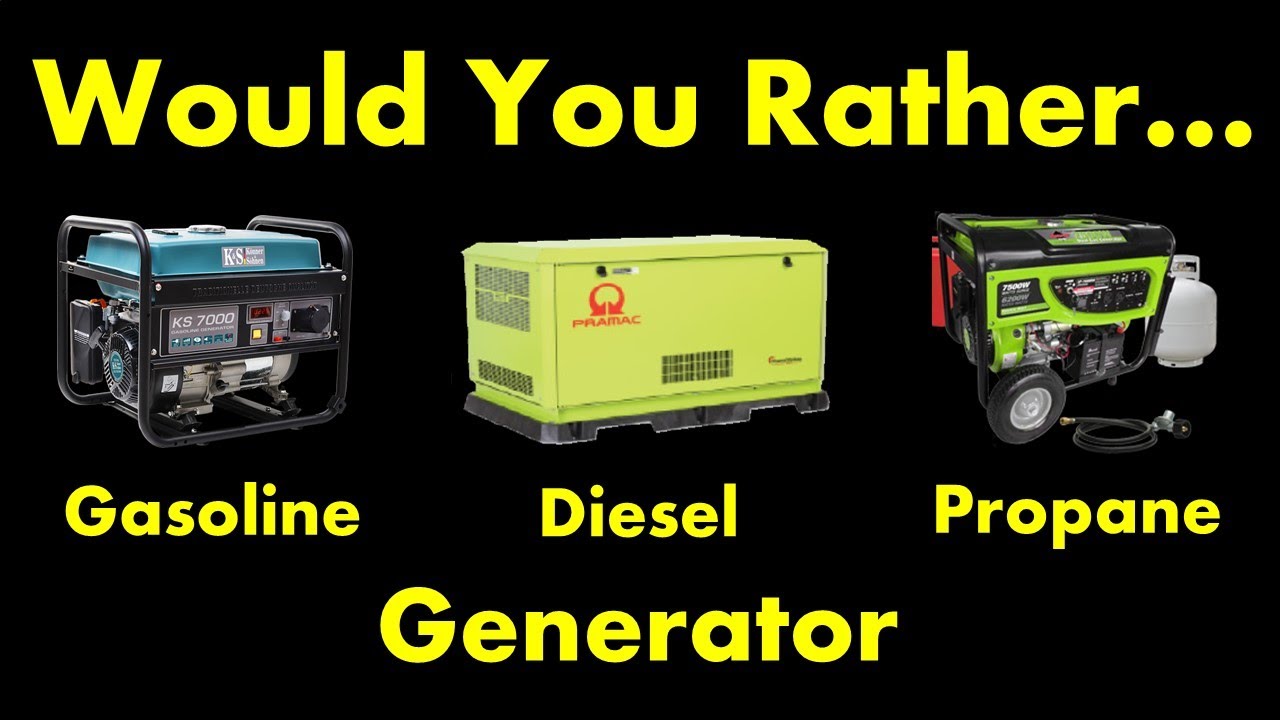
When it comes to choosing a generator, the decision between a diesel generator and a propane generator can feel overwhelming. You want reliability, efficiency, and the best value for your money.
But how do you know which option is right for you? We’ll break down the key differences between diesel and propane generators. You’ll discover their pros and cons, helping you make an informed choice that fits your needs. Whether you’re powering your home during an outage or running a job site, understanding these options can save you time and money.
Stay with us as we explore the features, costs, and maintenance of both types of generators. By the end, you’ll have the clarity you need to choose the perfect generator for your situation. Let’s dive in!
Fuel Efficiency
Fuel efficiency is an important factor in choosing a generator. It affects your costs and how long you can run your equipment. Diesel generators and propane generators have different fuel usage rates. Understanding these differences helps you make a smart choice.
Diesel Generator Fuel Efficiency
Diesel generators are known for their high fuel efficiency. They use diesel fuel to create energy. This type of generator runs longer on less fuel. Many people prefer diesel for heavy-duty tasks. It is often more economical for long-term use.
Propane Generator Fuel Efficiency
Propane generators use propane gas. They are less efficient than diesel generators. However, they are easier to maintain. Propane burns cleaner than diesel. This leads to fewer emissions and less pollution.
Cost Considerations
The cost of fuel plays a big role. Diesel fuel can be more expensive than propane. But diesel generators often run longer on less fuel. This can save money over time. Propane is cheaper upfront but may require more frequent refills.
Fuel efficiency also affects the environment. Diesel generators produce more carbon emissions. Propane generators are cleaner and greener. Choosing a cleaner fuel can help reduce your carbon footprint.
Final Thoughts On Fuel Efficiency
Both diesel and propane generators have pros and cons. Diesel is efficient for heavy use. Propane is cleaner and easier to maintain. Your choice should depend on your specific needs. Consider cost, efficiency, and environmental impact.
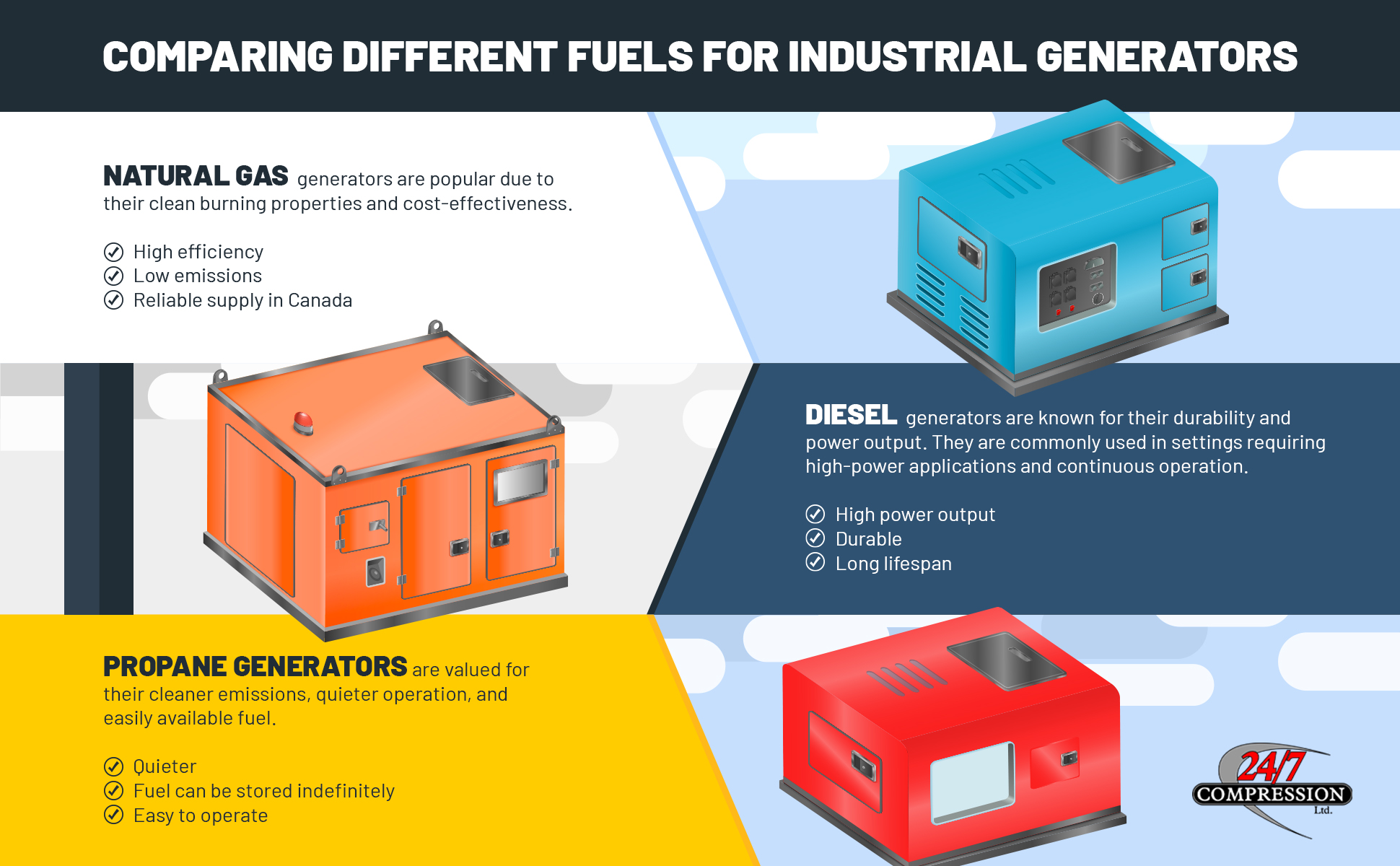
Credit: www.247compression.com
Power Output
Power output varies between diesel and propane generators. Diesel generators often provide more power, making them suitable for heavy-duty tasks. Propane generators are quieter and cleaner, but may offer less power. Choose based on your specific energy needs and environmental preferences.
Power output is a crucial factor to consider when choosing between a diesel generator and a propane generator. Understanding how each type performs can help you make an informed decision that suits your power needs. Let’s break down the power output differences between these two options.
Diesel Generator Power Output
Diesel generators are known for their robust power output. They typically produce more energy per gallon of fuel compared to propane generators. – A standard diesel generator can range from 5 kW to over 2,000 kW. – This makes them suitable for heavy-duty applications like construction sites, industrial operations, and large homes. You might have experienced a power outage during a storm. A diesel generator could have provided that extra power you needed to keep your essential appliances running without interruption.
Propane Generator Power Output
Propane generators, while slightly less powerful, still offer reliable energy. They usually provide between 2 kW to 100 kW of output. – Propane is a cleaner-burning fuel, which means it generates less pollution. – This can be a deciding factor if you are concerned about environmental impact. If you live in a smaller home or need backup power for specific appliances, a propane generator can be a perfect fit. It delivers enough power for essentials without overwhelming your budget.
Comparing Power Output
Here’s a quick comparison to help you visualize the differences:
| Generator Type | Power Output Range | Ideal Use Cases |
|---|---|---|
| Diesel Generator | 5 kW – 2,000+ kW | Industrial, large homes, construction |
| Propane Generator | 2 kW – 100 kW | Small homes, backup power, RVs |
Your choice should depend on your specific power needs. Are you looking for something to power heavy machinery, or just enough to run your refrigerator and lights? Understanding these differences can guide you toward the right decision for your power requirements. Make sure to weigh the pros and cons based on your unique situation and energy demands.
Cost Analysis
Understanding the cost implications of diesel and propane generators can significantly impact your decision-making process. Both options have their unique expenses, which can vary based on fuel prices, maintenance, and initial investment. Let’s break down the costs involved with each type.
Initial Purchase Price
The initial cost of the generator is often a major deciding factor. Diesel generators typically have a higher upfront price. You might pay anywhere from $2,000 to $15,000, depending on the size and brand.
On the other hand, propane generators usually range from $1,500 to $10,000. The price difference can be substantial, especially for larger models.
Fuel Costs
Fuel costs can fluctuate based on market conditions. Diesel fuel prices tend to be more stable but can still spike unexpectedly. You should expect to pay around $3 to $5 per gallon on average.
Propane, however, is often cheaper and can range from $2 to $4 per gallon. Depending on your usage, this difference can add up over time.
Maintenance Expenses
Maintenance is another crucial factor that can influence your overall costs. Diesel generators generally require more frequent oil changes and fuel filter replacements. Expect to spend about $200 to $500 annually on maintenance.
Propane generators are usually easier to maintain. You might spend between $100 to $300 each year. This can make propane a more budget-friendly option in the long run.
Operational Efficiency
Efficiency impacts your overall cost of ownership. Diesel generators are known for their durability and efficiency, especially under heavy loads. They can run for longer periods before needing a refill.
Propane generators, while efficient, may not match diesel in high-demand situations. However, they are cleaner and produce fewer emissions, which can be an essential factor for environmentally conscious users.
Resale Value
Considering resale value can be crucial if you plan to upgrade in the future. Diesel generators generally have a higher resale value due to their robust construction and reliability.
Propane generators may depreciate faster. However, factors like brand and condition play a significant role in resale potential for both types.
Have you weighed the costs against your specific needs? Your choice will depend on how you plan to use the generator and your budget constraints. Make sure to consider all these factors before making a decision.
Environmental Impact
The environmental impact of generators is crucial. Diesel and propane generators affect our planet in different ways. Understanding these effects helps in making better choices.
Diesel Generators And Emissions
Diesel generators produce more harmful emissions. They release nitrogen oxides and particulate matter. These pollutants contribute to air quality issues. Long-term exposure can harm health. Diesel fuel has a higher carbon footprint. This raises concerns about climate change.
Propane Generators And Clean Energy
Propane generators are cleaner than diesel. They emit fewer greenhouse gases. This makes them a more eco-friendly option. Propane burns more efficiently. It produces less smoke and fewer pollutants. This helps to improve air quality.
Noise Pollution Considerations
Noise is another environmental factor. Diesel generators tend to be louder. The noise can disrupt local wildlife and communities. Propane generators operate more quietly. This makes them suitable for residential areas.
Resource Availability And Sustainability
Both fuels come from different sources. Diesel is a fossil fuel. It is non-renewable and limited. Propane is a byproduct of natural gas processing. It is more sustainable than diesel. Choosing propane can support a cleaner future.
Maintenance Needs
Choosing between diesel and propane generators involves understanding their maintenance needs. Each type has different requirements for upkeep. Knowing these can help you make a better choice.
Diesel Generator Maintenance
Diesel generators often need more regular maintenance. They require oil changes every 100 hours of use. The fuel system also needs cleaning to avoid clogging. Air filters must be checked and replaced often.
Cooling systems should be inspected regularly. This helps prevent overheating. Battery maintenance is also important. A dead battery can stop the generator from working.
Propane Generator Maintenance
Propane generators are generally easier to maintain. They need less frequent oil changes, usually every 200 hours. Fuel system issues are rare due to cleaner fuel. This reduces the need for repairs.
Air filters still need attention, but not as often as diesel. Checking spark plugs is important for smooth operation. Battery checks are also necessary, but less frequent.
Cost Of Maintenance
Maintenance costs vary between the two types. Diesel generators can be more expensive. Repairs and parts can add up quickly. Propane generators usually have lower maintenance costs. This makes them more budget-friendly.
Consider long-term costs when choosing your generator. Lower maintenance needs can save money over time.
Credit: www.critterguard.org
Durability And Lifespan
Durability and lifespan are key factors in choosing a generator. A reliable generator lasts longer and withstands harsh conditions. Diesel and propane generators offer different benefits in these areas.
Diesel Generator Durability
Diesel generators are known for their tough build. They can handle heavy loads and rough use. The metal components are strong and resistant to wear. This makes them ideal for industrial settings.
These generators often last longer than other types. Many can run for over 10,000 hours with proper care. This long life reduces replacement costs. It provides peace of mind for users.
Propane Generator Durability
Propane generators also offer good durability. They are lighter and easier to transport. Their design is simpler, which can reduce wear. However, they may not withstand heavy use as well as diesel generators.
Typically, propane generators last around 5,000 to 7,000 hours. Regular maintenance can extend their lifespan. Users should consider this when making a choice.
Factors Affecting Lifespan
Several factors affect both generator types. Usage patterns play a big role. Heavy and constant use can shorten lifespan. Maintenance practices also matter. Regular checks and services keep generators running well.
Environmental conditions impact durability. Dust, moisture, and extreme temperatures can harm both types. Choosing the right generator for specific needs is essential.
Portability
Portability is key when comparing diesel and propane generators. Diesel generators are often heavier and may require more space. Propane generators are lighter and easier to move, making them ideal for outdoor events or emergency use.
Portability is a crucial factor to consider when choosing between a diesel generator and a propane generator. Depending on your needs, the ability to easily move your generator can make a significant difference in your overall experience. Whether you’re planning a camping trip, preparing for a power outage, or working on a construction site, you want a generator that fits seamlessly into your lifestyle.
Weight And Size
Weight and size play a big role in portability. – Diesel generators tend to be heavier due to their robust construction and larger fuel tanks. – Propane generators, on the other hand, are often lighter and more compact. If you need to transport your generator frequently, a propane model might be the better option.
Mobility Features
Many propane generators come with built-in wheels and handles, making them easier to move. – Some even have collapsible designs for enhanced portability. – Diesel generators may also offer mobility features, but they often lack the lightweight benefits of their propane counterparts. Consider your specific needs. Will you be moving your generator often, or will it stay in one place?
Fuel Availability
Fuel availability impacts how portable your generator truly is. – Propane is typically easier to find, especially in portable tanks. – Diesel fuel might require a bit more planning, particularly in remote areas. Think about where you’ll be using your generator. Are you heading to a location where propane is readily available?
Ease Of Setup
Setting up your generator should be quick and hassle-free. – Propane generators usually require less time to get running. – Diesel generators may need more attention due to their size and complexity. If you’re in a situation where time matters, ease of setup could sway your decision. Portability is about more than just moving from one spot to another. It’s about ensuring that your power source fits your lifestyle and meets your needs effortlessly. What will you prioritize when choosing your generator?
Noise Levels
Noise levels can significantly impact your experience when using a generator. If you’re considering a diesel generator or a propane generator, understanding the sound each produces is essential. This choice can influence your comfort and the environment around you.
Diesel Generator Noise Levels
Diesel generators are known for their robust performance but can be quite loud. Depending on the model, they typically range from 60 to 100 decibels. This noise can be disruptive, especially in residential areas.
Imagine trying to enjoy a peaceful evening outside while a diesel generator is running nearby. The constant hum can drown out conversations and disturb your relaxation. If noise is a concern, you might want to think twice about a diesel option.
Propane Generator Noise Levels
Propane generators tend to operate at lower noise levels, usually between 50 to 70 decibels. This makes them a more suitable choice for those seeking a quieter environment. You might appreciate the difference while camping or during a backyard gathering.
Many users report that propane generators allow them to have conversations without raising their voices. The quieter operation can create a more pleasant atmosphere, making it easier to enjoy your time outdoors. Could this be a deciding factor for you?
Comparing The Two
When comparing noise levels, consider your specific needs. If you prioritize quiet operation, a propane generator may be the better choice. On the other hand, if you require heavy-duty performance and don’t mind the noise, a diesel generator could fit your needs.
Think about where you plan to use your generator. Will it be in a residential area, or will you be far from neighbors? Your location can influence the best choice for you.
Noise Reduction Solutions
If you lean towards a diesel generator but worry about noise, there are solutions. Soundproof enclosures can significantly reduce the noise output. Additionally, installing the generator away from living spaces can help minimize disruptions.
Consider investing in noise-reducing accessories. Mufflers and vibration isolators can also help decrease sound levels. Would these options make a diesel generator more appealing to you?
Your choice between a diesel generator and a propane generator ultimately depends on your noise preferences. Understanding the noise levels associated with each type can guide you to the right decision for your needs. So, which generator aligns best with your lifestyle?
Safety Considerations
Safety is key when choosing between diesel and propane generators. Diesel generators can emit harmful fumes, requiring proper ventilation. Propane generators are cleaner but still need safety measures for gas leaks. Always follow guidelines for safe operation and maintenance of your generator.
Safety is a critical factor when choosing between diesel and propane generators. Each type of generator has its own set of safety considerations that can impact your decision. Understanding these differences can help you make a choice that best suits your needs.
Fuel Storage Safety
Diesel fuel is flammable and can pose a risk if not stored properly. You’ll need to ensure that you store diesel in approved containers and in a safe location away from heat sources. Propane, on the other hand, is stored under pressure and can be hazardous if a leak occurs. Regularly check your propane tanks and connections for leaks. A simple soap solution can help identify leaks by producing bubbles at the site of a leak. Both fuels require careful handling, but the methods differ significantly.
Carbon Monoxide Risks
Running any generator indoors can lead to carbon monoxide (CO) buildup, which is deadly. Diesel generators tend to produce more CO than propane generators. Make sure to always operate your generator outdoors in a well-ventilated area. Installing CO detectors in your home can provide an extra layer of safety. Have you thought about how often you check your CO detectors?
Noise Levels And Hearing Safety
Noise is another safety consideration. Diesel generators tend to be louder than propane ones. Prolonged exposure to high noise levels can damage your hearing. If you choose a diesel generator, consider using hearing protection. Look for models that offer quieter operation or invest in soundproofing solutions. How do you plan to protect your hearing while operating your generator?
Environmental Concerns
Both diesel and propane generators have environmental implications. Diesel emissions can contribute to air pollution, while propane is cleaner-burning. If environmental safety is a priority for you, think about how each option aligns with your values. Are you willing to take the environmental impact of your choice into account? Choosing the right generator involves weighing various safety considerations. By understanding the unique risks associated with each fuel type, you can make an informed decision that keeps you and your surroundings safe.
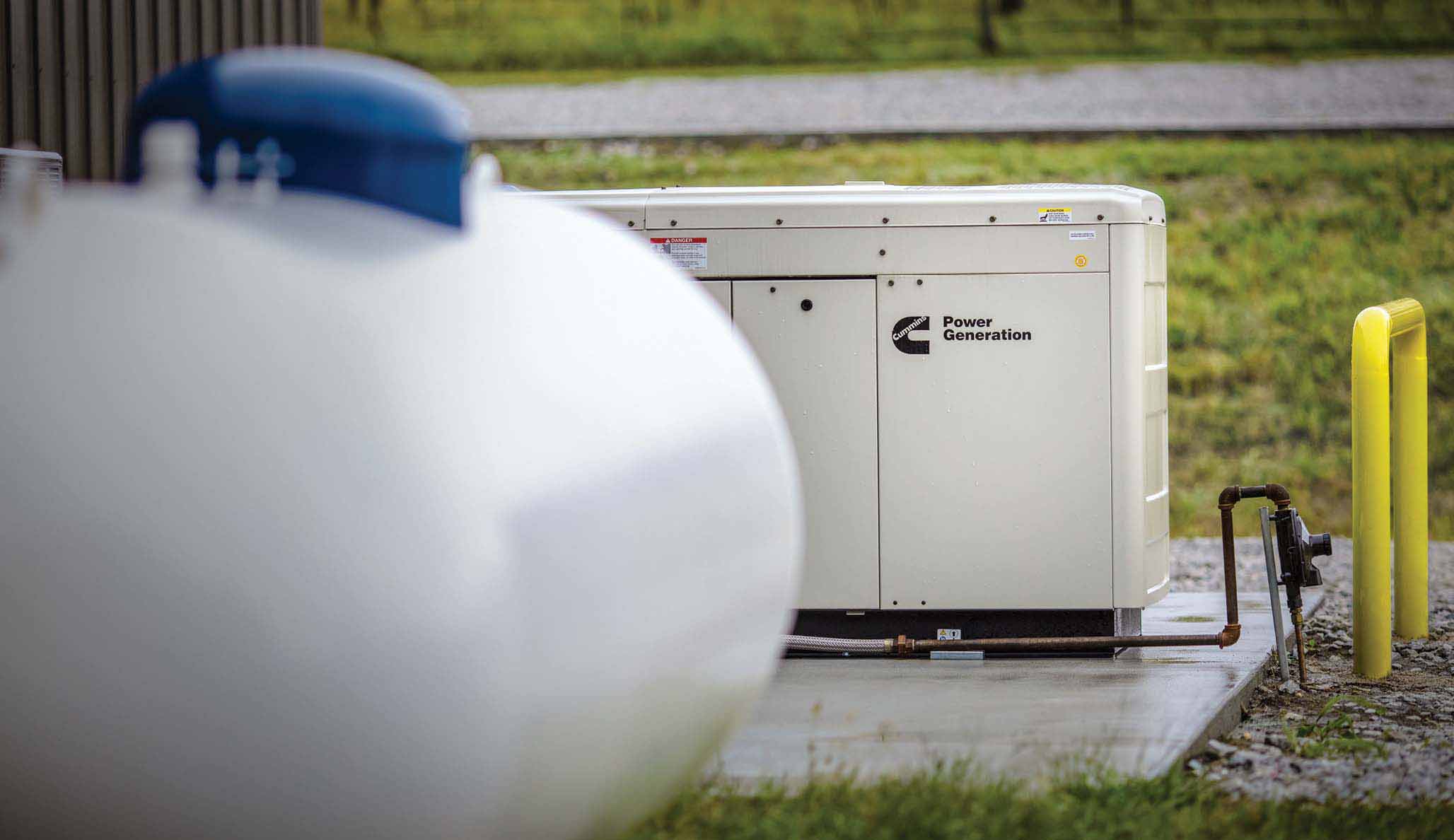
Credit: www.ferrellgas.com
Suitability For Different Applications
Choosing the right generator depends on your needs. Diesel and propane generators serve different purposes. Understanding their strengths helps you make the best choice.
Diesel Generators: Best For Heavy-duty Use
Diesel generators are powerful. They work well for construction sites. These generators handle large loads easily. They run for long hours without stopping.
Diesel fuel is widely available. This makes it easy to refuel. Many industries prefer diesel for backup power. It is reliable for critical operations.
Propane Generators: Ideal For Residential Use
Propane generators are quieter than diesel. They are perfect for homes and small businesses. Propane burns cleaner, which is better for the environment.
These generators are easy to maintain. They require less frequent servicing. Propane is also safer to store. This makes it a good choice for residential areas.
Choosing The Right Generator For Your Needs
Consider your power needs first. If you need high power, choose diesel. For lower power needs, propane is better. Think about where you will use the generator.
For remote sites, diesel is a strong option. If you want a generator for home use, propane fits well. Assess your fuel availability too.
Frequently Asked Questions
What Is A Diesel Generator?
A diesel generator uses diesel fuel to create electricity. It’s reliable and often used for backup power.
What Is A Propane Generator?
A propane generator runs on propane gas. It provides power for homes and businesses during outages.
Which Generator Is More Efficient?
Diesel generators are usually more efficient than propane ones. They convert more fuel into usable energy.
Are Diesel Generators Louder Than Propane Generators?
Yes, diesel generators tend to be louder. Propane generators usually operate more quietly.
What Is The Maintenance Cost Difference?
Diesel generators often have higher maintenance costs. Propane generators generally require less upkeep.
Which Generator Has A Longer Lifespan?
Diesel generators usually last longer than propane generators. They are built for heavy-duty use.
Is One Generator More Environmentally Friendly?
Propane generators are cleaner. They produce fewer emissions compared to diesel generators.
Can I Use Both Fuels In One Generator?
Most generators are designed for one fuel type only. Check the specifications before buying.
Which Generator Is Better For Home Use?
Propane generators are often preferred for home use. They are quieter and easier to store.
What Is The Startup Time For Each Generator?
Diesel generators usually start quickly, but propane generators often have a faster startup time.
Conclusion
Choosing between a diesel generator and a propane generator depends on your needs. Diesel generators are known for their durability and fuel efficiency. They work well for heavy-duty tasks. Propane generators are cleaner and quieter. They are easy to maintain and can be stored safely.
Think about your budget, usage, and environment. Each option has its benefits. Make an informed choice that suits your lifestyle. A good generator provides reliable power when you need it most. Choose wisely for your comfort and safety.