When the power goes out, you need a reliable backup plan. Two popular options are generator interlocks and transfer switches.
But which one is right for you? Understanding the differences between these two systems is crucial for your safety and convenience. We’ll break down what each option offers, the benefits and drawbacks, and help you make an informed choice. Whether you’re looking to keep your essentials running during an outage or ensure a seamless power transition, you’ll find the insights you need right here.
Keep reading to discover how to secure your home and gain peace of mind.
Generator Interlock Basics
Understanding generator interlocks is important for safety and efficiency. An interlock device allows you to use a generator safely during a power outage. It prevents backfeeding into the grid. Backfeeding can harm utility workers and damage equipment.
This device works with your home’s main electrical panel. It ensures only one power source is active at a time. The generator interlock kit connects to the main breaker. It keeps the generator and the utility power separate.
Installation requires some electrical knowledge. It is best to hire a qualified electrician. They can ensure proper setup and compliance with local codes. A well-installed interlock is reliable and safe.
What Is A Generator Interlock?
A generator interlock is a simple mechanical device. It fits into your electrical panel. It prevents the main breaker and generator breaker from being on at the same time. This safety feature protects both your home and the grid.
How Does A Generator Interlock Work?
The interlock device blocks access to the generator breaker. It only allows the main breaker to be switched on or off. This prevents the risk of backfeeding. Backfeeding can cause serious accidents and damage.
Benefits Of Using A Generator Interlock
Generator interlocks are cost-effective. They are often cheaper than transfer switches. Installation is straightforward. They take up less space compared to other systems. They also provide a reliable way to connect your generator.
Installation Considerations
Choose a qualified electrician for installation. They will check your electrical panel’s compatibility. Proper installation is key for safety. Follow local codes and regulations to ensure compliance.
How Transfer Switches Work
Transfer switches play an important role in managing power supply. They help switch between the main power and a generator. Understanding how they work can help you make better choices for your home.
What Is A Transfer Switch?
A transfer switch is a device that connects a generator to your home. It ensures safe power transfer during an outage. This switch isolates the generator from the utility lines.
Manual Vs. Automatic Transfer Switches
There are two main types of transfer switches. Manual transfer switches require you to switch power yourself. Automatic transfer switches do this automatically when the power goes out.
How Does A Manual Transfer Switch Work?
A manual transfer switch needs your attention during an outage. You turn off the main power and connect the generator. Then, you flip the switch to send power from the generator.
How Does An Automatic Transfer Switch Work?
An automatic transfer switch works without your help. It detects a power failure. Within seconds, it switches to the generator. This ensures a quick return of power.
Safety Features Of Transfer Switches
Transfer switches come with safety features. These prevent backfeeding into the grid. Backfeeding can cause serious hazards for utility workers. Safety is a major benefit of using a transfer switch.
Installation Of Transfer Switches
Installing a transfer switch requires professional help. It must meet local codes and standards. Proper installation ensures safe operation and compliance.
Key Differences Between Interlocks And Transfer Switches
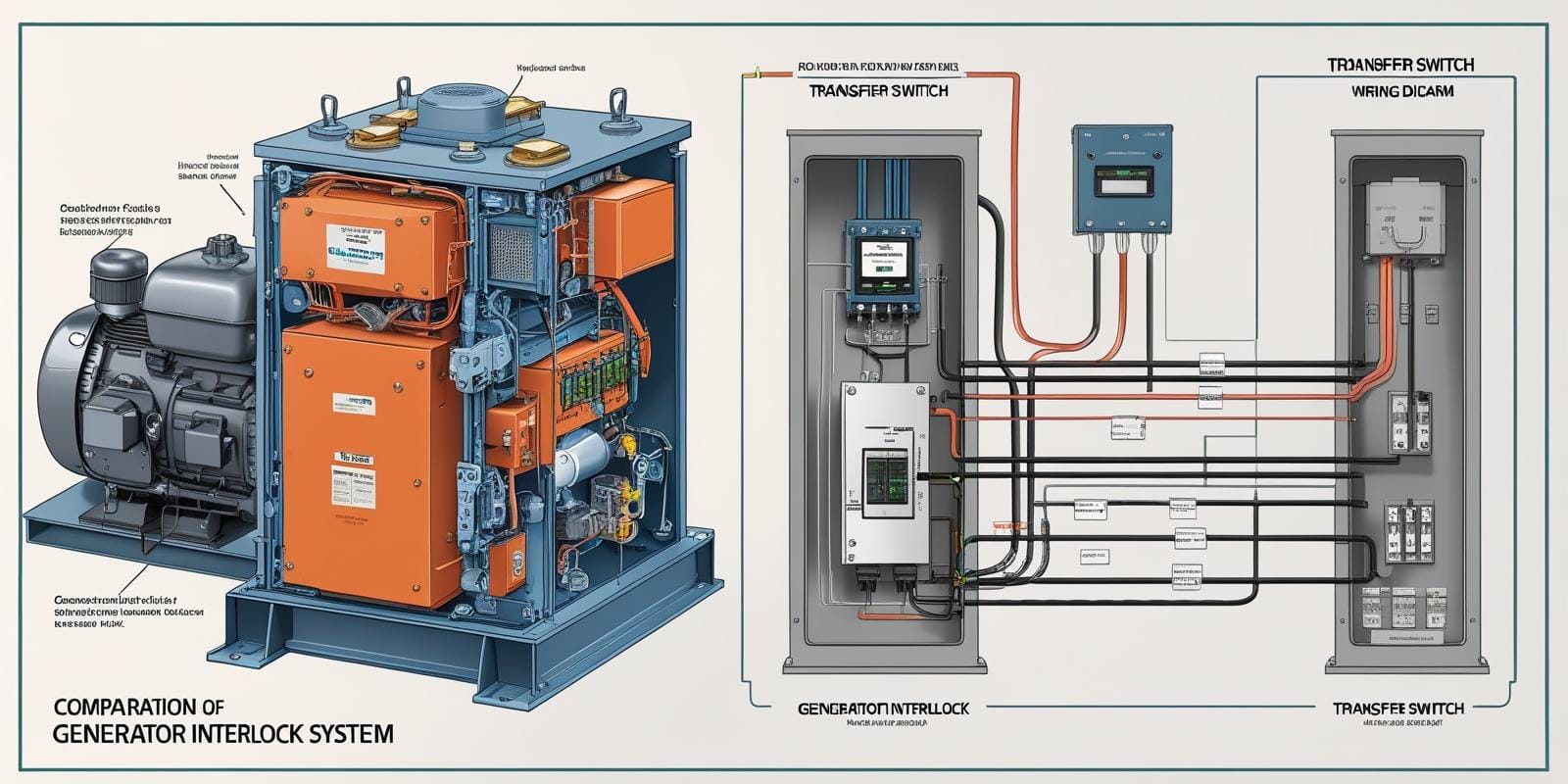
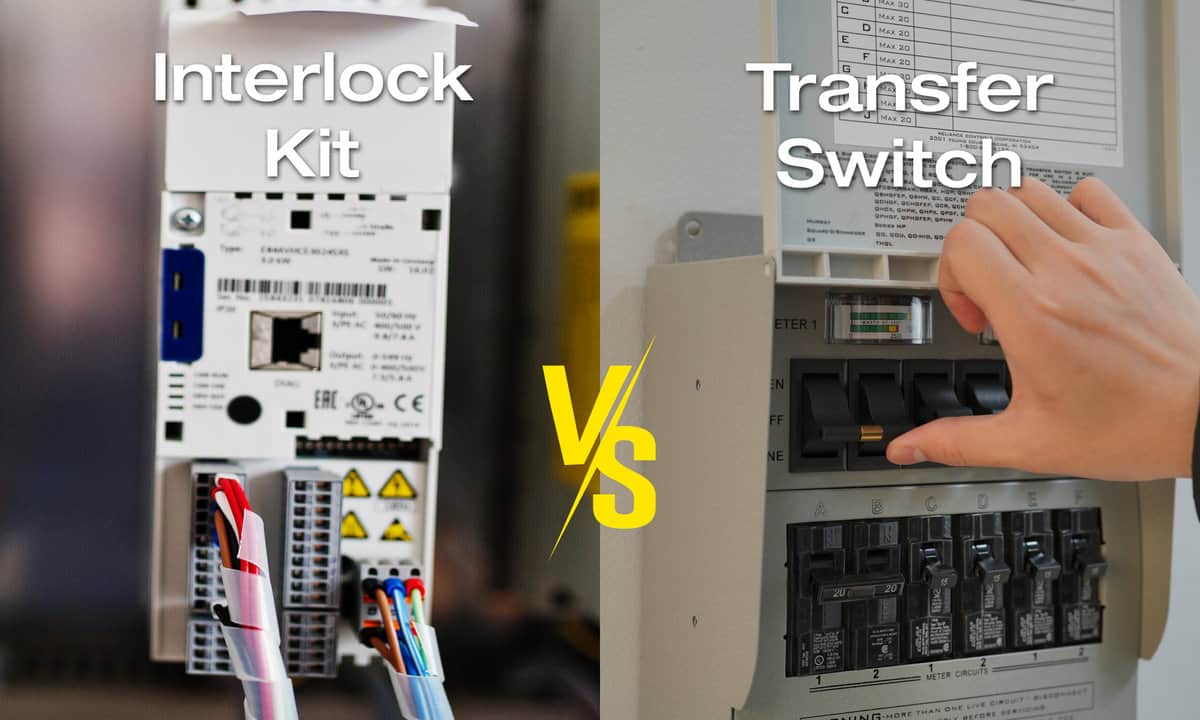
Generator interlocks and transfer switches both help manage power during outages. Interlocks connect a generator to the main panel, while transfer switches offer a more straightforward way to switch power sources. Understanding these differences can help you choose the right option for your needs.
Understanding the key differences between generator interlocks and transfer switches is crucial for anyone looking to ensure a reliable backup power system. Both options provide a way to connect your generator to your home’s electrical system, but they operate differently and serve distinct purposes. Let’s break down what sets them apart.
Functionality
Generator interlocks are designed to prevent backfeeding electricity into the grid. This is important for safety, as backfeeding can endanger utility workers trying to restore power. Transfer switches, on the other hand, allow you to seamlessly switch between the grid and your generator. They are typically more automated, providing ease of use during a power outage.
Installation Process
Installing an interlock kit is generally simpler and often requires less time. It usually involves modifying your existing main electrical panel. Transfer switches need a dedicated installation process. You might require a licensed electrician to set it up, which can increase overall costs.
Cost Considerations
Interlock kits are typically more budget-friendly. You can often find kits ranging from $100 to $500. Transfer switches can be pricier, with costs starting around $400 and going up significantly based on the model and capacity. Consider your budget when deciding which option suits you.
Space Requirements
Interlock kits take up minimal space. They integrate directly into your electrical panel, making them less intrusive. Transfer switches require additional space, as they are standalone units. Make sure you have room if you opt for this system.
Control And Convenience
Generator interlocks require manual switching. You’ll need to turn off the grid power and switch to generator power yourself. Transfer switches offer more convenience with automatic transfer options. They can detect when power goes out and switch to generator power without any action from you. Your choice will depend on your needs and preferences. Do you prefer a budget-friendly option, or is convenience more important to you? Both systems have their merits, but understanding their differences can help you make an informed decision. Choose wisely to ensure your home remains powered when you need it most.
Safety Features To Consider
Choosing between a generator interlock and a transfer switch involves safety. Both options protect your home and equipment. Understanding their safety features helps you make the right choice.
Generator Interlock Safety
A generator interlock kit connects your generator to your home’s power system. It prevents backfeeding. Backfeeding can cause severe injuries to utility workers.
Interlock kits are easy to install. They require minimal maintenance. Make sure your generator matches the interlock kit specifications. This ensures safe operation.
Transfer Switch Safety
A transfer switch also connects your generator to your home. It allows safe switching between utility power and generator power. This prevents backfeeding as well.
Transfer switches come in manual and automatic types. Automatic switches detect power loss and switch on the generator. Manual switches require you to operate them. Both types offer safety features.
Protection From Overloading
Both systems protect against overloading. An overloaded generator can fail. It can also damage your appliances. Ensure your generator has enough capacity for your needs.
Compliance With Codes
Check local electrical codes. Both interlocks and transfer switches must meet safety standards. Non-compliance can lead to safety hazards and fines.
Ease Of Use
Both options should be user-friendly. Make sure you understand how to operate them. Read the manuals carefully. Proper use enhances safety.
Cost Comparison Of Both Options
Understanding the costs of generator interlocks and transfer switches is vital. Both options serve the same purpose but differ in price and installation. This section compares their costs to help you make an informed choice.
Initial Purchase Costs
The cost of a generator interlock is generally lower. Prices range from $50 to $300. This depends on the brand and model. Transfer switches tend to be more expensive. They can cost between $300 and $1,500 or more. This price varies based on capacity and features.
Installation Costs
Installation costs also differ. Installing a generator interlock is usually simpler. Many homeowners can do it themselves. This can save money. Professional installation may cost around $100 to $300.
Transfer switches require more complex work. They often need a licensed electrician. Installation costs can range from $300 to $800. This includes labor and any necessary upgrades to your electrical system.
Long-term Costs
Consider long-term expenses too. Generator interlocks often have lower maintenance costs. They have fewer moving parts. Transfer switches may require more upkeep. This can add to overall expenses over time.
Fuel costs for generators are another factor. Both options need fuel for operation. Make sure to include this in your budget.
Overall Value
Assess the overall value of each option. A generator interlock is budget-friendly. It is a good choice for smaller homes. A transfer switch may offer more features. This can be beneficial for larger homes or more extensive needs.
Evaluate your specific situation. Choose the option that fits your budget and needs.

Credit: www.ehmanelectric.com
Installation Process Explained
Understanding the installation process for generator interlocks and transfer switches can help you make an informed decision for your home or business. Each method has its unique requirements and benefits. Knowing these details can save you time and potentially prevent costly mistakes.
Generator Interlock Installation
Installing a generator interlock kit is often simpler than a transfer switch. First, you need to turn off your main power supply to ensure safety. Then, locate the circuit breaker panel where you’ll connect the interlock kit.
Next, you’ll remove the cover of your breaker panel. Securely attach the interlock plate to the panel, ensuring it aligns correctly with the circuit breakers. This plate prevents both the main power and generator power from being on simultaneously.
After that, connect the generator’s power inlet box to the interlock kit. Use a heavy-duty extension cord to connect your generator to the inlet. Finally, close the panel cover and turn on your main power before testing the system.
Transfer Switch Installation
Installing a transfer switch requires a bit more technical knowledge. Begin by selecting a suitable location for the transfer switch, ideally near your main electrical panel. Ensure you have the necessary tools and safety gear before starting.
Start by shutting off all power from your utility source. Next, connect the transfer switch to your electrical panel. This often involves hardwiring the transfer switch to designated circuits, which can be more complex than simply plugging in an interlock kit.
Once installed, connect the generator to the transfer switch using a power inlet box. This setup allows you to easily switch between utility and generator power. Test the system thoroughly to ensure everything works as intended.
Considerations For Both Options
Both installation methods have their pros and cons. Generator interlocks are generally more affordable and easier to install. However, they may limit the number of circuits you can power during an outage.
On the other hand, transfer switches offer more flexibility and can manage multiple circuits. They may require professional installation, which can add to the cost. Think about your specific needs and comfort level with DIY projects.
Have you considered what will work best for your home? Assess your power needs and installation capabilities before deciding. Making an informed choice now can save you stress later.
Maintenance Requirements
Generator interlocks and transfer switches need regular maintenance. Keeping them in good shape helps ensure safety and efficiency. Each system has its own maintenance tasks. Understanding these tasks is important for homeowners.
Generator Interlock Maintenance
Generator interlocks are simpler devices. They require less frequent maintenance. Check the lock mechanism periodically. Ensure it moves freely. Look for any signs of wear or damage. Tighten loose screws and bolts.
Inspect the electrical connections regularly. Clean any dirt or corrosion. This helps maintain a good connection. Test the interlock system during a power outage. Make sure it works correctly. This quick test can prevent problems later.
Transfer Switch Maintenance
Transfer switches require more attention. They have more complex parts. Regular inspections are crucial. Check for signs of wear and tear. Look at the switches, connections, and wiring.
Clean the transfer switch components often. Dust and dirt can cause issues. Test the switch with your generator. Ensure it transfers power smoothly. This helps catch any problems early.
Regular Check-ups
Both systems benefit from regular check-ups. Schedule annual inspections with a professional. They can spot issues that you might miss. Keeping records of maintenance helps track the health of your systems.
Follow the manufacturer’s guidelines for maintenance. This ensures you do everything correctly. It also helps maintain warranties. Regular maintenance keeps your home safe during outages.
Credit: blog.ecoflow.com
Best Option For Homes
Choosing the right power backup system for your home can feel overwhelming. Generator interlocks and transfer switches both provide solutions to keep your home powered during outages. Understanding the best option for your needs can save you time, money, and stress.
Generator Interlock: A Practical Choice
Generator interlocks are simple devices that allow you to connect a portable generator to your home’s electrical system safely. They prevent backfeeding into the grid, which protects utility workers and your equipment.
Many homeowners appreciate the affordability of interlocks. Installation is often less costly compared to a transfer switch. You can enjoy peace of mind knowing that you’re using your generator correctly and safely.
Transfer Switch: More Convenience
If convenience is your priority, a transfer switch might be the right choice. This system allows you to connect your generator directly to your home’s electrical panel, making it easier to switch power sources.
With a transfer switch, you can power your entire home with the flip of a switch. This means no more running extension cords or worrying about which appliances to power. It’s straightforward and efficient.
Which Option Fits Your Lifestyle?
Consider your lifestyle and power needs when making your choice. Do you frequently lose power? A transfer switch offers more convenience for frequent outages. You can keep essential appliances running without hassle.
If you only experience occasional outages, a generator interlock may suffice. It’s a more budget-friendly option that still provides safety and functionality.
Think about how often you use your generator and what appliances you need to power. This will help you determine the best fit for your home.
Cost Considerations
Cost is an important factor in your decision. Installation of a generator interlock typically ranges from $300 to $600. This is generally lower than the $600 to $1,500 you might pay for a transfer switch installation.
Evaluate your budget and weigh it against your power needs. Investing in a system that aligns with your lifestyle can save you money in the long run.
Have you thought about how much you are willing to spend for peace of mind during outages? This could shape your decision significantly.
Final Thoughts
Choosing between a generator interlock and a transfer switch ultimately depends on your specific needs and circumstances. Both options have their merits, but understanding your power requirements and lifestyle can help guide your decision.
What will you choose to ensure your home stays powered during outages? Your choice can provide the reliability you need when it matters most.
Best Option For Businesses
Choosing between a generator interlock and a transfer switch is important for businesses. Both options provide backup power. Each has unique benefits. Understanding these can help make the right choice.
Generator Interlock: A Practical Choice
A generator interlock kit is an easy solution. It connects your generator to the main power. This setup is safe and simple. It prevents backfeeding into the grid. This protects utility workers and your equipment.
For small businesses, this option is cost-effective. Installation is often straightforward. A licensed electrician can install it quickly. This means less downtime during power outages.
Transfer Switch: Reliable And Efficient
A transfer switch offers a more robust solution. It allows for seamless power switching. This means no interruption during an outage. Businesses can continue operations without delay.
Transfer switches come in manual and automatic types. Automatic switches detect outages and switch power. This gives peace of mind. It ensures continuous power for critical systems.
Cost Considerations For Businesses
Cost is a big factor for any business. Generator interlocks are usually less expensive. They require less wiring and installation effort.
Transfer switches can cost more upfront. However, they provide more features and reliability. Consider long-term benefits when evaluating costs.
Final Thoughts On Business Needs
Both options have their advantages. The best choice depends on your business needs. Consider your budget and power requirements. Evaluate how often you expect power outages. This will guide your decision.
Making The Final Decision
Making the final decision between a generator interlock and a transfer switch is crucial for ensuring reliable power during outages. Each option has its pros and cons, and your choice will affect both convenience and safety. Let’s break down the key considerations to help you make an informed choice.
Understanding Your Power Needs
Consider how much power you need during an outage. A transfer switch allows you to connect your entire home to the generator, which is great for larger homes with many appliances.
On the other hand, a generator interlock only allows you to power selected circuits. This can be sufficient for basic needs like lighting and heating.
Think about what you can’t live without during a blackout. Prioritize those needs to guide your decision.
Installation And Cost Factors
Installation costs can vary significantly between the two options. A transfer switch usually requires professional installation, which can add to the overall expense.
In contrast, a generator interlock is often simpler and less costly to install. However, you should still consult an electrician to ensure compliance with local codes.
Consider your budget and whether you’re willing to invest in a more expensive, comprehensive solution or a budget-friendly option.
Safety Considerations
Safety should always be a top priority when choosing your backup power solution. A transfer switch is designed specifically for safe generator connections, reducing the risk of backfeeding into the grid.
Generator interlocks can also be safe if installed correctly, but they require more user diligence to operate properly. You must ensure that the main breaker is turned off before starting the generator.
Think about your comfort level with electrical systems. Are you confident in your ability to operate an interlock safely?
Your Lifestyle And Usage
Reflect on how often you experience power outages. If you live in an area with frequent blackouts, a transfer switch might be worth the investment.
For occasional outages, an interlock might be more than sufficient. Your lifestyle and typical power usage will guide your choice.
What fits your routine better? A simple solution for rare outages, or a comprehensive setup for regular disruptions?
Ultimately, weigh your options based on your specific needs, budget, and safety preferences. Your decision will impact your peace of mind during power interruptions. Choose wisely to ensure your home remains powered and secure.

Credit: www.youtube.com
Frequently Asked Questions
What Is A Generator Interlock?
A generator interlock is a device that safely connects a generator to your home’s electrical system.
How Does A Transfer Switch Work?
A transfer switch allows you to switch power from the grid to a generator safely.
Which Is Safer, Interlock Or Transfer Switch?
Both provide safety, but a transfer switch is often considered safer due to its design.
Can I Install An Interlock Myself?
Yes, many homeowners can install an interlock, but professional help is recommended for safety.
What Are The Costs Of A Transfer Switch?
The cost of a transfer switch varies, typically ranging from $300 to $1,500, plus installation.
Do I Need A Permit For Interlock Installation?
Yes, many areas require a permit for installing generator interlocks to ensure safety and compliance.
Can I Use Both Systems Together?
Yes, you can use both a generator interlock and a transfer switch, but it’s usually unnecessary.
Is A Transfer Switch Worth The Cost?
Yes, a transfer switch provides better safety and convenience during power outages.
How Long Does Installation Take?
Installation of a generator interlock or transfer switch typically takes a few hours to a day.
Can I Use Any Generator With A Transfer Switch?
Most generators can work with a transfer switch, but check compatibility with your specific model.
Conclusion
Choosing between a generator interlock and a transfer switch is important. Each option has its benefits. An interlock kit is often less expensive and easier to install. A transfer switch offers more convenience and safety. Consider your budget and needs.
Think about how often you use a generator. Understanding these differences helps you make the right choice. Both options can provide backup power. Make sure to pick the one that fits your situation best. Your safety and comfort depend on it.