

When it comes to powering your home or outdoor adventures, you might find yourself stuck between two popular options: generators and power inverters. Each has its strengths and weaknesses, and understanding them can make a big difference in your energy choices.
Are you looking for a reliable source of electricity during a blackout? Or do you need something lightweight and portable for your camping trips? We’ll break down the essential differences between generators and power inverters. You’ll discover which option suits your needs best, helping you make an informed decision.
Keep reading to unlock the secrets of efficient power solutions that can enhance your lifestyle. Your next adventure or power outage doesn’t have to be a hassle—let’s find the right fit for you!
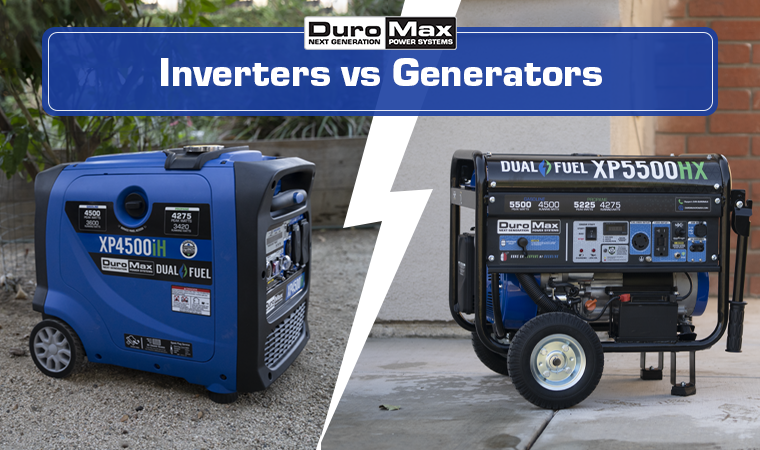
Credit: www.duromaxpower.com
Generator Basics
Generators play a vital role in providing power. They convert fuel into electricity. This process is essential during power outages or in remote areas.
Understanding how generators work helps in choosing the right one. They come in many sizes and types. Each type has its own features and benefits.
What Is A Generator?
A generator is a machine that creates electricity. It uses mechanical energy from fuel. Common fuels include gasoline, diesel, and propane.
Generators can be portable or stationary. Portable generators are easy to move. Stationary generators are fixed in one place.
How Does A Generator Work?
Generators work by spinning a coil of wire in a magnetic field. This movement creates electric current. The more fuel used, the more electricity generated.
They have parts like an engine, alternator, and fuel system. Each part plays a specific role in power production.
Types Of Generators
There are several types of generators. Each type suits different needs.
Portable generators are great for small tasks. They are perfect for camping or tailgating. In contrast, standby generators provide backup power for homes.
Inverter generators are quieter and more efficient. They produce clean power suitable for sensitive devices.
Uses Of Generators
Generators are useful in many situations. They provide power during outages. Many construction sites rely on them for electricity.
They are also common in outdoor events. Generators supply power for lights, music, and food trucks. This makes events enjoyable and convenient.
Power Inverter Essentials
A power inverter is a device that converts direct current (DC) into alternating current (AC). This process allows you to use battery power for regular household appliances. Understanding power inverters helps you choose the right one for your needs.
Power inverters come in different sizes and capacities. They can power small devices like phones or larger appliances like refrigerators. Knowing the capacity you need is essential for effective use.
What Is A Power Inverter?
A power inverter changes DC electricity into AC electricity. Most household devices run on AC power. Inverters allow you to use batteries for these devices.
Types Of Power Inverters
There are two main types of power inverters: modified sine wave and pure sine wave. Modified sine wave inverters are cheaper. They work well for simple devices.
Pure sine wave inverters are more expensive. They provide cleaner power. They are better for sensitive electronics.
How To Choose A Power Inverter
Choosing a power inverter involves considering wattage. Know the total wattage of devices you want to use. Add up their wattage to find the right inverter size.
Consider portability too. Smaller inverters are easier to carry. Larger inverters are better for home use.
Common Uses Of Power Inverters
Power inverters are popular for camping and road trips. They can power laptops and small fridges. Many people use them during power outages at home.
Inverters are also helpful for solar power systems. They convert energy from solar panels for home use.
Key Differences Between Generators And Inverters
Understanding the key differences between generators and inverters can help you make the right choice for your power needs. Each has its unique features and benefits, but knowing which one suits your lifestyle is crucial. Let’s break down the main distinctions.
Power Output And Capacity
Generators produce power by converting fuel into electricity. They can generate a substantial amount of power, making them suitable for heavy-duty applications like construction sites or backup power for homes during outages.
On the other hand, inverters convert stored energy from batteries into usable electricity. They’re more efficient for lower power needs, perfect for appliances like laptops and lights. Think about what you will be powering before making your choice.
Portability And Size
Generators tend to be heavier and bulkier. If you’re planning to use it for camping or outdoor activities, portability might be an issue.
Inverters are typically lightweight and compact. You can easily transport them in your car for road trips or keep them stored without taking up much space. Have you considered how often you’ll be moving your power source?
Noise Levels
Generators can be quite noisy, which can be a problem in residential areas or during quiet outdoor activities. The sound can be a real nuisance, especially if you’re trying to enjoy nature.
Inverters operate quietly, making them ideal for camping or peaceful gatherings. If noise is a concern for you, this could be a significant factor in your decision.
Fuel Source And Efficiency
Generators usually rely on gasoline, diesel, or propane. This can lead to ongoing fuel costs and the need for storage. Plus, you have to consider refueling during extended power outages.
Inverters run on batteries, which can be charged via solar panels or your home’s electricity. They are more energy-efficient, especially for small devices. Are you prepared for the maintenance that comes with a generator?
Cost Considerations
Generators generally have a higher upfront cost but may provide a better long-term investment for heavy users. They can power larger tools and appliances, which might save you money on hiring services.
Inverters are often more affordable and require less maintenance. If you primarily need power for small electronics, an inverter could be a wise choice. What’s your budget, and how often do you plan to use your power source?
Choosing between a generator and an inverter ultimately depends on your specific needs. Take the time to evaluate your power requirements, budget, and lifestyle. Making an informed decision will ensure you have the right power solution at your fingertips.
Energy Efficiency Comparison
Energy efficiency is crucial for any power source. It affects cost and environmental impact. Generators and power inverters serve different needs. Comparing their efficiency helps in making a smart choice.
Understanding Generators
Generators convert fuel into electricity. They use internal combustion engines. This process can waste energy. Most generators operate at about 70-90% efficiency. Fuel type affects this rate. Gasoline, diesel, and propane are common options.
Exploring Power Inverters
Power inverters convert DC to AC electricity. They draw power from batteries or solar panels. Inverters typically reach efficiencies of 85-95%. They waste less energy during conversion. This makes them suitable for renewable energy systems.
Fuel Consumption And Costs
Generators consume fuel continuously. This increases costs over time. Regular maintenance is also necessary. Inverters, on the other hand, depend on stored energy. They often reduce long-term energy costs.
Environmental Impact
Generators emit harmful gases. They contribute to air pollution. Inverters produce no emissions during operation. Using solar energy with inverters is cleaner. This reduces your carbon footprint significantly.
Noise Levels
Generators can be loud during operation. Noise can be a major concern. Inverters operate quietly. This makes them ideal for residential areas.
Conclusion On Energy Efficiency
Choosing between a generator and an inverter depends on needs. Generators provide high power but can waste energy. Inverters are more efficient and environmentally friendly. They are suitable for long-term use and lower costs.
Noise Levels And Environmental Impact
Noise and environmental effects matter when choosing between a generator and a power inverter. Many people want a quiet and eco-friendly option. Understanding the differences can help you make the right choice.
Noise Levels Of Generators
Generators are often loud. They produce a constant hum during operation. Typical noise levels range from 50 to 70 decibels. This can be disturbing, especially in quiet areas.
The noise can limit where you use a generator. Campgrounds and residential areas may have strict rules about noise. So, a loud generator can lead to complaints or fines.
Noise Levels Of Power Inverters
Power inverters are much quieter. They often run at 40 decibels or less. This makes them ideal for use in sensitive environments.
Inverters are perfect for camping or outdoor events. Their low noise allows for peaceful surroundings. You can enjoy nature without loud distractions.
Environmental Impact Of Generators
Generators can harm the environment. They often run on gasoline or diesel. These fuels produce carbon emissions and contribute to air pollution.
Some generators leak oil or fuel. This can contaminate soil and water. The impact can be serious, especially in natural areas.
Environmental Impact Of Power Inverters
Power inverters are generally cleaner. They use batteries or solar energy. This reduces carbon emissions significantly.
Using an inverter helps protect the environment. You contribute to cleaner air and a healthier planet. Choosing an eco-friendly option matters for future generations.
Cost And Maintenance Factors
Cost and maintenance are key factors for choosing between a generator and a power inverter. Understanding these elements helps in making the right choice. Both options have different financial and upkeep needs. Below, we break down these factors.
Initial Costs
Generators often have a higher upfront cost. They range from a few hundred to several thousand dollars. Inverters usually cost less. They start at around a few hundred dollars.
Fuel Costs
Generators require fuel like gas or diesel. This can lead to ongoing expenses. Inverters run on electricity, which may be cheaper. They do not need constant refueling.
Maintenance Requirements
Generators need regular maintenance. Oil changes and filter replacements are common. This can add to long-term costs. Inverters require less maintenance. They often just need cleanings.
Longevity And Durability
Generators can last many years with proper care. Some models can run for over 10,000 hours. Inverters may have shorter lifespans. They typically last around 2,000 to 5,000 hours.
Repair Costs
Repairing generators can be expensive. Parts may cost a lot and labor adds up. Inverters are usually easier to fix. Repair costs are often lower for inverters.
Suitability For Home Use
Choosing between a generator and a power inverter for home use is important. Each has its unique benefits. Understanding these can help you make the right choice.
Generators
Generators are great for larger power needs. They can handle heavy appliances. They are perfect during power outages. Many homes use them for backup power.
Generators run on fuel like gasoline or diesel. This means they can produce a lot of power quickly. However, they can be noisy. This can be an issue in quiet neighborhoods.
Power Inverters
Power inverters are quieter than generators. They convert DC power to AC power. This is useful for smaller devices. They work well with batteries, making them eco-friendly.
Inverters are ideal for light loads. They are perfect for computers, TVs, and lights. They are often used in RVs and during camping trips.
Cost Considerations
Generators usually cost more upfront. They also need fuel, which adds to ongoing costs. Maintenance can be more involved.
Power inverters are often cheaper to buy and run. They do not need fuel. This makes them a budget-friendly option.
Portability
Generators can be heavy and hard to move. They often need a dedicated space. Some models are portable, but they still weigh more.
Power inverters are lightweight and easy to transport. They can fit in small spaces. This makes them great for travel.
Portable Options For Outdoor Activities
Outdoor activities require reliable power sources. Campers, hikers, and tailgaters need energy for their gear. Two popular choices are generators and power inverters. Both have unique benefits and features. Understanding these can help you choose the right one for your adventure.
Generators For Camping
Generators are powerful and can run multiple devices. They are great for larger groups. Many models are portable and easy to transport. Look for lightweight options for easy carry.
Some generators are quiet. This feature is important for camping. It keeps the peace in nature. Always check the noise level before buying.
Power Inverters For Road Trips
Power inverters convert DC power to AC power. They are perfect for use in vehicles. You can plug them into your car’s cigarette lighter. They are compact and lightweight.
Inverters work well for small devices. They are ideal for charging phones and laptops. Choose an inverter that fits your needs.
Choosing The Right Option
Consider your power needs. How much energy do you require? Generators provide more power for multiple devices. Inverters are better for small electronics.
Think about your activities. Will you be camping or driving? Each option serves different purposes. Make your choice based on your outdoor plans.
Reliability During Power Outages
Power outages can disrupt daily life. Having a reliable backup power source is important. Generators and power inverters serve different needs. Each has unique benefits during outages.
Generators: The Traditional Choice
Generators provide strong, immediate power. They run on fuel like gasoline or propane. This makes them ideal for heavy loads. Many homes use them during long outages.
Generators can power essential appliances easily. Refrigerators, heaters, and lights stay on. They offer a reliable solution for larger energy needs.
Power Inverters: The Portable Option
Power inverters convert DC power to AC power. They usually draw power from batteries. This makes them a portable option for smaller devices.
Inverters are quiet and efficient. They are easy to transport and set up. Ideal for camping or short outages, they power laptops and phones.
Comparison Of Reliability
Generators are dependable for large power needs. They can run for hours or days. Fuel availability is key to their operation.
Power inverters depend on battery life. They work well for light usage. Their reliability drops as battery levels decrease.
In urban areas, generators often perform better. In rural settings, inverters may suffice. Understanding your power needs is essential.
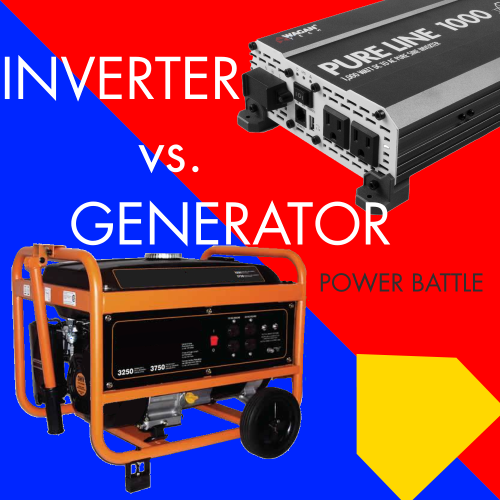
Credit: wagan.com
Choosing The Right Backup Solution
Choosing the right backup solution is important for every home. Generators and power inverters serve different needs. Understanding their features helps make a wise choice. Both options have unique benefits and downsides.
Understanding Your Power Needs
First, assess your power requirements. List devices you want to run during an outage. Consider their wattage. A generator can power heavy appliances. An inverter is suitable for smaller electronics.
Portability And Space
Think about where you will use the backup solution. Generators are often bulky and heavy. They need more space for storage. Inverters are usually lighter and more compact. They can fit in tight spaces.
Noise Levels
Noise can be a big factor. Generators tend to be loud. This can disturb neighbors or family. Inverters run quietly. They are ideal for camping or quiet areas.
Fuel Type And Availability
Consider the fuel type for each option. Generators often run on gasoline or diesel. This requires storage and can be a hassle. Inverters use batteries, which can be charged from various sources. They are easier to maintain.
Cost And Budget
Price is a key factor in your decision. Generators can be more expensive upfront. However, they provide more power. Inverters usually cost less but may have lower output. Compare features and choose what fits your budget.

Credit: www.solentpower.co.uk
Frequently Asked Questions
What Is The Main Difference Between A Generator And A Power Inverter?
Generators produce electricity from fuel, while inverters convert DC power to AC power.
Which Is Better For Home Use: Generator Or Inverter?
It depends on your needs. Generators offer more power; inverters are quieter and more efficient.
Can I Use An Inverter With A Generator?
Yes, you can use an inverter with a generator to supply clean power.
How Long Can A Generator Run Continuously?
Most generators can run for 8 to 12 hours, depending on fuel and load.
Are Power Inverters Safe For Electronics?
Yes, inverters provide stable power, making them safe for sensitive electronics.
What Fuel Do Generators Typically Use?
Generators usually run on gasoline, diesel, or propane.
Do Inverters Require Maintenance?
Inverters need less maintenance than generators, but regular checks are still good.
Can I Charge My Phone With A Power Inverter?
Yes, you can charge phones and other small devices using a power inverter.
Is A Generator Noisy?
Generators can be quite loud, while inverters operate quietly and discreetly.
What Size Generator Do I Need For My Home?
Size depends on your power needs. Calculate the wattage of essential appliances. “`
Conclusion
Choosing between a generator and a power inverter depends on your needs. Generators provide high power for heavy tasks. Power inverters are quiet and efficient for small devices. Think about what you use most. Consider fuel availability and noise levels, too.
Both options have pros and cons. Select what fits your lifestyle best. Understanding these differences helps you make a smart choice. Stay prepared for any situation with the right power source. Your comfort and needs matter most. Make an informed decision today.