
Are you curious about how wind and solar energy stack up against each other? You’re not alone.
As the world shifts towards cleaner energy sources, understanding the benefits and drawbacks of each can help you make informed choices. Both wind and solar energy have their unique strengths, but which one is the best fit for your needs?
We’ll break down the key differences, costs, and potential impacts on your life. By the end, you’ll have a clearer picture of how these two renewable energy sources can shape your future. Stick around to discover which option might be right for you!
Credit: www.greenmountainenergy.com
Wind Energy Basics
Understanding the basics of wind energy can help you appreciate its role in our renewable energy landscape. Wind energy harnesses the natural power of wind to generate electricity. This clean energy source is gaining traction as technology advances and the need for sustainable solutions grows.
What Is Wind Energy?
Wind energy is the process of converting wind’s kinetic energy into mechanical power or electricity. Wind turbines are the primary technology used for this conversion. These large structures consist of blades that rotate when wind passes over them, driving a generator that produces electricity.
How Do Wind Turbines Work?
Wind turbines operate on a straightforward principle. The wind turns the blades, which are connected to a rotor. This rotor spins a generator, creating electricity.
- Blades:Designed to catch the wind, they are crucial for capturing energy.
- Rotor:The component that spins, converting wind energy into rotational energy.
- Generator:Converts mechanical energy from the rotor into electrical energy.
Types Of Wind Turbines
Two main types of wind turbines exist: horizontal-axis and vertical-axis. Horizontal-axis turbines are the most common and typically have two or three blades. Vertical-axis turbines, while less common, can capture wind from any direction.
- Horizontal-axis turbines:More efficient and widely used.
- Vertical-axis turbines:Easier to maintain and can harness wind from any direction.
Benefits Of Wind Energy
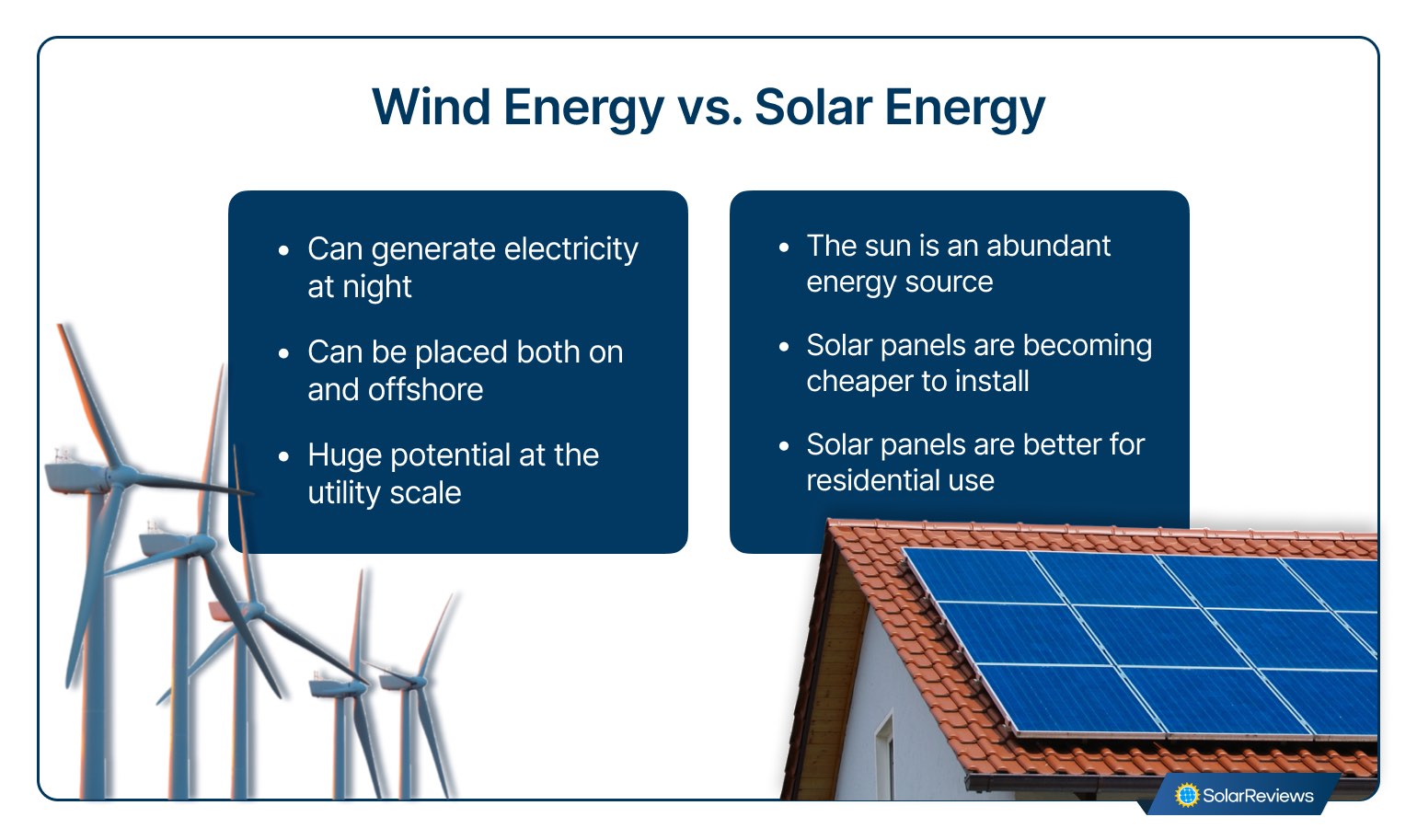
Wind energy offers numerous advantages. It is renewable, sustainable, and significantly reduces greenhouse gas emissions. Additionally, wind farms can be built on agricultural land, allowing for dual-use of space.
Have you ever stood near a wind turbine and felt the rush of air? That tangible energy is not just a feeling; it’s a glimpse into the future of energy production. By investing in wind energy, you can support a cleaner, more sustainable planet.
Solar Energy Essentials
Understanding solar energy is essential for anyone interested in sustainable living and renewable resources. This energy source harnesses sunlight to produce electricity, making it a clean and abundant option. You might be surprised to know that solar power can even reduce your electricity bills significantly.
How Solar Panels Work
Solar panels convert sunlight into electricity through a process called the photovoltaic effect. When sunlight hits the panels, it excites electrons in the material, generating a flow of electricity. This can be used immediately or stored for later use.
Curious about how this works in real life? I installed solar panels on my roof last year. Watching my energy meter run backward on sunny days was a thrilling experience!
Types Of Solar Energy Systems
- Grid-Tied Systems:These are connected to the electricity grid. You can draw power from the grid when your solar panels aren’t producing enough electricity.
- Off-Grid Systems:These operate independently from the grid. They’re ideal for remote locations but require battery storage for excess energy.
- Hybrid Systems:These combine both grid-tied and off-grid systems, offering flexibility and reliability.
Benefits Of Solar Energy
Solar energy offers numerous benefits that can enhance your lifestyle. First, it reduces your carbon footprint, helping combat climate change. Additionally, it can lead to substantial savings on your energy bills.
Consider this: many homeowners report saving thousands over the years. Wouldn’t it be great to invest that money elsewhere?
Challenges Of Solar Energy
While solar energy is promising, it comes with challenges. High initial costs can be a barrier for some. However, government incentives and financing options can make solar more accessible.
Weather variability also affects solar efficiency. Have you thought about how cloudy days impact your energy production?
Future Of Solar Energy
The future looks bright for solar energy. Innovations in technology promise to increase efficiency and lower costs. As more people adopt solar, the infrastructure around it will continue to improve.
What are your thoughts on the potential of solar energy in your community? Would you consider making the switch?
Cost Comparison
Understanding the costs of wind and solar energy is important. Both have different expenses and savings. This section breaks down the costs clearly.
Initial Setup Costs
Wind energy systems often require high initial investments. Installing a wind turbine can be costly. The price includes equipment and installation.
Solar panels also have setup costs. Buying and installing solar panels can add up. However, prices for solar have dropped in recent years.
Maintenance Costs
Maintenance for wind turbines can be expensive. Regular checks and repairs are necessary. Turbines may need servicing several times a year.
Solar panels generally have lower maintenance costs. They require less upkeep. Cleaning panels and occasional inspections are usually enough.
Long-term Savings
Wind energy can lead to significant savings over time. Lower electricity bills help reduce costs. Long-term contracts may also offer fixed rates.
Solar energy provides long-term savings as well. Homeowners can save on energy costs. Some may even sell excess energy back to the grid.
Government Incentives
Many governments support both energy types. They offer tax credits and rebates. This makes initial costs lower for both wind and solar.
Incentives can vary by location. Research local programs for the best options. These incentives can impact overall costs significantly.
Credit: www.solarreviews.com
Efficiency Factors
Understanding the efficiency factors of wind and solar energy can help you make informed choices about renewable energy sources. Both options harness natural elements to generate power, but their effectiveness can vary based on several factors. Let’s break down what affects their efficiency.
Wind Energy Efficiency
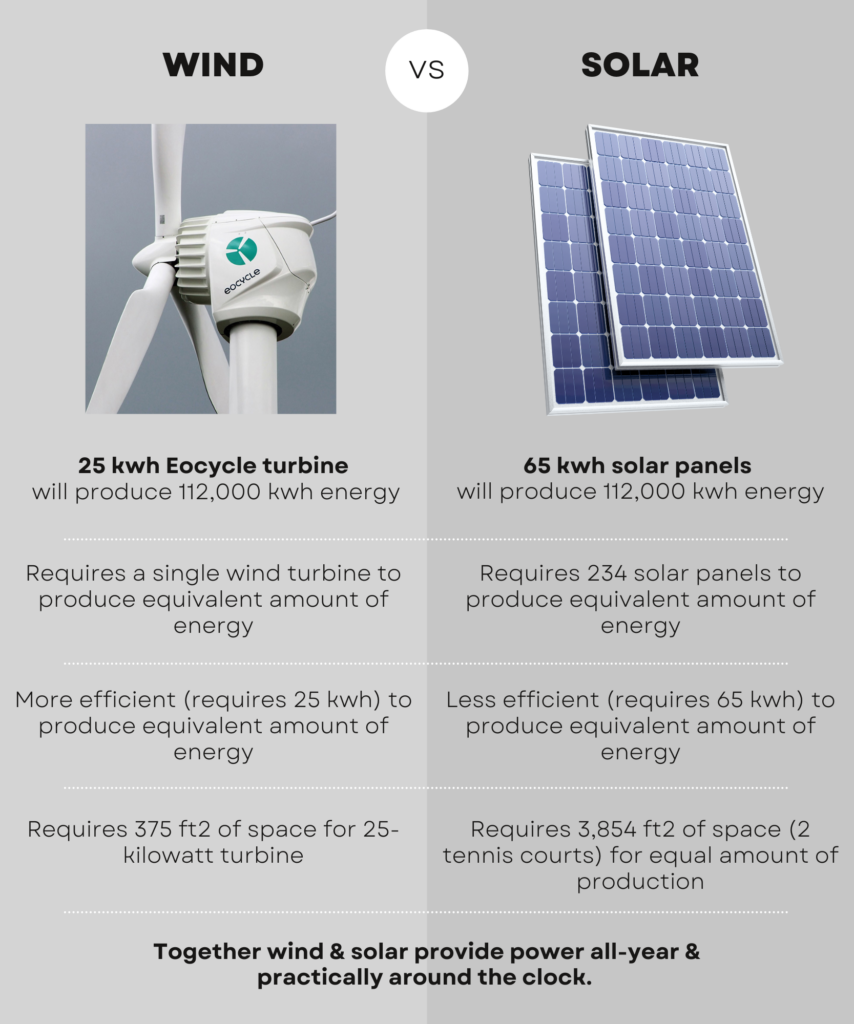
Wind energy efficiency is largely determined by wind speed and turbine design. Turbines work best in areas with consistent, strong winds. A wind turbine typically converts about 35% to 45% of wind energy into electricity.
Location plays a crucial role. Coastal areas and open plains often provide optimal conditions. Did you know that a single wind turbine can generate enough electricity to power about 500 homes?
Solar Energy Efficiency
Solar energy efficiency depends mainly on the type of solar panels used and the amount of sunlight received. Traditional solar panels convert around 15% to 20% of sunlight into electricity. More advanced panels can achieve efficiencies of over 22%.
Your location matters too. Regions with abundant sunshine, like the Southwest U.S., can yield more energy. Have you considered how shading from trees or buildings can impact your solar panel output?
Energy Storage Solutions
Energy storage can significantly affect the efficiency of both wind and solar energy. Wind can produce electricity even when demand is low, so storing that energy for later use is essential. Batteries and other storage solutions can help manage this supply.
For solar energy, battery storage allows you to use electricity generated during the day at night. Have you thought about how an efficient storage system could enhance your energy independence?
Maintenance is another factor influencing efficiency. Wind turbines require regular inspections and maintenance to operate at peak performance. Neglect can lead to reduced output and higher operational costs.
Solar panels also need upkeep, but they typically have fewer moving parts. Keeping them clean can improve their efficiency. Are you prepared to invest in the maintenance of your energy system?
Efficiency in wind and solar energy isn’t just about technology; it’s about location, maintenance, and storage solutions. Understanding these factors can help you maximize your investment in renewable energy. Which energy source aligns best with your needs and environment?
Environmental Impact
Wind and solar energy offer cleaner choices for our planet. They help reduce pollution and greenhouse gas emissions. Each energy source has its unique effects on the environment. Understanding these impacts is crucial for a better future.
Impact Of Wind Energy
Wind energy is renewable and sustainable. It generates electricity without burning fossil fuels. This means fewer harmful emissions. However, wind turbines can affect local wildlife. Birds and bats may collide with the blades. Proper site selection can help reduce these risks.
Wind farms require large areas of land. This can disrupt local ecosystems. Careful planning can minimize this disruption. Noise from turbines may also concern nearby residents. Understanding these factors is essential for balancing benefits and drawbacks.
Impact Of Solar Energy
Solar energy harnesses sunlight for power. It produces no emissions during operation. This makes it an eco-friendly option. Solar panels can be placed on rooftops, reducing land use. However, manufacturing panels can create waste and pollution.
Some solar farms require significant land. This can lead to habitat loss. Choosing locations wisely can help protect wildlife. Solar energy also depends on sunlight availability. Areas with less sun may not benefit as much.
Comparing The Two
Both wind and solar energy reduce our reliance on fossil fuels. Each has environmental pros and cons. Wind energy impacts wildlife, while solar energy can use land. The best choice depends on local conditions and needs.
Investing in either source supports cleaner air and a healthier planet. The focus should remain on sustainable practices. This ensures both wind and solar energy contribute positively to our environment.

Credit: www.weforum.org
Geographic Suitability
Geographic suitability plays a big role in choosing energy sources. Wind and solar energy depend on where they are used. Each has strengths based on location.
Wind Energy Locations
Wind energy works best in open areas. Places with strong, steady winds are ideal. Coastal regions and flat plains often have these conditions.
Mountains can also be good for wind farms. Wind can funnel through valleys, creating stronger gusts. This makes generating energy more efficient.
Solar Energy Locations
Solar energy needs sunlight to work. Areas with lots of sunny days are perfect. Deserts and regions near the equator get high amounts of sunlight.
Even places with less sun can use solar panels. They can still capture light on cloudy days. Urban areas can also benefit, especially with rooftops.
Comparing Wind And Solar Suitability
Both energy types have unique geographic needs. Wind energy thrives in windy locations. Solar energy shines in sunny areas.
Some locations may suit both. Coastal areas often have wind and sun. This gives a chance to use both energy sources effectively.
Scalability Challenges
Wind and solar energy both face unique scalability challenges. These challenges affect how quickly we can expand their use. Understanding these issues is important for energy planning.
Wind Energy Scalability Issues
Wind energy depends on wind speed and location. Not every area has strong winds. This limits where wind farms can be built. Building large wind farms requires significant land. Finding suitable land can be difficult.
Infrastructure also poses a challenge. Transporting energy from remote wind farms to cities is complex. The current grid may not support this. Upgrading the grid costs money and time.
Solar Energy Scalability Issues
Solar energy relies on sunlight. Weather and seasons affect solar output. Cloudy days reduce energy production. This inconsistency can limit solar’s effectiveness.
Space is another concern. Large solar farms need vast areas. Urban areas may not have enough space. Rooftop solar can help, but not everyone can install it.
Cost Factors In Scalability
Both wind and solar have high initial costs. Equipment and installation can be expensive. This can deter investment in new projects.
Government policies also impact costs. Incentives can help, but they vary by region. Uncertainty in policy can slow down project development.
Technological Limitations
Technology plays a key role in scalability. Wind turbines and solar panels need continuous improvement. Current technology may not meet future energy demands.
Energy storage is critical. Wind and solar energy production can be inconsistent. Better storage solutions are needed to capture excess energy.
Maintenance And Longevity
Understanding the maintenance and longevity of wind and solar energy systems is essential for anyone considering renewable energy options. Both technologies offer unique advantages and challenges that can impact their overall effectiveness and lifespan. Let’s break down what you need to know about maintaining these energy sources and how long you can expect them to last.
Maintenance Of Solar Energy Systems
Solar panels are generally low-maintenance. Routine cleaning is often all that’s needed to keep them functioning efficiently. Dust, debris, and snow can accumulate, blocking sunlight and reducing energy output.
- Regular inspections are advised, typically once or twice a year.
- Look for cracks or damage on the panels.
- Check the inverter, as it can fail and needs replacement every 5 to 10 years.
In my experience, I found that setting a reminder to clean the panels after heavy storms helped maintain their efficiency. Simple maintenance can prevent larger issues down the road.
Maintenance Of Wind Energy Systems
Wind turbines require more hands-on maintenance compared to solar panels. Regular checks are crucial to ensure everything is running smoothly. Components like bearings, gearboxes, and blades can wear out over time.
- Annual inspections are standard practice.
- Lubrication of moving parts is necessary to prevent wear and tear.
- Blade inspections should happen regularly to avoid costly repairs.
I once visited a wind farm where maintenance crews were busy inspecting turbine blades. They emphasized the importance of proactive maintenance to avoid downtime and maximize energy production.
Longevity Of Solar Panels
Solar panels typically last between 25 to 30 years. Most manufacturers offer warranties that guarantee at least 80% efficiency for 25 years. However, with proper care, many panels can exceed their expected lifespan.
Have you considered how much energy you can generate over those decades? The investment can pay off significantly in the long run.
Longevity Of Wind Turbines
Wind turbines usually have a lifespan of 20 to 25 years. With consistent maintenance, they can operate efficiently throughout their intended life. However, some components, like gearboxes, may need replacement sooner.
Understanding the lifespan of your investment is crucial. Are you prepared for the potential costs associated with maintaining a wind energy system?
Both solar and wind energy systems offer sustainable options for reducing your carbon footprint. Knowing how to care for and maintain these systems can enhance their longevity and efficiency, ensuring you get the most from your investment.
Energy Storage Needs
Wind and solar energy both play vital roles in energy storage needs. Each has unique strengths and challenges. Understanding their differences helps in choosing the best solution for sustainable energy.
Energy storage is a crucial aspect of both wind and solar energy systems. As these renewable sources depend on natural phenomena, their generation doesn’t always align with energy demand. Understanding how to store energy effectively can make or break your investment in renewables.
Understanding Energy Storage
Energy storage involves keeping excess energy produced during peak generation times for later use. This need arises because both wind and solar energy can be intermittent. You might generate more energy on a sunny or windy day than you need right away. The challenge is how to harness that energy for use when conditions aren’t ideal.
Types Of Energy Storage Solutions
Several energy storage solutions are available today. Here are a few popular options:
- Batteries:Lithium-ion batteries are commonly used for home energy storage. They can store energy during peak generation and release it when needed.
- Pumped Hydro Storage:This method uses excess energy to pump water uphill. When energy is needed, the water flows back down, generating electricity.
- Compressed Air Energy Storage:This technique compresses air in underground caverns. When energy is needed, the air is released to drive turbines.
Each of these solutions has its pros and cons. Your choice will depend on your specific energy needs, budget, and space.
Challenges Of Energy Storage
Energy storage is not without its challenges. First, the cost can be significant. High-quality battery systems can be expensive, but they often pay off in the long run. Second, you may face efficiency losses. Energy storage systems often convert energy, leading to some loss during the process. Do you have a backup plan for when your energy source is low?
The Future Of Energy Storage
Innovations in energy storage technology are on the rise. Researchers are exploring new materials and methods that promise higher efficiency and lower costs. As energy demands grow, the need for effective storage will become even more crucial. Investing in the right energy storage solution can ensure you maximize your renewable energy potential. Are you ready to take the next step in your energy journey?
Future Innovations
The future of energy is bright with wind and solar power. New ideas are emerging every day. These innovations can change how we generate and use energy. Let’s explore some exciting developments in both fields.
Smart Grid Technology
Smart grids help manage energy flow. They connect homes and businesses to power sources. Wind and solar energy can be stored and distributed better. This leads to fewer outages and greater efficiency.
Floating Solar Panels
Floating solar panels are a new trend. They sit on water bodies like lakes and reservoirs. This saves land space and reduces evaporation. This technology can also keep the panels cooler, improving their efficiency.
Vertical Axis Wind Turbines
Vertical axis wind turbines offer unique advantages. They can capture wind from any direction. This makes them ideal for urban areas. These turbines are quieter and safer for birds, too.
Energy Storage Solutions
Energy storage is key for both wind and solar power. New batteries can store energy more efficiently. This allows us to use energy even when the sun isn’t shining or the wind isn’t blowing. Better storage means more reliable energy.
Advanced Materials For Solar Cells
Scientists are developing better materials for solar cells. New technologies can increase energy conversion rates. This means more energy from less space. It could make solar panels cheaper and more effective.
Hybrid Energy Systems
Hybrid systems combine wind and solar power. This mix can provide consistent energy. During cloudy days or calm nights, one source can back up the other. These systems can enhance energy reliability.
Frequently Asked Questions
What Is The Main Difference Between Wind And Solar Energy?
Wind energy uses wind to generate electricity, while solar energy uses sunlight.
Which Is More Efficient, Wind Or Solar Energy?
Efficiency varies by location. Wind energy can be more efficient in windy areas.
How Do Wind Turbines Work?
Wind turbines convert wind’s kinetic energy into mechanical power, then into electricity.
What Are The Advantages Of Solar Energy?
Solar energy is abundant, renewable, and reduces electricity bills over time.
Is Wind Energy Reliable?
Wind energy is reliable in areas with consistent wind patterns, but not everywhere.
What Are The Costs Of Wind And Solar Energy?
Costs depend on installation and maintenance. Solar is often cheaper than wind.
Can I Use Both Wind And Solar Energy?
Yes, using both can provide a more stable energy supply.
What Are The Environmental Impacts Of Wind Energy?
Wind energy has low emissions but can affect local wildlife and landscapes.
How Much Space Do Wind Turbines Need?
Wind turbines need large spaces to operate efficiently, usually in open areas.
Are There Any Government Incentives For Solar Energy?
Many governments offer tax credits and rebates to encourage solar energy adoption. “`
Conclusion
Both wind and solar energy have their strengths. Wind energy works best in open areas with strong winds. Solar energy shines in sunny places. Each source has its costs and benefits. Choosing one depends on local needs and resources. People should consider both options for a cleaner future.
Investing in either can help reduce pollution. Every small step counts toward a sustainable world. Understanding these energies is key to making informed choices. The future of energy is bright with both wind and solar power.