
Adding an electric start to a generator lets you start it quickly with a switch or button.
I have installed and tested electric start systems on portable and standby generators for years. This guide explains why to add electric start to generator, the options available, step-by-step installation, parts, costs, safety tips, and real-world lessons. Read on to get clear, practical steps so you can decide, buy right parts, and complete the upgrade with confidence.

Why Add Electric Start To Generator?
Adding an electric start to generator removes the effort of repeated pull starts. It also speeds up emergency response and reduces wear on the recoil starter. For anyone who runs a generator often or relies on one for backup power, the convenience and reliability are real benefits.
- Reduces physical effort during startup.
- Improves start success in cold or low-battery conditions.
- Makes remote or unattended operation easier.

Types of Electric Start Solutions
There are several ways to add electric start to generator. Choose one that matches your generator’s size and use.
- OEM electric start systems. These are made by the generator manufacturer for specific models.
- Aftermarket electric start kits. These fit a range of engines and include starter, solenoid, and hardware.
- Remote start controllers. These add push-button start and can include automatic transfer features.
- Conversion to 12V starter motor. Common for small to mid-size portable generators.
Parts and Tools You Need
A clear parts list keeps the job smooth. Exact parts vary by kit, but common items include:
- Starter motor rated for your engine size.
- Starter solenoid or relay.
- 12V battery and battery tray or case.
- Wiring harness, fuses, and ring terminals.
- Ignition switch or push-button start.
- Mounting brackets and adapter plate (if required).
Tools you will need:
- Wrenches and sockets.
- Wire crimper and stripper.
- Drill and taps (if drilling new mounts).
- Multimeter for testing.

How to Prepare Before Installation
Good preparation prevents mistakes. Follow these steps before you start work.
- Read the generator manual and the kit instructions fully.
- Verify engine compatibility with the starter and flywheel engagement.
- Disconnect spark plug and battery before work.
- Plan wire routing to avoid heat and moving parts.
Step-by-Step Installation Guide
This general guide shows a typical process to add electric start to generator. Follow your kit's instructions for specifics.
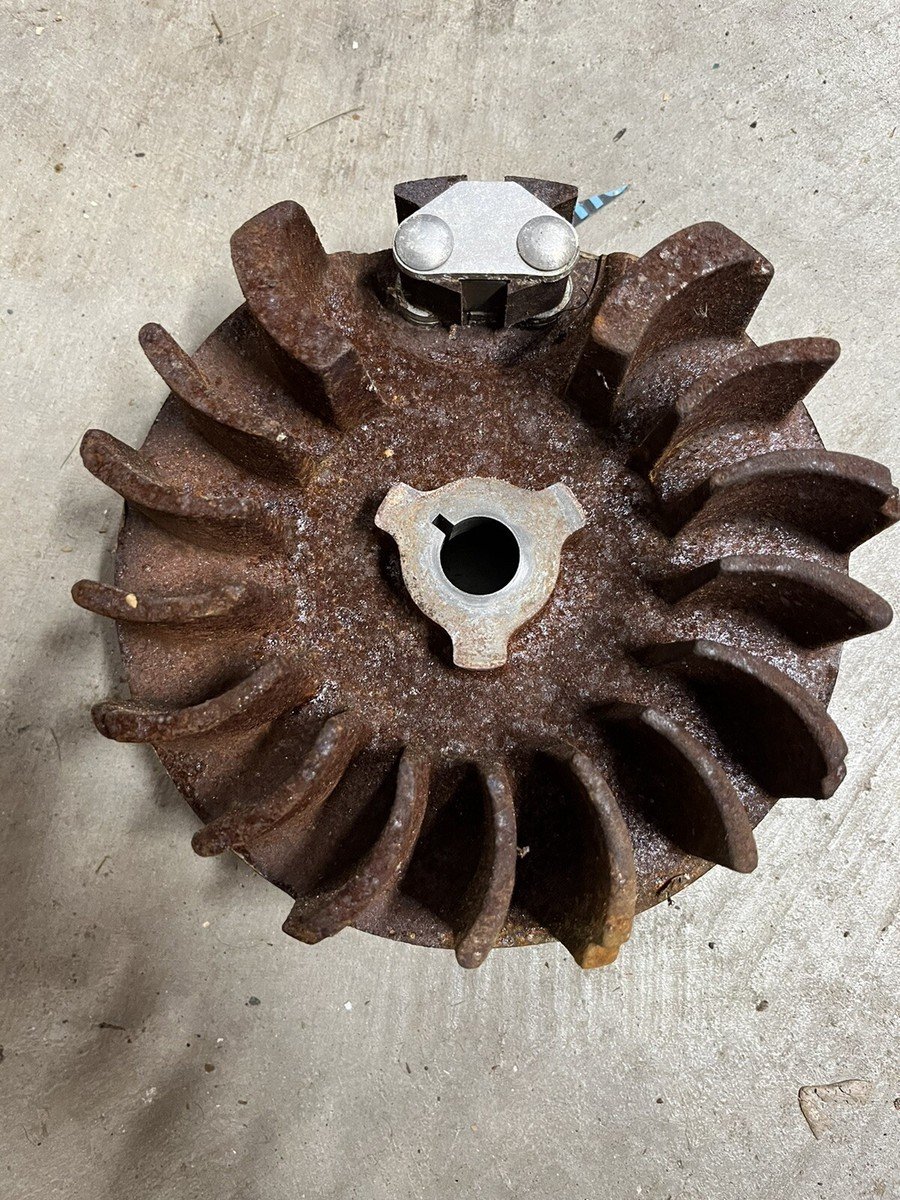
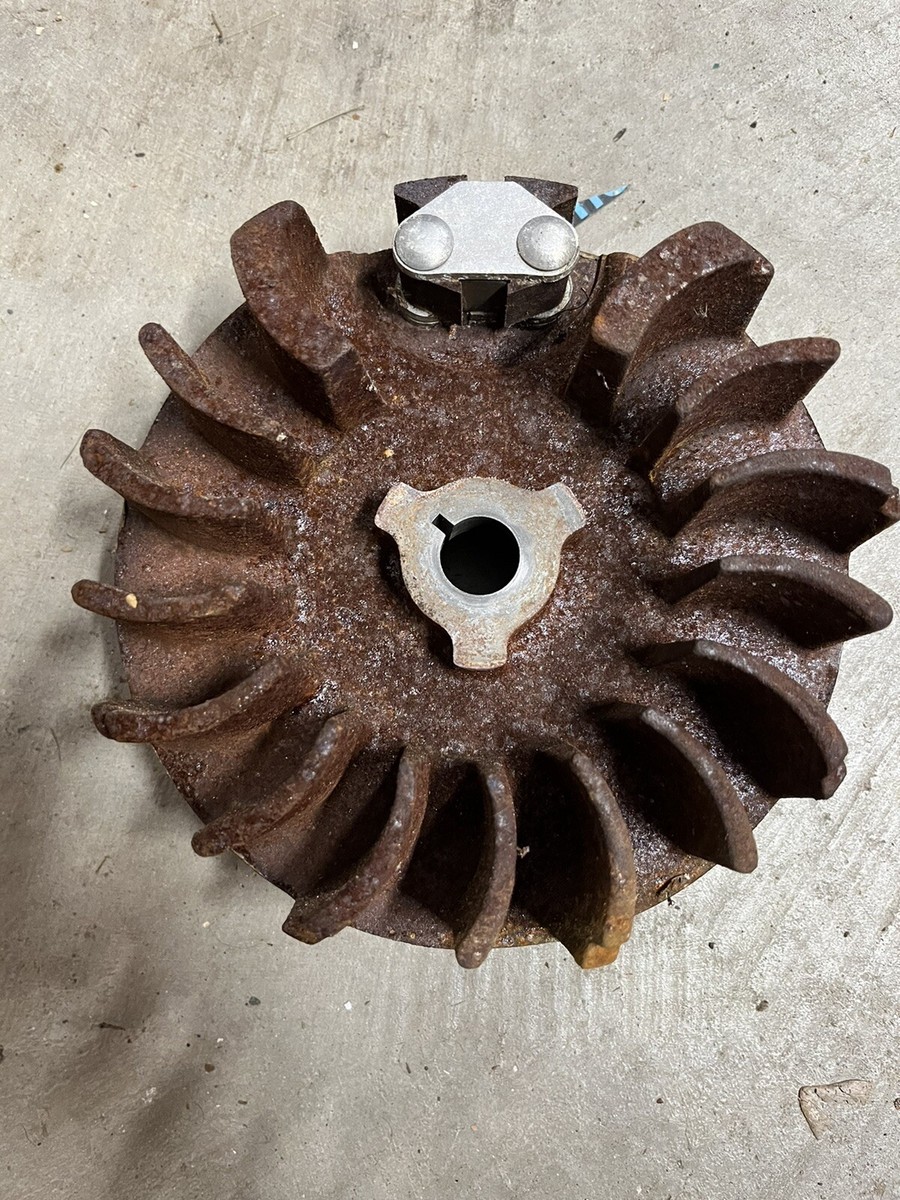
- Remove the recoil starter and inspect the flywheel.
- Fit the starter adapter plate to the engine if needed.
- Mount the starter motor so the gear meshes with the flywheel.
- Install the solenoid near the starter and run heavy-gauge cable between battery, solenoid, and starter.
- Mount the battery in a secure tray and connect ground to the engine/frame.
- Run control wiring from ignition switch or start button to the solenoid.
- Reconnect spark plug and perform a no-load test. Verify starter engagement and charge system.
- Check clearances and re-torque bolts after initial test run.

Electrical and Charging Considerations
Adding a starter requires a reliable 12V source. Think about battery charging and maintenance.
- Use a battery rated for engine cranking amps needed by the starter.
- Add an alternator or battery charging regulator if the generator does not charge the battery.
- Protect circuits with fuses sized for starter feed and accessory wiring.
- Use proper gauge cables: starter cables usually are 2–4 AWG for small engines and larger for big engines.

Cost, Benefits, and Limitations
Understand trade-offs before you add electric start to generator.
- Typical cost range: low-end kits $150–$400, OEM conversions $400–$1,000, plus battery and labor.
- Benefits: convenience, faster starts, less wear on recoil starter, better for remote starts.
- Limitations: added weight, additional maintenance for battery, higher upfront cost, possible need for structural changes.

Safety, Maintenance, and Troubleshooting
Safety is key when you add electric start to generator. Follow simple habits to reduce risk.
- Disconnect battery when performing maintenance.
- Inspect mounts and wiring regularly for wear or corrosion.
- Keep the battery charged and replace when capacity drops.
- Troubleshoot common issues: dead battery, bad solenoid, poor starter engagement, or blown fuses.

Personal Experience and Practical Tips
I converted two portable generators and one standby unit over a decade. These lessons cut my troubleshooting time.
- Always test starter alignment by hand-spinning the flywheel before power testing.
- Use a cranking amp meter when choosing a battery to match starter demand.
- Install a simple battery disconnect switch to avoid parasitic drain when stored.
- Label wires and take photos before disassembly to speed reassembly.
PAA-style Questions (Quick Answers)
How much does it cost to add electric start to generator?
Costs range from about $150 for a simple kit to $1,000 for OEM-style conversions, not counting labor.Can I add electric start to any generator?
Most small and mid-size engines can be converted, but compatibility must be checked for flywheel fit and mounting options.How long does installation take?
A DIY kit often takes 2–6 hours for a competent owner. Professional installation may be faster.Will adding a starter void my warranty?
Modifying a generator can affect warranty terms. Check the manufacturer's policy before altering the unit.Do I need a special battery for the starter?
Use a battery rated for cranking amps that match your starter. Deep-cycle batteries are not ideal for high cranking loads.
Frequently Asked Questions of Add Electric Start To Generator
What is the easiest way to add electric start to a generator?
The easiest route is an aftermarket bolt-on starter kit made for your engine model. These kits include starter, solenoid, and wiring with clear instructions.
Does adding electric start require engine modification?
Often only minor modifications are needed such as an adapter plate or mounting holes. Major engine changes are rare if you use a compatible kit.
Can the generator charge the starter battery?
Some generators have a charging output, but many small units do not. You may need to fit a dedicated charging regulator or alternator.
Is it safe to run the generator with the battery connected?
Yes, if wiring is correct and fuses are in place. Always secure the battery and follow safety checks before operation.
Will adding an electric start increase maintenance?
Yes, you add the battery and starter to the maintenance list. Regular battery checks and wiring inspections are needed.
Conclusion
Adding electric start to generator is a practical upgrade for convenience, reliability, and faster emergency response. With the right kit, tools, and safety checks, most owners can complete a conversion in a weekend. Take your time to verify compatibility, choose a quality battery and starter, and follow manufacturer guidance. Try the steps here, start small, and share your results or questions below to get tailored tips.