
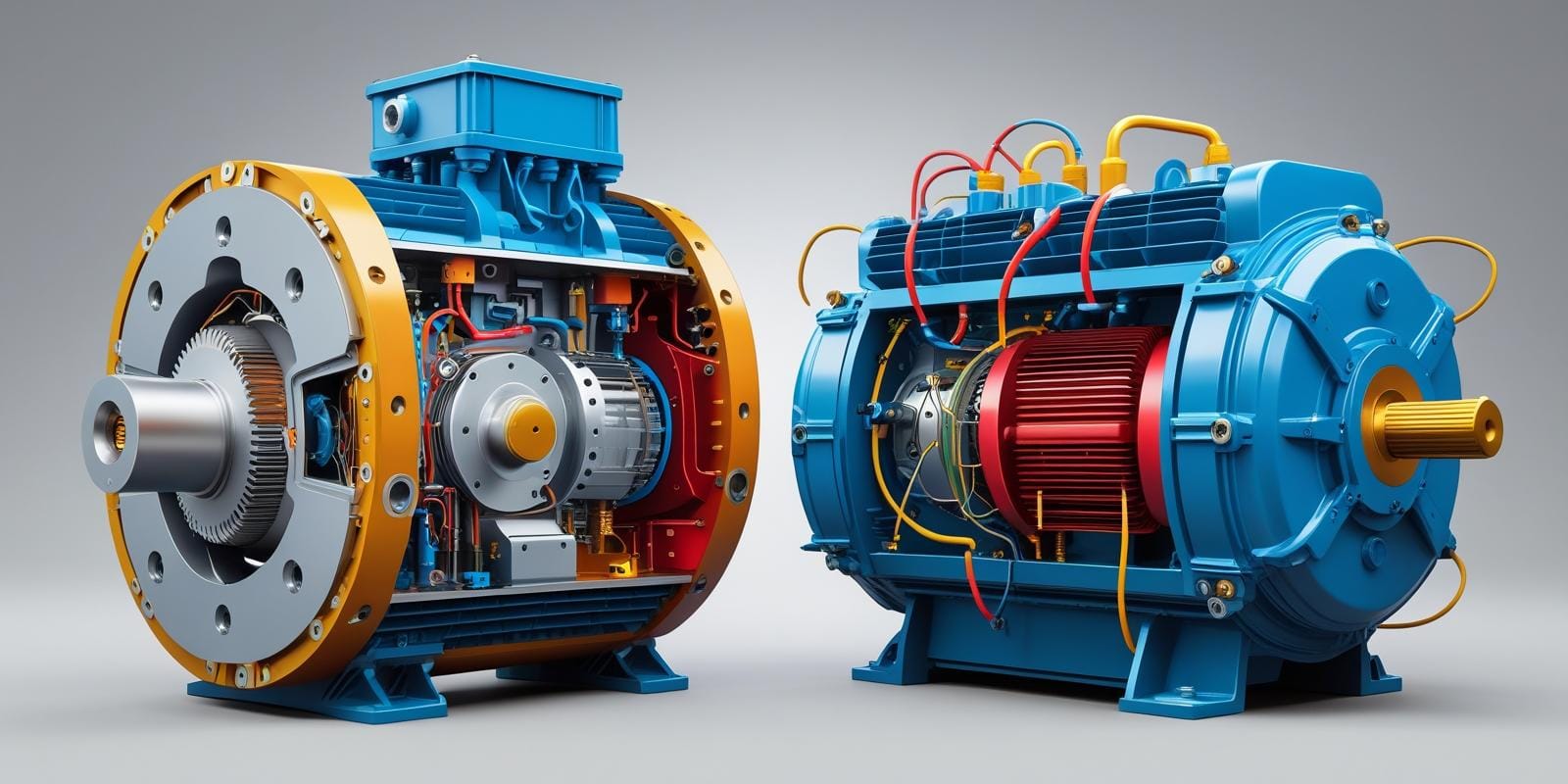
When it comes to understanding how energy works, two devices often come up: electric motors and generators. You might think they are the same, but they serve different purposes and operate in unique ways.
Knowing the differences can help you make informed decisions whether you’re working on a DIY project, upgrading your home, or just satisfying your curiosity. Have you ever wondered how your favorite gadgets get power or how renewable energy sources work?
This article will break down the key differences between electric motors and generators in simple terms. By the end, you’ll have a clearer picture of how these machines impact your daily life. Get ready to dive into the fascinating world of energy conversion and discover how these devices work for you!
How Electric Motors Work
Electric motors are vital machines. They convert electrical energy into mechanical energy. Understanding how they work helps us appreciate their role in daily life.
Basic Components Of Electric Motors
An electric motor has three main parts. These parts are the stator, rotor, and commutator. The stator is the stationary part. It creates a magnetic field. The rotor spins inside the stator. The commutator helps control the direction of current.
How Electricity Powers The Motor
Electricity flows into the motor. This flow creates a magnetic field. The interaction between the magnetic field and the rotor causes it to turn. This turning action creates movement.
Types Of Electric Motors
There are different types of electric motors. The most common are AC and DC motors. AC motors use alternating current. DC motors use direct current. Each type serves different purposes.
Applications Of Electric Motors
Electric motors are everywhere. They power household appliances, tools, and vehicles. They also drive industrial machines. Their efficiency makes them popular in many sectors.
Benefits Of Electric Motors
Electric motors are efficient and quiet. They require less maintenance than other machines. They also produce fewer emissions, making them environmentally friendly. This is important for a sustainable future.

Credit: www.youtube.com
How Generators Operate
Generators play a key role in producing electricity. They convert mechanical energy into electrical energy. This process happens through electromagnetic induction. Understanding how generators operate helps us appreciate their importance.
Basic Principle Of Operation
Generators work on a simple principle. They move a conductor through a magnetic field. This movement generates electric current. The faster the conductor moves, the more electricity it produces.
Main Components Of A Generator
A generator has several important parts. The rotor spins inside the generator. The stator surrounds the rotor. The rotor creates a magnetic field. The stator contains coils of wire. Together, they produce electricity.
The Role Of Mechanical Energy
Mechanical energy powers the generator. This energy often comes from engines or turbines. They provide the necessary motion. Without mechanical energy, a generator cannot produce electricity.
Types Of Generators
There are different types of generators. Some are powered by gasoline. Others use diesel or natural gas. Each type has its own advantages. They serve various needs in homes and industries.
Applications Of Generators
Generators have many uses. They provide backup power during outages. They supply electricity to remote locations. Construction sites often use generators for tools. Events and festivals rely on them for power.
Key Components Of Motors
Electric motors and generators play vital roles in energy conversion. Motors turn electrical energy into mechanical power, while generators do the opposite. Understanding their key components helps in grasping how they work and their applications in everyday life.
Understanding the key components of motors is essential for grasping how they function. Each part plays a vital role in converting electrical energy into mechanical energy. Let’s break down these components to see how they work together.
Stator
The stator is the stationary part of the motor. It consists of coils or windings that create a magnetic field when electricity flows through them. This magnetic field interacts with the rotor, which is crucial for the motor’s operation. You might think of the stator as the backbone of the motor. Without it, there would be no magnetic field to drive the rotor. It’s fascinating how a seemingly simple component can have such a significant impact.
Rotor
The rotor is the rotating part of the motor. It is typically made up of conductive materials, often aluminum or copper. As the magnetic field from the stator interacts with the rotor, it induces motion. Have you ever watched a motor spin? That motion you see is the rotor in action, translating electrical energy into mechanical energy. It’s a perfect example of how energy conversion occurs in real-time.
Commutator
The commutator is found in DC motors and is responsible for reversing the current direction in the rotor windings. This action ensures that the rotor continues to spin in the same direction. It plays a critical role in maintaining the motor’s efficiency. Think about it: without the commutator, the rotor would simply oscillate back and forth. You wouldn’t get the continuous motion that makes motors so valuable in our everyday lives.
Bearings
Bearings are essential for reducing friction between the rotating rotor and the stationary stator. They support the rotor and help it spin smoothly. High-quality bearings can significantly enhance a motor’s performance and lifespan. Have you ever noticed how some motors run quietly while others are noisy? The difference often comes down to the bearings. Investing in quality can save you time and money in the long run.
Power Supply
Every motor needs a power supply to function. This supply provides the electrical energy necessary for the motor to operate. Depending on the motor type, this could be AC or DC. Your choice of power supply can impact motor performance. Understanding the requirements of your specific motor will ensure you provide the right energy source. By familiarizing yourself with these key components, you can better appreciate how motors function. Each part plays a critical role in transforming electrical energy into the mechanical power we rely on daily. What component do you think is the most fascinating?
Core Parts Of Generators
The core parts of generators play a crucial role in converting mechanical energy into electrical energy. Understanding these components can help you appreciate how generators function and their importance in daily life. Let’s dive into the essential elements that make up a generator.
Stator
The stator is the stationary part of the generator. It contains coils of wire, which are crucial for generating electricity. When the rotor spins inside the stator, it induces an electric current through electromagnetic induction.
Rotor
The rotor is the rotating component of the generator. This part is connected to a mechanical source, such as a turbine or engine. As the rotor spins, it creates a magnetic field that interacts with the stator coils, producing electricity.
Exciter
The exciter provides the initial electrical current to the rotor. This component is essential for establishing the magnetic field necessary for electricity generation. Without the exciter, the generator would not start producing power.
Voltage Regulator
The voltage regulator controls the output voltage of the generator. It adjusts the excitation level based on the load demand. This ensures a steady supply of electricity without fluctuations that could damage your devices.
Cooling System
Generators generate heat during operation. A cooling system is vital to prevent overheating and ensure efficient performance. This may include air or liquid cooling methods to maintain optimal operating temperatures.
Frame
The frame houses all the generator components. It provides structural support and protection from environmental factors. A robust frame ensures durability and longevity, making it easier for you to rely on your generator for years.
Each of these core parts works together seamlessly to produce electricity. Understanding them can help you make informed decisions if you ever need to purchase or maintain a generator. What aspect of generator operation surprises you the most?
Energy Conversion Process
The energy conversion process is the heart of understanding how electric motors and generators operate. Both devices play crucial roles in transforming energy from one form to another, yet they do so in fundamentally different ways. Grasping this distinction can enhance your appreciation of how we harness and utilize energy in everyday life.
Electric Motor: Converting Electrical Energy To Mechanical Energy
An electric motor takes electrical energy from a power source and converts it into mechanical energy. This process allows you to enjoy the convenience of household appliances, like your blender or vacuum cleaner. The interaction between magnetic fields and electric currents produces motion, enabling the motor to perform work.
- Electrical energy enters the motor through wires.
- Magnetic fields are created inside the motor.
- These magnetic fields push and pull on components, causing rotation.
Ever noticed how smoothly your electric fan operates? The design of the motor efficiently transforms electrical energy into the mechanical energy required to spin the blades, providing you with a refreshing breeze.
Generator: Converting Mechanical Energy To Electrical Energy
A generator works in the opposite direction. It transforms mechanical energy into electrical energy. When you turn a crank, pedal a bike, or spin a turbine, the generator captures that motion and generates electricity.
- Mechanical energy is applied, often through movement like turning a shaft.
- This movement generates a magnetic field.
- The generator converts that mechanical energy back into electrical energy.
Have you ever used a hand-crank flashlight? That simple device relies on a generator. As you crank the handle, you’re converting your physical effort into light, showcasing the remarkable energy transformation process.
Comparing The Energy Conversion Processes
Understanding the differences between motors and generators can clarify how energy flows in our world. Motors take energy from your electrical outlet and use it to create movement, while generators take physical movement and convert it into electricity. This interplay is vital for everything from powering your home to generating electricity at a power plant.
What devices in your life rely on this fascinating energy conversion? Consider the impact of both technologies in your daily routines. Whether you’re powering up your laptop or enjoying a sunny day with solar panels, recognizing these processes can deepen your understanding of the energy landscape around you.
Power Source Differences
Electric motors and generators serve different purposes. Their power sources are also distinct. Understanding these differences is key to knowing how each device operates.
Electric Motor Power Source
An electric motor needs electricity to work. It converts electrical energy into mechanical energy. This energy moves parts to perform tasks. Motors typically use batteries or power from the grid. The flow of electricity creates motion.
Generator Power Source
Generators produce electricity. They convert mechanical energy into electrical energy. This process often uses fuel like gas or diesel. Some generators harness renewable sources, like wind or water. Generators create power from movement.
Energy Conversion
Electric motors and generators convert energy differently. Motors take in electricity to create motion. Generators take motion and turn it into electricity. This difference highlights their unique roles in energy use.
Applications Of Power Sources
Electric motors are common in household appliances. They power fans, washing machines, and tools. Generators are used in backup power systems. They supply electricity during outages or in remote areas.
Applications Of Motors
Electric motors play a vital role in countless applications across various industries. They convert electrical energy into mechanical energy, enabling machines and devices to perform tasks efficiently. Understanding where and how motors are used can help you appreciate their importance in daily life.
Industrial Applications
In manufacturing, electric motors drive conveyor belts, pumps, and machinery. These motors ensure smooth operations and boost productivity.
- Automated assembly lines
- Textile production machines
- Material handling equipment
Imagine a factory where motors power robotic arms. These arms assemble products with precision, reducing human error and speeding up production.
Transportation
Electric motors are essential in transportation systems. They power electric vehicles, trains, and even e-bikes.
- Electric cars like Tesla
- Trains for urban transit
- Electric scooters for short commutes
Have you ever thought about how quiet an electric car is compared to a traditional one? That’s the magic of electric motors at work, creating a more peaceful environment.
Household Appliances
Your home is filled with devices powered by electric motors. From washing machines to vacuum cleaners, these appliances make daily chores easier.
- Refrigerators
- Ceiling fans
- Microwaves
Consider how much time you save with a washing machine. Electric motors spin and agitate, freeing you to tackle other tasks.
Healthcare Devices
In healthcare, electric motors drive vital equipment. They operate machines that assist in patient care and diagnostics.
- Patient lifts
- Electric wheelchairs
- Medical imaging machines
Think about how electric wheelchairs enhance mobility for those with disabilities. These motors empower users, providing independence and comfort.
Agriculture
Motors also find their place in agriculture. They power irrigation systems and farming equipment, increasing efficiency.
- Automatic irrigation pumps
- Tractors and harvesters
- Greenhouse ventilation systems
What if you could optimize crop production with automated machinery? Electric motors make this possible, transforming farming practices.
Electric motors are everywhere, quietly working behind the scenes. Their diverse applications impact your daily life in ways you may not even realize. Take a moment to appreciate the efficiency they bring to the world around you.

Credit: www.electrical-1v.com
Uses Of Generators
Generators play a crucial role in our daily lives. They provide power when we need it most. From homes to businesses, generators are essential for various applications.
They help keep lights on during outages. They also support critical equipment in hospitals. Generators are vital for construction sites and outdoor events.
Backup Power Supply
Generators are often used as backup power sources. They kick in during power outages. This ensures that homes and businesses stay operational. Many people rely on generators to keep their fridges running. They also maintain heating and cooling systems.
Construction Sites
On construction sites, generators provide energy for tools. They power heavy machinery and equipment. Workers depend on generators to complete tasks efficiently. Without them, construction would come to a halt.
Outdoor Events
Outdoor events often lack access to electricity. Generators provide the necessary power for lights and sound systems. They help create a comfortable atmosphere for guests. Events like weddings and concerts benefit from generator use.
Emergency Services
Emergency services rely on generators during crises. They ensure that hospitals and fire stations can operate. Generators support emergency response systems. This helps save lives during disasters.
Remote Locations
In remote areas, generators are vital. They provide electricity where grid access is limited. Campers and off-grid homeowners use them for power. Generators enable modern living in isolated places.
Efficiency Comparison
The efficiency of electric motors and generators plays a crucial role in their performance and applications. Understanding how each device operates can help you make informed choices for your projects or energy needs. Let’s dive into the efficiency comparison of these two essential technologies.
Understanding Efficiency In Electric Motors
Electric motors convert electrical energy into mechanical energy. Their efficiency can range from 70% to over 95%, depending on the type and design. High-efficiency motors use advanced materials and designs to minimize energy losses.
- Types of Motors:AC motors, DC motors, and brushless motors each have different efficiency ratings.
- Load Conditions:Motors operate more efficiently at their rated load. Underloading or overloading can decrease efficiency.
- Maintenance:Regular maintenance can boost motor efficiency by ensuring all parts function optimally.
Efficiency In Generators
Generators perform the opposite function, converting mechanical energy into electrical energy. Their efficiency often lies between 85% and 95%. Factors such as design, load, and fuel type significantly impact their performance.
- Type of Generator:Diesel, gas, and renewable energy generators have varying efficiency levels based on their technology.
- Operating Conditions:Generators also perform best under specific load conditions. Running a generator at its optimum load maximizes efficiency.
- Fuel Quality:The quality of fuel used can affect the generator’s efficiency and longevity.
Comparing Efficiency: Motors Vs. Generators
While both motors and generators can be highly efficient, their purposes dictate their performance metrics. Motors generally achieve higher efficiency ratings under ideal conditions. Generators, however, may experience more variability due to external factors like fuel quality and load.
| Device | Typical Efficiency | Key Factors Affecting Efficiency |
|---|---|---|
| Electric Motor | 70% – 95% | Load, design, maintenance |
| Generator | 85% – 95% | Fuel type, load conditions, quality |
When deciding between an electric motor or a generator, consider your specific needs. Are you focused on energy savings? You might lean towards a high-efficiency motor. Do you need reliable power generation? Ensure you choose a generator that performs well under your expected conditions.
Your choice should reflect the efficiency requirements of your project. Are you maximizing your energy output? Understanding these efficiency metrics can lead to better performance and lower energy costs. What will your next project be? How will efficiency play a role in your decision-making?
Choosing Between Motor And Generator
Choosing between a motor and a generator can feel overwhelming. Each has its unique purpose, yet they are often confused with one another. Understanding their differences is crucial for making an informed decision that suits your needs.
Understanding The Basics
Motors convert electrical energy into mechanical energy. This process powers devices like fans, electric cars, and appliances.
Generators, on the other hand, do the opposite. They convert mechanical energy into electrical energy, which is essential for producing electricity in power plants or backup systems.
Assessing Your Needs
Think about what you want to achieve. Are you looking to power a device or generate electricity?
- If you need to drive a motorized tool or appliance, a motor is your best bet.
- For producing electricity, especially in off-grid scenarios, a generator is the way to go.
Your specific requirements will dictate your choice. Consider how often and where you plan to use the motor or generator.
Cost And Maintenance
Both motors and generators come with different cost structures. Motors typically have lower upfront costs but can incur higher energy bills.
Generators might require a larger initial investment but can save you money in the long run, especially if you often face power outages.
Don’t forget about maintenance. Motors generally need less upkeep compared to generators, which may require regular servicing to ensure they run smoothly.
Space And Portability
Where will you use your motor or generator? Motors are usually compact and easier to integrate into existing systems.
Generators can be bulky and require more space. If you’re considering a portable option, look for smaller, lightweight generators designed for mobility.
Final Thoughts
Are you ready to make a choice? Understanding the differences and assessing your specific needs will guide you in the right direction.
Investing time in this decision can save you money and hassle down the line. Take a moment to evaluate what works best for you, your lifestyle, and your projects.
Frequently Asked Questions
What Is The Main Difference Between An Electric Motor And A Generator?
Electric motors convert electrical energy into mechanical energy. Generators do the opposite.
How Do Electric Motors Work?
Electric motors use electricity to create magnetic fields. These fields move parts to produce motion.
How Do Generators Produce Electricity?
Generators convert mechanical energy into electrical energy using electromagnetic induction. They require a power source to operate.
Can A Motor Work As A Generator?
Yes, some motors can act as generators. This happens when they are turned by an external force.
What Are Common Uses For Electric Motors?
Electric motors are used in fans, pumps, and appliances. They power many everyday devices.
What Are Common Uses For Generators?
Generators provide power during outages, in remote areas, and at construction sites. They supply backup electricity.
Are Motors More Efficient Than Generators?
Motors and generators have different efficiencies depending on their design and use. Efficiency varies by application.
What Types Of Motors Exist?
Common types include AC motors, DC motors, and stepper motors. Each type has specific uses.
What Types Of Generators Are Available?
Types of generators include portable, standby, and inverter generators. Each serves different needs.
Which Is More Expensive, Motors Or Generators?
Costs vary based on size and type. Generally, generators can be more expensive than motors. “`
Conclusion
Electric motors and generators play vital roles in our daily lives. They convert energy in different ways. Understanding their differences helps in choosing the right one for your needs. Motors use electricity to create motion. Generators turn motion into electricity.
Each has unique advantages. Knowing these can guide your choices in technology and energy use. Choose wisely for better efficiency and performance. This knowledge empowers you to make informed decisions. Embrace the potential of electric motors and generators in your life.