

Have you ever wondered how plants transform sunlight into energy? The process of photosynthesis is nature’s remarkable way of capturing solar energy.
It’s not just a scientific phenomenon; it’s the foundation of life on Earth. By understanding how photosynthesis works, you can appreciate the vital role plants play in our ecosystem. You’ll discover the fascinating steps plants take to harness sunlight, the importance of this process for your daily life, and how it impacts the world around you.
Get ready to unlock the secrets of nature’s energy conversion and see how it affects everything from the air you breathe to the food on your plate. Let’s dive into the incredible world of photosynthesis!

Credit: www.sciencedirect.com
The Basics Of Photosynthesis
Photosynthesis is the process plants use to convert sunlight into energy. During this process, plants absorb solar energy through their leaves. This energy helps them turn carbon dioxide and water into glucose and oxygen, providing food and air for living things.
Photosynthesis is a fascinating process that enables plants to convert solar energy into chemical energy. This process not only sustains plant life but also plays a crucial role in supporting life on Earth. Understanding the basics of photosynthesis reveals how plants harness sunlight to produce food and oxygen, which are essential for all living beings.
The Role Of Chlorophyll
Chlorophyll is the green pigment found in plant leaves. It plays a key role in absorbing light energy, primarily from the sun. This pigment captures sunlight and converts it into energy, which is crucial for photosynthesis. Without chlorophyll, plants would struggle to harness solar energy effectively. Imagine walking through a lush green forest; the vibrant leaves are busy soaking up sunlight, creating energy that sustains the entire ecosystem.
Plants And Light Absorption
Plants absorb light mainly through their leaves. Different wavelengths of light are absorbed by chlorophyll, particularly blue and red light. This absorption is crucial for the energy transformation process. You might have noticed that some plants thrive better in bright sunlight while others prefer shade. This adaptation shows how plants optimize light absorption to meet their energy needs.
Key Reactants In The Process
Photosynthesis requires specific ingredients to take place. The main reactants are carbon dioxide and water. Plants take in carbon dioxide from the air through tiny openings in their leaves called stomata. Water is absorbed through the roots from the soil. These reactants combine with sunlight captured by chlorophyll to produce glucose and oxygen. Isn’t it incredible how these simple elements come together to sustain life? Understanding these fundamentals reveals the intricate connections between plants, energy, and the environment.
Credit: www.nature.com
The Light-dependent Reactions
Light-dependent reactions are the first stage of photosynthesis. They occur in the thylakoid membranes of chloroplasts. Here, sunlight is captured and converted into energy, helping plants produce oxygen and energy-rich compounds. This process is essential for life on Earth.
The light-dependent reactions are a fascinating part of photosynthesis that occur in the thylakoid membranes of plant cells. These reactions convert solar energy into chemical energy, setting the stage for the next phase of photosynthesis. Let’s break down how this process works.
Capturing Solar Energy
Plants capture sunlight using chlorophyll, the green pigment found in their leaves. This pigment absorbs light, primarily in the blue and red wavelengths. The absorbed energy excites electrons, initiating a chain reaction. This reaction takes place in photosystems I and II, where energy is converted into a usable form. Have you ever stood under a tree on a sunny day and felt the warmth of the sun? That warmth is a reminder of how plants harness solar energy to thrive.
Splitting Water Molecules
Water molecules play a crucial role in the light-dependent reactions. When sunlight hits the chlorophyll, it triggers the splitting of water molecules into oxygen, protons, and electrons. This process, called photolysis, releases oxygen as a byproduct, which is essential for life on Earth. It’s amazing to think that the air you breathe is partially a result of this reaction. Each breath contributes to a cycle that sustains life.
Generating Atp And Nadph
As the excited electrons move through the electron transport chain, they lose energy. This energy is harnessed to pump protons into the thylakoid space, creating a gradient. The flow of protons back into the stroma powers ATP synthase, producing ATP. Simultaneously, NADP+ combines with electrons to form NADPH, another energy carrier. These two molecules, ATP and NADPH, are crucial for the next stage of photosynthesis, where they help convert carbon dioxide into glucose. Have you ever wondered how plants create their food? The light-dependent reactions are the first step in that incredible process.
The Calvin Cycle
The Calvin Cycle is a key part of photosynthesis. It helps plants turn solar energy into chemical energy. Through this process, carbon dioxide is converted into glucose, which plants use for growth and energy. This cycle shows how essential sunlight is for life on Earth.
The Calvin Cycle is an essential part of photosynthesis that transforms solar energy into chemical energy. It takes place in the stroma of chloroplasts and plays a critical role in converting carbon dioxide from the atmosphere into glucose, which plants use for energy. Understanding this cycle can give you insight into how plants thrive and sustain life on Earth.
Carbon Fixation Process
During the carbon fixation process, carbon dioxide enters the plant through tiny openings called stomata. The enzyme RuBisCO captures carbon dioxide and attaches it to a five-carbon sugar, ribulose bisphosphate (RuBP). This reaction produces a six-carbon compound that quickly splits into two three-carbon molecules known as 3-phosphoglycerate (3-PGA). This step is crucial because it lays the groundwork for creating the glucose molecules that fuel plant growth. Have you ever thought about how often you breathe in carbon dioxide? Plants are tirelessly working to convert that gas into energy, which keeps our ecosystem balanced.
Building Glucose Molecules
The next phase of the Calvin Cycle involves transforming the 3-PGA molecules into glucose. ATP and NADPH, two energy-rich molecules generated during the light-dependent reactions of photosynthesis, provide the necessary energy for this process. Through a series of reactions, some of the three-carbon molecules are used to create glucose, while others are recycled to regenerate RuBP. Imagine that moment when you finally see a plant bloom after nurturing it—this cycle is what makes that possible. It’s fascinating to think about how energy from the sun is ultimately stored in the food we eat.
Energy Transfer In The Cycle
Energy transfer in the Calvin Cycle is a dynamic process. As ATP and NADPH are utilized, they release energy to facilitate the conversion of 3-PGA into glucose. The cycle continues to function as long as there is sufficient sunlight and carbon dioxide available. This energy exchange is a perfect example of how interconnected our world is. Each time you enjoy a meal, remember that it all started with sunlight and a plant’s ability to harness that energy. How does this knowledge change the way you view the plants around you? Understanding the Calvin Cycle not only sheds light on how plants grow but also emphasizes the importance of conserving our natural resources. By appreciating this cycle, you can better recognize the vital role plants play in our lives.
Credit: futureoflife.org
The Role Of Sunlight In Plant Growth
Sunlight is crucial for plant growth. Through photosynthesis, plants convert solar energy into food. This process helps them produce oxygen and grow strong. Without sunlight, plants cannot thrive.
Sunlight plays a crucial role in plant growth, acting as the primary energy source for photosynthesis. This fascinating process allows plants to convert solar energy into chemical energy, which they use to fuel their growth and development. Understanding how sunlight impacts plant growth can help you cultivate healthier plants, whether in your garden or indoors.
Converting Light To Chemical Energy
Plants capture sunlight using chlorophyll, the green pigment in their leaves. This pigment absorbs light, primarily in the blue and red wavelengths, and transforms it into chemical energy through photosynthesis. During this process, plants convert carbon dioxide from the air and water from the soil into glucose and oxygen. The glucose serves as an energy source, supporting various functions such as growth, reproduction, and repair. Have you ever noticed how your houseplants thrive near a sunny window? That’s because they are effectively converting sunlight into the energy they need to flourish.
Impact Of Light Intensity
Light intensity significantly affects how well plants grow. Insufficient light can lead to weak, leggy plants, while too much light can cause leaf burn. Each plant species has specific light requirements. For example, succulents thrive in bright, direct light, while ferns prefer lower light conditions. You might want to observe how your plants respond to different light levels. This can help you determine the best spots in your home or garden for optimal growth.
Importance Of Different Wavelengths
Not all light is created equal when it comes to plant growth. Different wavelengths of light impact various aspects of plant health. – Blue light promotes vegetative growth and strong stems. – Red light encourages flowering and fruiting. – Green light is less absorbed but helps in photosynthesis as it penetrates deeper into the leaf layers. Understanding these wavelengths can help you tailor your lighting setup, especially if you use grow lights indoors. Have you considered how adjusting the light spectrum could enhance your plants’ growth? By paying attention to sunlight and its role in plant growth, you can create a thriving environment for your green friends, ensuring they receive the energy they need to flourish.
Photosynthesis In The Global Ecosystem
Photosynthesis plays a vital role in our global ecosystem. It is the process where plants, algae, and some bacteria convert sunlight into energy. This energy supports life on Earth. It drives the growth of plants and provides food for many living beings. Understanding photosynthesis helps us grasp its importance in nature.
By producing oxygen and reducing carbon dioxide, photosynthesis helps maintain balance in our atmosphere. This process creates the foundation for food chains, supporting various organisms. Let’s explore how photosynthesis benefits our global ecosystem.
Oxygen Production For Life
One of the most crucial outcomes of photosynthesis is oxygen production. Plants absorb carbon dioxide from the air. They use sunlight to convert it into glucose and oxygen. This oxygen is released into the atmosphere. It is essential for the survival of most living organisms. Without oxygen, life as we know it would not exist.
Forests, oceans, and grasslands are significant oxygen producers. They contribute to a healthy atmosphere. Protecting these ecosystems is vital for sustaining life on Earth.
Carbon Dioxide Reduction
Photosynthesis helps reduce carbon dioxide levels in the atmosphere. Plants take in carbon dioxide during the day. They use it to create food and energy. This process lowers greenhouse gas concentrations. It helps combat climate change.
Healthy plant life can absorb large amounts of carbon dioxide. This absorption is crucial for a balanced environment. Protecting plants and forests plays a key role in maintaining this balance.
Energy Flow In Food Chains
Photosynthesis is the starting point of energy flow in food chains. Plants, known as producers, create their own food using sunlight. They serve as the primary energy source for herbivores. Herbivores, in turn, provide energy for carnivores. This flow of energy sustains ecosystems.
Without photosynthesis, food chains would collapse. Energy would lack a source, disrupting the balance of life. Understanding this flow highlights the importance of plants in ecosystems.
Advancements Inspired By Photosynthesis
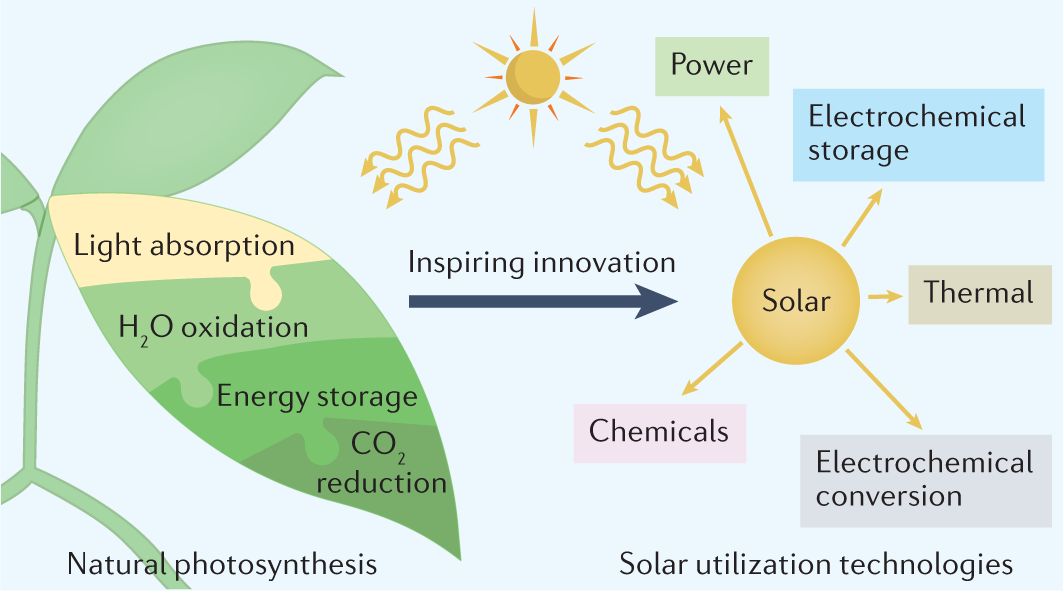
Photosynthesis uses sunlight to create energy. Plants absorb solar energy and convert it into food. This natural process inspires advancements in energy technology, showing us how to harness solar power efficiently. Understanding this can lead to new ways of using renewable energy for our needs.
Advancements inspired by photosynthesis have opened doors to innovative technologies and sustainable practices. This natural process, where plants convert sunlight into energy, serves as a blueprint for human ingenuity. By mimicking nature, researchers are developing solutions that not only harness solar energy efficiently but also address global energy challenges.
Artificial Photosynthesis Research
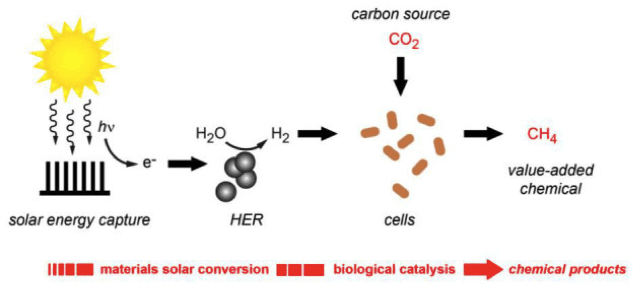
Artificial photosynthesis aims to replicate the natural process to create energy. Researchers are designing systems that use sunlight, water, and carbon dioxide to produce fuel. For example, scientists are developing catalysts that can convert solar energy into hydrogen. This hydrogen can then be used as a clean fuel source. The potential impact is enormous. If successful, this technology could provide an alternative to fossil fuels, reducing carbon emissions significantly.
Solar Energy Technologies
Solar energy technologies have evolved rapidly, inspired by the efficiency of photosynthesis. Solar panels, for instance, capture sunlight and convert it into electricity. But innovations don’t stop there. Concentrated solar power systems use mirrors to focus sunlight onto a small area, generating heat that drives turbines to produce electricity. Have you considered how these technologies could power your home? Investing in solar energy not only reduces your carbon footprint but also cuts down on energy costs over time.
Sustainable Energy Solutions
Sustainable energy solutions draw heavily from the principles of photosynthesis. Biofuels derived from plants are one such example. They offer a renewable energy source that can replace gasoline and diesel. Additionally, the concept of energy-efficient buildings is gaining traction. These structures maximize natural light and reduce energy consumption, much like how plants optimize sunlight for growth. Imagine living in a home that generates more energy than it consumes. This vision is becoming a reality, and it starts with understanding and applying the lessons of photosynthesis. By embracing these advancements, you can contribute to a greener planet while enjoying the benefits of innovative energy solutions.
Conclusion
Photosynthesis is vital for life on Earth. Plants use solar energy to make food. This process benefits not just plants but all living beings. Through photosynthesis, we get oxygen to breathe. Understanding this process helps us appreciate nature. Protecting our environment ensures healthy plants and clean air.
Knowledge of photosynthesis is essential for future generations. By valuing this natural process, we can work towards a sustainable world. Let’s cherish and support the green life around us.