
When the lights go out, having a generator can be a lifesaver. But how much does a generator cost for your home?
This question is crucial if you want to keep your family comfortable and safe during power outages. The price of a generator can vary widely based on different factors, including size, type, and features. Understanding these costs is essential for making an informed decision that fits your budget.
You might be surprised by the options available to you. We’ll break down the costs associated with home generators, helping you find the best choice for your needs. Read on to discover what you need to know before making your purchase. Your peace of mind is worth it.

Credit: realestate.usnews.com
Types Of Home Generators
Home generators come in different types. Each type serves a unique purpose. Understanding these types helps you choose the right one. Here are the main types of home generators.
Portable Generators
Portable generators are lightweight and easy to move. They are great for temporary power needs. Use them during outdoor activities or emergencies. Most models run on gasoline. They can power small appliances and tools.
Prices for portable generators vary. Expect to pay between $300 and $1,000. Factors include wattage and brand. Look for models with safety features. This adds peace of mind during use.
Standby Generators
Standby generators are fixed units. They automatically turn on during a power outage. These generators connect directly to your home’s electrical system. They run on natural gas or propane.
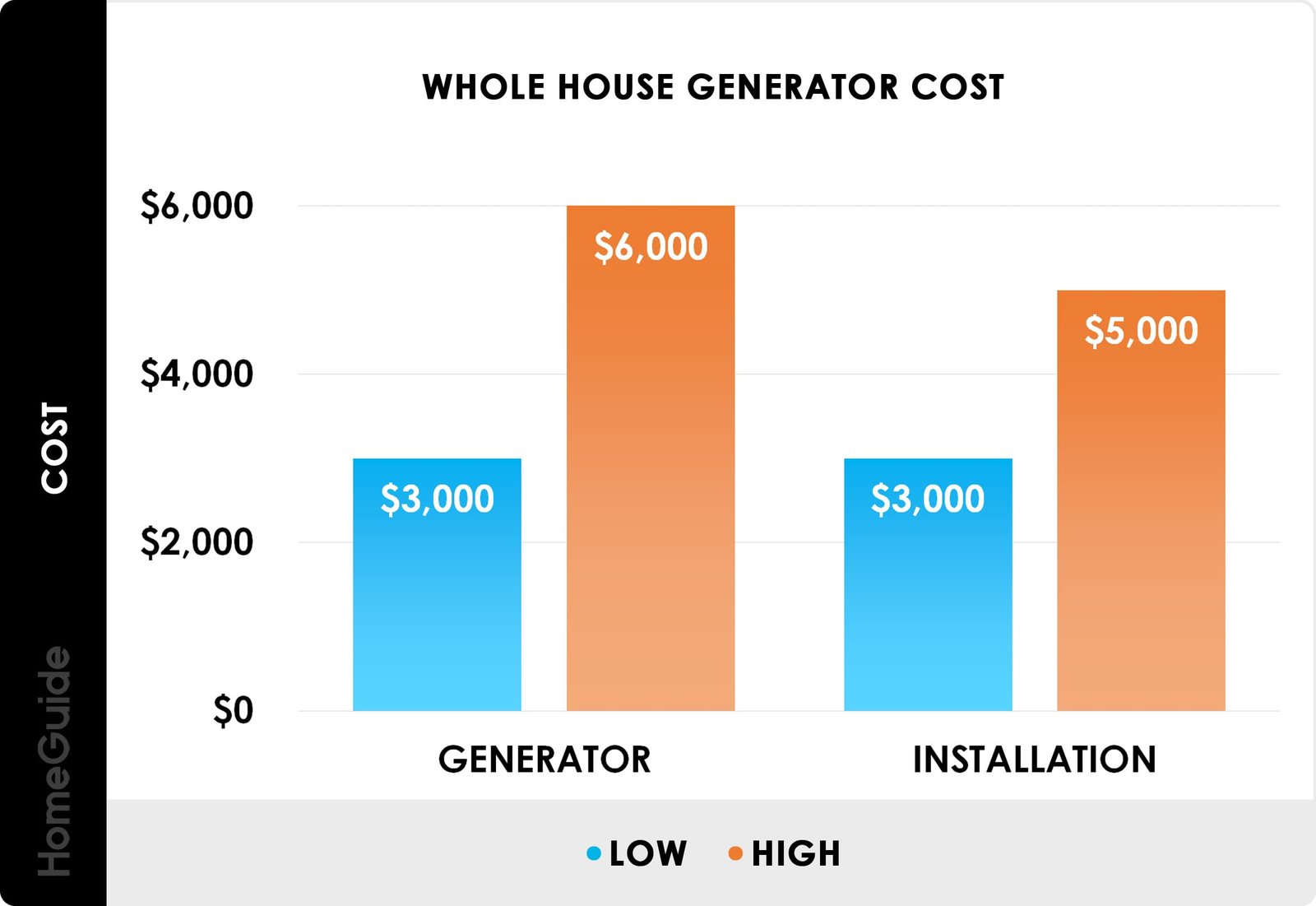
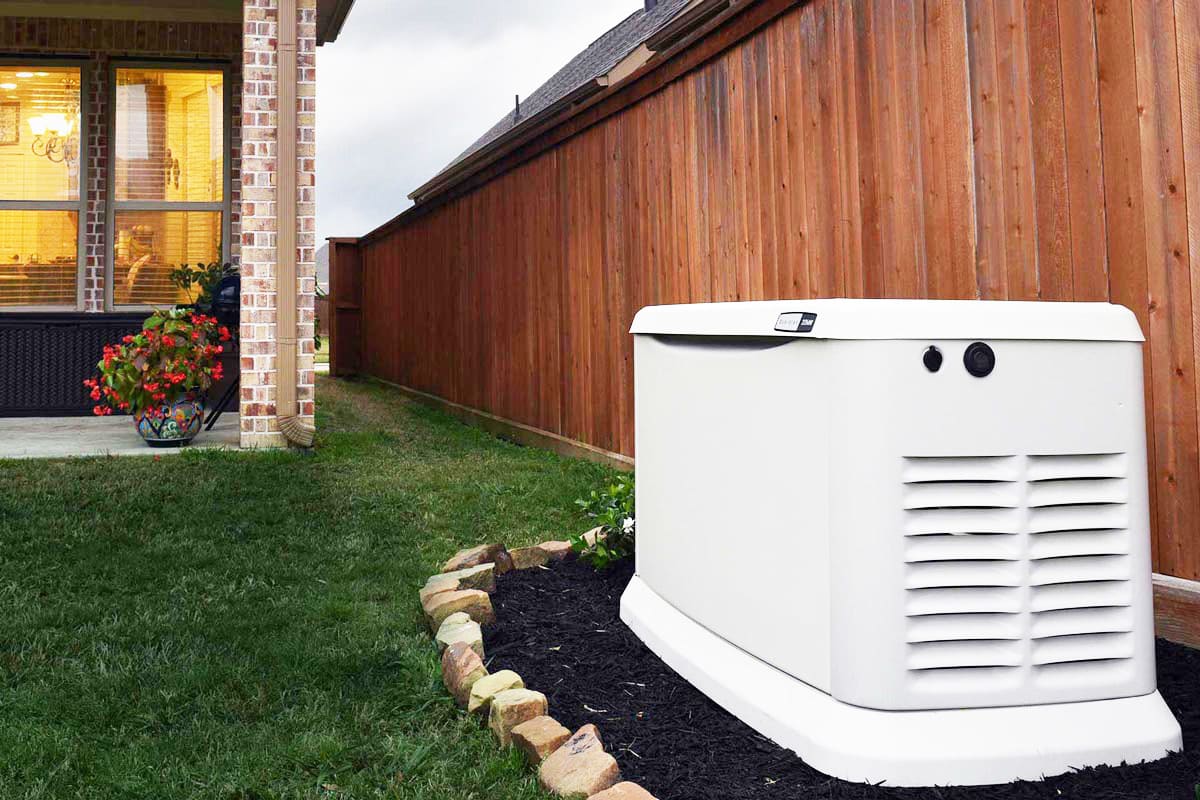
Standby generators offer more power. They can run your entire home. Prices range from $2,000 to $10,000. Installation costs add to this price. Professional installation ensures safety and efficiency.
Inverter Generators
Inverter generators are known for their quiet operation. They produce clean energy suitable for sensitive electronics. These generators adjust power output based on demand.
Inverter generators are portable too. They are ideal for camping or tailgating. Prices for inverter generators range from $500 to $3,000. Look for models with good fuel efficiency. This saves you money in the long run.
Factors Affecting Generator Costs
Generator costs for homes depend on several factors. These include the type of generator, its size, and the brand. Installation and maintenance also play a role in the overall price. Understanding these aspects can help you estimate the total cost effectively.
Understanding the factors that affect generator costs is essential for making an informed purchase. Generators can vary widely in price based on several key elements. Let’s break these down to help you find the best option for your home needs.
Power Output
Power output is a primary factor in determining the cost of a generator. Generators are rated by the amount of electricity they can produce, typically measured in watts. For a small home, a generator that produces around 5,000 to 7,500 watts might suffice, costing between $500 to $1,000. If you have larger energy needs, like running multiple appliances or a central heating system, you might require 10,000 watts or more, leading to a cost of $1,500 or higher. Consider your power requirements carefully. What will you need to run during an outage?
Fuel Type
The type of fuel your generator uses significantly impacts its cost and operating efficiency. Common fuel types include gasoline, propane, and diesel. Gasoline generators are often the least expensive to purchase, but they can be more costly to operate over time due to fuel prices and availability. Propane and diesel generators might have a higher upfront cost but can offer better fuel efficiency and longer run times. Which fuel type aligns best with your lifestyle and budget?
Brand And Quality
Brand reputation and quality also play a crucial role in the cost of generators. Well-known brands like Honda and Generac often come with a higher price tag, but they also offer reliability and warranty options that can save you money in the long run. Investing in a high-quality generator can prevent future repair costs and ensure peace of mind during outages. Are you willing to pay more for a brand you trust?
Additional Features
Additional features can enhance your generator experience but also add to the cost. Some generators come with advanced technology such as automatic start, remote monitoring, or quiet operation. While these features can improve convenience and efficiency, they can also raise the price significantly. Evaluate what features are truly necessary for your home. What would make your life easier during a power outage?
Understanding these factors will help you make a more informed decision when purchasing a generator for your home. Take the time to assess your specific needs, and you’ll find a generator that fits both your budget and your lifestyle.
Price Range For Home Generators
Choosing a generator for your home involves understanding costs. Prices can vary widely based on size, features, and brand. It’s essential to find a generator that fits your budget and needs. Let’s break down the price range into three categories: low-cost options, mid-range models, and premium generators.
Low-cost Options
Low-cost generators start around $200 to $500. These models are often portable and suitable for small tasks. They can power basic appliances during an outage. Look for units with a lower wattage output. These generators are ideal for occasional use. They may not last long under heavy loads.
Mid-range Models
Mid-range generators usually cost between $600 and $1,500. They offer more power and features. Many can run several appliances at once. Some have automatic start systems. These models are good for regular home use. They balance affordability and performance well.
Premium Generators
Premium generators can range from $1,600 to $5,000 or more. These units provide high wattage and advanced features. They often include automatic transfer switches. Many are designed for whole-house backup. Premium models are built for reliability and longevity. They are perfect for those who want peace of mind.
Installation And Maintenance Costs
Understanding installation and maintenance costs is important for homeowners. These costs can vary widely. Knowing what to expect helps in budgeting for a generator.
Professional Installation
Hiring a professional is essential for safe installation. Costs vary based on location and complexity. On average, installation can range from $500 to $2,000. This cost includes labor and materials. A licensed electrician ensures proper setup and compliance with local codes.
Some homeowners may choose DIY installation. This can save money. However, it risks safety and potential damage. It is wise to weigh the pros and cons before deciding.
Routine Maintenance Expenses
Routine maintenance keeps your generator in good shape. Basic maintenance costs around $100 to $300 per year. This includes oil changes, filter replacements, and battery checks. Regular service can prevent costly repairs in the future.
Some owners may choose to handle maintenance themselves. This can cut costs. However, proper knowledge is crucial for effective upkeep.
Long-term Operating Costs
Operating a generator involves fuel costs. Depending on usage, fuel expenses can range from $50 to $150 monthly. This varies based on the fuel type and local prices. Regular use increases overall costs.
Consider other factors too. Generators may need repairs after heavy use. Budget for unexpected repairs to avoid surprises. Overall, understanding these costs helps in making informed decisions.
Tips To Save Money On Generators
Buying a generator can be expensive. Finding ways to save money is important. Here are some tips to help you cut costs.
Buying During Sales
Timing your purchase can lead to big savings. Look for sales events during holidays. Retailers often offer discounts during Black Friday or Labor Day.
Check local stores and online platforms. Compare prices to find the best deal. Sign up for newsletters to get alerts on sales.
Considering Used Models
Buying a used generator can save you money. Many used models are still in great condition. Check online marketplaces or local classifieds.
Inspect the generator before buying. Ask about its history and usage. A little research can lead to a reliable unit at a lower price.
Choosing Energy-efficient Options
Energy-efficient generators cost less to run. They use less fuel and save you money long-term. Look for models with high energy ratings.
Consider inverter generators. They are quieter and more efficient. This choice can lead to lower energy bills.

Credit: buckeyepowersystems.com
Benefits Of Investing In A Generator
Investing in a generator brings many advantages for homeowners. These devices provide reliable power during outages. This can help protect your home and family. Let’s explore the key benefits of having a generator.
Reliable Backup Power
A generator offers dependable power when the grid fails. It keeps essential appliances running. Refrigerators, heaters, and lights stay on. This is crucial during storms or other emergencies. You won’t have to worry about food spoiling or being left in the dark.
Generators can power your entire home or just key areas. You can choose the size that fits your needs. This flexibility ensures you stay comfortable during outages.
Increased Home Value
Having a generator can increase your home’s value. Many buyers see it as a valuable feature. It shows that your home is prepared for emergencies. This can make your property more attractive in the market.
Investing in a generator may offer a good return on investment. Homeowners often prefer homes with backup power options. It provides security and convenience that many seek.
Peace Of Mind During Outages
Generators provide peace of mind during power outages. Knowing you have backup power reduces stress. You can focus on your family and safety instead of worrying about electricity.
With a generator, you can maintain your daily routine. Work from home or enjoy family time without interruption. This sense of normalcy is important during uncertain times.
Credit: homeguide.com
Frequently Asked Questions
How Much Does A Home Generator Cost?
The cost of a home generator varies widely. Basic portable generators start around $200. Standby generators, which are more powerful, can range from $2,000 to $20,000. Installation costs can add an additional $500 to $2,000, depending on your setup and local regulations.
What Factors Affect Generator Pricing?
Several factors influence generator pricing. These include the generator type, power output, fuel type, and brand. Additional features, such as automatic start and noise levels, also contribute to the overall cost. Installation complexity can further increase expenses.
Are There Financing Options For Generators?
Yes, many retailers offer financing options for generators. Home improvement stores and specialized generator dealers may have payment plans. Additionally, some manufacturers provide financing through third-party companies. Always compare interest rates and terms before committing.
How Long Do Generators Typically Last?
The lifespan of a generator depends on usage and maintenance. Portable generators can last 10 to 15 years with proper care. Standby generators generally have a lifespan of 20 to 30 years. Regular maintenance can significantly extend their operational life.
Conclusion
Choosing a generator for your home involves several factors. Understand your power needs first. Then, consider your budget. Prices vary based on size and features. Think about long-term costs too. Look at fuel types and maintenance needs. Research different brands to find quality options.
By gathering information, you can make a smart choice. A generator can provide comfort during outages. Make sure it fits your lifestyle and home. With careful planning, you’ll find the right generator for your needs.