Are you considering a generator for your home? If so, you’re likely wondering, “How much does a generator cost for a house?” This question is crucial for planning your budget and ensuring you have reliable power when you need it most.
The truth is, the cost can vary significantly based on several factors, including the type and size of the generator, installation expenses, and maintenance needs. We’ll break down everything you need to know about generator costs, helping you make an informed decision.
By the end, you’ll have a clear understanding of what to expect and how to choose the right generator for your home. Let’s dive in!
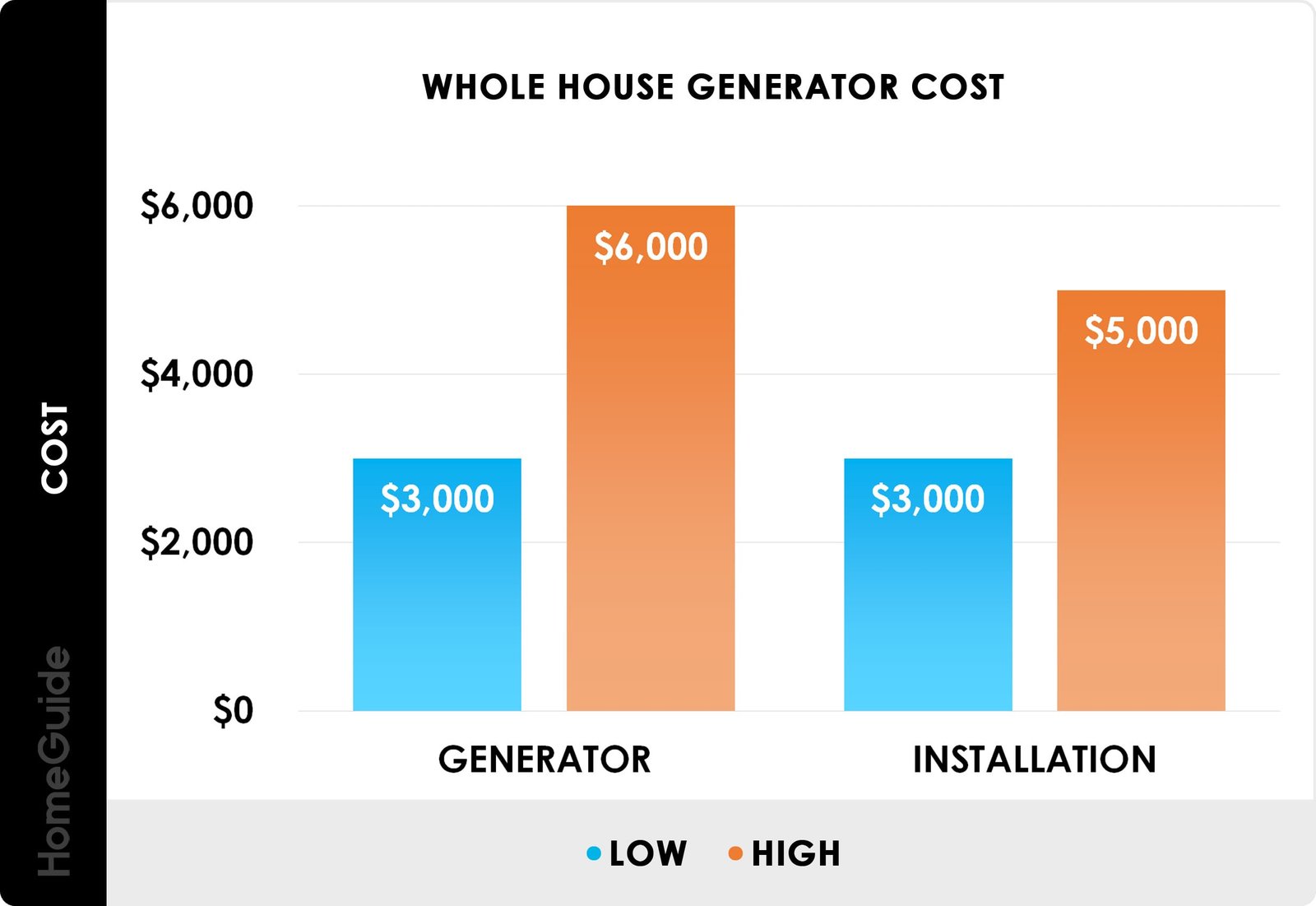
Credit: homeguide.com
Factors Affecting Generator Costs
Understanding generator costs is crucial for homeowners. Several factors influence the price. Knowing these can help you make a better choice.
Size And Power Output
The size of the generator matters. Smaller units cost less. They provide limited power. Larger generators offer more output. They can handle bigger loads. This increases the price. Consider your power needs carefully.
Fuel Type And Efficiency
Generators use different fuel types. Common options include gasoline, propane, and diesel. Each fuel type affects cost. Gasoline generators are usually cheaper. Diesel generators often last longer. Efficiency also plays a role. More efficient generators save fuel. This can lower long-term costs.
Brand Reputation
Brand reputation impacts generator costs. Well-known brands often charge more. They provide better quality and support. Lesser-known brands may be cheaper. However, they might not last as long. Research brands before making a decision.
Installation Expenses
Installation costs can add to the total. Professional installation is often recommended. It ensures safety and proper function. Costs vary based on location. Some areas charge more for labor. Factor in installation when budgeting.
Types Of Generators For Homes
Generators for homes come in various types, including portable and standby models. Costs vary based on power needs and features. Understanding these options helps in choosing the right generator for your house.
Choosing the right generator for your home is crucial for ensuring you have a reliable power source when needed. With various types available, each comes with its own advantages and costs. Let’s break down the three main types of generators you might consider: portable, standby, and inverter generators.Portable Generators
Portable generators are the most versatile option. They are lightweight and easy to move, making them ideal for various situations, from camping trips to home emergencies. You can expect to pay between $400 and $1,500 for a good quality portable generator. Key features include: – Fuel Type: Most run on gasoline, but some models use propane or dual fuel. – Power Output: Typically ranges from 1,000 to 7,500 watts. – Run Time: On average, they can run for 8 to 12 hours on a full tank. Have you considered how often you might actually need to use a portable generator? Its flexibility could be a game-changer for your lifestyle.Standby Generators
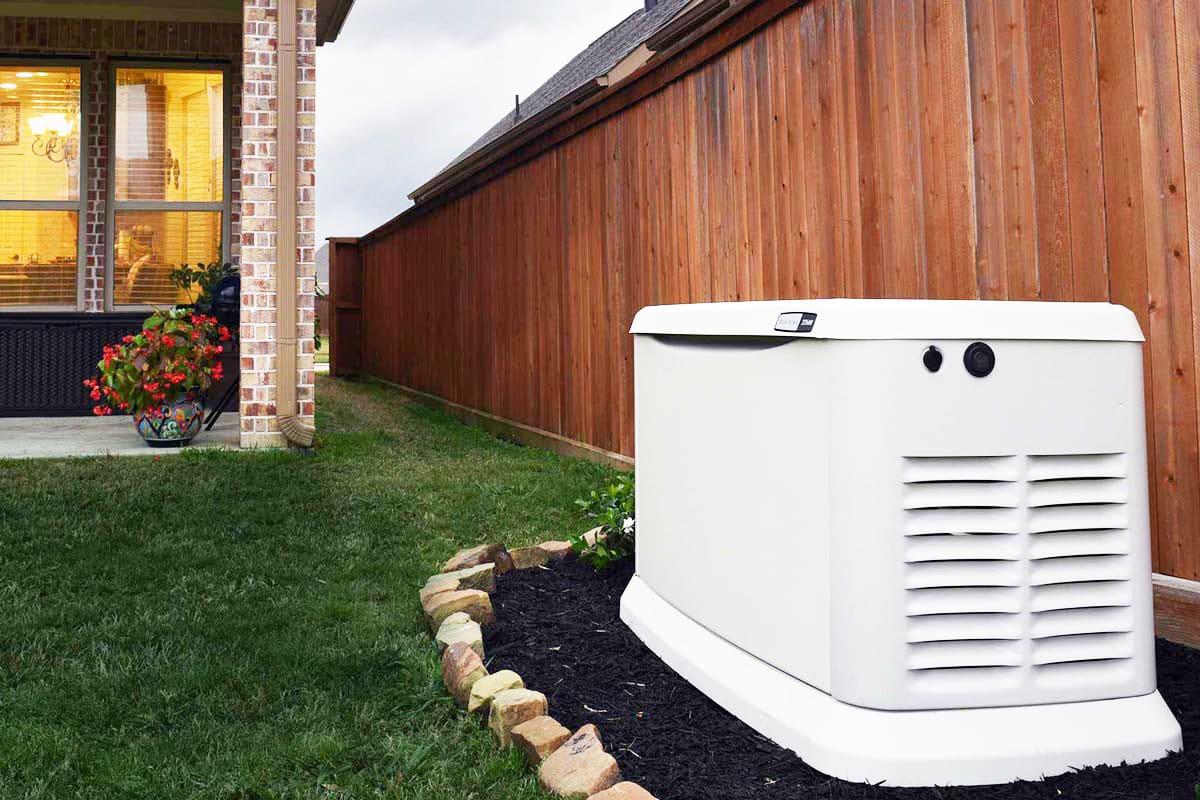
Standby generators are permanently installed outside your home. They automatically kick in when the power goes out, providing seamless electricity to your entire home. The price range for a standby generator typically falls between $2,000 and $5,000, including installation costs. Consider the following: – Power Output: They generally provide between 5,000 and 20,000 watts. – Fuel Options: Many operate on natural gas or propane. – Maintenance: Regular maintenance is crucial to ensure reliability. Think about how often your area experiences power outages. A standby generator could offer peace of mind during those critical moments.Inverter Generators
Inverter generators are known for their quiet operation and fuel efficiency. They convert raw power into clean energy, making them safe for sensitive electronics. Pricing for inverter generators typically ranges from $500 to $3,000. Advantages include: – Power Output: Usually between 1,000 and 4,000 watts. – Portability: Compact and lightweight, ideal for travel. – Noise Level: Operate much quieter than traditional generators. Have you ever tried using a regular generator near your home? The noise can be disruptive. An inverter generator could be the perfect solution for your power needs without disturbing your peace. Choosing the right type of generator for your home involves understanding your specific needs. Assess how often you’ll use it, the power requirements, and your budget. What type of generator would best fit your lifestyle?Price Range For Residential Generators
Choosing a generator for your home can be challenging. The cost varies widely based on size and features. Understanding the price range helps you make a better choice. Here are the typical costs you can expect.
Budget-friendly Options
Budget-friendly generators usually cost between $200 to $800. These models are perfect for small homes or occasional use. They often run on gasoline and are portable. They provide enough power for basic needs, like lights and a refrigerator.
Smaller units are easy to store. They are great for camping or tailgating too. Brands like Champion and WEN offer solid choices in this range. They deliver reliability without breaking the bank.
Mid-range Models
Mid-range generators fall between $800 to $2,500. These units are more powerful and can handle larger appliances. They are ideal for homes needing more electricity. Many run on propane or natural gas.
Some models also feature automatic start options. This feature provides convenience during power outages. Brands like Generac and Westinghouse are popular in this range. They combine good quality with reasonable pricing.
High-end Generators
High-end generators usually cost $2,500 and above. These units are designed for heavy use. They can power an entire home during an outage. Many come with advanced features like remote monitoring.
They often use natural gas or diesel fuel. This makes them efficient for long-term use. Brands like Kohler and Briggs & Stratton are well-known for these models. They offer durability and high performance.
Additional Costs To Consider
Owning a generator comes with extra costs. Think about installation fees, fuel expenses, and maintenance. These costs can add up and affect your budget. Always plan for these factors when considering a generator for your home.
When considering the cost of a generator for your house, it’s easy to focus solely on the initial purchase price. However, there are additional costs that can significantly impact your budget. Understanding these expenses will help you make a well-informed decision and avoid any surprises down the line.Maintenance And Repairs
Regular maintenance is essential to keep your generator running smoothly. This can include oil changes, filter replacements, and general inspections. You might spend around $100 to $300 annually on maintenance services. If your generator breaks down, repair costs can add up quickly. Depending on the issue, repairs can range from $200 to over $1,000. Budgeting for routine maintenance and unexpected repairs ensures your generator remains reliable.Fuel And Operating Costs
Generators require fuel to operate, and this cost varies based on your usage and the type of generator you choose. For instance, a gas-powered generator may cost you around $25 to $50 for a full tank, while propane can be slightly more expensive. You also need to consider how often you will use the generator. Frequent use during power outages can lead to significant fuel expenses. Tracking your fuel consumption can help you estimate these ongoing costs.Warranty And Extended Coverage
Purchasing a generator often comes with a standard warranty, but it may not cover everything. Many manufacturers offer extended warranties for an additional fee, typically ranging from $100 to $500. This added coverage can save you money on repairs in the long run. Evaluate whether the extra cost is worth the peace of mind for you. Will you feel more secure knowing your investment is protected?Tips For Choosing The Right Generator
Choosing the right generator for your home is important. Many factors affect your decision. Understanding your needs can help you select the best option. Here are some tips to guide you in your choice.
Assessing Power Needs
Start by determining your power needs. List the appliances you want to run during an outage. Each appliance uses a certain amount of watts. Add these watts together to find the total. Make sure to include a buffer for unexpected needs.
Consider different generator types. Portable generators are great for limited use. Standby generators can power your home automatically. Choose based on your lifestyle and power requirements.
Comparing Features
Look at the features of different generators. Key aspects include fuel type, runtime, and noise level. Gasoline, propane, and diesel are common fuel options. Each has its pros and cons.
Check the runtime of the generator. Longer runtimes are better for extended outages. Noise level matters too. A quieter generator can make your life easier during a power cut.
Evaluating Long-term Value
Consider the long-term costs of owning a generator. Look at fuel efficiency and maintenance needs. A more efficient generator saves money over time. Think about warranty and customer support too.
Investing in a quality generator pays off. A reliable generator protects your home and comfort. Make your decision based on value, not just price.

Credit: realestate.usnews.com
Where To Buy Generators
Buying a generator can feel overwhelming. Many options exist. Where should you look? You can find generators at online retailers, local stores, and authorized dealers. Each option has its benefits.
Online Retailers
Online retailers offer a wide range of generators. Websites like Amazon and eBay provide many choices. You can compare prices easily. Customer reviews help you make better decisions. Delivery options are often available. This saves you time and effort.
Local Stores
Local stores are another great option. Home improvement stores carry generators. You can see models in person. This helps you understand the size and features. Staff can answer your questions. You might find sales or discounts too.
Authorized Dealers
Authorized dealers specialize in specific brands. They provide expert advice on generators. Buying from them ensures you get quality products. Many dealers offer installation services. This can make setup easier for you.

Credit: buckeyepowersystems.com
Frequently Asked Questions
How Much Does A Generator Cost For A House?
The cost of a generator for a house typically ranges from $500 to $15,000. Factors influencing the price include generator type, size, and brand. Portable generators are generally less expensive, while whole-house generators offer more power and features but come at a higher price.
What Factors Affect Generator Prices?
Several factors affect generator prices, including power output, fuel type, and brand reputation. Installation costs also play a significant role, especially for larger models. Additional features like automatic transfer switches and noise levels can further influence the overall price.
Are Cheaper Generators Worth It?
Cheaper generators can be suitable for occasional use. However, they may lack durability and efficiency compared to higher-end models. Investing in a reliable generator can save you money in the long run, especially during frequent power outages.
How Much Do Installation Costs Add?
Installation costs can add anywhere from $300 to $2,000, depending on the complexity. Factors include electrical modifications, local codes, and labor rates. Always consult a professional for a precise estimate tailored to your specific needs.
Conclusion
Choosing a generator for your home is important. Costs vary based on size and type. Think about your power needs and budget. A well-chosen generator can bring peace of mind. It keeps your home running during outages. Always compare prices and features.
Research brands and read reviews. This helps you make the best choice. Invest wisely for your comfort and safety. A reliable generator makes life easier, especially in emergencies. Take your time to decide. Your home deserves the best protection.