
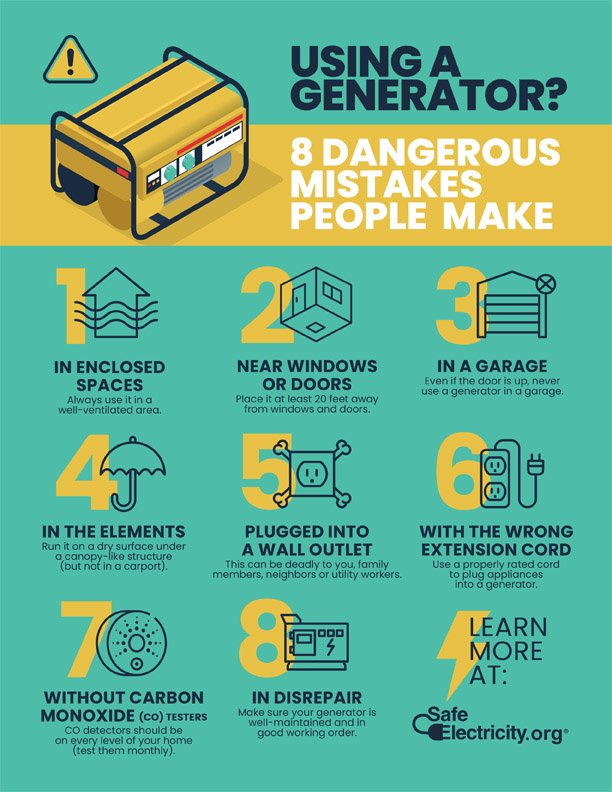
Are you tired of dealing with power outages or struggling to get the most out of your generator? You’re not alone.
Many people face challenges when it comes to using generators effectively. But don’t worry! This article is packed with essential tips and tricks that can make your generator experience smoother and more efficient. Whether you’re a seasoned pro or a complete beginner, you’ll find valuable insights that can save you time and money.
Stick around to discover the secrets that will help you maximize your generator’s performance and enhance your power management skills. Let’s dive in and empower your generator game!
Choosing The Right Generator
Choosing the right generator can be easy with the right tips. Think about your power needs, fuel type, and portability. Simple tricks can help you find the best fit for your home or outdoor use. Make an informed choice to ensure reliability and efficiency.
Choosing the right generator can make a significant difference in your comfort and safety during power outages or when you’re out in the great outdoors. With so many options available, it’s essential to understand your needs before making a decision. Here’s a closer look at the factors to consider.
Portable Vs Standby Options
Portable generators are fantastic for flexibility. You can move them where you need power, whether for camping trips or during an outage at home. They are generally less expensive and easier to store. Standby generators, on the other hand, are permanently installed. They automatically kick in during a power failure, providing seamless power to your home. This is ideal for those who want peace of mind without the hassle of setting up a generator during emergencies. Deciding between the two depends on your lifestyle and power needs. Do you require a generator for occasional use or for a reliable backup system?
Understanding Power Requirements
Knowing your power requirements is crucial. Start by listing the appliances and devices you want to power during an outage. Use a wattage calculator to determine the total wattage needed. This will help you choose a generator that meets your demands without overloading it. Consider starting watts versus running watts. Some appliances, like refrigerators, need more power to start than to run. Understanding this difference can save you from purchasing a generator that’s too small.
Fuel Type Considerations
Generators typically run on gasoline, propane, or diesel. Each fuel type has its pros and cons. Gasoline is widely available and often cheaper, but it can be unstable and difficult to store long-term. Propane has a longer shelf life and burns cleaner, making it a popular choice for many. Diesel engines are robust and efficient but may require more maintenance. Think about your access to fuel and how often you plan to use the generator. Will you be using it frequently or just in emergencies? This decision will significantly influence your choice of fuel type. Choosing the right generator requires careful thought and planning. By understanding your needs, you can ensure that you select a generator that fits your lifestyle perfectly.
Credit: www.northern-lights.com
Proper Installation Practices
Proper installation practices are key for generator safety and efficiency. Ensuring a stable base and proper ventilation helps prevent issues. Follow local codes and guidelines to keep your generator running smoothly and safely. Always consult the manual for specific installation instructions.
Proper installation practices are crucial for ensuring the efficiency and safety of your generator. A well-installed generator not only performs better but also lasts longer. Let’s dive into key aspects of installation that can make a significant difference.
Placement And Ventilation
Choosing the right spot for your generator is vital. It needs to be on a flat, stable surface, away from flammable materials. Ensure there’s ample space around the unit for ventilation. Most manufacturers recommend at least three feet of clearance. This allows for proper airflow, which helps prevent overheating. Consider noise levels too. If your generator will be running often, place it away from living areas. This simple step can greatly enhance your comfort.
Electrical Connections And Safety
Proper electrical connections are non-negotiable. Always use the correct gauge wiring as specified in the generator’s manual. This ensures the generator operates efficiently and reduces the risk of electrical fires. Use a transfer switch to connect your generator to your home’s electrical system. This prevents back-feed, which can be dangerous for utility workers. Don’t forget about grounding. A properly grounded generator reduces the risk of electrical shock. Take a moment to check your connections regularly; it’s a small task that can save you a lot of trouble.
Weatherproofing Techniques
Weatherproofing your generator is essential for its longevity. If your generator is outdoors, invest in a high-quality cover. This will protect it from rain, snow, and UV rays. Consider building a shelter for added protection. A simple structure can keep your generator safe while allowing for ventilation. Use a weatherproof extension cord if you need to power devices outside. It’s a small investment that can prevent damage from moisture. Taking these steps can ensure that your generator stays in prime condition, ready to serve you when you need it most. Are you ready to put these practices into action?
Maintenance Essentials
Maintaining your generator is key to its lifespan. Regular care keeps it running smoothly. Simple tasks can prevent big problems later. Let’s explore essential maintenance tips.
Routine Inspection Checklist
Start with a routine inspection. Check the fuel level and condition. Look for leaks or cracks in hoses. Inspect the battery for corrosion. Ensure all connections are tight. Listen for unusual noises during operation.
Check the air filter for dirt. A clean filter improves performance. Examine the exhaust system for any signs of wear. Replace worn parts as needed. This will keep your generator safe and efficient.
Oil And Filter Replacement
Oil and filter changes are crucial. Change the oil every 50 hours of use. Use the oil type recommended by the manufacturer. A clean oil filter helps the engine run better. Replace the filter during oil changes.
Old oil can cause engine damage. Always check the oil level before use. Top it off if it’s low. Regular changes will extend your generator’s life.
Cleaning And Storage Tips
Clean your generator regularly. Dust and dirt can harm its parts. Use a soft cloth to wipe the exterior. For stubborn dirt, use mild soap and water.
Store the generator in a dry place. Protect it from rain and snow. Use a cover to keep it clean. Make sure it’s not near flammable materials.
Before storage, run the generator dry. This prevents fuel issues. Follow these tips for a well-maintained generator.

Credit: www.emersonautomationexperts.com
Improving Efficiency
Generators can be more efficient with a few simple tips. Regular maintenance keeps them running smoothly. Using the right fuel and checking oil levels helps avoid problems. Small changes can lead to better performance and longer life for your generator.
Improving the efficiency of your generator is crucial for maximizing performance and reducing operational costs. By implementing effective strategies, you can ensure that your generator runs smoothly and reliably, saving you time and money in the long run. Here are some practical tips to enhance your generator’s efficiency.
Load Management Strategies
Managing the load on your generator is key to improving its efficiency. – Balance the load: Distributing the load evenly across all available phases minimizes strain and optimizes performance. – Know your limits: Avoid overloading your generator. Check the manufacturer’s specifications to stay within safe operational limits. – Use a load bank: Regularly test your generator with a load bank to ensure it can handle its rated capacity. This helps identify potential issues before they become major problems. Adjusting your load as needed can significantly impact your generator’s fuel consumption and lifespan. How often do you check the load on your generator?
Using High-quality Fuel
The type of fuel you use directly affects your generator’s efficiency. – Choose the right fuel: Always opt for high-quality fuel that meets the manufacturer’s specifications. Poor-quality fuel can lead to deposits and reduced performance. – Regular fuel testing: Conduct routine tests to ensure your fuel quality remains high. This can prevent issues like clogged filters and damaged injectors. – Store fuel properly: Keep fuel stored in a cool, dry place to prevent contamination. Use fuel stabilizers to extend shelf life. Using high-quality fuel can lead to better combustion and lower emissions. Are you paying enough attention to the fuel you use?
Reducing Idle Time
Idle time can waste fuel and increase wear on your generator. – Minimize idle time: Only run your generator when necessary. If you don’t need power, shut it down to save fuel. – Utilize automatic controls: Consider investing in automatic controls that can turn the generator on and off based on demand. This helps eliminate unnecessary idling. – Monitor runtime: Keep a log of your generator’s usage. This can help identify patterns and reduce idle time effectively. By actively managing your generator’s idle time, you can enhance its efficiency and extend its lifespan. How do you currently manage idle time with your generator?
Troubleshooting Common Issues
Troubleshooting common issues with generators can save time and frustration. Simple checks, like fuel levels and battery connections, often solve problems. Regular maintenance tips help keep your generator running smoothly and efficiently.
Troubleshooting common issues with your generator is essential for maintaining its efficiency and longevity. Even the best generators can run into problems, but knowing how to address these issues can save you time and frustration. Let’s dive into some common problems you might encounter and how to resolve them effectively.
Starting Problems
Starting problems can be incredibly frustrating, especially when you need your generator the most. – Check the fuel: Ensure your tank is filled with fresh fuel. Old or contaminated fuel can prevent the engine from starting. – Inspect the battery: A weak or dead battery is often the culprit. Test it with a multimeter and replace it if necessary. – Examine the starter switch: Sometimes, the starter switch itself can malfunction. Look for any loose connections or wear and tear. If your generator still won’t start after these checks, you may want to consult the owner’s manual or a professional.
Overheating Solutions
Overheating is a common issue that can lead to serious damage if not addressed promptly. – Clean the air filter: A clogged air filter restricts airflow, causing the engine to overheat. Regularly clean or replace it to ensure optimal performance. – Check coolant levels: Low coolant can cause overheating. Always keep an eye on your coolant levels and top them up if necessary. – Inspect ventilation: Make sure the generator has proper ventilation. Blocked vents can trap heat, leading to overheating. Have you experienced your generator shutting down unexpectedly? This may be a sign of overheating, so take these steps seriously.
Voltage Irregularities
Voltage irregularities can cause your appliances to malfunction or even sustain damage. – Use a multimeter: Regularly check the voltage output of your generator. It should typically be within 110 to 120 volts. – Inspect the load: Overloading your generator can result in voltage drops. Ensure that the total load does not exceed the generator’s capacity. – Look for loose connections: Loose or damaged wires can lead to voltage fluctuations. Tighten and secure all connections as needed. Have you ever noticed your lights flickering when the generator is running? This could be a sign of voltage irregularities that need your immediate attention. By staying proactive and addressing these common generator issues, you can ensure that your unit runs smoothly and efficiently when you need it the most.
Upgrading For Better Performance
Upgrading your generator can boost its performance significantly. Small changes can lead to big improvements. Let’s explore some tips to enhance your generator’s efficiency.
Adding Smart Features
Smart features can make your generator more user-friendly. Consider models with remote start options. This allows you to start your generator from a distance.
Look for generators with smartphone apps. These apps let you monitor performance and fuel levels. You can receive alerts for maintenance needs too. Smart features can save time and effort.
Switching To Advanced Models
Older models may not meet your power needs. Upgrading to advanced models can provide better fuel efficiency. Newer models often have improved technology.
Consider inverter generators. They are quieter and more efficient. They provide clean power for sensitive electronics.
Optimizing Accessories
Accessories can enhance your generator’s performance. Use high-quality extension cords to reduce power loss. Ensure your connections are secure and tight.
Invest in a transfer switch for safe power transfer. This helps in connecting your generator to your home safely. Proper accessories can maximize your generator’s output.
Frequently Asked Questions
What Are The Best Maintenance Tips For Generators?
Regular maintenance is essential for optimal generator performance. Start by checking the oil and fuel levels frequently. Clean or replace air filters to ensure airflow. Inspect spark plugs and battery connections. Additionally, run the generator monthly to keep it in good condition and avoid issues during emergencies.
How Can I Improve My Generator’s Fuel Efficiency?
Improving fuel efficiency involves several strategies. First, use high-quality fuel and keep your generator clean. Avoid overloading the generator, as it consumes more fuel. Regular maintenance, like oil changes, also enhances efficiency. Lastly, consider using eco-friendly options designed for better fuel consumption.
What Are Common Generator Troubleshooting Tips?
Common troubleshooting tips include checking the fuel supply and ensuring the generator is not overloaded. Inspect electrical connections for any loose wires. If it won’t start, examine the battery and spark plugs. Always consult the user manual for specific issues and recommended solutions.
How Do I Safely Operate A Generator?
Safety is crucial when operating a generator. Always place it outdoors to avoid carbon monoxide buildup. Use heavy-duty extension cords rated for your generator’s output. Never refuel while it’s running; wait for it to cool down. Also, follow the manufacturer’s instructions for safe operation and maintenance.
Conclusion
Using generators wisely makes a big difference. Keep them clean and well-maintained. Regular checks help prevent problems. Always follow safety guidelines for peace of mind. Understanding fuel types is key for efficiency. Store your generator properly for longevity. With these tips, you can use your generator effectively.
Stay prepared for any situation. Enjoy reliable power when you need it most. Your generator can be a great tool with the right care.