
Using extension cords with your generator can be a great way to power your essential appliances when the lights go out. But if you’re not careful, it can also become dangerous, causing electrical shocks, fires, or damaging your equipment.
You want to keep your home and family safe while making sure your generator works effectively. That’s why knowing how to safely use extension cords with generators isn’t just helpful—it’s essential. You’ll discover simple, practical steps to connect your generator and extension cords the right way.
By following these tips, you’ll avoid common mistakes and keep your power running smoothly when you need it most. Keep reading to protect your home and get the most out of your generator setup.
Choosing The Right Extension Cord
Choosing the right extension cord is crucial for safe generator use. The wrong cord can cause overheating, damage, or even fire. Select cords designed for the power and environment of your generator. This ensures safety and reliability during operation.
Heavy-duty And Outdoor-rated Cords
Use extension cords made for heavy-duty use. These cords handle higher power loads safely. Outdoor-rated cords resist moisture, sunlight, and temperature changes. They prevent electrical hazards in wet or rough conditions. Avoid indoor cords as they may not protect against weather.
Correct Amperage And Gauge
Match the cord’s amperage rating to your generator’s output. Too thin a wire can overheat and cause fire risks. Lower gauge numbers mean thicker wires and better current flow. Check your generator’s manual to find the right gauge. Always choose a cord that can handle the total power of connected devices.
Matching Plug Types
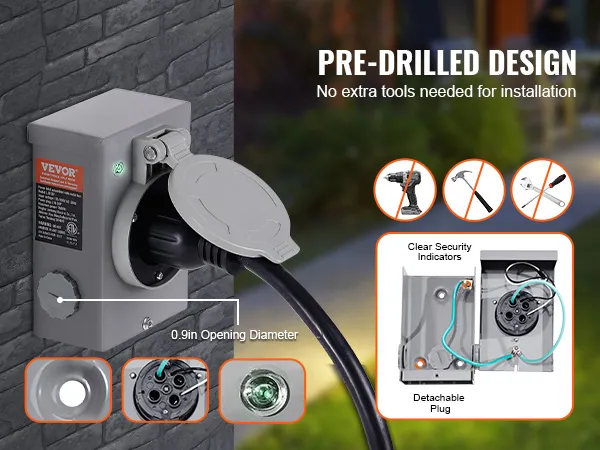
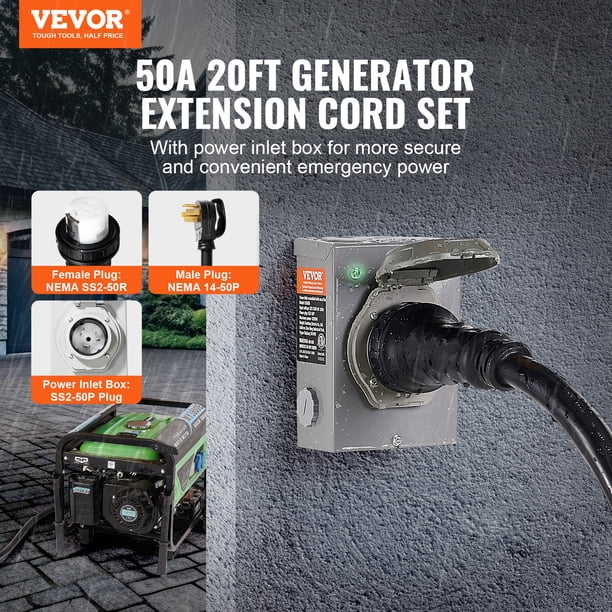
Ensure the cord’s plug fits your generator’s outlet. Different generators have various plug designs and voltages. Using a mismatched plug can cause poor connections or damage. Use cords with compatible plugs and sockets for a secure connection. This prevents power loss and safety hazards.
Positioning Your Generator Safely
Correctly positioning your generator is vital for safety and efficiency. A well-placed generator reduces the risk of accidents and health hazards. It also ensures the generator runs smoothly without overheating or damage. Follow key guidelines to keep your home and family safe while using extension cords with generators.
Keep Away From Windows And Doors
Place the generator far from windows and doors. This prevents harmful fumes from entering your home. Carbon monoxide from generators is colorless and odorless. It can cause serious health problems or death. Keep a minimum distance of 20 feet to ensure safety. Close all windows and doors near the generator area. This simple step protects everyone inside your home.
Ensure Proper Ventilation
Generators produce exhaust that must escape freely. Position your generator in a well-ventilated outdoor space. Avoid enclosed areas like garages or sheds. Proper airflow helps cool the generator and reduces toxic gas buildup. Make sure the exhaust points away from people and buildings. Good ventilation keeps your generator running safely and efficiently.
Connecting Extension Cords Properly
Connecting extension cords properly to your generator ensures safe and efficient power delivery. Poor connections can cause overheating, sparks, or even electrical fires. Paying attention to how you plug in and arrange cords helps avoid accidents and equipment damage. Follow these simple tips to make secure and safe connections.
Secure Plug Connections
Always push plugs firmly into sockets until fully seated. Loose connections create resistance and heat buildup. Check that plugs fit tightly without gaps or wiggle. Avoid forcing plugs that don’t match the socket. Use cords with plugs rated for your generator’s power output. Inspect plugs for cracks or damage before use. Replace damaged cords immediately to prevent hazards.
Avoid Overstretching Or Twisting
Keep extension cords straight and avoid pulling or twisting them. Overstretching weakens the wire and damages insulation. Twisted cords can expose wires and cause shorts. Leave some slack to prevent tension on plugs and sockets. Route cords along walls or under rugs carefully, avoiding sharp bends. Use cord covers or clips to keep cords secure and reduce trip hazards. Proper handling extends cord life and keeps power steady.
Preventing Electrical Overload
Preventing electrical overload is essential when using extension cords with generators. Overloading can cause damage to your generator, extension cords, and connected appliances. It also creates a serious fire risk. Understanding how to manage power load keeps your setup safe and efficient.
Stagger Appliance Usage
Do not turn on all appliances at once. Start with essential devices only. Wait a few minutes before adding more. This reduces sudden power surges. Staggering usage helps the generator handle the load smoothly. It prevents tripping the circuit or overheating the cords.
Know Your Generator’s Amperage Limits
Check the generator’s rated amperage before connecting devices. Do not exceed this limit. Each appliance draws a certain current, so add their amperage to stay within safe range. Using a generator beyond its capacity risks damage and power failure. Always choose extension cords that match or exceed the amperage needed.
Grounding Your Generator
Grounding your generator is a key step for safe operation. It helps protect you from electric shocks and prevents damage to your equipment. A properly grounded generator directs unwanted electricity safely into the earth. This reduces risks during power outages or storms.
Many portable generators come with grounding instructions in their manuals. Follow these carefully to ensure safety. Use grounding tools that fit your generator’s specifications and local electrical codes.
Use Ground Rods Or Metal Posts
Drive a ground rod or metal post into the earth near your generator. The rod should be at least 4 feet long. Use a copper wire to connect the generator’s grounding terminal to the rod. This creates a direct path for electrical current to flow into the ground. Make sure the connection is tight and secure. Avoid using rusty or damaged rods or posts. Check the soil moisture; dry soil may need watering for better conductivity.
Ensure Proper Wiring
Use the correct gauge wire to connect your generator to the ground rod. Thicker wires handle current better and reduce risks. Inspect all wires for cuts or damage before use. Secure all connections with grounding clamps or screws. Loose or poor connections can cause dangerous sparks. Test the grounding system with a multimeter if possible. Proper wiring ensures your generator runs safely and efficiently.
Credit: www.walmart.ca
Avoiding Dangerous Backfeed
Backfeed is a serious danger when using generators and extension cords. It happens when electricity flows backward into power lines. This can injure utility workers and damage equipment. Avoiding backfeed is crucial for safe generator use.
Never Plug Into Wall Outlets
Do not connect your generator to a wall outlet. This practice causes dangerous backfeed. Electricity can travel through power lines, risking electrocution for workers. It also puts your home’s electrical system at risk. Always power appliances directly from the generator or use proper equipment.
Use Transfer Switches For Home Power
Transfer switches safely connect your generator to your home’s wiring. They prevent backfeed by isolating your home from the utility grid. A licensed electrician should install transfer switches. This setup allows you to power your home safely during outages. It is the best way to avoid electrical hazards and protect your family.
Managing Extension Cord Length
Managing extension cord length is crucial for safe generator use. Long cords can cause power loss and overheating. Choosing the right length helps protect your devices and prevents hazards. Always plan your setup to minimize cord length and maintain safety.
Keep Cords As Short As Possible
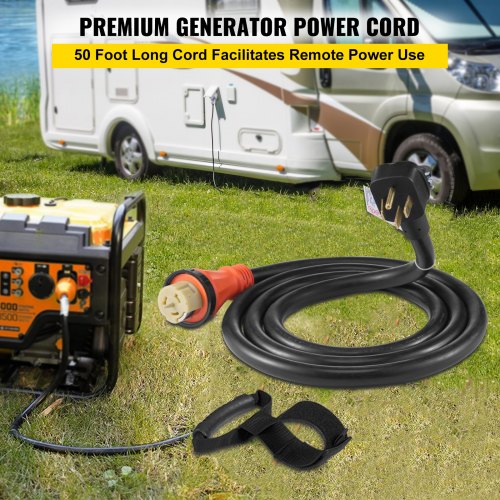
Shorter cords reduce the risk of electrical problems. They carry power more efficiently and stay cooler. Long cords can overheat and cause fires. Use only the length needed to reach your appliances. Avoid unnecessary extra cord length to keep safety high.
Consider Voltage Drop Risks
Voltage drops happen when electricity travels through long cords. This reduces power to your devices and can damage them. Using thicker cords helps reduce voltage drop. Check the cord’s gauge rating and length before use. Proper cord size keeps your equipment running safely and well.
Credit: www.vevor.ca
Inspecting Cords For Damage
Inspecting extension cords for damage is essential before using them with a generator. Damaged cords can cause electric shocks, fires, or stop your devices from working. Regular checks keep you safe and protect your equipment.
Check For Frays And Cuts
Look closely along the entire length of the cord. Frays or cuts in the insulation expose the wires inside. These exposed wires can create sparks or shocks. Even small damage can be dangerous. Also, check the plug and connectors for cracks or loose parts.
Replace Damaged Cords Immediately
Do not use cords that show any damage. Replace them right away with new, heavy-duty outdoor cords. Using damaged cords increases the risk of injury and equipment failure. Always store cords carefully to avoid future damage.
Protecting Cords From Weather
Protecting extension cords from weather is critical for safe generator use. Exposure to rain, snow, or moisture can cause electrical shorts or shocks. Keeping cords safe from weather damage extends their life and prevents hazards. Simple steps help keep cords dry and secure during use.
Keep Cords Dry And Elevated
Place extension cords off the ground to avoid water contact. Use hooks, stakes, or cable ramps to lift cords above wet surfaces. Avoid running cords through puddles or muddy areas. Elevating cords prevents damage and reduces the risk of electric shock. Always inspect cords for dampness before use.
Use Weatherproof Covers
Protect plugs and connections with weatherproof covers or boxes. These covers shield cords from rain, dust, and debris. Choose covers designed for outdoor electrical equipment. Secure covers tightly to prevent water from seeping in. Using weatherproof covers ensures safer and longer-lasting cord operation.
Safe Storage And Maintenance
Proper storage and maintenance of extension cords extend their life and ensure safe use. Cords that are stored poorly can develop damage that causes electrical hazards. Regular care keeps cords in good condition and ready for use with your generator.
Properly Coil And Store Cords
Coil extension cords neatly to avoid tangles and kinks. Use a loose loop that is not too tight to prevent wire damage inside the insulation. Avoid sharp bends that can break internal wires.
Store cords in a dry, cool place away from sunlight. Moisture and heat can degrade the cord’s insulation over time. Use hooks or reels to hang cords off the ground and keep them clean.
Regular Cleaning And Inspection
Clean extension cords with a dry cloth to remove dirt and debris. Dirt can hide damage and reduce cord efficiency. Avoid using water or harsh chemicals which may harm the insulation.
Inspect cords before every use. Look for cracks, cuts, or exposed wires. Check plugs and connectors for damage or corrosion. Replace any damaged cords immediately to prevent electrical shocks or fires.

Credit: www.amazon.ca
Frequently Asked Questions
Is It Safe To Use Extension Cords With A Generator?
Yes, using extension cords with a generator is safe if you choose outdoor-rated, heavy-duty cords. Keep the generator outside, ground it properly, and never plug it into a wall outlet. Avoid overloading cords and consult a professional for whole-house power needs.
How To Hook Extension Cord To Generator?
Plug a heavy-duty, outdoor-rated extension cord into the generator’s outlet. Keep the generator outdoors, away from doors and windows. Avoid overloading cords and never connect the generator directly to home wiring without a transfer switch. Always ground the generator for safety.
What Kind Of Extension Cord Should You Use For A Generator?
Use a heavy-duty, outdoor-rated extension cord with a gauge thick enough to handle your generator’s amperage safely.
Do I Need To Ground My Generator When Using An Extension Cord?
Yes, ground your generator when using an extension cord. Connect it to a proper ground source for safety and code compliance.
Can I Use Any Extension Cord With My Generator?
Use only outdoor-rated, heavy-duty extension cords designed for generators to avoid hazards.
How Do I Choose The Right Extension Cord Gauge?
Select a thicker gauge cord for higher power loads to prevent overheating and voltage drop.
Is It Safe To Use Extension Cords Indoors With A Generator?
No. Keep extension cords and generators outdoors to prevent carbon monoxide poisoning.
Can I Connect Multiple Extension Cords To A Generator?
Avoid daisy-chaining cords; use one heavy-duty cord the correct length for safety.
How Far Can An Extension Cord Safely Run From A Generator?
Keep cords as short as possible; longer cords can cause power loss and heat buildup.
Should I Ground My Generator When Using Extension Cords?
Yes. Grounding prevents electrical shocks and ensures safe operation of the generator.
Conclusion
Using extension cords with generators requires careful attention to safety. Always choose outdoor-rated, heavy-duty cords to avoid fire risks. Keep the generator outside, away from doors and windows, to prevent carbon monoxide buildup. Never plug a generator directly into a home outlet.
Ground your generator properly to protect yourself and others. Limit appliance use to avoid overloading the cords or generator. Following these simple steps keeps your generator setup safe and efficient. Stay cautious, use the right cords, and power your essentials without worry.
Safety first—always.