
If you rely on your generator to keep your home or workspace powered, knowing how to replace the spark plugs is a must. Spark plugs play a crucial role in your generator’s engine performance, and worn-out plugs can cause it to run poorly or even fail when you need it most.
You don’t have to be a mechanic to handle this simple maintenance task yourself. In this guide, you’ll learn clear, easy steps to replace your generator’s spark plugs safely and effectively. By the end, you’ll be confident in keeping your generator running smoothly and ready for action whenever you need it.
Keep reading to discover how a quick spark plug change can save you time, money, and frustration.
Preparing The Generator
Preparing the generator properly is key before replacing spark plugs. This step ensures safety and smooth operation during the process. Follow clear steps to get your generator ready. Doing this reduces risks and avoids damage.
Start by making sure the generator is completely off and cooled down. Disconnect all power sources to prevent accidental starts. Set up the area with good airflow. Always wear safety gear to protect yourself.
Power Off And Cool Down
Turn off the generator using the main switch or button. Let it cool for at least 30 minutes. The engine and spark plugs get very hot. Working on a hot engine can cause burns or damage. Wait until the generator is cool to the touch.
Disconnect Power Sources
Unplug any connected devices from the generator. Remove the spark plug wire or cap carefully. This stops electricity from flowing. Double-check that the generator cannot start accidentally. Disconnecting power sources keeps you safe while working.
Ensure Proper Ventilation
Place the generator in an open area or a well-ventilated space. Good airflow prevents buildup of harmful fumes. Avoid enclosed spaces like garages or basements. Proper ventilation keeps the air fresh and safe during maintenance.
Wear Safety Gear
Put on gloves to protect your hands from dirt and sharp parts. Wear safety glasses to shield your eyes from dust or debris. Use long sleeves to avoid skin contact with fuel or oil. Safety gear reduces the chance of injury while working.
Credit: www.ebay.ca
Locating The Spark Plug
Locating the spark plug in your generator is the first step in replacement. It can be tricky without guidance. Knowing where to find it saves time and effort. This section helps you identify the spark plug easily. Follow simple steps to find it quickly and safely.
Consulting The Manual
Start by checking your generator’s manual. It contains detailed diagrams and instructions. Manuals show the exact location of the spark plug. Each model differs, so the manual is your best guide. Look for sections titled “engine” or “spark plug.” This ensures you find the correct part without guesswork.
Accessing The Spark Plug
Once you know the location, clear the area around the engine. Remove any covers or panels blocking access. The spark plug usually sits near the engine cylinder head. It looks like a small metal piece with a thick wire attached. Handle the parts gently to avoid damage. Proper access makes the replacement process safer and easier.
Removing The Old Spark Plug
Removing the old spark plug is the first step in replacing it. This task requires care to avoid damage. Follow the right steps to remove the spark plug safely and efficiently.
Start by preparing your workspace. Make sure the generator is off and cooled down. This prevents burns and ensures safe handling.
Detaching The Spark Plug Cap
Locate the spark plug cap attached to the spark plug. Gently grasp the cap, not the wire, to avoid damage. Pull the cap straight off with a steady motion. Do not twist or jerk the cap to prevent breaking the wire inside.
Using The Right Tools
Select a spark plug socket that fits your spark plug snugly. Use a ratchet or wrench compatible with the socket. These tools help to loosen the spark plug without slipping. Having the correct tools makes the job easier and safer.
Unscrewing The Plug
Insert the spark plug socket over the plug. Turn the ratchet counterclockwise to loosen the plug. Continue turning until the plug is free. Remove the spark plug carefully by hand. Inspect the plug for damage or wear before disposing.

Credit: www.premium-electric.ca
Inspecting The Spark Plug
Inspecting the spark plug is a key step before replacing it in your generator. This check helps you understand the plug’s condition and whether it needs replacement. A careful inspection can prevent engine problems and improve generator performance.
Look closely at the spark plug for any signs of damage or buildup. Clean or worn plugs affect how well the generator starts and runs. Taking time to inspect saves effort and money in the long run.
Checking For Wear And Deposits
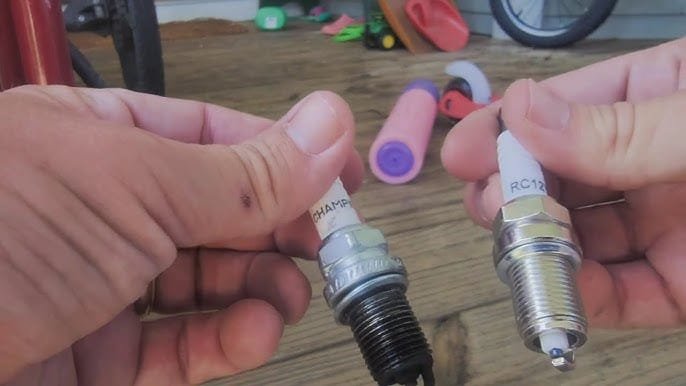
Wear shows as rounded or eroded electrodes. This reduces the spark plug’s efficiency. Deposits may appear as black, oily, or white buildup on the plug. Black soot usually means a rich fuel mix or oil leak. White deposits can indicate overheating or fuel additives. Remove these deposits gently with a wire brush or replace the plug if heavily coated.
Understanding Spark Plug Condition
A healthy spark plug has a light tan or gray color on its insulator. This color means proper combustion inside the engine. Dark or oily plugs suggest poor engine health or bad fuel. Cracks or chips on the insulator mean the plug must be replaced immediately. Always compare your spark plug’s condition to the guide in your generator’s manual. This helps decide whether to clean or change the plug.
Choosing The Right Replacement
Choosing the right replacement spark plug is crucial for your generator’s performance. A proper spark plug ensures smooth starting, efficient fuel use, and longer engine life. Picking the correct spark plug avoids engine damage and costly repairs.
Focus on key factors like size, heat range, and brand quality. These details affect how well the spark plug works with your generator engine. Use the manufacturer’s guidelines to find the best match.
Matching Specifications
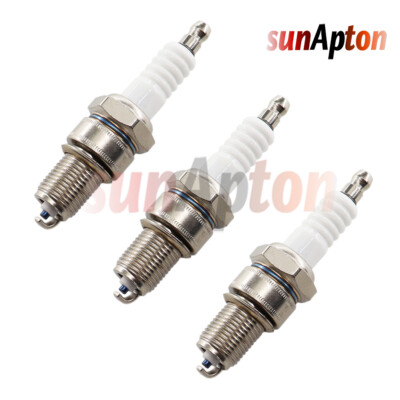
Always check the generator manual for spark plug size and type. The thread diameter and length must fit perfectly to avoid leaks or damage. The heat range affects how the plug handles engine temperature. A wrong heat range can cause poor engine performance or early plug failure.
Choose a spark plug with the same specifications as the original. Using plugs with different specs risks misfires and lower fuel efficiency. Correct specifications help the engine run smoothly and last longer.
Selecting Quality Spark Plugs
Buy spark plugs from trusted brands for reliability and durability. Quality plugs resist fouling and wear better than cheap ones. Look for plugs with good reviews and proper certifications.
High-quality spark plugs improve ignition and reduce emissions. They also extend the time between replacements. Investing in good spark plugs saves money and hassle over time.
Setting The Spark Plug Gap
Setting the spark plug gap is a crucial step in replacing spark plugs in generators. The gap affects how the spark ignites the fuel-air mix in the engine. A correct gap ensures smooth engine start and efficient running. Too wide or too narrow a gap can cause misfires or poor performance.
Checking and adjusting this gap to the right size helps your generator run better and last longer. This step requires simple tools and careful attention. Follow the instructions below to measure and adjust the gap properly.
Measuring The Gap
Use a spark plug gap tool or feeler gauge to measure the gap. Insert the tool between the center and side electrodes of the plug. The tool should fit snugly without forcing it in. If it is too loose or tight, the gap needs adjustment.
Measure the distance carefully in millimeters or inches. Write down the measurement to compare it with the recommended gap. Always measure the gap before installing the spark plug.
Adjusting To Manufacturer Specs
Find the correct gap size in your generator’s manual or on the spark plug box. This size varies by engine model and spark plug type. Use the gap tool to gently bend the side electrode.
To increase the gap, carefully pull the electrode away from the center. To decrease it, gently tap the electrode closer. Check the gap again after each adjustment. Repeat until the gap matches the manufacturer’s specification.
Installing The New Spark Plug
Installing the new spark plug is a critical step in generator maintenance. Proper installation ensures the engine runs smoothly and efficiently. Take time to handle the spark plug carefully to avoid damage and ensure a tight fit.
Threading Carefully
Start by inserting the spark plug into the hole by hand. Turn it slowly to avoid cross-threading. Cross-threading can damage the engine and spark plug threads. Hand threading helps align the plug correctly before tightening with a wrench.
Avoiding Overtightening
Use a spark plug socket and wrench to tighten the plug. Tighten it firmly but do not overdo it. Too much force can strip the threads or crack the plug. Follow the torque specifications in your generator’s manual for the best results.
Reattaching The Cap
Once the spark plug is secure, reattach the spark plug cap. Push the cap firmly onto the plug until it clicks or feels secure. A good connection is important for the spark to jump and start the engine efficiently.
Testing Generator Performance
Testing generator performance is essential after replacing spark plugs. It ensures the generator runs smoothly and delivers the right power. This step helps catch problems early and confirms the spark plug replacement was successful.
Check the generator carefully to avoid damage or unsafe operation. Follow these simple steps to test your generator’s performance effectively.
Starting The Generator
Turn the generator on following the manufacturer’s instructions. Listen for a steady and strong start. The engine should run without hesitation or rough idling. A smooth start shows the spark plug is working well.
Listening For Unusual Sounds
Pay attention to any strange noises while the generator runs. Sounds like knocking, sputtering, or irregular ticking may indicate a problem. Quiet and even engine noise means the spark plug and engine are in good condition.
Checking Power Output
Use a voltmeter or generator control panel to check power output. The voltage should match the generator’s rated capacity. Low or unstable output suggests issues with the spark plug or engine. Proper power output confirms the generator is running efficiently.
Routine Spark Plug Maintenance
Routine spark plug maintenance is essential for keeping your generator running smoothly. Spark plugs ignite the fuel-air mixture inside the engine. Clean and well-maintained plugs ensure reliable starts and steady power output. Neglecting this part can cause poor performance or engine damage. Regular care extends the life of your generator and saves repair costs.
Regular Inspection Schedule
Check spark plugs every 50 hours of use or once each season. Look for signs of wear like cracks, buildup, or corrosion. Inspect the electrode and ceramic insulator for damage. Use a gap gauge to measure the spark plug gap. Adjust the gap if it is too wide or too narrow. Replace plugs that show heavy wear or fouling. Keeping to a schedule avoids unexpected breakdowns.
Cleaning And Replacement Tips
Remove the spark plug carefully with a wrench after the engine cools. Clean the plug using a wire brush or spark plug cleaner. Avoid harsh chemicals that can damage the insulator. Check the gap again after cleaning. Apply a small amount of anti-seize compound on the threads before reinstalling. Replace the plug if cleaning does not restore it. Always use the spark plug type recommended in the manual. Tighten the plug securely but do not overtighten.

Credit: www.youtube.com
Troubleshooting Common Issues
Troubleshooting common issues with spark plugs in generators is key to keeping your machine running smoothly. Spark plugs ignite the fuel-air mix inside the engine. Problems here can cause engine trouble. Identifying the issue early saves time and avoids costly repairs.
Check the spark plugs regularly. They can wear out or get dirty. This affects the generator’s performance. Understanding symptoms helps you know when to replace or clean the spark plugs.
Poor Engine Performance
When spark plugs fail, the engine might run rough or lose power. You may notice the generator stalling or sputtering. Poor fuel efficiency and low power output are signs too. These problems often point to worn or fouled spark plugs.
Starting Difficulties
Hard starting or no start at all can come from spark plug issues. A weak or absent spark stops ignition. Carbon buildup or damaged plugs block the spark. Moisture or corrosion on the plugs can also cause starting problems.
Addressing Spark Plug Problems
First, turn off and cool the generator before working on spark plugs. Remove the spark plug cap carefully. Use a spark plug wrench to unscrew the old plug. Inspect it for wear, carbon deposits, or damage.
Clean dirty plugs with a wire brush or replace them if needed. Install the new spark plug by screwing it in gently. Reattach the spark plug cap firmly. Test the generator to ensure it starts and runs well.
Frequently Asked Questions
How To Replace A Generator Spark Plug?
Turn off and cool the generator. Remove the spark plug cap. Unscrew the old plug using a wrench. Install and tighten the new plug. Reattach the spark plug cap. Consult your manual for specific details and safety.
How Often Should You Change A Generator Spark Plug?
Change your generator spark plug every 100 hours of use or at least once per season. Regular checks ensure optimal performance.
Can I Change Spark Plugs Myself?
Yes, you can change spark plugs yourself by following safety steps. Turn off and cool the generator first. Remove the old plug using a wrench, then install and tighten the new one carefully. Always check your generator’s manual for specific instructions and safety guidelines.
Is It Lefty Loosey For Spark Plugs?
Yes, spark plugs loosen by turning counterclockwise. Remember, “lefty loosey” applies when unscrewing spark plugs.
How Often Should Spark Plugs Be Replaced In Generators?
Spark plugs usually need replacement every 100 hours or once a year for best performance.
What Tools Are Required To Replace Generator Spark Plugs?
A spark plug socket, ratchet wrench, and gap tool are essential for replacement.
How To Know If A Spark Plug In My Generator Is Faulty?
Look for hard starts, rough running, or black soot on the plug tip.
Can I Use Any Spark Plug For My Generator?
Use the spark plug type specified in your generator’s manual for compatibility.
What Is The Correct Spark Plug Gap For Generators?
Check your manual; most generators require a gap around 0. 030 to 0. 035 inches.
Is It Safe To Replace Spark Plugs While The Generator Is Running?
Never replace spark plugs while the generator is on or hot; wait until cool.
Conclusion
Replacing spark plugs in your generator keeps it running smoothly and efficiently. Regular checks prevent engine problems and extend generator life. Use the right tools and follow safety steps carefully. A clean, new spark plug improves fuel use and power output.
Keep your generator ready for use by staying on top of maintenance. Simple actions make a big difference in performance and reliability. Don’t skip this easy task to ensure your generator works when needed.