
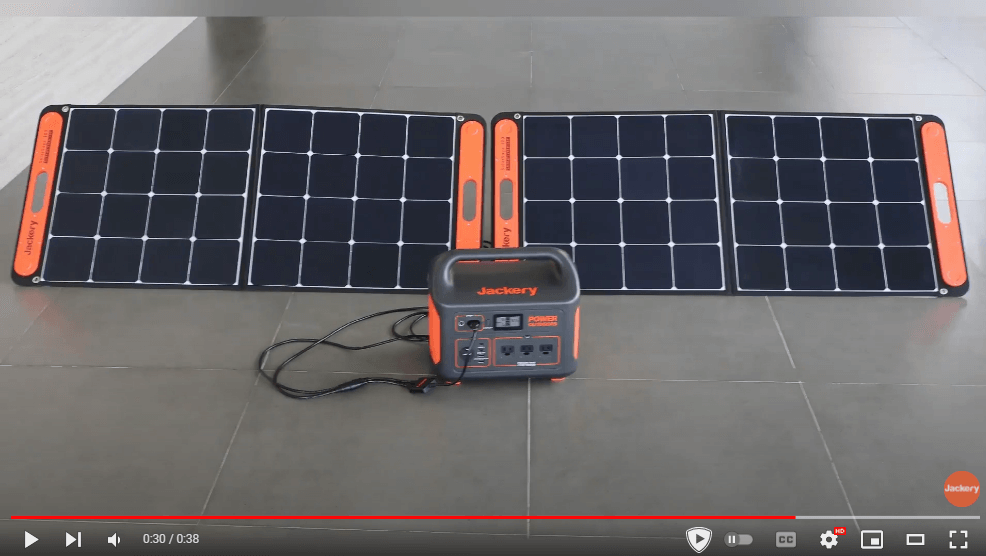
Imagine having a reliable power source that’s clean, quiet, and completely under your control. Building your own solar generator can make this a reality—whether you want to stay prepared for emergencies, enjoy off-grid adventures, or save on energy bills.
You might think it’s complicated or expensive, but what if you could create one yourself with simple parts and clear steps? In this guide, you’ll discover how to build a solar generator that fits your needs and budget. By the end, you’ll have the confidence to power your devices anywhere the sun shines.
Ready to take control of your energy? Let’s get started!

Credit: www.youtube.com
Solar Generator Basics
Understanding the basics of a solar generator helps you build it right. A solar generator stores energy from the sun and powers devices without fuel. It works quietly and produces no emissions.
The main parts include solar panels, a battery, a charge controller, and an inverter. Each part plays a key role in capturing, storing, and using solar power.
What Is A Solar Generator?
A solar generator is a device that converts sunlight into electricity. It stores this electricity in a battery. You can use this stored energy to run small appliances or charge devices.
Key Components Explained
Solar panels capture sunlight and turn it into electrical energy. The battery stores this energy for later use. The charge controller protects the battery from overcharging. The inverter changes stored energy to usable AC power.
How Solar Generators Work
Solar panels collect sunlight during the day. The energy flows through the charge controller to the battery. When you need power, the inverter converts stored energy into AC power to run devices.
Benefits Of Using A Solar Generator
Solar generators are quiet and eco-friendly. They don’t need gasoline or oil. They work anywhere the sun shines. Solar power is renewable and helps save money over time.
Choosing Solar Panels
Choosing the right solar panels is key to building an efficient solar generator. The panels capture sunlight and turn it into electricity. Picking panels that fit your needs ensures your generator works well and lasts long.
Types Of Solar Panels
There are three main types: monocrystalline, polycrystalline, and thin-film. Monocrystalline panels are the most efficient but cost more. Polycrystalline panels are cheaper and slightly less efficient. Thin-film panels are light and flexible but less durable.
Panel Wattage And Size
Solar panels come in different wattages. Higher wattage means more power output. Check the space where you will place the panels. Make sure the size fits your setup and power needs.
Durability And Weather Resistance
Solar panels must withstand sun, rain, and wind. Choose panels with strong frames and good weatherproof ratings. This helps your generator last through tough conditions.
Cost Vs. Efficiency
Balance your budget with panel efficiency. Cheaper panels may produce less power. Spending more on efficient panels can save space and improve performance.
Compatibility With Your System
Check the panel voltage and connectors. They should match your battery and charge controller. Proper compatibility prevents energy loss and damage.
Selecting The Battery
Selecting the right battery is crucial for building a reliable solar generator. The battery stores the energy collected from solar panels. It powers your devices when the sun is not shining. Choosing a battery that fits your needs ensures your generator works efficiently and lasts long.
Several factors influence the choice of battery. Capacity, type, lifespan, and safety are important. Understanding these helps you pick the best battery for your solar generator.
Selecting The Battery Capacity
Battery capacity shows how much energy it can store. It is measured in ampere-hours (Ah) or watt-hours (Wh). Higher capacity means longer power supply for your devices. Calculate your daily power use to find the right capacity. Choose a battery that can meet or exceed this number.
Choosing The Battery Type
Common battery types include lead-acid, lithium-ion, and AGM. Lead-acid batteries are cheaper but heavier and shorter-lived. Lithium-ion batteries last longer and weigh less but cost more. AGM batteries offer good performance and maintenance-free use. Pick the type that fits your budget and needs.
Understanding Battery Lifespan And Cycle Life
Battery lifespan depends on how many charge and discharge cycles it can handle. Cycle life means the total number of full charges before capacity drops. A higher cycle life means a longer-lasting battery. Check this number to estimate how long your battery will last.
Safety And Maintenance Considerations
Safety is important when selecting a battery. Some batteries require more care and ventilation. Lithium-ion batteries need protection from overcharging and high temperatures. Lead-acid batteries need regular checks for water levels. Choose a battery that matches your maintenance comfort level.

Credit: www.youtube.com
Picking The Inverter
Picking the right inverter is key to building a reliable solar generator. The inverter changes the battery’s DC power into AC power for your devices. Choosing the wrong inverter can cause power issues or damage your equipment.
Consider your power needs carefully. Match the inverter size to the total wattage of the devices you want to run. A small inverter may not handle large appliances, while a very large one wastes energy.
Understanding Inverter Types
There are mainly two types of inverters: pure sine wave and modified sine wave. Pure sine wave inverters provide clean power, safe for all devices. Modified sine wave inverters cost less but may cause problems with sensitive electronics.
Calculating The Inverter Size
Add up the wattage of all devices you plan to power at once. Choose an inverter with a continuous rating slightly higher than this total. Also, check the surge rating for devices that need extra power to start, like refrigerators.
Checking Efficiency And Features
Look for inverters with high efficiency ratings to reduce energy loss. Features like low voltage shutdown protect your battery from damage. Some inverters include USB ports or remote controls for convenience.
Choosing Between Grid-tie And Off-grid Inverters
Off-grid inverters work well for standalone solar generators. Grid-tie inverters connect to the main power grid and need special setup. For a simple solar generator, an off-grid inverter is usually best.
Required Wiring And Connectors
Building a solar generator requires careful attention to wiring and connectors. These components ensure safe and efficient power flow. Using the right wiring prevents energy loss and protects your system from damage.
Quality connectors provide secure links between solar panels, batteries, and inverters. Proper wiring and connectors improve durability and maintain performance. Understanding the types and specifications is essential for a reliable solar generator.
Choosing The Correct Wire Gauge
Wire gauge determines how much current can safely pass through. Thicker wires carry more power with less voltage drop. Using a wire that is too thin causes overheating and energy loss. Calculate the total current to pick the right gauge. For most solar generators, 10 to 12 gauge wire works well.
Types Of Wiring For Solar Generators
Use stranded copper wire for flexibility and durability. Copper wires have low resistance, improving efficiency. Insulated wires protect against shorts and weather damage. Avoid aluminum wires as they corrode easily and reduce performance. Always use wires rated for outdoor or solar use.
Essential Connectors And Their Functions
MC4 connectors are standard for solar panels. They provide a waterproof and secure connection. Anderson Powerpole connectors work well for battery and inverter links. Use ring terminals for battery terminals to ensure tight contact. All connectors must match the wire size for safety.
Assembling The Components
Assembling the components is the crucial step in building a solar generator. This process connects all parts to work together efficiently. Careful assembly ensures safety and maximum power output.
Each component has a specific role. Proper wiring and placement affect the generator’s performance. Take time to organize and secure each part for durability.
Preparing The Battery Bank
The battery bank stores energy collected by solar panels. Use deep-cycle batteries designed for solar systems. Arrange batteries in series or parallel to achieve desired voltage and capacity.
Ensure clean battery terminals and tight connections. Use insulated cables to prevent shorts. Secure the battery bank in a ventilated, dry space.
Connecting The Solar Panels
Solar panels capture sunlight and convert it into electricity. Connect panels in series or parallel to match the battery bank voltage. Use MC4 connectors for safe and weatherproof connections.
Mount panels in a location with maximum sun exposure. Check wiring for secure and proper polarity before proceeding.
Installing The Charge Controller
The charge controller regulates power from solar panels to batteries. Prevents overcharging and extends battery life. Connect the controller between solar panels and battery bank.
Follow the manufacturer’s wiring guide. Confirm all terminals are correct: solar input, battery connection, and load output if available.
Wiring The Inverter
The inverter converts stored DC power to usable AC electricity. Choose an inverter that matches your power needs and battery voltage. Connect the inverter directly to the battery bank with appropriate cables.
Use fuse or circuit breaker to protect the system. Keep wiring neat and avoid loose connections to reduce fire risk.
Testing And Final Checks
After assembly, test the system step-by-step. Measure voltage at each stage to ensure proper flow of electricity. Turn on the inverter and check output with a small appliance.
Inspect all connections for heat or sparks. Tighten any loose wires and secure components. Your solar generator is now ready for use.
Charging The Battery
Charging the battery is a crucial step when building a solar generator. It stores the energy collected from the solar panels. Without proper charging, the generator won’t work efficiently or last long.
Understanding how to charge the battery safely and effectively helps you maintain your solar generator’s performance. It also extends the battery’s life. This section explains key points about charging the battery.
Choosing The Right Charge Controller
The charge controller protects the battery from overcharging. It regulates the power flow from the solar panels. Use a charge controller that matches your battery voltage and solar panel output. This prevents damage and improves battery life.
Connecting Solar Panels To The Battery
Connect solar panels to the charge controller first. Then connect the controller to the battery. This setup ensures the battery receives a steady charge. Make sure all connections are secure and use the right cables to avoid power loss.
Monitoring Battery Voltage
Check the battery voltage regularly during charging. This helps you know when the battery is full. Avoid letting the voltage drop too low or rise too high. Both can harm the battery and reduce its capacity.
Charging Time And Sunlight Hours
Charging time depends on the battery size and sunlight hours. On sunny days, a full charge can take several hours. Overcast days may need longer charging times. Plan your usage based on available sunlight for best results.
Testing The Generator
Testing the solar generator is a critical step after assembly. It ensures the system works safely and efficiently. Proper testing avoids damage and confirms power output meets expectations.
Start with simple checks and move to full-load tests. Observe the generator’s response to different devices. Testing reveals any wiring errors or component faults early.
Checking Voltage And Connections
Use a multimeter to measure the voltage at the battery terminals. The reading should match the battery’s rated voltage. Inspect all connections to ensure they are tight and corrosion-free.
Loose connections can cause power loss or overheating. Confirm the solar panel wiring is correct and secure. Proper connections improve generator reliability and safety.
Testing Battery Charge And Discharge
Charge the battery fully using the solar panel or a charger. Monitor the voltage as it charges. After charging, connect a small load like a light bulb to test discharge.
Check how long the battery powers the load. This gives an idea of battery capacity. If the battery drains quickly, recheck the wiring or battery health.
Running A Load Test
Connect devices that the generator will power, such as a fan or laptop. Turn on these devices and watch for stable voltage output. The generator should supply steady power without flickers.
Observe the inverter for unusual noises or heat. Overheating may indicate overload or poor ventilation. Load testing confirms the generator’s ability to support real-world use.
Monitoring Solar Panel Performance
Measure the voltage and current from the solar panel under sunlight. Ensure the output matches the panel’s specifications. Cloudy or shaded conditions will reduce performance but check for consistency.
Clean the panel surface before testing. Dirt can reduce efficiency. Proper solar panel function is essential for reliable charging of the battery.
Estimating Runtime
Estimating runtime is a vital step in building a solar generator. It helps predict how long your generator can power your devices. Knowing this ensures your setup meets your energy needs efficiently.
Several factors affect runtime, including battery size and device power use. Understanding these helps you plan your solar generator better.
Understanding Battery Capacity
Battery capacity is the total energy your solar generator can store. It is measured in watt-hours (Wh). A higher capacity means longer runtime. For example, a 500 Wh battery can deliver 500 watts for one hour or 100 watts for five hours.
Calculating Device Power Consumption
Check the wattage of the device you want to power. This number is usually on the label or in the manual. If it shows watt-hours per day, convert it to watts by dividing by hours used. Knowing the power use helps estimate how long the battery will last.
Factoring In Device Duty Cycle
Devices like refrigerators do not run all the time. The duty cycle is the percentage of time the device is active. For example, a fridge might run 30% of the time. Use this number to adjust power consumption and get a more accurate runtime estimate.
Considering Conversion Losses
Some energy is lost when converting power from the battery to your devices. Conversion losses can be 10% to 20%. Subtract this from your total energy to find the usable power. This step ensures you do not overestimate runtime.
Step-by-step Runtime Estimation
First, find your device’s power consumption in watts. Next, check your solar generator’s battery capacity in watt-hours. Then, adjust for the device’s duty cycle if it does not run continuously. Finally, subtract conversion losses to get a realistic runtime.

Credit: www.axionpower.com
Safety And Maintenance Tips
Building a solar generator requires attention to safety and regular maintenance. These steps help protect you and extend the life of your generator. Proper care ensures the system runs smoothly and efficiently.
Follow simple safety rules to avoid accidents. Keep your solar generator clean and check all parts often. This prevents damage and keeps the power flowing when you need it.
Safety Precautions For Handling Batteries
Batteries store a lot of energy and can be dangerous. Always wear gloves and safety glasses when working with them. Avoid touching battery terminals with metal objects to prevent short circuits. Keep batteries in a dry, cool place away from direct sunlight.
Proper Wiring And Connection Checks
Check all wiring before use. Loose or damaged wires can cause sparks or fires. Use insulated tools and avoid over-tightening connections. Label wires clearly to avoid confusion during assembly and repairs.
Regular Cleaning And Dust Removal
Dust and dirt can reduce solar panel efficiency. Clean panels gently with a soft cloth and water. Avoid harsh chemicals that might damage the surface. Keep vents and fans free from dust to maintain proper airflow.
Battery Charging And Storage Tips
Charge batteries fully before storing the generator. Do not let batteries drain completely. Store batteries at a moderate temperature to avoid damage. Check battery voltage regularly to maintain health.
Routine Inspection And Testing
Inspect your solar generator every few months. Look for signs of wear, corrosion, or damage. Test the output to ensure the system works well. Replace any faulty parts promptly to avoid bigger problems.
Frequently Asked Questions
What Can A 1000 Watt Solar Generator Run?
A 1000 watt solar generator can run small appliances like laptops, LED lights, fans, mini-fridges, and charge phones. It supports devices under 1000 watts.
Is It Cheaper To Build A Solar Generator?
Building a solar generator can be cheaper if you source affordable parts and have DIY skills. Pre-made units offer convenience but cost more upfront.
How Long Will A 2000 Watt Solar Generator Run A Refrigerator?
A 2000-watt solar generator can run a typical refrigerator for about 4 to 10 hours. Runtime depends on the fridge’s power usage and generator battery capacity. Energy-efficient models last longer. Always check your refrigerator’s wattage and the generator’s watt-hours for a precise estimate.
What Will A 10,000 Watt Solar System Run?
A 10,000 watt solar system can power an entire home, including appliances, heating, cooling, and lighting. It supports refrigerators, TVs, computers, and electric water heaters efficiently. This system suits heavy energy users and can run multiple devices simultaneously for several hours or days, depending on battery storage and sunlight.
What Is A Solar Generator And How Does It Work?
A solar generator stores solar energy in batteries to power devices without fuel or noise.
What Are The Main Parts Needed To Build A Solar Generator?
You need solar panels, a battery, a charge controller, and an power inverter.
How Much Does It Cost To Build A Solar Generator?
Costs vary, but basic setups start around $200 to $500 depending on size.
How Long Does It Take To Build A Solar Generator?
Most builds take a few hours to one day depending on your skill level.
Can A Solar Generator Power Household Appliances?
Yes, but only low to medium power appliances unless you have a large system.
How Do I Choose The Right Battery For My Solar Generator?
Pick a deep cycle battery with enough capacity to meet your energy needs.
Conclusion
Building a solar generator is a practical way to gain clean, portable power. The process involves simple steps anyone can follow with basic tools. You control the size, capacity, and cost based on your needs. Solar energy reduces reliance on fuel and lowers electricity bills.
With patience and care, you create a reliable energy source at home. Start small, learn as you go, and enjoy the benefits of solar power every day.