
3 Phase Ac Generator creates three balanced alternating currents for smooth, efficient power delivery in many systems.
I have worked with power systems and rotating machines for years, and I write from hands-on experience and technical knowledge about the 3 Phase Ac Generator. This guide explains how a 3 Phase Ac Generator works, why engineers choose it over single-phase machines, how to size and maintain one, and how to troubleshoot real-world problems. Read on to get clear, practical advice and actionable tips you can use whether you design, operate, or maintain three-phase equipment.
Basics of a 3 Phase Ac Generator
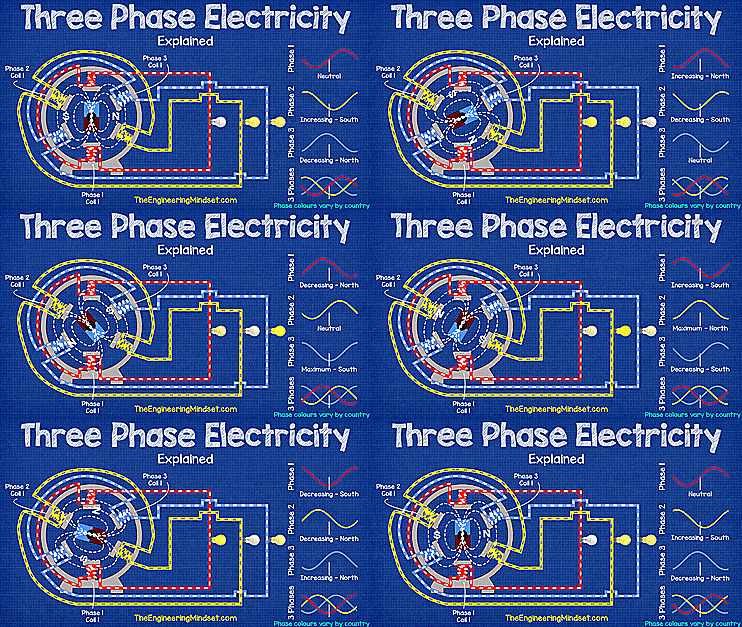
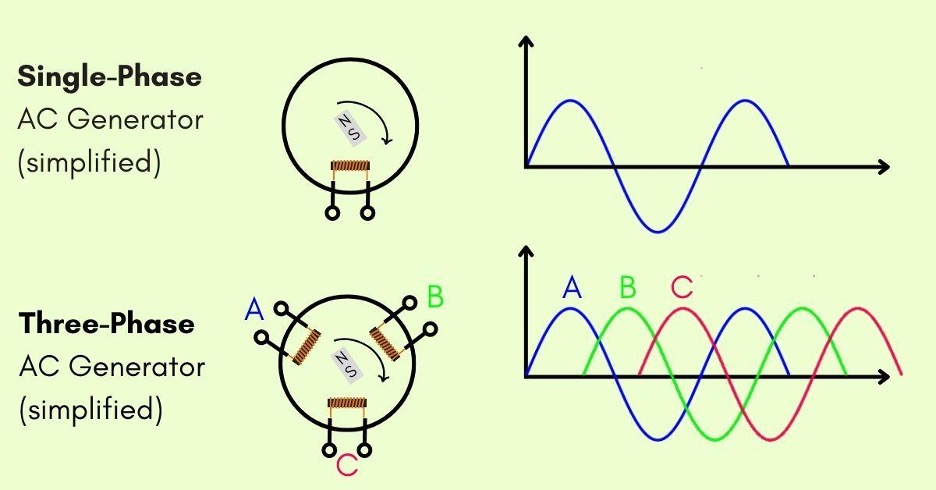
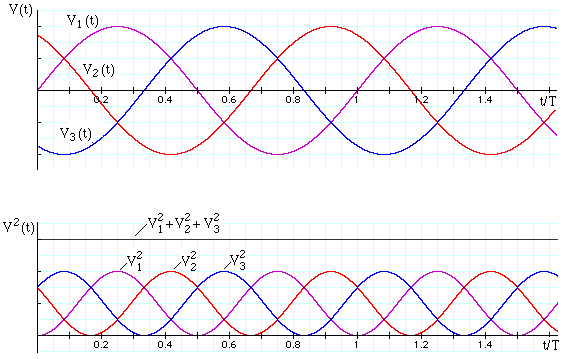
A 3 Phase Ac Generator converts mechanical energy into three-phase electrical energy. It uses a rotating magnetic field and stationary windings to produce three alternating voltages that are 120 degrees apart. Compared with single-phase, a 3 Phase Ac Generator gives steadier power, lower conductor costs, and better motor performance. These traits make the 3 Phase Ac Generator the backbone of industrial and large-scale electrical systems.

How a 3 Phase Ac Generator Works
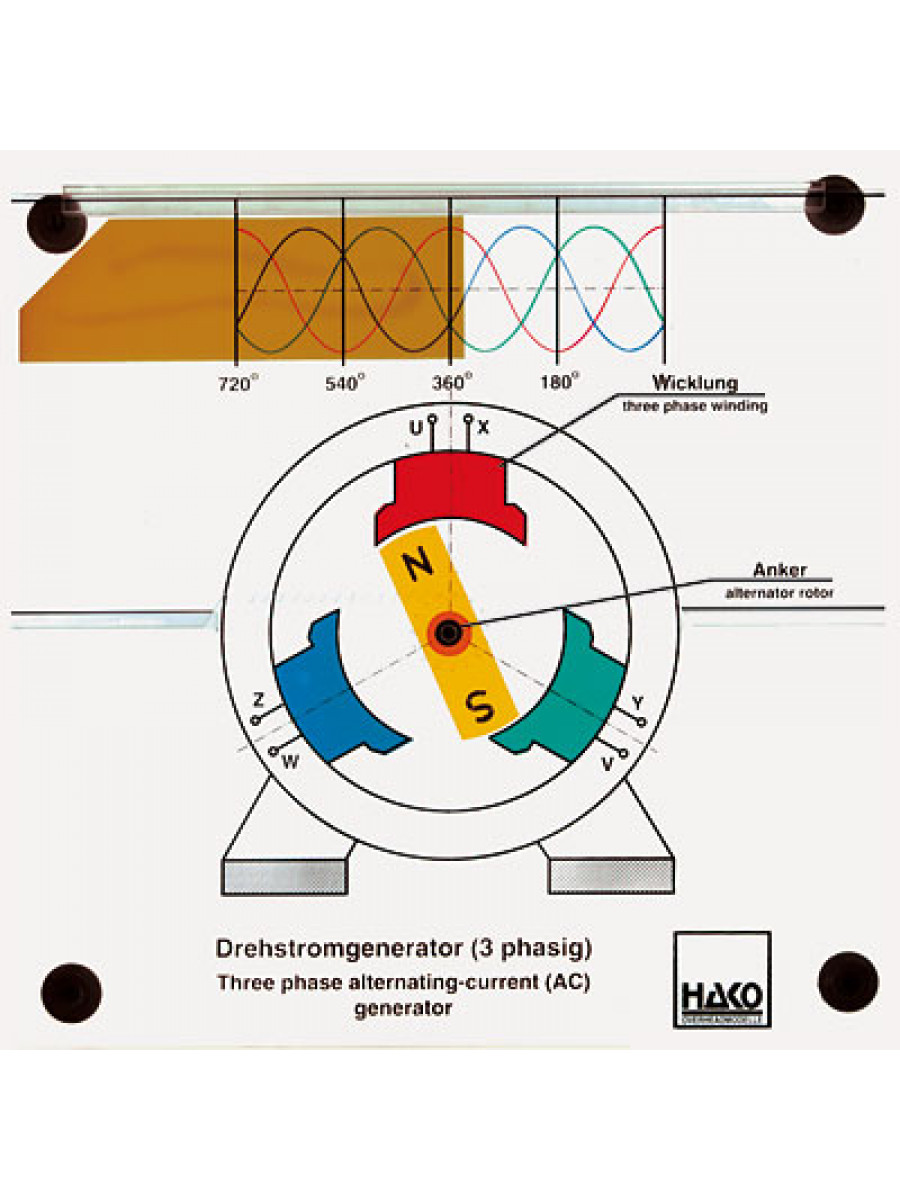
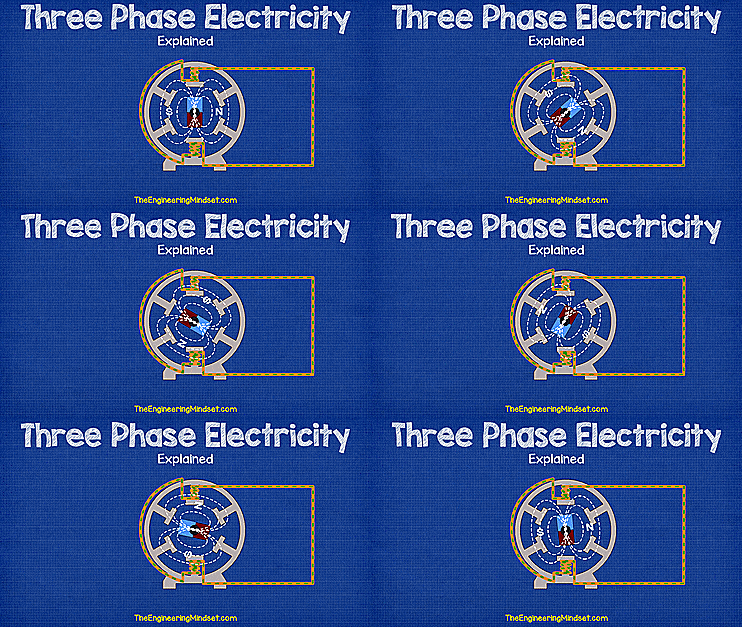
The working principle is simple: rotate a magnetic field near coils. The rotating magnetic field induces alternating voltage in each stator winding. Because the windings are spaced evenly, their voltages are phase-shifted by 120 degrees. In synchronous designs, the rotor speed sets the output frequency; in induction types, grid connection or prime mover controls the frequency indirectly. The predictable phase relationships of a 3 Phase Ac Generator let engineers design balanced loads and stable power systems.
Key Components of a 3 Phase Ac Generator
A 3 Phase Ac Generator includes a few essential parts:
- Stator windings: produce output voltages for the three phases.
- Rotor (field): creates the rotating magnetic field by using permanent magnets or DC excitation.
- Slip rings and brushes or brushless exciter: supply field current on synchronous machines.
- Bearings and shaft: support rotation and transmit torque.
- Cooling system: air or liquid cooling maintains temperature limits.
- Voltage regulation system: controls output voltage under load.
Each component affects reliability and performance. Knowing them helps with maintenance and upgrades of your 3 Phase Ac Generator.
Types and Configurations
There are several common types and connection options for a 3 Phase Ac Generator:
- Synchronous generators: used in power plants and large applications, they run at a fixed speed to produce a fixed frequency.
- Induction generators: useful for wind turbines and small hydro; they need a reference grid or capacitor bank.
- Star (Y) connection: provides a neutral and multiple voltage options.
- Delta (Δ) connection: no neutral, but better for certain motor loads and harmonics.
Choosing the right type of 3 Phase Ac Generator depends on application, grid connection, and control needs.

Performance Factors and Efficiency
Several factors determine how well a 3 Phase Ac Generator performs:
- Load balance: uneven loads reduce efficiency and increase heating.
- Power factor: low power factor increases current and losses; correction improves performance.
- Cooling and ventilation: poor cooling causes hot spots and reduces life.
- Mechanical alignment: shaft misalignment leads to vibration and bearing wear.
Optimizing these increases the life and efficiency of any 3 Phase Ac Generator.

Applications and Benefits
A 3 Phase Ac Generator is widely used because it delivers reliable, efficient power:
- Industrial plants: run heavy motors and large loads smoothly.
- Utility power plants: form the core of grid generation.
- Renewable systems: wind farms often use three-phase generators for direct grid tie.
- Marine and rail: provide compact, robust power on board.
Benefits include smoother torque for motors, lower conductor cost for transmission, and easier load sharing between machines. These advantages explain why the 3 Phase Ac Generator is the standard for commercial and industrial power.
Installation, Operation, and Maintenance Tips
Practical steps help you get the most from a 3 Phase Ac Generator:
- Install on a firm foundation to minimize vibration.
- Ensure correct wiring for star or delta connections.
- Check phase rotation before connecting motors or sensitive equipment.
- Perform regular inspections for brushes, slip rings, and cooling paths.
- Keep spare parts for bearings, seals, and filters on hand.
From my experience, routine checks catch small faults early. I once traced a chronic vibration to a loose fan blade, which simple tightening fixed and avoided a costly downtime.

Common Problems and Troubleshooting
Typical issues with a 3 Phase Ac Generator include:
- Phase unbalance: causes heating and poor motor performance; check load distribution and wiring.
- Overheating: inspect cooling, ventilation, and load limits.
- Excitation faults: lead to low voltage or instability; test exciter circuits and regulators.
- Bearing noise or wear: replace early to prevent shaft damage.
Troubleshooting often follows a simple checklist: visual inspection, electrical testing, vibration analysis, and thermal imaging. These methods quickly pinpoint faults in a 3 Phase Ac Generator.
Practical Sizing and Selection Advice
To select the right 3 Phase Ac Generator, follow clear steps:
- Estimate peak and continuous load in kilowatts.
- Determine required voltage and frequency.
- Factor in starting currents for motors and equipment.
- Choose a generator with 10–25% extra capacity for headroom.
- Consider duty cycle, ambient conditions, and ventilation needs.
I have sized many systems; oversizing slightly reduces stress and extends life, while undersizing is a common, costly mistake.
Safety and Regulatory Considerations
Safety matters when working with a 3 Phase Ac Generator:
- Follow lockout/tagout procedures before maintenance.
- Ground the generator and neutral properly to avoid touch voltage.
- Use proper protective devices: breakers, relays, and surge protection.
- Comply with local electrical codes and utility interconnection rules.
Respecting safety standards keeps personnel safe and ensures your 3 Phase Ac Generator operates within legal and technical limits.
Frequently Asked Questions of 3 Phase Ac Generator
What is a 3 Phase Ac Generator used for?
A 3 Phase Ac Generator supplies three-phase electrical power to motors, industrial loads, and grids. It is the standard choice for large-scale and continuous power needs.
How does a 3 Phase Ac Generator differ from single-phase?
A 3 Phase Ac Generator produces three voltages offset by 120 degrees, giving smoother power and lower conductor cost than single-phase systems. It also supports better motor starting and efficiency.
How do I check phase rotation on a 3 Phase Ac Generator?
Use a phase rotation meter or a three-phase motor test to verify rotation. Correct rotation protects motors and equipment from reverse rotation damage.
Can I run a single-phase load on a 3 Phase Ac Generator?
Yes, you can run single-phase loads on a 3 Phase Ac Generator by connecting across two phases or between phase and neutral. Avoid heavy unbalanced loading to prevent overheating.
What maintenance is essential for a 3 Phase Ac Generator?
Regular tasks include checking brushes and slip rings, inspecting cooling systems, monitoring bearing condition, and testing voltage regulation. Scheduled maintenance prevents major failures.
Conclusion
A 3 Phase Ac Generator offers reliable and efficient three-phase power for industries, grids, and renewable systems. Understanding its components, operation, and maintenance helps you pick, run, and protect the right machine. Start by sizing correctly, balancing loads, and keeping to a simple maintenance schedule. If you found this useful, try applying the checklist to your setup, subscribe for updates, or leave a comment about your experience with three-phase generators.