
A 900 watt generator runs small appliances, charges devices, and powers LED lights reliably.
I’ve worked with portable power for years and tested small generators in real homes and on job sites. This guide on 900 Watt Generator What Can It Power How Use It Effectively breaks down what that size can run, how to use it safely, and practical tips to get the most life and value from one. You’ll get clear examples, plain-language math, and hands-on advice to decide if a 900 watt unit fits your needs.
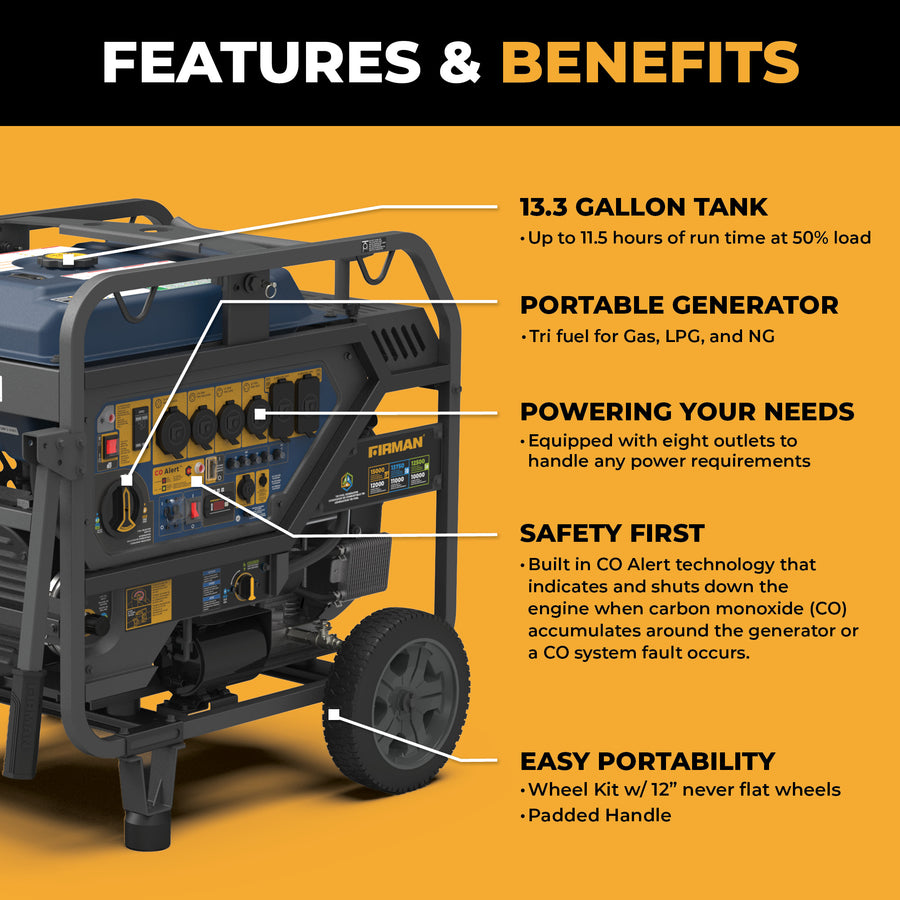
How a 900 Watt Generator Works
A 900 watt generator produces about 900 watts of continuous electrical power. Peak or starting watts can be higher for brief moments. That matters when you try to start motors like refrigerators or pumps. Most small units use a gasoline engine paired with an alternator or an inverter to make clean AC power for electronics.
Key technical points:
- Rated watts: the steady power output you can use continuously.
- Surge or starting watts: short higher output to start motors and compressors.
- Inverter vs. conventional: inverter models give cleaner power for sensitive devices.
When you understand these basics, you can match devices to the generator safely and avoid overloads.

What a 900 Watt Generator Can Power
When asking 900 Watt Generator What Can It Power How Use It Effectively, think in two buckets: resistive loads and motor (inductive) loads. Resistive loads are simple. They draw steady power. Motor loads need higher starting watts.
Typical items a 900 watt generator can run:
- LED lights and lamps
- Phone and laptop chargers
- Small TV and streaming device
- Portable fan or ceramic heater (small models)
- Mini-fridge or cooler with low starting watts (only one item at a time)
- Hand tools like drills or small saws for short periods
Examples and watt estimates:
- Phone charger: 5–10 watts
- Laptop: 30–70 watts
- LED TV (32"): 30–80 watts
- Mini-fridge: 100–400 watts running; 500–800 watts starting (may or may not start)
- Coffee maker: 800–1,200 watts (likely overload)
If you need to know if a specific appliance will run, look at its nameplate for running and starting watts. When planning loads, add running watts and ensure the total never exceeds the rated 900 watts, and check starting watts against surge capacity from the generator.

People also ask: Can a 900 watt generator run a refrigerator? A small fridge might run if its starting surge is within the generator’s peak output. However, many full-size fridges have high starting demands that exceed small generators.
People also ask: How long will a 900 watt generator run? Runtime depends on fuel tank size and load. At half load, many small units run 4–8 hours per tank.

How to Use a 900 Watt Generator Effectively
Using 900 Watt Generator What Can It Power How Use It Effectively starts with realistic planning. Follow these steps to get reliable power and avoid damage.
Steps to use it well:
- List devices and note running and starting watts.
- Prioritize essentials: lights, phone, medical devices, fridge.
- Start with low-load items, then add medium loads one at a time.
- Avoid high-watt appliances like electric stoves, space heaters, or central AC.
Practical tips from field tests:
- Use power strips with surge protection for electronics.
- Turn off surge-heavy devices (like compressors) while starting other items.
- Run the generator outdoors, on level ground, and away from windows to avoid carbon monoxide.
- Let motor loads like a fridge stabilize before connecting other heavy loads.
A simple load check can save the unit from overload trips and protect appliances. Remember that 900 Watt Generator What Can It Power How Use It Effectively depends on careful load sequencing and knowing peak requirements.
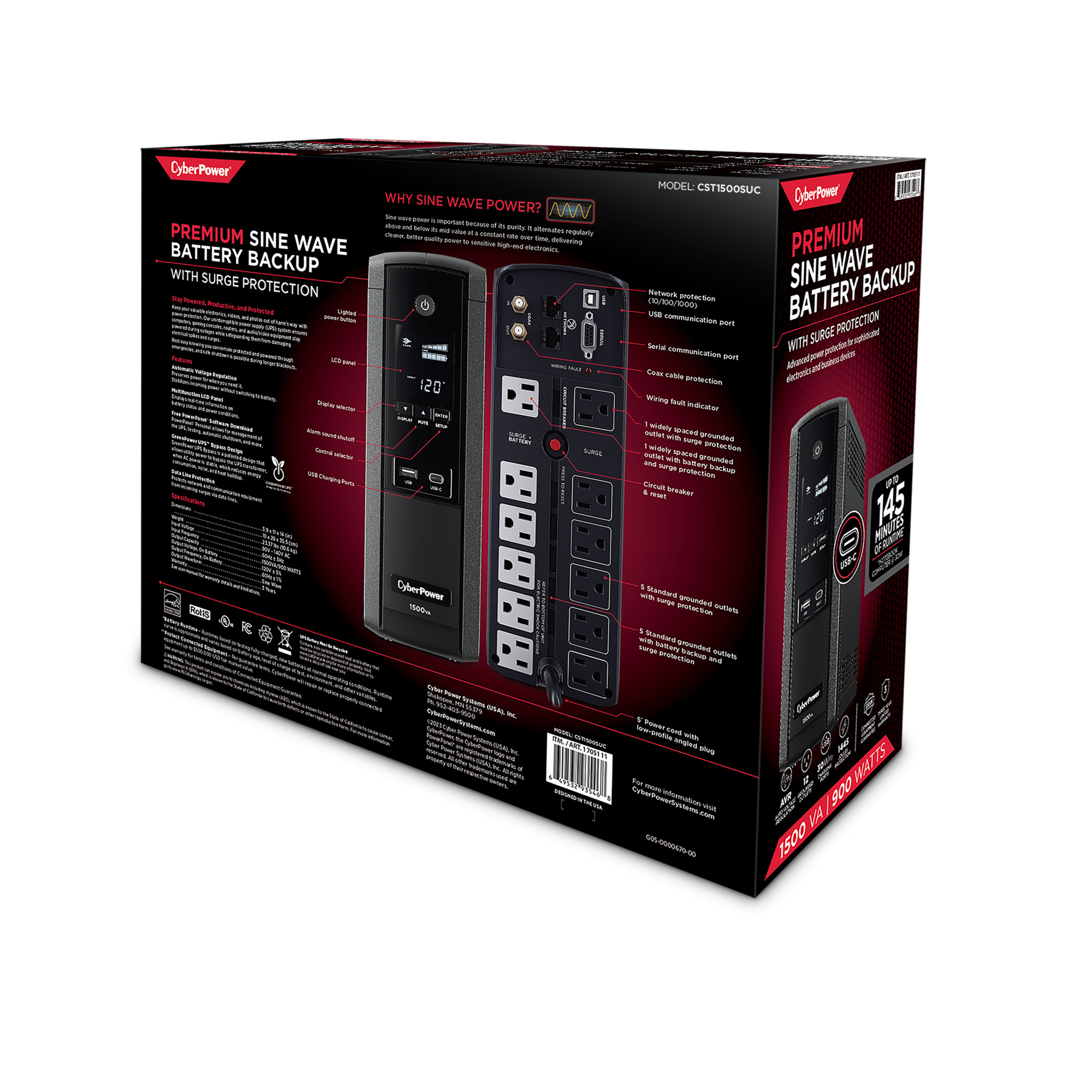
Safety and Maintenance
Safety matters more than convenience. Treat small generators like any combustion engine.
Essential safety rules:
- Never run it indoors or in enclosed spaces. Carbon monoxide kills.
- Keep it dry. Protect from rain but avoid enclosed covers while running.
- Use proper extension cords rated for outdoor use and the current draw.
- Let the generator cool before refueling to prevent fires.
Maintenance basics to extend life:
- Change oil after the break-in period and then as recommended.
- Replace spark plugs and air filters yearly or per hours used.
- Drain fuel for long storage or use a fuel stabilizer.
- Test the unit under load every few months to keep it reliable.
I learned the hard way that skipping an oil change shortens life and increases noise. Routine care keeps small generators ready for emergencies and daily use.
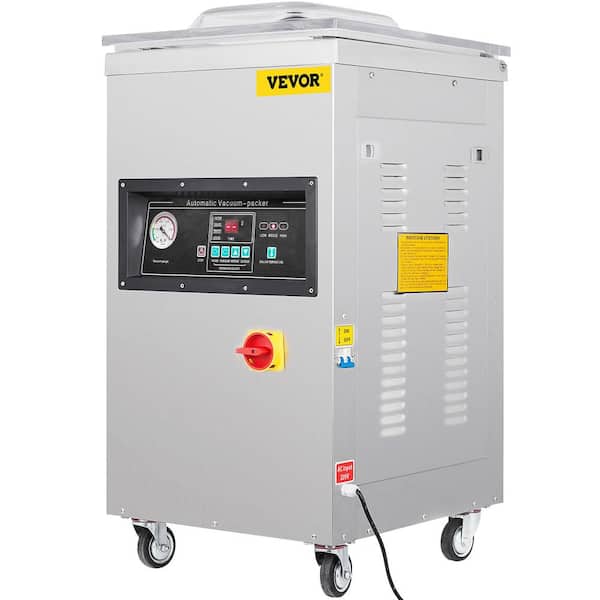
Buying Tips and Real-World Use Cases
If you plan to buy a unit, follow these tips to match needs and avoid regrets.
- Confirm running and peak watts. Compare to your list of devices.
- Choose inverter models for sensitive electronics.
- Check fuel capacity and runtime at common loads.
- Look for low noise ratings if you’ll run it near people.
- Consider portability: weight and handle/wheel options matter.
Real-world scenarios where a 900 watt generator is ideal:
- Weekend camping to power lights, a small fridge, and phone chargers.
- Emergency backup for essential lights, medical devices, and a router.
- Job-site spot power for charging tools and running small equipment briefly.
From personal experience, a 900 watt unit saved a weekend camping trip when the campsite power failed. It powered a cooler and charged devices for two people with minimal fuel. That taught me to size loads conservatively and always test the unit before relying on it. Practical usage of 900 Watt Generator What Can It Power How Use It Effectively comes down to planning, test runs, and honest load limits.
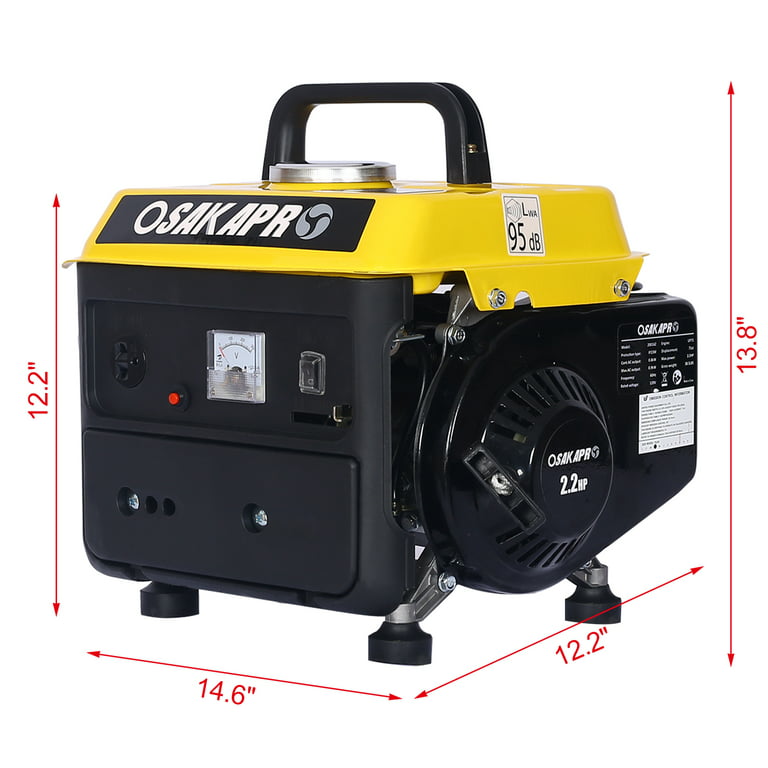
Frequently Asked Questions of 900 Watt Generator What Can It Power How Use It Effectively
What appliances will a 900 watt generator run?
A 900 watt generator will run small appliances like LED lights, phone chargers, laptops, and some mini-fridges. Motor-driven appliances may need higher starting watts, so check the surge rating first.
Can a 900 watt generator start a refrigerator?
It may start a small or energy-efficient mini-fridge if the generator’s surge capacity covers the fridge’s starting wattage. Large refrigerators usually need more surge power than a 900 watt unit provides.
How long does a 900 watt generator run on one tank?
Runtime varies by tank size and load; many run 4 to 8 hours at half load on a standard tank. Exact runtime depends on engine efficiency and how hard you push the generator.
Is an inverter 900 watt generator better for electronics?
Yes. Inverter generators produce cleaner, more stable power, which is safer for laptops and sensitive electronics than conventional models.
Can you run a space heater on a 900 watt generator?
Most space heaters draw 1,000 to 1,500 watts, so they usually exceed a 900 watt generator’s capacity. Running one could overload the generator and trip protective circuits.
How do I calculate if my devices fit a 900 watt generator?
Add the running watts of each device. Include the highest starting watt among motor loads. Ensure the running total is under 900 watts and that the generator’s surge capacity can handle the largest starting spike.
Are there noise or pollution rules for using a generator?
Local regulations can limit noise and run times, especially in campsites or communities. Always follow local codes and use outdoors to reduce carbon monoxide risk.
Conclusion
A 900 watt generator fits well for camping, light emergency backup, and small job-site needs. Know the difference between running and starting watts, plan your load list, and follow safety and maintenance steps to use one effectively. If you test loads, choose an inverter for electronics, and respect safety rules, a 900 watt generator can be a reliable, compact power source.
Take action: list your essential devices, check their wattage, and test a small generator ahead of a need. Share your experience or questions below, or subscribe to stay updated on practical power tips.