
Most Westinghouse generator batteries reach full charge in about 8–12 hours with a proper 1–2A charger.
I’ve worked on portable generators and battery systems for years, and this guide explains exactly how long to charge Westinghouse generator battery, why times vary, and how to charge safely and correctly. Read on for clear steps, real-world tips, and quick checks you can use today to keep your Westinghouse generator reliable when you need it.
 westinghouse generator battery?”
style=”max-width: 100%; height: auto; border: 2px solid black; border-radius: 10px; display: block; margin: 0 auto;”
loading=”lazy”
/>
how long to charge westinghouse generator battery?
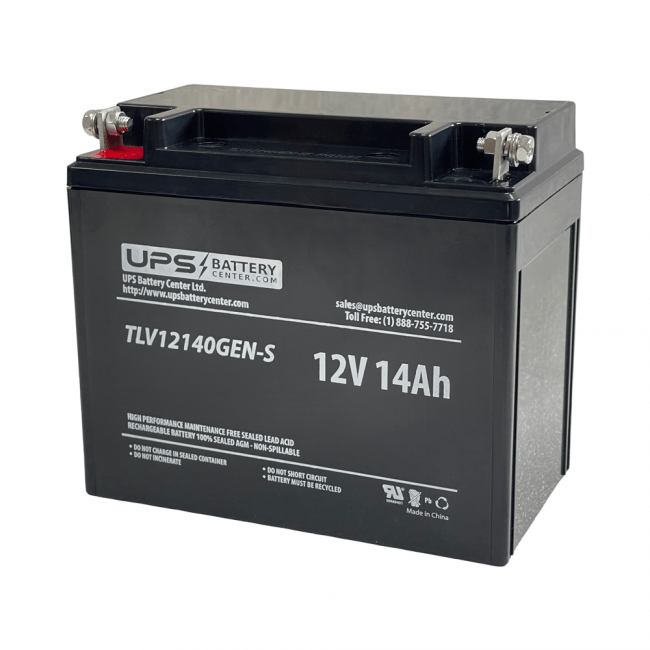
How long to charge Westinghouse generator battery depends on the battery capacity, state of charge, and charger current. Small 12V generator batteries often take 8–12 hours on a 1–2A charger. Larger or deeply discharged batteries can take 12–24 hours or longer with low-current chargers.
A simple rule of thumb is: charge hours = (battery Ah × 1.25) ÷ charger amps. The 1.25 factor covers charging inefficiency and lead-acid chemistry losses. Use this to estimate realistic charging time for your specific Westinghouse battery.
Factors that affect charging time
Battery capacity and chemistry
- Battery Ah rating determines how many amp hours you must replace.
- Lead-acid, AGM, and gel batteries have different charging efficiencies and tolerance.
Charger type and current
- A 1A trickle charger charges slowly but safely.
- A 10A charger charges faster and is better for large batteries or quick returns.
State of charge
- A mostly discharged battery takes longer to reach full charge than a partially charged one.
- Sulfated or aged batteries accept charge slowly.
Temperature and environment
- Cold batteries charge slower. Warm batteries charge faster.
- Extreme temps can damage battery life and change charging behavior.
Onboard charging vs external charger
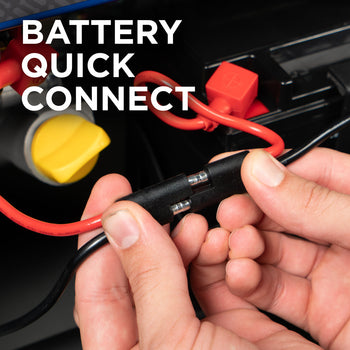
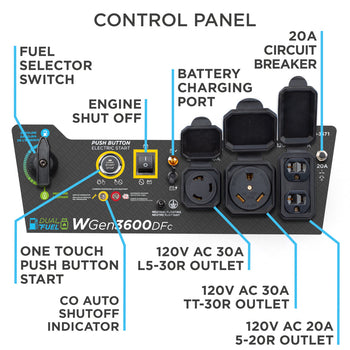
- Some Westinghouse models offer an onboard charging circuit while others need an external charger.
- Onboard systems may not fully charge a drained battery as effectively as a dedicated charger.

How to charge a Westinghouse generator battery step-by-step
- Gather tools and safety gear
- Wear eye protection and gloves.
- Use a charger rated for 12V lead-acid batteries.
- Inspect the battery
- Check terminals for corrosion and tightness.
- Look for cracks or leaks in the battery case.
- Measure battery voltage
- Use a multimeter. 12.6V or higher is full. 12.2V is about 50%.
- Below 11.8V suggests a deeply discharged or failing battery.
- Choose charger settings
- For routine charging use a smart charger or a 1–2A trickle charger.
- For faster recovery use a charger with higher amps but follow manufacturer limits.
- Connect correctly
- Turn charger off before connecting.
- Attach positive to positive and negative to negative.
- Start charging, then set the appropriate mode if your charger has options.
- Monitor and finish
- Check the battery periodically for heat or swelling.
- When charger indicates full, disconnect charger power first, then remove clamps.

Types of chargers and charging modes
Smart (automatic) chargers
- Adjust voltage and current.
- Prevent overcharge and maintain battery health.
Trickle chargers
- Low current (0.5–2A).
- Ideal for long-term maintenance and storage.
Fast chargers
- High current for quick charging.
- Use sparingly; they stress the battery if used often.
Float and maintenance modes
- Float keeps battery topped up without overcharging.
- Maintenance mode cycles charge to offset self-discharge.
Choosing the right charger helps control how long to charge Westinghouse generator battery and how healthy the battery will be over time.

Maintenance tips to extend battery life
Charge regularly
- Top off the battery monthly if stored unused.
- Use a smart maintainer during long storage.
Keep terminals clean
- Remove corrosion with a brush and baking soda solution.
- Apply a thin film of dielectric grease to prevent future corrosion.
Store in cool, dry place
- Avoid extreme heat and freezing cold.
- Temperature stability prolongs battery life.
Avoid deep discharges
- Deep cycling shortens life of lead-acid generator batteries.
- Keep battery above 50% where possible.
Replace old batteries proactively
- Batteries over 3–5 years often lose capacity.
- Replace before failure to avoid being stranded.
Troubleshooting common charging issues
Battery won’t reach full voltage
- Check charger output and connection polarity.
- Test battery for sulfation or bad cells.
Charger indicates error or won’t start
- Ensure charger is set for 12V lead-acid and not for a different chemistry.
- Try another charger to isolate the problem.
Battery heats up while charging
- Stop charging immediately. Heat signals overcharge or internal damage.
- Test battery and consider replacement.
Generator does not charge battery while running
- Some Westinghouse models don’t provide a charging circuit. Confirm with manual.
- Use external charger or replace with recommended part.

Safety precautions when charging
Ventilate the area
- Charging can release hydrogen gas. Work in a ventilated space.
Avoid sparks and open flames
- Keep flames and sparks away from battery vents.
Disconnect the battery when servicing the generator
- Always remove negative terminal first.
- Reconnect negative last.
Use correct charger and settings
- Wrong settings can overheat or damage the battery.
Personal experience and real-world tips
I once had a Westinghouse portable unit that sat unused for a season. The battery read 11.5V. I used a 2A smart charger and it took about 14 hours to reach 12.6V and stabilize. After a few cycles on a maintainer, the battery stayed reliable for another two years.
Lessons learned
- Use a smart maintainer during storage to avoid deep discharge.
- Always calculate charge hours with the battery Ah and charger amps.
- Replace batteries older than four years if you rely on the generator for power outages.

Frequently Asked Questions of how long to charge westinghouse generator battery
How long does it take to charge a Westinghouse generator battery with a trickle charger?
A trickle charger at 1–2A typically takes 8–20 hours depending on battery state and capacity. Deeply discharged batteries can require longer or multiple sessions.
Can I use a car battery charger on my Westinghouse generator battery?
Yes if the charger is set for 12V lead-acid and has proper control. Use a smart charger to avoid overcharging and damage.
How do I know when my Westinghouse generator battery is fully charged?
A multimeter reading around 12.6V to 12.8V at rest indicates full charge. Smart chargers often signal when charging is complete.
Will charging time shorten battery life?
Fast, frequent high-current charging can stress a lead-acid battery. Using a smart charger or maintenance mode helps preserve battery life and reduces the impact of charging time.
What if my generator battery won’t hold a charge after charging for recommended time?
If the battery won’t hold voltage after a full charge cycle, it may be sulfated or failing. Consider load testing or replacing the battery.
Conclusion
Charging a Westinghouse generator battery correctly keeps your unit ready when power fails. Use the battery Ah and charger amps to estimate time, prefer smart or trickle chargers for maintenance, and follow safety steps. Regular checks and a maintainer during storage will extend battery life and reduce surprises.
Take action: check your battery voltage today, pick the right charger, and set a monthly maintenance routine. Share your experience or questions below and subscribe for more practical generator care tips.