
Use the onboard 12V charging port, a compatible 12V charger, or a trickle/solar charger safely.
I’ve worked with Westinghouse portable generators for years and helped friends and clients keep their units ready. This guide explains how to charge battery on Westinghouse generator step by step, with clear methods, safety tips, troubleshooting, and practical maintenance routines. You’ll get easy instructions for using the generator’s built-in charging, external chargers, and solar options. Read on to learn reliable, safe ways to keep your Westinghouse battery healthy and ready when you need power.
Understanding the Westinghouse generator battery system
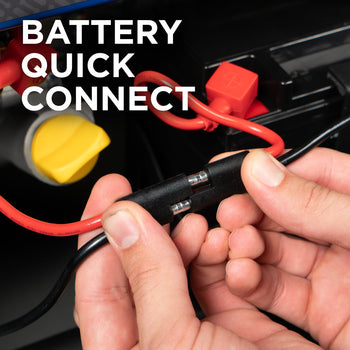
Most Westinghouse portable generators use a 12V lead-acid battery for electric start. The battery powers the starter solenoid and electric start motor. Many models include a 12V DC charging output or an internal charge regulator that will recharge the battery while the engine runs.
Key points to know:
- Battery type: Usually 12V sealed lead-acid or AGM. Check your manual for exact specs.
- Charging source: Charging can come from an onboard regulator while running or from an external 12V charger connected to the battery terminals.
- Common designs: Smaller inverter models often use a simple 12V port; larger models may have a dedicated charging circuit.

Source: youtube.com

Safety first: precautions before you begin
Charging a battery involves acid, sparks, and electricity. Keep safety simple and strict.
Safety checklist:
- Wear eye protection and gloves.
- Work in a well-ventilated area away from open flames.
- Turn off the generator and remove keys before connecting or disconnecting battery leads.
- Disconnect negative terminal first when removing the battery, reconnect it last when installing.
- Avoid metal tools across battery terminals to prevent short circuits.
Always follow the generator owner’s manual for any model-specific warnings or steps.

Methods to charge battery on Westinghouse generator
There are several practical ways to charge the battery. Choose one based on tools and urgency.
Options:
- Onboard charging while the generator runs
- External 12V automatic charger (bench or smart charger)
- Trickle charger/maintainer for storage
- Jump-starting and then running the generator to let onboard charging work
- Solar 12V charge controller with compatible panels
Each method works for typical 12V generator batteries. Below are step-by-step guides and when to use each method.

Step-by-step: charging with the onboard charging system
Many Westinghouse generators will charge the battery while the engine runs. Use this when the battery is only a little low.
Steps:
- Inspect battery for corrosion or damage. Clean terminals if needed.
- Ensure battery is properly secured and connections are tight.
- Start the generator using pull start or a charged battery.
- Run the generator at a steady idle or slightly higher rpm for at least 30–60 minutes. This allows the onboard regulator to provide a charge.
- Turn off generator and measure battery voltage. A healthy 12V battery at rest reads about 12.6V; above 13V just after charging is normal.
Tips:
- If the battery is deeply discharged (under 11.5V), onboard charging may take many hours or may not restore it fully.
- If the generator won’t start because the battery is dead, use an external charger or jump-start first.

Source: reddit.com

Step-by-step: using an external 12V smart charger
A smart charger is safest for a lead-acid or AGM battery. Use this for regular charging or to revive a low battery.
Steps:
- Remove generator keys and switch off all controls.
- Disconnect the battery negative terminal first.
- Remove the battery if your charger manual requires it, or access the battery terminals.
- Connect charger positive to battery positive, then negative to battery negative.
- Set the charger to the battery type (AGM, sealed, lead-acid) and select correct amperage (2–10 amps for safe charging).
- Allow charger to complete its automatic cycle. This can take 2–12 hours depending on battery state.
- Reinstall battery, connect negative last, and start the generator to confirm.
Why use a smart charger:
- Prevents overcharging.
- Has desulfation modes for older batteries.
- Safe for long periods.

Source: crossfirewelders.com
Step-by-step: trickle chargers and maintainers for storage
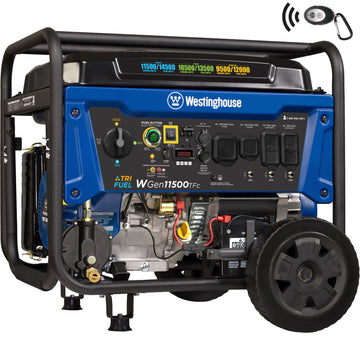
If you store your Westinghouse generator for months, a trickle charger is ideal.
How to use:
- Clean and inspect battery and terminals.
- Connect trickle charger positive to positive, negative to negative.
- Plug in the trickle charger and let it run. Many maintainers switch to float mode when fully charged.
- Check battery monthly. A trickle charger prevents deep discharge and sulfation.
Trickle chargers are low-amperage (usually 0.5–2 amps) and safe for long-term connection.

Step-by-step: jump-starting and charging afterward
If your battery is dead and you need to start the generator quickly, jump-start safely.
Jump-start steps:
- Position a donor vehicle or portable jump pack near the generator, both engines off.
- Connect positive to positive, then negative to a grounded metal on the generator frame away from the battery.
- Start donor, then start generator. Remove cables in reverse order.
- Run the generator for at least 30–60 minutes so the onboard charging can raise battery voltage.
- Use a smart charger later to fully condition the battery if needed.
Note: Repeated jump-starts indicate a weak battery or charging problem. Address root cause to avoid damage.

Using solar to charge a Westinghouse generator battery
Solar charging is a clean option for off-grid battery maintenance.
How to set up:
- Use a 12V solar panel with a charge controller sized for battery capacity.
- Connect panel to controller, then controller to battery terminals (positive then negative).
- Ensure controller settings match battery type (AGM, GEL, flooded).
- Monitor charging and disconnect when complete or let the controller maintain float.
Solar is slower but excellent for maintenance during long storage or remote use.

Troubleshooting charging problems
If charging fails, run these checks.
Troubleshooting steps:
- Check battery voltage with a multimeter. Under 11.5V could be deeply discharged.
- Inspect terminals for corrosion and clean if needed.
- Verify charger output at the charger leads.
- Check generator’s charging port fuse and wiring. Replace blown fuses.
- If battery won’t hold charge, it may be sulfated or failing; a load test can confirm.
When to replace the battery:
- Fails load testing
- Shows swelling or leaks
- Consistently fails to hold charge after proper charging cycles
If you suspect regulator or alternator issues in the generator, consult a qualified technician.
Maintenance and best practices
Small habits extend battery life and prevent failures.
Maintenance tips:
- Store generator with battery disconnected if not used for months.
- Use a trickle charger or maintainer during long storage.
- Clean terminals with a baking soda solution and brush annually.
- Check fluid levels on non-sealed batteries and top with distilled water if low.
- Keep battery and generator dry and secured to avoid vibration damage.
Replace the battery every 3–5 years or sooner if you rely on frequent starts.
Personal experience and practical lessons
From my work maintaining portable power for events and homes, I learned a few rules that save time and money.
My hands-on lessons:
- I once tried to revive a deeply discharged AGM with only the onboard charging. It took days and never fully recovered. Using a smart charger fixed it much faster.
- Keeping a small 2-amp maintainer connected during storage prevented a no-start situation before a storm.
- Label battery purchase date and warranty. That helped me avoid repeated troubleshooting for a battery past its life.
Practical tip: Carry a compact smart charger and jumper pack with your generator. They solve most battery problems on the spot.
Frequently Asked Questions of how to charge battery on westinghouse generator
How long does it take to charge a Westinghouse generator battery?
Using an onboard charge while running, expect 30–60 minutes for a partial charge; full recovery can take several hours. Using a smart charger, typical full charges take 2–12 hours depending on battery size and depletion level.
Can I leave a charger connected to my Westinghouse battery long-term?
Yes, use a float-mode smart charger or maintainer designed for long-term connection to prevent overcharging and keep the battery ready without damage.
Will the generator automatically charge the battery when running?
Many Westinghouse models will supply charging current while running, but rate and effectiveness depend on battery condition and model. If in doubt, use an external smart charger to ensure proper charging.
Can I use a car battery charger on my generator battery?
Yes, if the charger is compatible with 12V lead-acid or AGM batteries and you follow safety steps. Use a smart charger to avoid overcharging and set the correct battery type.
How do I know if the battery is bad or just discharged?
A battery that drops below about 10.5V and fails a load test likely needs replacement. If voltage rises after charging but quickly falls under load, the battery is likely failing.
(End of FAQ)
Final thoughts and next steps
You now have clear, practical ways to charge battery on Westinghouse generator safely. Use onboard charging for light top-ups, smart chargers for reliable conditioning, trickle chargers for storage, and solar for off-grid maintenance. Regular checks, cleaning, and the right tools prevent most failures.
Act now: check your generator battery type and condition, pick a smart charger suited to that battery, and add a maintainer to your kit. If you found this useful, subscribe for more generator care tips or leave a comment with your model and question.