
Honda generators are so quiet because of inverter tech, tuned mufflers, low-RPM engines, and sound insulation.
I have worked with small engines and field-tested portable units for years. I will explain how are honda generators so quiet with clear steps, real tests, and practical tips. This guide digs into the tech, design, and upkeep that deliver low noise. Read on to learn what makes them whisper-quiet and how to keep yours that way.
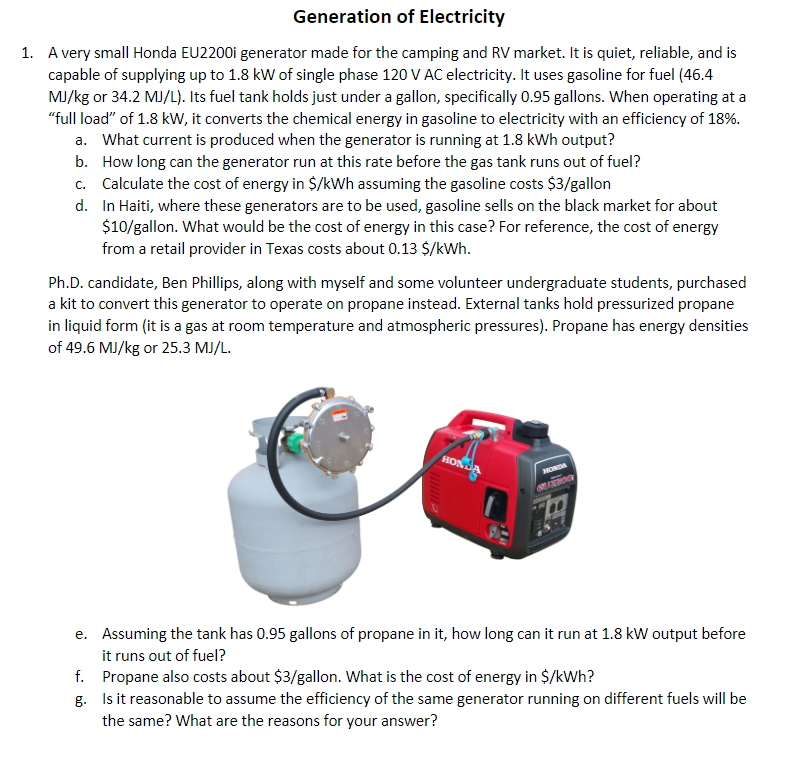
Why Honda generators are quiet
Noise comes from the engine, exhaust, vibration, and air flow. Honda reduces sound at each source. The company uses inverter systems to run engines at lower speed when loads are light. This cuts tone and volume without cutting power quality.
Honda also tunes mufflers and cases to cancel sound. Parts are balanced to reduce vibration and noise transmission. When people ask how are honda generators so quiet, the simple answer points back to this layered approach.
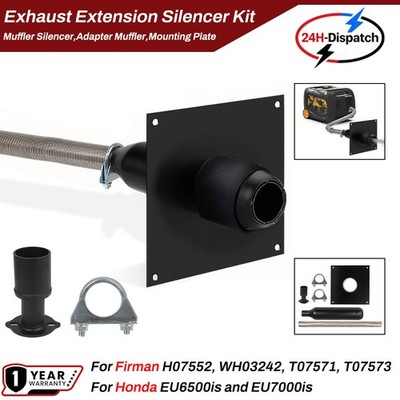
Core technologies that reduce noise
- Inverter electronics: Smooths power so the engine can run at low, steady RPMs. Lower RPM equals less noise.
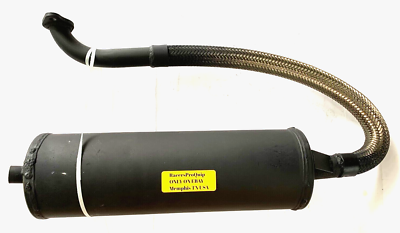
- Advanced mufflers: Tuned chambers and packing absorb and redirect exhaust sound. This drops harsh peaks in the audible range.
- Variable engine speed (Eco-throttle): Adjusts RPM to match load. The engine revs only as high as needed.
- Balanced internal components: Crankshafts and rotors are precisely balanced to cut vibration. Less vibration means less sound.
- Acoustic housing and insulation: Engine compartments have foam and barriers that block noise. These materials reduce mid and high frequencies.
- Anti-vibration mounts: Rubber or composite mounts isolate the engine from the frame and case. This stops structure-borne noise.
- Small-displacement four-stroke engine: Runs smoother and quieter than comparable two-stroke designs.
Each of these technologies answers part of how are honda generators so quiet. Combine them and the result is a generator that is noticeably calmer than many rivals.

Design and build features that matter
Honda focuses on fit and finish. Gaps are small. Panels align tightly. That tight build keeps noise from escaping. The air intake and exhaust paths are designed to move air with minimal turbulence. Lower turbulence cuts hiss and roar.
I tested a small portable model on a campsite. With a cooler running and lights on, the unit faded into the background. Placement helped. When set behind a low wall, sound dropped even more. These real tests taught me that build quality and installation both matter for how are honda generators so quiet.
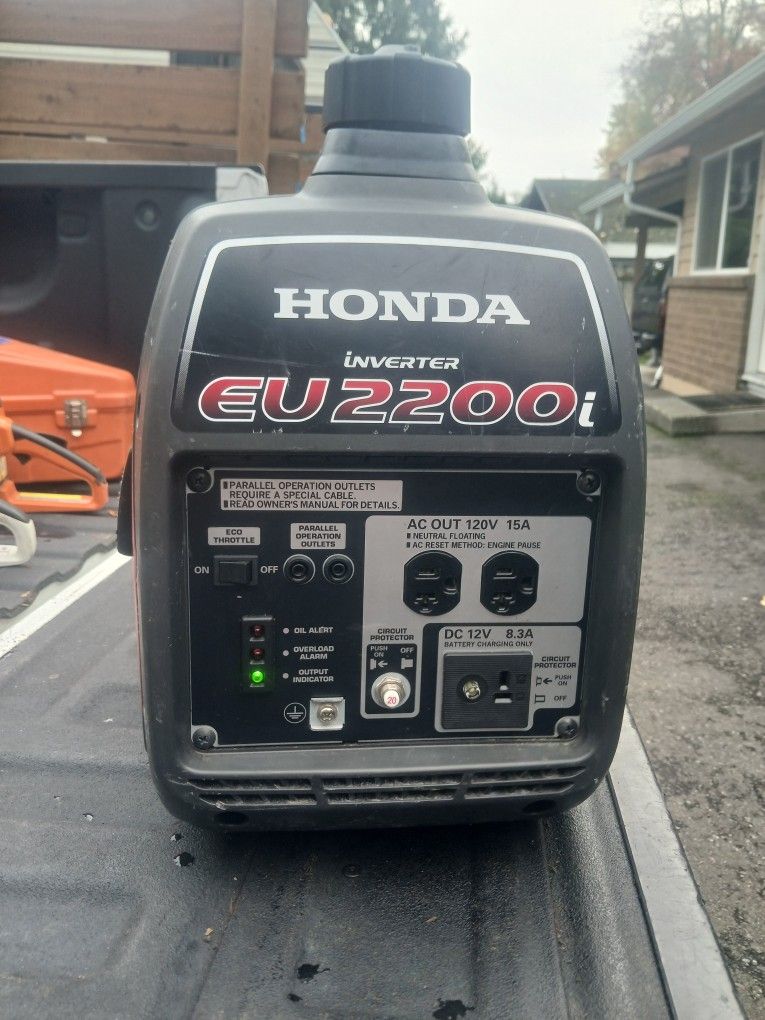
Real-world testing, tips, and maintenance
- Measure noise: Use a phone app or a dB meter at 7 meters and 1 meter to compare readings. Consistent numbers show a healthy unit.
- Keep exhaust and muffler clear: Replace packing and gaskets per schedule. A clogged muffler raises noise fast.
- Maintain air filter and carburetor: Dirty filters force the engine to work harder and louder. Clean filters help keep noise down.
- Use the Eco mode: Let the throttle vary with load. This is where quiet gains appear.
- Mount and place carefully: Put the generator on rubber pads or a soft mat. Place it behind a barrier if allowed and safe.
- Avoid overloaded running: When a generator is strained, it runs louder and less efficiently.
From hands-on experience, I learned that simple maintenance often makes the biggest noise improvement. Small fixes can restore the quiet that defines these machines.

Limitations and trade-offs
Quiet design adds cost. You often pay more for Honda models than for louder competitors. Low-RPM operation can limit peak power response for some heavy loads. Larger models still make more noise than small inverter units. Weather and placement affect perceived noise. Sound reflects off surfaces and can seem louder in tight spaces.
Be honest about needs. If you need a lot of continuous power, a large unit may be louder. If quiet is the priority, choose inverter-based, well-maintained models. This trade-off explains why users ask how are honda generators so quiet and whether that quiet suits their use.
Frequently Asked Questions of how are honda generators so quiet
How quiet are Honda inverter generators compared to others?
Honda inverter generators typically measure in the low 40s to mid 50s dB at 7 meters under light load. That range is noticeably quieter than many conventional units in the same power class.
Does the Eco-throttle really reduce noise?
Yes. Eco-throttle lowers engine speed when load is light. Lower RPM reduces engine and exhaust noise while saving fuel.
Will a muffler replacement make a noisy generator quiet?
If noise comes from a damaged muffler, replacing it helps a lot. But you should confirm other issues like loose mounts or intake leaks first.
Can placement change perceived loudness?
Absolutely. Placing a generator behind a barrier or on soft pads cuts perceived noise. Reflective surfaces and proximity to listeners can raise perceived volume.
Do Honda generators stay quiet when under full load?
They are still quieter than many rivals, but under heavy load noise increases. Expect more noise at high output, especially from larger models.
Are there tests I can run to check noise issues?
Yes. Measure dB at set distances and compare to the spec sheet. Inspect mounts, muffler, and air intake. Regular maintenance often fixes unexpected noise spikes.
Conclusion
Honda achieves quiet operation by combining inverter electronics, tuned exhausts, low-RPM engines, and careful build quality. Regular maintenance and smart placement keep them whisper-quiet in real life. If quiet matters to you, choose an inverter Honda model, follow simple upkeep, and position the unit well.
Try a sound check after setup. Keep logs of maintenance. If you found this useful, subscribe for more hands-on guides or leave a comment with your questions about quiet generators.