

Drain fuel by running the generator, then use the carburetor drain, siphon, or tank valve safely.
I’ve worked on dozens of portable units and Westinghouse models. This guide explains how to drain gas from Westinghouse generator step by step. You’ll get clear safety tips, tool lists, three safe draining methods, carburetor cleaning tips, and storage advice. Read on to learn practical, tested techniques that save engines and prevent fuel problems.

Why drain gas from a Westinghouse generator
Draining fuel stops varnish, gum, and stale gas from clogging jets and lines. Old gas causes hard starting and poor run quality. If you store the unit or perform long-term maintenance, knowing how to drain gas from Westinghouse generator prevents costly repairs. I’ve repaired units that sat with fuel for a year; draining first would have saved hours and parts.

Safety first: rules before you drain
Always prioritize safety before you drain fuel. Work outdoors or in a very well-ventilated area away from sparks and open flames. Wear safety glasses and nitrile gloves to avoid skin contact with gasoline. Keep a fire extinguisher rated for flammable liquids nearby and dispose of used fuel per local hazardous waste rules.

Tools and materials you’ll need
Use these items to drain fuel safely and cleanly.
- Small fuel siphon pump or clear fuel hose for siphoning.
- Screwdrivers and wrenches to access fuel valve and carburetor.
- Container approved for gasoline with a tight lid.
- Rags, safety glasses, nitrile gloves, and a fire extinguisher.
- Fuel stabilizer if you plan to leave gas in the tank short-term.
These tools help you drain gas from Westinghouse generator without spills or damage.
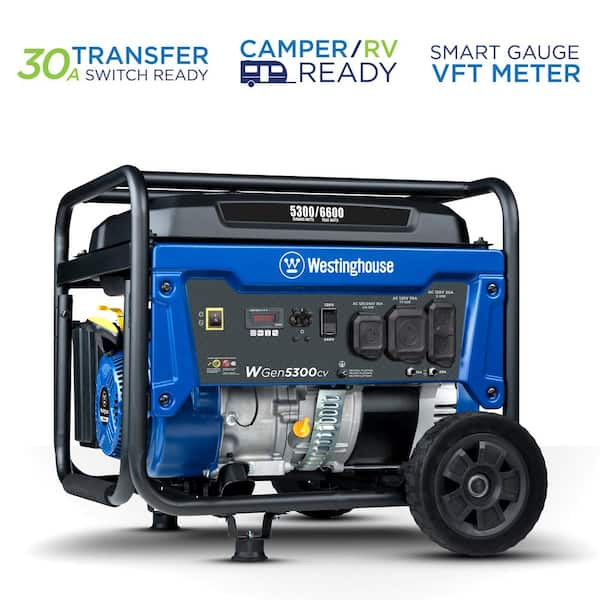
Step-by-step methods to drain gas from Westinghouse generator
Below are tested ways to drain fuel. Pick the method that fits your model and comfort level. I include tips I learned the hard way when servicing generators on job sites.
Method 1 — Run the generator until fuel is gone (recommended when possible)
- Move the generator outdoors on level ground and clear of combustible materials.
- Start the engine and let it idle. Monitor oil pressure and temperature.
- Run until it sputters and stops; this removes most fuel from the carburetor and lines.
- Turn off the fuel valve and open the choke to help clear residual fuel.
This method is simple and often the least invasive for how to drain gas from Westinghouse generator.
Method 2 — Use the carburetor drain screw
- Locate the carburetor bowl and drain screw on your Westinghouse unit. Consult the manual if unsure.
- Place a fuel-safe container under the bowl.
- Close the fuel valve, remove the spark plug boot for safety, and loosen the drain screw to let gas flow.
- Tighten the screw when flow stops and dispose of fuel properly.
Carburetor drains remove the fuel sitting in the carb bowl, preventing gumming when stored.
Method 3 — Siphon or use the fuel tank drain valve
- If the model has a fuel valve at the tank, turn the valve to drain into a container.
- If no valve exists, use a manual siphon pump and clear hose to transfer fuel to a container.
- Keep the hose below tank level and avoid inhaling fumes.
- Seal the container and store or dispose of fuel per local rules.
Siphoning is quick but pay attention to spills and vapors.
Method 4 — Remove the tank for full emptying
- Disconnect the fuel line and mounting bolts. Keep parts labeled for reassembly.
- Tip the tank over a suitable container and drain.
- Inspect the tank for rust or debris and clean if needed.
- Reinstall with new gaskets if required.
This is the most thorough method when you need to clean the tank or replace parts.
Emptying the carburetor and fuel lines
Draining the tank isn’t enough. The carburetor bowl and lines can still hold fuel that gums up over weeks.
- Remove the carb bowl and inspect for varnish or debris. Clean with a carb cleaner and compressed air.
- Blow through fuel lines with low-pressure air to clear residues. Replace brittle lines.
- Reassemble carefully and test-run the unit to confirm a clear fuel path.
From hands-on experience, a clean carburetor avoids the need for replacement parts later.

Storing and stabilizing after draining
Decide whether to stabilize or fully drain. For short storage under three months, add fuel stabilizer and run the engine five minutes. For longer storage, follow the complete drain steps.
- Label the tank or leave a storage note to remind you what you did.
- Store the generator in a cool dry place and run it every few months if fuel remains.
- Change spark plug and oil before next use if it sat empty for months.
These steps reduce corrosion and keep the engine ready.

Common mistakes and how to avoid them
Avoid these errors I’ve seen in the field:
- Leaving small amounts of fuel in the carburetor bowl. Always drain the carb.
- Using the wrong container. Use approved gasoline containers only.
- Not disconnecting the spark plug. This risks accidental starts.
- Dumping old gas into the regular trash or down drains. Follow hazardous waste rules.
Knowing these stops issues before they start makes how to drain gas from Westinghouse generator straightforward and safe.

Quick PAA-style questions
How long does gas last in a generator?
Fresh gasoline stored in a tank may last one to three months before degrading. Adding stabilizer can extend that to six to twelve months.
Is it safe to siphon gas with my mouth?
Never siphon by mouth. Use a manual siphon pump to avoid ingestion and inhalation risks.
Can I run the generator dry every time I store it?
Running to dry is fine occasionally, but frequent dry runs can stress the carburetor seals. Use proper draining techniques for best care.

Frequently Asked Questions of how to drain gas from westinghouse generator
What is the best method to drain gas from a Westinghouse generator?
The best method is model-dependent, but running the unit until it stops, then draining the carburetor bowl, is a safe, simple approach. For full cleaning, remove and drain the tank.
Do I need special tools to drain the fuel?
Only basic tools are needed: a siphon pump or a wrench and screwdriver to access the carburetor drain. Use an approved fuel container for collection.
How do I dispose of old gasoline?
Dispose of gasoline at a household hazardous waste facility or a local recycling center. Do not pour it into drains or the ground.
Will draining the gas void my warranty?
Draining fuel per the manufacturer’s instructions usually does not void warranty. Follow the Westinghouse user manual and record maintenance actions.
How often should I drain the gas before long-term storage?
If storing longer than three months, drain fuel completely and clean the carburetor. Short-term storage may only require stabilizer and a brief run.
Can I use fuel stabilizer instead of draining?
Yes. For short storage under six months, stabilizer is effective when added to fresh fuel and run through the engine.
Conclusion
Draining fuel correctly protects your engine, avoids carburetor clogs, and extends the life of your Westinghouse generator. Follow safety rules, choose the right draining method, and clean the carburetor for best results. Take action now: inspect your manual, gather the tools listed, and schedule a safe drain before long-term storage. If you found this guide useful, leave a comment, subscribe for more maintenance tips, or share your experience with draining fuel on your unit.