
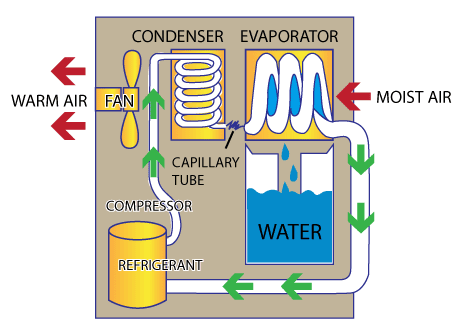
Atmospheric water generators extract moisture from air and condense it into clean, drinkable water.
I’ve worked with off-grid water systems and tested atmospheric water generators in varied climates, so I can explain how atmospheric water generator work with practical clarity. This article walks through the science, components, types, performance drivers, maintenance, costs, and real-world tips. If you want to understand how atmospheric water generator work, pick the right unit, or evaluate its value for home or field use, this guide gives clear, experience-based insight and actionable steps.
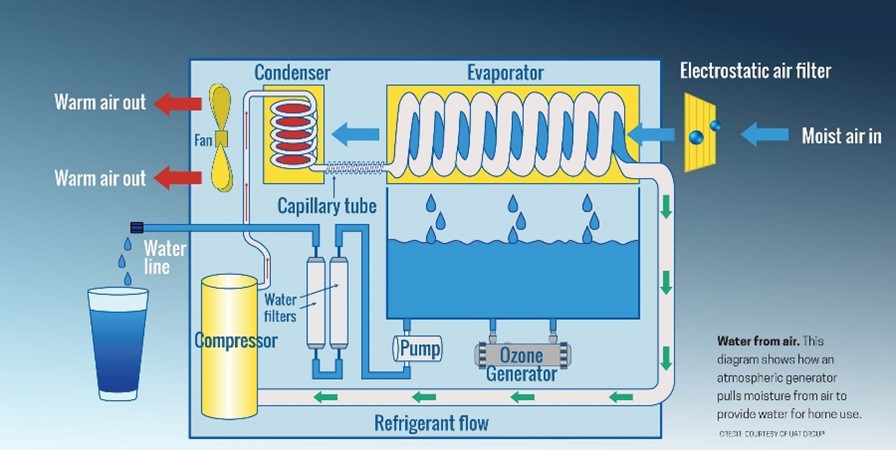
How atmospheric water generator work: basic principles
Atmospheric water generators capture humidity and turn it into liquid water. The basic idea mirrors how a cold glass gathers droplets on a hot day. Air cools below its dew point and water vapor condenses on a cold surface.
Two main physical methods are used:
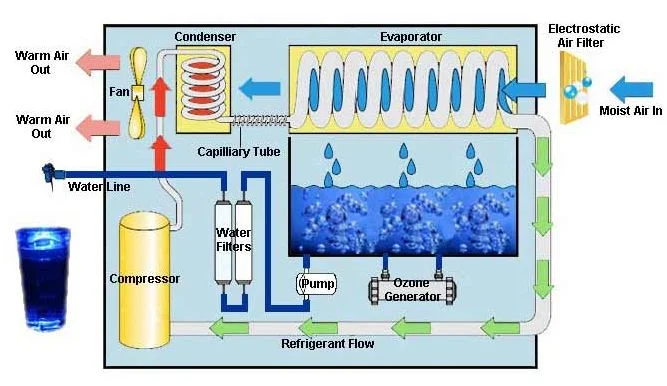
- Refrigerative condensation: Air is moved over cooled coils. Water condenses on the coils and drips into a collector.
- Desiccant absorption: A hygroscopic material or liquid grabs moisture, which is later released by heating and collected.
Knowing how atmospheric water generator work means understanding dew point, relative humidity, and heat exchange. Higher humidity and warmer air produce more water, which explains why yield changes with weather and location.

Core components and system design
Most atmospheric water generators share a common set of parts. Understanding each helps when you evaluate a unit.
- Air intake and pre-filter: Removes dust and large particles to protect the system.
- Cooling coil or desiccant wheel: The site of condensation or moisture capture.
- Compressor and condenser (refrigeration systems): Move heat to cool the coils and compress refrigerant.
- Fan or blower: Moves ambient air across the active surface.
- Water collection tray and reservoir: Collects condensate and stores output.
- Post-filtration and treatment: Carbon filters, ultrafiltration, or UV systems to make water safe and palatable.
- Pumping and mineralization (optional): Pumps water to taps and adds minerals for taste and health.
Design choices affect performance, durability, and water quality. For example, a sealed refrigeration loop needs good compressor maintenance, while desiccant systems need periodic media replacement.
Types of atmospheric water generators
There are several approaches to how atmospheric water generator work. Each suits different needs.
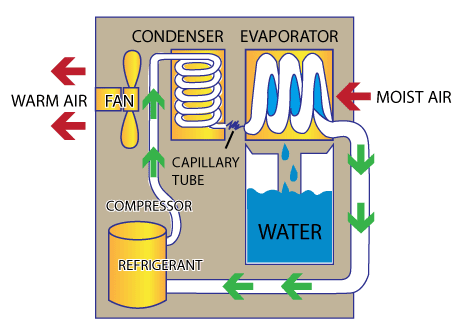
- Refrigerative AWGs
- Use compressor cooling. Best for warm, humid areas.
- Common in home and mid-size units.
- Desiccant AWGs
- Use moisture-absorbing materials. Better in low-humidity or variable climates.
- Often paired with heat recovery.
- Hybrid systems
- Combine refrigerative and desiccant methods to improve yield across conditions.
- Solar-powered and off-grid AWGs
- Use photovoltaic or solar thermal energy. Good for remote sites but need storage or backup.
- Portable and emergency units
- Small, low-yield devices for camping or disaster relief.
Choosing the right type means matching climate, energy access, and daily water needs. If you want to know how atmospheric water generator work best in your region, look at local humidity and temperature patterns.

Performance factors: humidity, temperature, and yield
The biggest drivers of how atmospheric water generator work are ambient temperature and relative humidity. These two set the dew point and therefore the potential yield.
- Relative humidity: Higher humidity gives more water per cubic meter of air.
- Temperature: Warm air holds more moisture, so warm, humid climates produce the most water.
- Dew point: The temperature at which air becomes saturated. Cooling air below dew point causes condensation.
- Air flow rate: More air moved through the unit increases production.
- Energy efficiency: Units have different power draws per liter produced. Look for efficiency metrics like liters per kWh.
Typical yields (general estimates):
- Small home AWGs: 5–20 liters/day in suitable climates.
- Medium systems: 20–200 liters/day.
- Industrial units: Hundreds to thousands of liters/day.
Energy use varies widely. Expect higher energy consumption in drier or cooler climates. When evaluating how atmospheric water generator work for your needs, run simple calculations: estimate daily water demand, check local average humidity and temperature, then compare expected liters/day from manufacturers.
Applications, benefits, and limitations
Knowing how atmospheric water generator work helps you pick practical uses and understand constraints.
Benefits
- On-demand water in areas without piped supply.
- Reduces reliance on bottled water and transport.
- Useful in disaster relief, remote homes, and off-grid sites.
- Can deliver high-quality water with proper filtration.
Limitations
- Dependent on climate — low humidity reduces output.
- Energy intensive compared to centralized water supply.
- Initial cost and maintenance can be high for quality systems.
- Environmental impact if powered by fossil fuels.
Applications
- Residential drinking water supplement.
- Emergency response and humanitarian aid.
- Agriculture (small scale hydroponics) and livestock in targeted setups.
- Military and remote industrial operations.
When you weigh how atmospheric water generator work for a project, include lifecycle energy and local water alternatives.
Maintenance, water treatment, and safety
Regular care keeps output safe and reliable. Water quality depends on both capture and treatment steps.
Maintenance basics
- Replace pre-filters and post-filters on schedule.
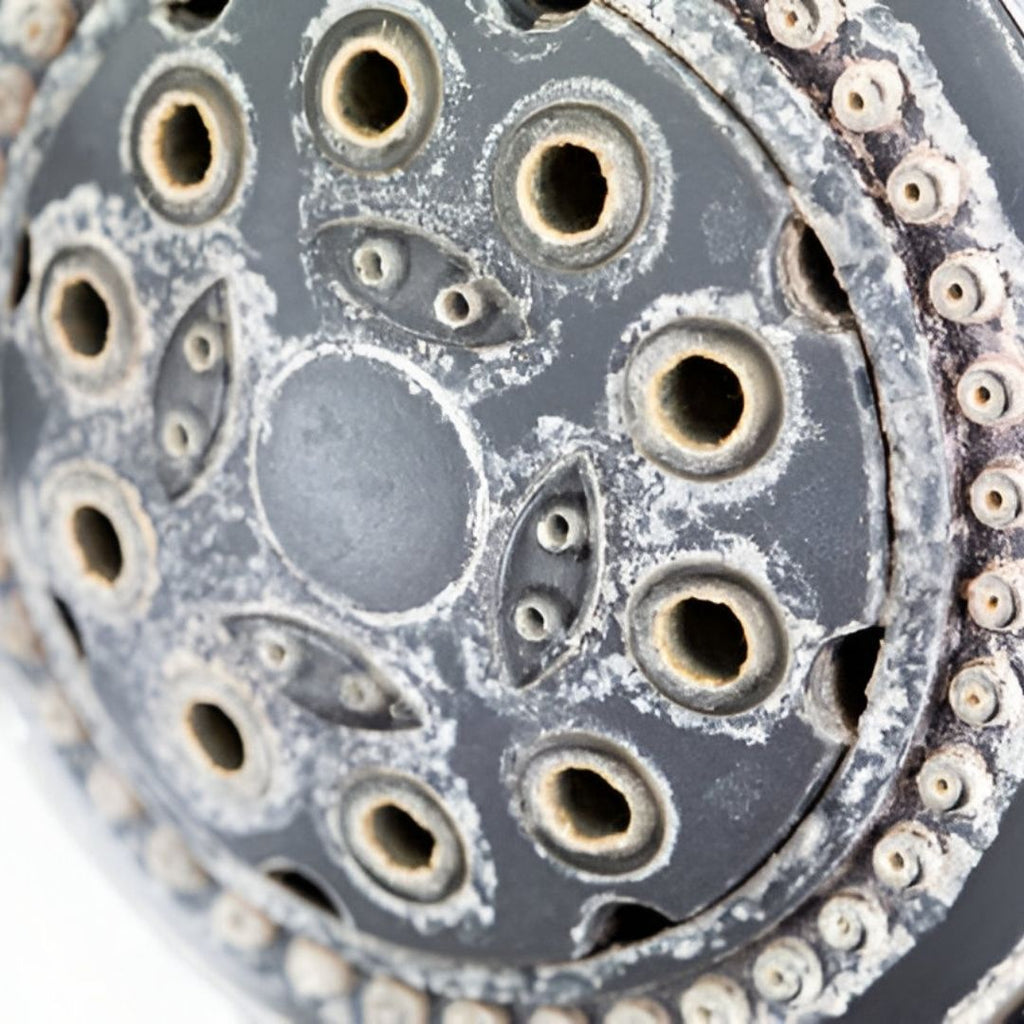
- Clean condensate trays and coils to prevent biofilms.
- Service compressors and fans as recommended.
- Sanitize reservoir and lines periodically.
Water treatment
- Carbon filtration removes odors and organics.
- UV or ozonation kills microbes.
- Mineralization can add essential ions and improve taste.
Safety notes
- Stagnant water can grow bacteria. Regular flow and sanitation reduce risks.
- Legionella is a concern in poorly maintained systems; follow cleaning protocols.
- Test output water periodically to verify potability.
Maintenance effort is a key factor when assessing how atmospheric water generator work long-term in your setting.
Cost, ROI, and buying considerations
Costs vary by capacity and quality. Planning helps avoid surprises.
Cost factors
- Unit price: Small home units often run from a few hundred to several thousand dollars. Larger systems cost significantly more.
- Energy costs: Running an AWG can add substantial electricity expense in drier climates.
- Maintenance: Filters, desiccant media, and parts add ongoing costs.
- Match capacity to daily needs, not peak desires.
- Check manufacturer test data for your climate range.
- Look for clear warranties and local service options.
- Compare liters-per-kWh figures, not just claimed daily output.
To estimate ROI, compare current water costs (bottled or delivery) and include energy and maintenance. For some remote sites, an AWG pays off quickly; in urban areas with cheap tap water, it may not.
My experience, practical tips, and mistakes to avoid
I installed a medium AWG for a small eco-lodge and learned several lessons about how atmospheric water generator work in practice.
What worked
- Site the unit where airflow is free and ambient heat is available.
- Add a pre-filter and UV post-treatment for peace of mind.
- Track liters produced versus energy used for a month to set realistic expectations.
Mistakes I made
- Underestimating maintenance: coils and trays need more cleaning than I expected.
- Buying based on peak yield claims instead of average local climate performance.
- Skipping mineralization: the first water tasted flat until we added a mineral cartridge.
Practical tips
- Place units away from dust and direct sun to reduce filter loading.
- Schedule filter changes and reservoir cleanings like clockwork.
- Use a small pressure tank or pump for consistent tap delivery.
These hands-on insights show how atmospheric water generator work beyond specs. Real-world testing is the best verifier.
Frequently Asked Questions of how atmospheric water generator work
How much water can an atmospheric water generator produce daily?
Production depends on humidity, temperature, and unit size. Typical small units produce 5–20 liters/day in good conditions, while larger systems can make hundreds of liters.
Is the water from an atmospheric water generator safe to drink?
With proper filtration and UV or ozone treatment, condensate can be made potable. Regular testing and maintenance ensure safety.
Do atmospheric water generators work in dry climates?
They work less efficiently in dry climates. Desiccant-based or hybrid systems perform better than simple refrigeration in lower humidity.
How much electricity does an atmospheric water generator use?
Energy use varies widely by model and climate. Expect higher kWh per liter in dry or cool environments; check manufacturer energy-per-liter ratings for estimates.
How often should I maintain an atmospheric water generator?
Basic maintenance like filter changes and reservoir cleaning should be done every 1–3 months, with full servicing annually depending on use.
Can atmospheric water generators replace municipal water?
They can supplement or replace municipal water in some contexts, especially remote or emergency settings, but cost and energy use make them less practical for large-scale municipal replacement.
Conclusion
Understanding how atmospheric water generator work helps you choose the right system, set realistic expectations, and keep water safe. These devices convert air moisture into usable water through refrigeration or desiccant methods. Performance depends on humidity, temperature, design, and maintenance. If you’re considering an AWG, assess local climate, energy costs, and ongoing service needs before buying.
Takeaway action: evaluate your daily water needs, check local humidity averages, and compare liters-per-kWh figures when shopping. If you’ve used an AWG or plan to, share your experience or questions below — I’ll respond with practical advice and lessons learned.